






















































The Human Cost of Compliance: Minnesota’s Medicaid Crisis and the ‘Revalidation 2026’ Fallout

WASHINGTON — The Minnesota Department of Human Services (DHS) is currently navigating a period of unprecedented administrative turbulence. In a high-stakes campaign to combat Medicaid fraud, the state has launched "Revalidation 2026," an aggressive, off-cycle audit of thousands of healthcare providers. While the initiative was designed to satisfy federal requirements and reclaim financial integrity, it has triggered a secondary crisis: a systemic breakdown in the delivery of essential services to the state’s most vulnerable populations, including low-income seniors, disabled Minnesotans, and children with autism.
For thousands of Medicaid providers, the initiative has created a paralyzing financial environment, forcing small business owners to drain personal savings or secure high-interest loans to cover operating costs during prolonged payment delays. However, the most profound impact is being felt by families who rely on these services to survive. Amidst a web of new red tape, complex authorization portals, and staffing shortages, the people who depend on these programs are becoming the overlooked casualties of the state’s war on fraud.
The Human Impact: Families in Limbo
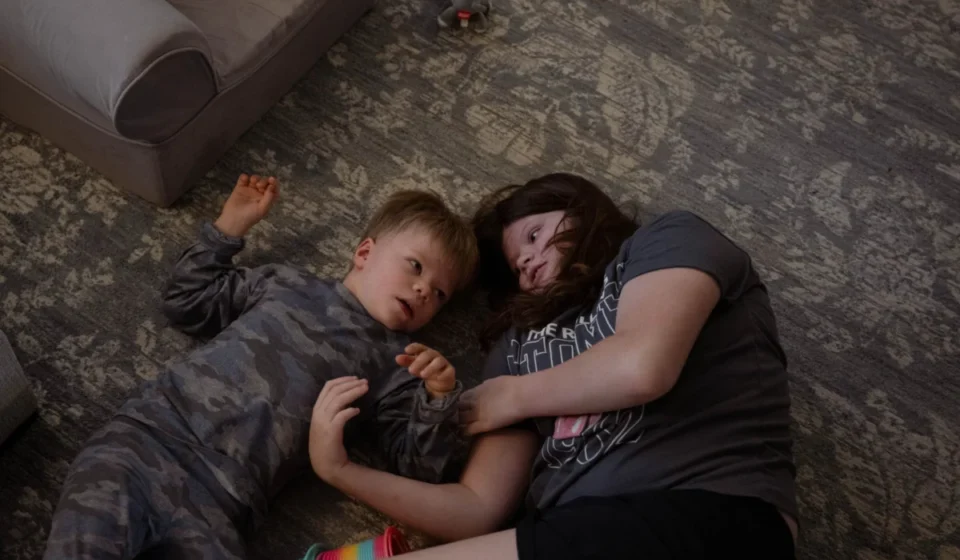
The personal toll of the state’s crackdown is perhaps best exemplified by the experiences of families like the McGuires in Bloomington. Caroline and Luke McGuire care for two children with significant medical needs: a 6-year-old son, Colin, who has cerebral palsy, and a 12-year-old daughter, Madeline, who faces developmental delays stemming from a complex chromosomal condition.
For the McGuires, the new requirements have transformed an already complex system into a bureaucratic nightmare. "It’s always been a far from perfect system, but now they have made it so much worse," Caroline McGuire said. "People with disabilities are paying the price, and it’s so much worse when it’s children."

Colin recently endured a four-month delay in essential physical therapy, a setback that his mother fears could have long-term consequences for his development. The obstacle? A new, cumbersome authorization portal managed by Acentra Health, the DHS’s third-party agent. "Now we have to prove every month that Colin needs services," she explained. Even personal care assistant (PCA) support for her son remains in flux, stalled by the same backlog that is affecting thousands of other families across the state.
Chronology of a Crisis: From Federal Pressure to State Scramble
The roots of the current crisis can be traced back to federal mandates under the Affordable Care Act, which requires Medicaid providers to undergo revalidation every five years to identify "bad actors." The federal government, specifically under the previous administration, flagged Minnesota’s Medicaid programs as high-risk, threatening to withhold federal matching funds if the state failed to demonstrate tighter controls.
The escalation reached a boiling point when the Centers for Medicare & Medicaid Services (CMS) began deferring hundreds of millions of dollars in payments to the state, citing concerns over "aberrant billing practices." To date, approximately $550 million has been deferred, with significantly more funding held in the balance.
In a desperate bid to preserve the flow of federal dollars, the Minnesota DHS initiated "Revalidation 2026" in January. The mandate required 5,600 providers across 13 "high-risk" service categories to undergo an intensive audit by the end of May. The process included site visits, fingerprint-based background investigations for all stakeholders, and the submission of extensive documentation. The failure to comply by the May deadline put roughly $2 billion in federal funding at risk, forcing the state into a rapid, and ultimately chaotic, implementation.

Supporting Data: By the Numbers
The scale of the disruption is becoming increasingly clear through data presented to the state legislature. As of September 8, the DHS reported that 3,587 providers had successfully completed revalidation. However, 1,177 providers remain caught in an appeals process, and 695 providers failed to revalidate or choose not to participate, effectively exiting the system.
The impact of these departures is rippling through the provider network. Helen Mader, representing the Coon Rapids-based Behavior Frontiers, testified before the state Senate Human Services Committee that her organization has lost 34 employees since May due to the administrative uncertainty. Because the company’s revalidation status remained in limbo, they were unable to hire replacements, resulting in 24 children being denied access to life-saving autism services.
Similarly, Dr. Eric Larsson, Chairman of the Autism Treatment Association of Minnesota, reported that Acentra Health’s massive backlog has left approximately 1,000 children statewide waiting for critical care.
Official Responses and Administrative Accountability
The DHS has acknowledged the systemic failures, attributing them to the complexity of the "Revalidation 2026" transition and the need for stricter "program integrity controls." During a recent Senate committee hearing, state Medicaid director John Connolly offered a formal apology to the providers and families who have been negatively impacted. "DHS is in a very difficult moment, as I know you are," Connolly stated, acknowledging the severity of the situation.

Despite the apology, critics argue that the state’s approach is fundamentally flawed. A July study by Georgetown University’s Center for Children and Families highlighted the inefficiency of the current strategy: out of all the providers forced to undergo the grueling revalidation process, only 1% were referred to the Office of Inspector General for further fraud investigation.
Maren Christensen, executive director of the Multicultural Autism Action Network, has been one of the most vocal critics of the department’s handling of the crisis. "There is no concern for the people who use the services," Christensen argued. "There will be people who do not survive this. And there are many states that have a lot more fraud than Minnesota."
Implications: A System at a Breaking Point
The broader implications of this crisis are alarming. By prioritizing audit compliance over the continuity of patient care, the state has inadvertently created a "care desert" for those who require consistent, professional intervention.
The situation is further exacerbated by the state’s decision to freeze the authorization of any new Medicaid providers until January. This moratorium effectively bars new, qualified practitioners from filling the gaps left by the providers who were shuttered or who quit during the revalidation process.

The personal cost is perhaps best illustrated by the story of Addyson Carpenter, a disability advocate and chair of the Minnesota Council on Disability. After suffering a life-threatening bout of septic shock in April, Carpenter required in-home nursing care. Despite her deep knowledge of the system, she struggled for months to secure appropriate care for herself and her 18-year-old daughter, Lydia, who has profound autism. Her partner, Adam, was forced to leave his job to provide care while they waited for the state’s glacial administrative machinery to catch up.
"The federal government is doing everything to hurt those with disabilities," Carpenter remarked, noting that while she understands the need for fraud prevention, the current implementation is "doing everything to hurt those with disabilities."
As the state enters the final quarter of 2026, the question remains whether the DHS can course-correct before the damage to the provider network becomes irreversible. For thousands of Minnesotans, the "war on fraud" has become a war of attrition, where the collateral damage is the health, stability, and future of the state’s most vulnerable citizens. Without a swift resolution to the authorization backlogs and a more nuanced approach to provider vetting, the state faces the real possibility of a permanent, systemic erosion of its disability support infrastructure.