
























































The Silicon Valley Cold War: Apple’s Trade Secret Lawsuit Against OpenAI Signals a New Era of Hostility

The fragile peace between Silicon Valley’s titans has officially shattered. Apple, the world’s most valuable consumer hardware company, has filed a landmark trade secrets lawsuit against OpenAI, alleging a systemic and predatory campaign to poach talent and misappropriate proprietary information. The lawsuit, which has sent shockwaves through the tech industry, alleges that OpenAI has engaged in a pattern of misconduct designed to undermine Apple’s competitive edge as it pivots toward its own hardware ambitions.
This legal confrontation is more than a standard corporate dispute; it is a battle for the future of ambient computing, artificial intelligence integration, and the next generation of personal devices. As OpenAI prepares for a highly anticipated initial public offering (IPO) and moves deeper into hardware development, this lawsuit threatens to derail its momentum, cloud its public offering, and force a reckoning regarding the industry’s aggressive talent-acquisition practices.
The Core Allegations: A Pattern of Misconduct
At the heart of the legal filing are serious allegations that OpenAI has systematically targeted Apple’s workforce to accelerate its own hardware division. Apple’s complaint describes a calculated strategy by OpenAI to entice key engineers and product leads to jump ship, bringing with them "trade secrets" that are essential to Apple’s product development lifecycle.
Perhaps the most damning element of the lawsuit is the explicit naming of Tang Tan, Apple’s former head of hardware, who now holds a leadership position at OpenAI. Apple contends that the migration of high-level personnel—totalling more than 400 former Apple employees now under the OpenAI banner—represents not just standard hiring, but a targeted "brain drain" intended to leapfrog development timelines for OpenAI’s forthcoming hardware initiatives.
Apple’s legal team is painting a picture of an organization that, in its haste to monetize AI through physical devices, has abandoned the ethical boundaries of competitive hiring. While OpenAI has publicly dismissed these claims as meritless, the gravity of the allegations—specifically those concerning the misappropriation of proprietary trade secrets—suggests that Apple is prepared for a long, grueling, and public legal battle.
A Chronology of Escalation
The tension between the two companies has been simmering for months, characterized by a series of quiet maneuvers that have only recently burst into the public consciousness.
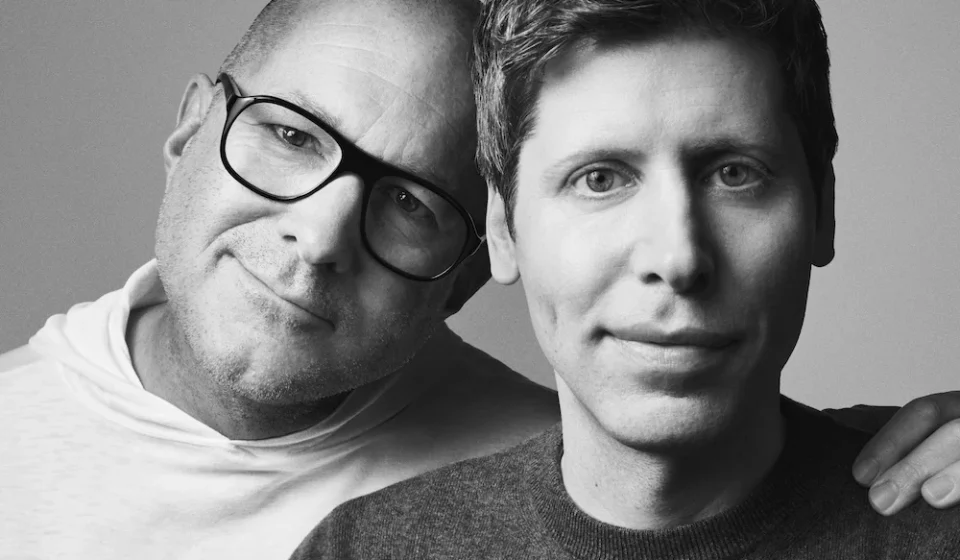
- Mid-2025: OpenAI begins publicly signaling its interest in hardware, releasing a cryptic and widely discussed video featuring high-profile design talent—including legendary former Apple designer Jony Ive—discussing the "legacy" nature of current smartphones and laptops.
- Late 2025/Early 2026: Reports emerge that OpenAI is developing a screenless, mobile smart speaker, signaling a shift from software-only models to integrated hardware ecosystems.
- June 2026: OpenAI confidentially files for an IPO, following the industry trend established by Anthropic. This filing puts immense pressure on the company to demonstrate a clear path to hardware profitability.
- July 2026: Apple officially files the trade secret lawsuit in federal court.
- July 14, 2026: OpenAI issues a formal response, denying the allegations and asserting that there is "no evidence" to support the claims made by Apple.
The Hardware Pivot: Why OpenAI Wants to Get Physical
The friction stems from OpenAI’s desire to move beyond the browser and into the user’s physical environment. For years, OpenAI has dominated the Large Language Model (LLM) space, but the company’s leadership—spearheaded by Sam Altman—has long viewed the current generation of mobile devices as insufficient for the "agentic" future of AI.
The rumored "mobile smart speaker" is intended to be an always-on, always-listening assistant that operates independently of a screen. However, this vision faces two significant hurdles: the technical challenge of building high-quality hardware and the social challenge of mass adoption. As noted by industry observers, the prospect of a device constantly listening to users and those around them raises profound privacy and social concerns. The integration of such technology requires a deep understanding of hardware-software synergy—a discipline that Apple has spent decades perfecting. By allegedly poaching the very engineers who built that synergy for Apple, OpenAI is attempting to fast-track its entry into a market where it has zero historical footprint.
The Financial and Strategic Stakes
The lawsuit comes at a perilous time for OpenAI. With a confidential IPO filing on the horizon, the company is in the process of courting institutional investors and banks. In these presentations, OpenAI must present a clear, defensible vision for its future growth. If a significant portion of its valuation is pegged to a hardware division that is currently being sued for allegedly stealing the intellectual property of the most successful hardware company in history, investors will undoubtedly be skittish.
"This is a massive risk," says Sean O’Kane, a tech analyst and frequent commentator on the Equity podcast. "Even setting aside whether the court grants an injunction or a restraining order, the litigation process itself will lead to delays. Apple knows this. They don’t initiate these types of actions willy-nilly."
Furthermore, the legal discovery process could force OpenAI to open its internal communications and product roadmaps to public scrutiny. For a company that has spent years operating with a degree of secrecy, this level of transparency could prove damaging, particularly if it reveals that their hardware development relied heavily on the proprietary know-how of competitors.
The "Musk Precedent" and Future Litigation
A critical question remains: will OpenAI seek a rapid settlement to bury the issue before the IPO, or will they fight? OpenAI recently emerged from a high-profile legal battle with Elon Musk regarding its organizational structure and mission. While OpenAI technically "won" the legal challenge, the trial served as a window into the company’s internal conflicts, exposing "dirty laundry" that was arguably damaging to its brand image.
However, some analysts argue that the takeaway for OpenAI from the Musk trial was not fear, but confidence. Having survived the scrutiny of a public courtroom, leadership may feel that they have the stomach to endure another round of litigation if it means protecting their core strategic initiatives. As Kirsten Korosec of TechCrunch suggested, there is a strong possibility that OpenAI will choose to fight, banking on its ability to survive the embarrassment for the sake of long-term survival.
Implications for the Tech Landscape
This lawsuit marks a turning point in how AI companies view the "talent war." For the past decade, the hiring of personnel from competitors was viewed as a standard, if aggressive, way of scaling operations. Apple’s intervention signals that the "honeymoon phase" of AI growth is over. When software-first companies begin encroaching on the territory of hardware giants, the legal gloves come off.
Beyond the courtroom, the case serves as a warning for the industry at large. As AI models become more integrated into our daily lives, the social and legal norms surrounding "ambient intelligence" will need to be renegotiated. Apple’s lawsuit is, in many ways, an assertion of its own moral and legal high ground—a claim that talent, while mobile, does not carry with it the secret blueprints of a competitor’s future.
Conclusion
Whether this lawsuit results in a massive payout, a restrictive injunction, or an out-of-court settlement, its impact is already being felt. OpenAI finds itself at a crossroads: it must either prove that its hardware innovations are home-grown and original, or it must face the reality that its ambitions have put it in the crosshairs of an adversary that has both the resources and the patience to hold it accountable.
As we look toward the potential IPO, the market will be watching closely. If OpenAI can weather this storm, it may emerge as a formidable hardware player. If it falters, this lawsuit may be remembered as the moment the company’s rapid ascent finally hit a wall of legal reality. For now, the tech world waits, watching as the future of personal AI is debated not in a lab, but in the halls of justice.