

















































Across the United States, a quiet but intense battle is brewing over the physical manifestation of the digital age. As tech giants race to dominate the artificial intelligence landscape, they are scouting vast swaths of land for massive, power-hungry data centers. While proponents tout these facilities as engines of economic growth and job creation, a growing coalition of residents is pushing back, arguing that the true cost of AI is being paid by their health, their environment, and their local utility grids.
The debate has moved beyond abstract policy discussions to the front steps of City Halls. From the rust-belt neighborhoods of Philadelphia to the suburbs of Denver, communities are demanding a seat at the table—or, in many cases, a total moratorium on construction.
The Human Cost: A Legacy of Industrial Trauma
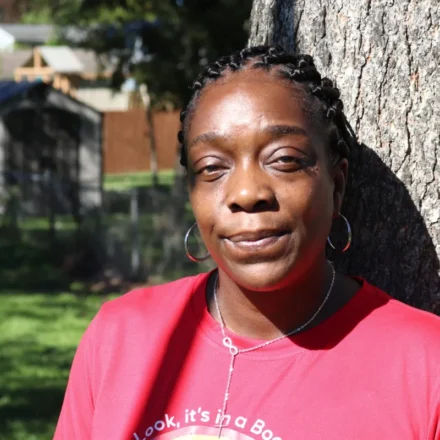
For activists like Shawmar Pitts, the threat posed by data centers is not a speculative concern; it is a visceral reminder of past injustices. A lifelong resident of the Grays Ferry neighborhood in Southwest Philadelphia, Pitts grew up in the shadow of the East Coast’s largest oil refinery. For decades, the facility loomed over his community, a constant source of emissions and, as many residents later discovered, chronic illness.
The refinery, Philadelphia Energy Solutions, finally shuttered following a catastrophic explosion in 2019. But for families like those in Grays Ferry, the damage was already done. Pitts recalls the moment he connected his family’s health struggles to their environment. It was 2018, and the environmental justice organization Philly Thrive was tabling in his neighborhood to oppose an expansion of the refinery.
"I read the information they had on the table about how living near the refinery affects you," Pitts told TechCrunch. "I’m looking at all the sicknesses on this paper, and I’m like, ‘My mother has this, my sister has that, my next-door neighbor suffers from this’—every house, someone has something on that list. From that point, I was all the way in."

Today, as the managing co-director of Philly Thrive, Pitts is leading the "No Data Centers in Philly" campaign. While no formal construction permits have been issued, city officials have identified two potential sites for development: one in Northeast Philadelphia and another in Grays Ferry. For residents who have spent years fighting to clean up the toxic legacy of the oil industry, the prospect of an industrial-scale data center—with its accompanying noise, pollution, and high-intensity power requirements—feels like a betrayal.
Chronology of a Growing Movement
The backlash against data centers is not a localized phenomenon; it is a cascading national movement.
- 2018–2019: Grassroots groups, such as Philly Thrive, begin to gain traction by linking industrial pollution to public health outcomes, setting the stage for future opposition to heavy infrastructure.
- 2020–2023: The rapid proliferation of AI and cloud computing leads to a massive spike in demand for data storage, sparking a land rush for data center sites across the U.S.
- Mid-2024: A Gallup poll reveals that a majority of Americans oppose the construction of data centers in their immediate areas, citing environmental and resource concerns.
- July 2026: New York Governor Kathy Hochul issues an executive order halting the approval of new permits for large-scale data centers, marking a significant victory for anti-development activists.
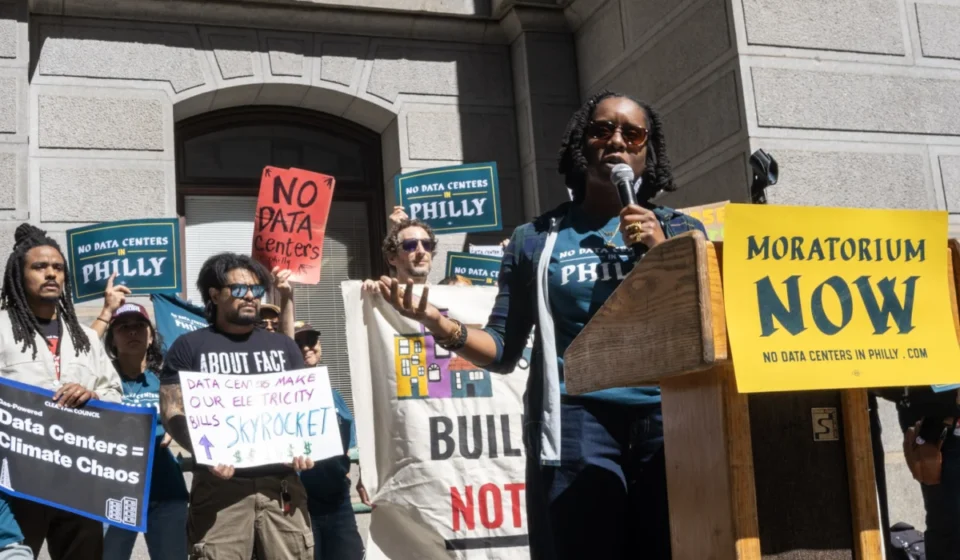
- September 2026: The "No Data Centers in Philly" campaign holds a high-profile rally at Philadelphia City Hall, with over 100 residents demanding a formal moratorium.
- Ongoing: Cities such as Denver, Indianapolis, Asheville, Charlotte, and Reno have already implemented various moratoriums, forcing developers to pause and officials to re-evaluate the impact of these facilities.
Supporting Data: The Energy Hunger of AI
The central point of contention is energy. Data centers are, by design, some of the most power-intensive structures ever built. As AI models require exponentially more computing power than traditional software, the energy demands are skyrocketing.
According to data from BloombergNEF, the scale of this consumption is unprecedented. By 2035, U.S. data centers are projected to consume more natural gas than Germany and Japan combined. This figure is nearly double the firm’s estimate from just nine months prior, illustrating the sheer velocity of the AI boom.
The environmental implications are staggering. While natural gas is often marketed as a "cleaner" bridge fuel, it remains a significant contributor to greenhouse gas emissions. Burning one cubic foot of natural gas releases roughly 60 grams of carbon dioxide. Furthermore, researchers estimate that new data center demand could generate an additional 1 million metric tons of greenhouse gas pollution daily—amounting to approximately 12% of total U.S. greenhouse gas emissions.

Harvard University researchers noted in 2021 that fossil fuel air pollution is responsible for one in five deaths worldwide. As AI demand necessitates increased reliance on existing, overstressed electrical grids, experts warn that the use of backup diesel generators at these sites will only worsen local air quality.
Official Responses and Policy Shifts
The political landscape is shifting as elected officials feel the heat from their constituents. The trend of "data center moratoriums" is the direct result of citizens successfully articulating their fears regarding water usage, noise pollution, and the strain on local utilities.
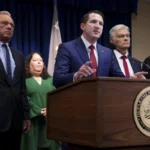
Governor Kathy Hochul’s stance in New York summarizes the new political reality: "Progress shouldn’t arrive with a higher utility bill, deleted water supply, or noise pollution. These data centers can only be built, should only be built in places that want them."
In cities like Indianapolis and Reno, moratoriums have been codified into law to allow for comprehensive impact studies. Officials are beginning to realize that the economic promise of "data center jobs"—which are notoriously few once the facility is constructed—is often outweighed by the long-term infrastructure costs and public opposition.
The Broader Implications: A Clash of Priorities
The conflict in Philadelphia, and across the nation, represents a fundamental clash between the tech industry’s vision of the future and the immediate quality-of-life concerns of local residents.

Sonya Sanders, board president of Philly Thrive, spoke at the Monday rally with a heavy heart. Her husband, a long-time resident of Grays Ferry, passed away in 2020 from a rare bone cancer. He was a non-smoker, and Sanders remains convinced that his illness was a direct result of decades of breathing the air around the refinery.
"In my eyes, they killed him," Sanders stated. "The pollution killed him. I believe he would be here today if he wasn’t silently murdered, because it was the pursuit of profit that killed him."
For activists, the "pursuit of profit" has simply shifted from oil to data. Whether it is the chemical emissions of a refinery or the massive, noise-polluting cooling fans of a server farm, the concern remains the same: the burden of industrial progress is being forced upon marginalized communities.
A Call for Accountability
As the rally concluded at City Hall, the message was clear. Residents like Donna Greenberg, who cited concerns over both environmental degradation and the surveillance capabilities inherent in massive data hubs, are not backing down.
"I’m worried about pollution," Greenberg told TechCrunch. "I’m worried about surveillance and the fact that they’re going to have access to information they have no business knowing, and I’m concerned that they’re going to be using water and electricity that takes away from the people and the neighborhoods who need it."

The battle over AI infrastructure is only in its infancy. As the tech industry continues to demand more power and space, the tension between the digital "cloud" and the physical earth will only intensify. For Shawmar Pitts and the residents of Philadelphia, the fight is a testament to the power of community organizing in an era of rapid, often unwanted, technological transformation.
"I just think that our community standing up and fighting back is tremendous," Pitts concluded. "It takes a lot of effort and a lot of people, but we have to ensure our voices are louder than the servers."
Disclaimer: This article is for informational purposes. When you purchase through links in our articles, we may earn a small commission, which does not affect our editorial independence.