















































Minnesota’s Political Crossroads: Tumultuous Conventions Reignite Calls for Systemic Reform

The echoes of last weekend’s tumultuous DFL and GOP state party conventions in Minnesota have barely faded, yet they have already ignited a fervent debate among Democrats and Republicans alike: Is it time to overhaul the state’s century-old system for choosing political candidates? The recent gatherings, marked by internal discord and the rejection of more moderate contenders, have amplified calls to scrap the traditional endorsing conventions in favor of a more voter-centric primary system.
Minnesota stands as an anomaly in the American political landscape. Its modern system of caucuses, established in 1922, is deeply ingrained in the state’s political culture, a testament to tradition and grassroots engagement. However, this distinct approach, where state party conventions endorse or nominate candidates, is shared by only eight other states, including California and Michigan. This uniqueness is now under intense scrutiny, with growing pressure to align Minnesota more closely with the majority of states that rely on direct primary elections.
The core of the proposed reform centers on two main changes: abolishing the endorsing conventions and moving Minnesota’s primary election, currently scheduled for August 11, to an earlier date, perhaps in June. Such a significant shift would require the approval of both state parties and the Legislature—a formidable political lift that has faced resistance in the past. Yet, the palpable frustration stemming from the recent conventions suggests that the momentum for change is building, driven by concerns over candidate electability, the outsized influence of party activists, and the perceived disconnect between delegates and the broader electorate.
Blois Olson, a respected political analyst and publisher of TheDailyAgenda.com, encapsulates a central criticism: "Party endorsements do not produce the most electable candidates." This sentiment resonates deeply with many who observe the current system, arguing that the convention process often favors candidates who appeal to a passionate, ideologically driven base rather than those capable of winning broad general election support. Jessica Shaten, a DFL convention delegate from south Minneapolis, articulated this concern more sharply, stating, "What the endorsement process has become is a way for extremist candidates to take control of their parties." She, like many proponents of reform, contends that the delegates, chosen in a multi-tiered caucus system, do not accurately reflect the millions of Minnesota voters.
A Century of Tradition Under Fire: A Chronology of Discontent
Minnesota’s political nominating process, rooted in the progressive era of the early 20th century, was designed to empower party members and foster grassroots democracy. The caucuses, which eventually lead to the selection of state convention delegates, were intended to be forums for robust debate and collective decision-making, reflecting the will of active party members. For decades, this system has been the bedrock of candidate selection, shaping the careers of countless politicians and influencing the state’s legislative agenda. Yet, its inherent structure, which concentrates decision-making power in the hands of a relatively small, dedicated cohort of activists, has periodically sparked controversy.
Past Troubles and Recurring Debates:
The current outcry is not unprecedented. Minnesota’s nominating conventions have indeed caused problems before, often leading to protracted intra-party battles, divisions that persist into the general election, and the alienation of moderate voices. The debate over abolishing endorsing conventions and shifting the primary date is a recurring theme in Minnesota politics, frequently resurfacing after particularly contentious convention cycles. Previous attempts to reform the system have faltered, often due to a combination of legislative inertia, the complexities of overhauling established electoral laws, and the strong opposition from party loyalists who view the caucus and convention system as essential to party strength and ideological purity.
The Tumultuous Weekend of 2026:
The most recent conventions, however, brought these simmering tensions to a boiling point, producing results that many viewed as a defeat for moderation and a clear signal of the system’s flaws.
-
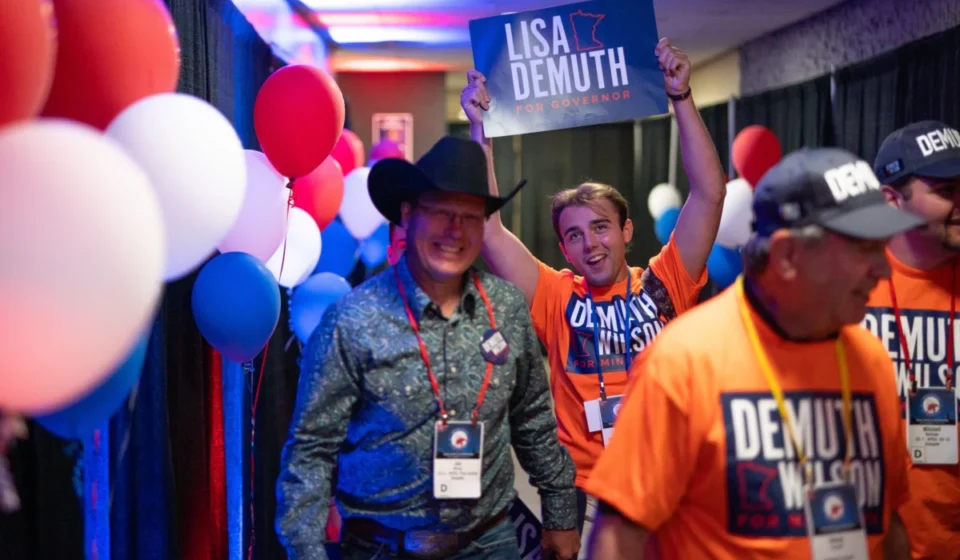
The GOP Convention in Duluth: The Republican Party’s gathering was marred by controversy and internal distrust. Reports of "anomalies" in a round of balloting for the gubernatorial endorsement cast a shadow over the proceedings. Businessman Kendall Qualls, running on a more conservative platform, unexpectedly surged ahead of State House Speaker Lisa Demuth, eventually securing the endorsement. This result was seen by many as a victory for the party’s right wing.
Even more striking was the U.S. Senate endorsement race. Michele Tafoya, a former sportscaster backed by the National Republican Senatorial Committee (NRSC) and considered a more establishment-friendly candidate, was resoundingly rejected by delegates. Instead, they overwhelmingly threw their support behind former Navy SEAL Adam Schwarze, who, like Qualls, is perceived as more conservative and aligned with the "MAGA" wing of the party.
The chaos surrounding the balloting led to an unprecedented decision: the Minnesota Republican Party announced it would release all candidates from the endorsement process. This meant that Demuth, who had previously pledged to abide by the endorsement, was now free to continue her campaign into the primary, as was Tafoya, who had already declared her intention to do so. MyPillow CEO Mike Lindell also remains in the race, ensuring a crowded and unpredictable primary. -
The DFL Convention in Rochester: On the Democratic side, similar dynamics played out, albeit with different outcomes. Representative Angie Craig, D-2nd District, found herself in a challenging battle for delegate support against Lieutenant Governor Peggy Flanagan in the race for retiring Senator Tina Smith’s seat. Recognizing the uphill climb, Craig made the strategic decision to skip the DFL convention entirely and proceed directly to the primary. Craig is widely considered the more moderate candidate in this contest, suggesting that the delegate pool was trending towards a more progressive choice.
Even Senator Amy Klobuchar, a popular and broadly appealing politician, faced a challenge to her moderation. While she secured the DFL endorsement for governor, approximately 30% of delegates cast their votes for 26-year-old progressive Kobey Layne. This significant protest vote, even against an established figure like Klobuchar, underscored the influence of the party’s left flank within the delegate body.
In essence, both parties emerged from their conventions with devalued endorsements and the certainty of hard-fought primary battles ahead, particularly for the crucial U.S. Senate seat and the Republican gubernatorial nomination. The events of the weekend vividly demonstrated how the current system can elevate ideologically pure candidates while sidelining those with broader appeal, setting the stage for potentially divisive and expensive primary contests.

The Case for Change: Supporting Data and Expert Perspectives
The arguments for reforming Minnesota’s candidate selection process are multifaceted, drawing on political analysis, historical precedent, and comparative data from other states.
The Delegate Disconnect and Extremist Influence:
At the heart of the reform movement is the contention that the delegate selection process fundamentally distorts representation. Jessica Shaten’s observation that "the endorsement process has become a way for extremist candidates to take control of their parties" is echoed by many. The delegates to the statewide conventions—approximately 1,200 at the DFL convention and 2,000 at the GOP’s event this year—are chosen through a series of sub-caucuses at local and congressional district levels. While these caucuses attract more participants than the conventions themselves, they still represent a minuscule fraction of Minnesota’s more than 3.8 million registered voters. This self-selected group, often comprising highly motivated activists, tends to be more ideologically extreme than the average party voter, let alone the general electorate. Consequently, candidates who appeal to this narrow, highly engaged base are more likely to secure endorsements, even if their platforms lack broad appeal necessary to win a general election.
Shaten proposes a straightforward alternative: "Let all the voters choose, then the parties could endorse those nominees at a (post-primary) convention." This model, common in many states, would empower a wider range of voters in the primary, allowing parties to then rally behind the chosen nominee, rather than having a small group of delegates dictate the selection.
The Republican Predicament:
Hamline University political science professor David Schultz highlights a particularly compelling reason for Republicans to embrace change. He points out a significant asymmetry in how the endorsement process impacts the two major parties. DFL candidates, such as Governor Tim Walz and former Governor Mark Dayton, have successfully flouted party endorsements and gone on to win their primaries and general elections. This suggests a greater tolerance among DFL voters for candidates who challenge the party establishment. In contrast, GOP candidates who do not abide by the endorsement have historically been "punished" by Republican primary voters, making it incredibly difficult for them to advance.
"Since they haven’t won a statewide election in 20 years, there are probably enough people in the Republican Party who are saying, ‘If we keep doing this and we keep losing, maybe we should do something else,’" Schultz asserts. This dire electoral record provides a powerful incentive for Republicans to re-evaluate a system that, for them, appears to hinder the success of potentially more electable candidates. The recent rejections of Michele Tafoya and the internal strife around Lisa Demuth’s endorsement only underscore this point, potentially pushing the GOP towards a pragmatic reconsideration of their traditions.
The Advantages of an Earlier Primary:
Beyond the issue of endorsements, the timing of Minnesota’s primary election also draws significant criticism. Currently scheduled for August 11, it places Minnesota in a minority of states that select their nominees later in the year. Thirty-one states hold their primaries before the end of June, offering a longer general election campaign period.
Moving the primary to June would offer several benefits. Blois Olson notes that "summertime blues" often lead to depressed voter turnout in August, as many Minnesotans are on vacation or otherwise disengaged from politics. Secretary of State Steve Simon, while a member of the state House in 2017, testified that a June primary would find more Minnesotans available to vote and allow a longer period for voters to consider their general election options. An earlier primary could boost engagement, provide candidates with more time to define themselves for the general election, and potentially reduce voter fatigue by not compressing the entire election cycle into a short, intense period.
Obstacles and Opposing Views: The Resistance to Reform
Despite the growing calls for change, significant hurdles and entrenched opposition stand in the way of reforming Minnesota’s political nominating system.
The Defense of "Small D" Democracy:
Jason Franzen, a long-time GOP delegate and supporter of Kendall Qualls, acknowledges the archaic nature of the endorsement process but staunchly defends its democratic spirit. "Admittedly, the endorsement process is archaic, but it’s very ‘small d’ democratic," he argues. Proponents like Franzen view the caucus system as a vital mechanism for grassroots participation, allowing dedicated party members to shape their party’s direction and ensure that candidates are truly committed to the party platform. For them, it is a bulwark against the influence of money and outside interests that might dominate an open primary.
Frank Long, another delegate and party activist from Watertown Township who supports Adam Schwarze, echoes this sentiment. He believes that delegates who emerge from the caucus system possess a deeper understanding of what voters truly want in a candidate, contrasting them with a "small group of people who are recruiting and funding candidates" in a primary system. This perspective suggests that the current system, while narrow, ensures a more authentic representation of core party values.

Political Blowback and Power Dynamics:
Blois Olson warns of significant "blowback" if attempts are made to eliminate the endorsement process. Certain organizations, including labor unions and hardline ideological groups, heavily invest in fielding delegates to influence the conventions. These groups wield considerable power within the current structure, and any reform that diminishes their influence would undoubtedly face fierce resistance. For them, the convention system is a critical tool for advancing their agendas and ensuring their voices are heard within the party.
The changes would also, by design, weaken the power of state parties, albeit in a limited way. While Olson notes that "Parties could still have influence," they would lose their direct candidate selection power. This diminution of central party control is a major point of contention for party leadership, who value the ability to vet and coalesce around candidates early in the process.
Legislative and Practical Challenges:
Implementing these changes is not merely a matter of party will; it requires legislative action. The Legislature would have to pass a new law to establish a new election calendar and dismantle the current endorsement system. Such legislative efforts have been attempted before in Minnesota and have not succeeded, highlighting the political complexities involved.
One significant obstacle, as identified by Professor David Schultz, relates to the practicalities for sitting legislators. With the Legislature often still in session in mid-May during an election year, and the potential for special sessions, moving the primary to June would drastically shorten the campaign window for incumbents seeking reelection. This personal impact on lawmakers creates a strong disincentive to support the change. Furthermore, about a dozen other election deadlines would need to be moved up to accommodate an earlier primary, creating a cascade of logistical challenges for state election officials and campaigns alike.
Official Responses and the Road Ahead: Implications for Minnesota Politics
The immediate official response from party leadership has been one of caution, or even silence. Minnesota Republican Party Chairman Alex Plechash and Democratic Party Chairman Richard Carlbom both declined requests to comment for this story, indicating either a desire to avoid public engagement on a divisive issue or perhaps an internal struggle to formulate a cohesive position. The lack of an official party stance underscores the deep divisions within both organizations regarding the future of their nominating processes.
Despite the complexities and the lack of immediate official endorsement, the implications of these discussions for Minnesota’s political landscape are profound.
Potential for Broader Representation and Moderation:
If the endorsement process were abolished and primaries moved earlier, the most significant implication would be a shift in who chooses candidates. Power would flow from a few thousand highly engaged delegates to millions of registered voters. This could lead to the selection of more moderate candidates, better positioned to appeal to a broader electorate in the general election. For the Republican Party, in particular, this could be a strategic necessity to break their two-decade statewide losing streak, as suggested by Schultz.
Reinvigorated Primaries and Voter Engagement:
An earlier primary could also lead to increased voter turnout. By avoiding the August vacation period, more Minnesotans might be available and inclined to participate, lending greater legitimacy to the primary winners. A longer general election season would also give voters more time to thoroughly evaluate candidates and issues, potentially leading to more informed decisions.
Evolving Role of Political Parties:
While the direct candidate selection power of state parties would diminish, their influence would not vanish. As Blois Olson points out, "Parties could still have influence. They just wouldn’t endorse a political candidate." Minnesota’s political parties could continue to hold statewide conventions to draft new bylaws and platforms, develop campaign strategies, fund candidates, and organize volunteers. Their role would evolve from kingmakers to strategic organizers and mobilizers, focusing on party building and ideological advocacy rather than direct candidate anointing.
The Enduring Power of Tradition vs. Pragmatic Reform:
Ultimately, the debate over Minnesota’s nominating system pits deep-seated tradition against pragmatic calls for reform. The 2026 conventions, with their controversies and unexpected outcomes, have served as a powerful catalyst, forcing both parties to confront the efficacy and representativeness of their cherished system. While the path to change is fraught with legislative and internal party hurdles, the growing consensus among analysts and a segment of the party faithful is that Minnesota’s unique political culture may need to adapt to the demands of modern electoral politics. The question is no longer if the system will be scrutinized, but when—and how—Minnesota will decide its political future.