























































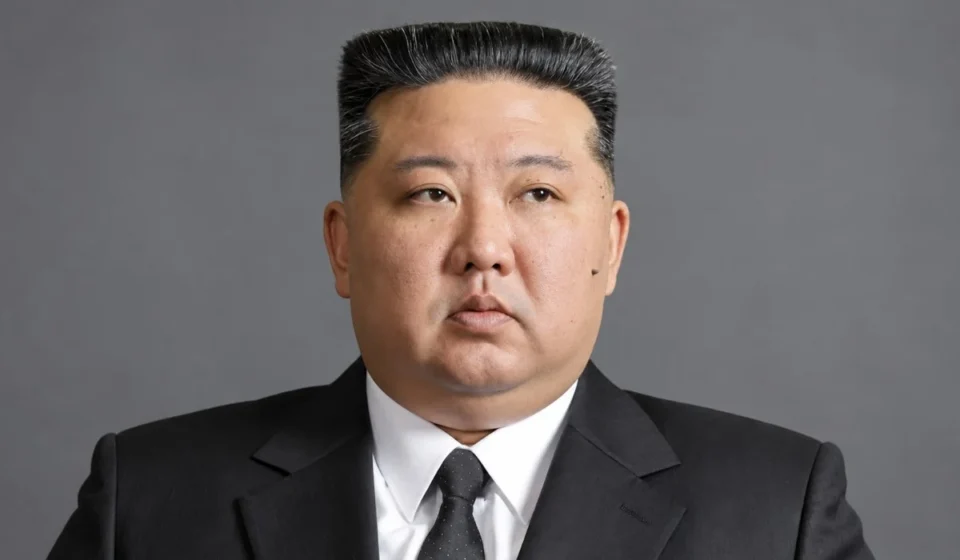
The Paektu Lineage in Question: Debunked Death Rumors and the Rising Profile of Kim Ju Ae

Main Facts
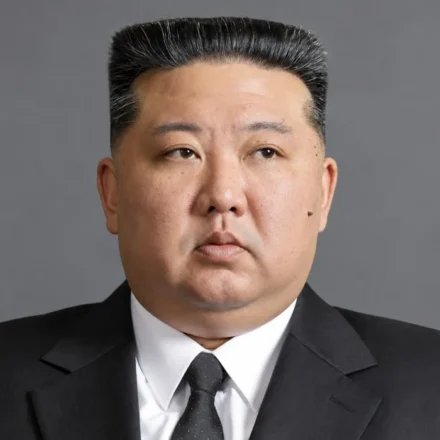
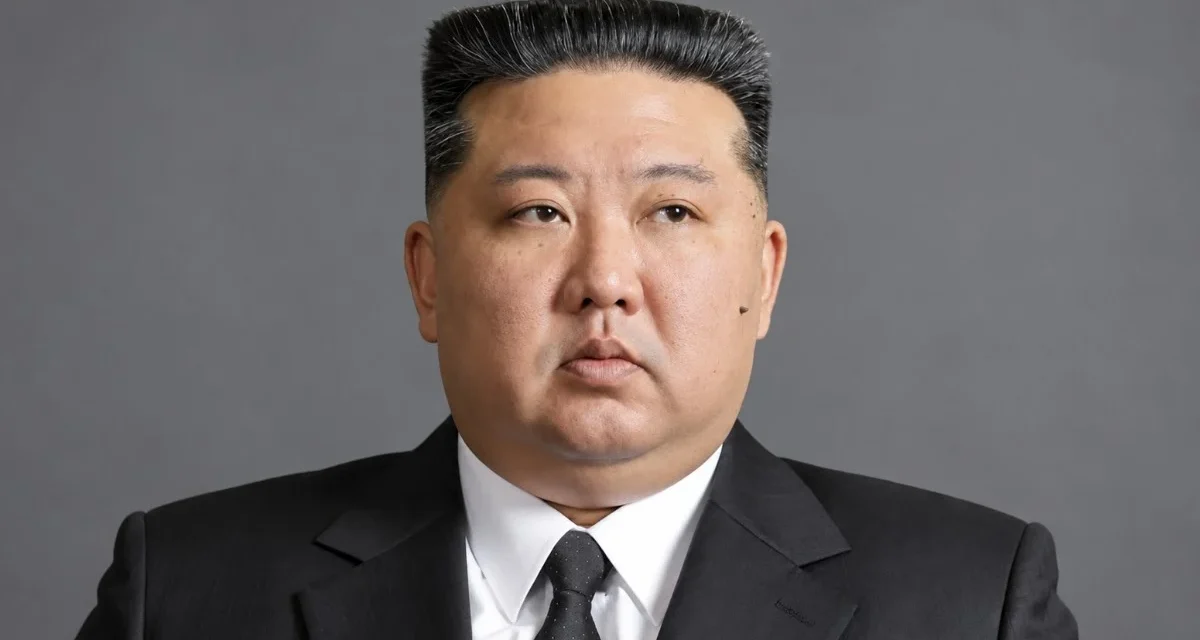
In mid-October 2026, intense speculation swept through global social media platforms and foreign news outlets claiming that North Korean Supreme Leader Kim Jong Un had died or fallen critically ill from a severe cerebral hemorrhage. Reports alleged that emergency medical teams had been dispatched from Beijing to Pyongyang as the regime prepared for an abrupt leadership vacuum.
The rumors were swiftly dispelled when North Korean state media published photographic and video evidence showing the 42-year-old leader actively inspecting consumer goods, including footwear and apparel, at a Pyongyang trade exhibition.
However, the rapid dissipation of the health crisis rumors did not quell international interest. Instead, attention pivoted to the individual standing prominently at Kim’s side throughout the inspection: his teenage daughter, Kim Ju Ae.
Estimated to be around 13 years old, Kim Ju Ae has transitioned from a curious presence at military parades to what South Korean intelligence now assesses as the most likely heir apparent to the Kim family dynasty.
The episode highlights a persistent reality in North Korean politics: while Kim Jong Un remains firmly in control, the absence of a publicly codified succession plan creates immediate global volatility whenever his health is questioned. The ongoing public elevation of Kim Ju Ae suggests that Pyongyang is proactively staging a multi-year effort to normalize her image as the fourth-generation leader of the nuclear-armed state, even as her powerful aunt, Kim Yo Jong, remains a potent political force in the background.
       +-------------------------------------------------------+
       |            THE PAEKTU DYNASTY SUCCESSION              |
       +-------------------------------------------------------+
                                   |
         +-------------------------+-------------------------+
         |                                                   |
  Kim Jong Un (42)                                  Kim Yo Jong (38)
  Supreme Leader                                   Key Political Strategist
         |                                           (Potential Regent)
         |
  Kim Ju Ae (~13)
  Apparent Successor
  (Designated by NIS)
Chronology
The cycle of health rumors and subsequent political positioning unfolded across a tight timeline in October 2026, embedded within a broader multi-year narrative of succession preparations:
[Nov 2022] --------> [Sep 2025] --------> [Feb-Apr 2026] ----> [Oct 19, 2026] ----> [Oct 20, 2026] ----> [Oct 21, 2026]
Ju Ae debuts at     Beijing Visit        NIS Designates        Death Rumors         Yonhap Reports       KCNA Disproves
ICBM Launch Diplomatic Debut Ju Ae as Heir Unverified Claims Viral Speculation Photos Published- November 2022: Kim Ju Ae makes her first high-profile public appearance, accompanying her father to the test launch of a Hwasong-17 intercontinental ballistic missile (ICBM). State media introduces her as Kim’s "beloved" child.
- September 2025: Ju Ae joins Kim Jong Un on an official state visit to Beijing. Her presence in diplomatic protocol settings signals an extension of her role beyond domestic military symbolism to international representation.
- February – April 2026: South Korea’s National Intelligence Service (NIS) alters its formal classification of Ju Ae, informing lawmakers that she has reached the operational stage of being designated as Kim’s official successor.
- September 2026: Amid emerging reports investigating the existence of an unconfirmed older son, intelligence agencies reiterate that Ju Ae remains the active focus of succession training and regime propaganda.
- October 19, 2026: Unverified reports circulate rapidly across non-mainstream intelligence channels and online platforms, alleging Kim Jong Un has suffered a catastrophic brain hemorrhage. That same day, unbeknownst to foreign observers, Kim visits an industrial exhibition in Pyongyang accompanied by Ju Ae.
- October 20, 2026: South Korean news agency Yonhap reports on the global spread of the death rumors, noting a lack of corroborating evidence from official intelligence channels.
- October 21, 2026: North Korean state media outlets release extensive media coverage of Kim Jong Un and Kim Ju Ae inspecting the Pyongyang exhibition, definitively debunking the claims of his incapacitation while again highlighting his daughter’s central role.
Supporting Data and Intelligence Assessments
Analysis of state media coverage and intelligence reports reveals a deliberate, structured campaign to build Kim Ju Ae’s political authority.
Profile Elevation in State Propaganda
Since late 2022, Kim Ju Ae has appeared in dozens of official state media broadcasts. Initially restricted to military inspectorial tours, her portfolio has steadily expanded:
+-----------------------------------------------------------------------------+
|                     EVOLUTION OF KIM JU AE'S PUBLIC ROLES                  |
+-----------------------------------------------------------------------------+
| Phase 1: Military Symbolism (2022–2023)                                     |
|   - ICBM Launch Inspections                                                 |
|   - Military Banquet Honors & Parades                                       |
+-----------------------------------------------------------------------------+
| Phase 2: Institutional & Diplomatic Integration (2024–2025)                 |
|   - Beijing Diplomatic Delegation (Sept 2025)                               |
|   - State Economic & Industrial Inspections                                 |
+-----------------------------------------------------------------------------+
| Phase 3: Succession Normalization (2026–Present)                            |
|   - Flanked by Senior General Staff & Party Secretaries                     |
|   - Formal NIS Succession Assessment (April 2026)                           |
+-----------------------------------------------------------------------------+
State media terminology used to describe Ju Ae has also systematically evolved:
- "Beloved Child" (Saranghaneun Chayeo): Used during her initial November 2022 public appearance.
- "Respected Child" (Jonkyeonghaneun Chayeo): Adopted in early 2023, a modifier traditionally reserved only for senior leadership.
- "Morning Star of Korea": Terminology periodically reported by defectors and internal sources, mirroring titles historically assigned to Kim Jong Il and Kim Jong Un prior to their formal accessions.
Comparative Successor Timelines
| Leader | Age at Public Reveal | Age at Assumption of Power | Years of Formal Preparation |
|---|---|---|---|
| Kim Jong Il | ~32 years old (1974) | 52 years old (1994) | 20 years |
| Kim Jong Un | ~26 years old (2009) | 27 years old (2011) | ~2 years (Abbreviated) |
| Kim Ju Ae | ~9 years old (2022) | TBD | Ongoing (~4+ years to date) |
Kim Jong Un’s own succession was rushed following his father’s stroke in 2008, leaving him with roughly two years of public preparation before assuming command in December 2011. Analysts view the early introduction of Kim Ju Ae as a direct lesson learned from that volatile transition, aiming to afford her decades of ideological and institutional conditioning.
Official Responses
South Korean National Intelligence Service (NIS)
South Korean officials acted swiftly to counter the October 2026 death rumors, confirming that monitoring systems showed no abnormal military movements or emergency communications within Pyongyang.
Addressing the succession framework, Lee Jong-seok, director of the NIS, told South Korean lawmakers:
"Our assessments, grounded in both signal intelligence and structural analysis of Pyongyang’s internal communications, indicate that Kim Ju Ae has crossed the threshold from symbolic presentation to designated successor status. While her youth necessitates a prolonged apprenticeship, the institutional apparatus is aligning around her."
Regarding reports of an unconfirmed elder son, the NIS maintained that while intelligence agencies continue to evaluate historical claims of other Kim children, there is no physical or propaganda evidence indicating that any other child is being prepared for rule.
North Korean State Media Strategy
As is standard protocol, North Korea’s Korean Central News Agency (KCNA) and the Rodong Sinmun newspaper did not directly acknowledge the foreign death rumors. Instead, the regime responded through strategic visual signaling:
- Releasing high-resolution photographs showing Kim Jong Un walking unaided, engaged in animated conversation, and handling merchandise.
- Ensuring Kim Ju Ae was positioned either directly adjacent to her father or slightly ahead of accompanying senior military officials, underscoring her elevated social status.
+-------------------------------------------------------------------------+
|                  NORTH KOREAN STATE MEDIA VISUAL HIERARCHY              |
+-------------------------------------------------------------------------+
|                                                                         |
|  [Kim Jong Un]   <--->   [Kim Ju Ae]   <--->   [Senior Generals / WPK]  |
|  (Supreme Leader)       (Designated Heir)        (Subordinate Escort)   |
|                                                                         |
+-------------------------------------------------------------------------+
Implications
The lingering health questions surrounding Kim Jong Un—coupled with the visibility of his teenage daughter—carry profound foreign policy, institutional, and security implications for the international community.
1. Breaking Patriarchal Norms in a Neofudal System
North Korean political culture is heavily anchored in traditional neo-Confucian values and deeply ingrained patriarchal norms. Since the nation’s founding in 1948 by Kim Il Sung, command over the Korean People’s Army (KPA) and the ruling Workers’ Party of Korea (WPK) has been held exclusively by male patriarchs.
For Kim Ju Ae to ascend to the position of Supreme Leader, the regime must overcome cultural resistance within the elite military ranks. Her prolonged exposure alongside top commanders—such as Marshals Pak Jong Chon and Ri Pyong Chol—is seen as an intentional campaign to habituate the military establishment to a female sovereign long before a crisis occurs.
2. The Dual-Track Regency: The Role of Kim Yo Jong
                 +-----------------------------------+
                 |     POTENTIAL TRANSITION SCENARIOS |
                 +-----------------------------------+
                                   |
         +-------------------------+-------------------------+
         |                                                   |
[LONG-TERM STABILITY]                               [SUDDEN CRISIS]
Kim rules for 15-20+ years.                        Kim incapacitated prematurely.
Ju Ae reaches maturity (30s).                      Kim Yo Jong assumes Regency/Power.
Direct succession achieved.                        Potential elite rivalry or cooperation.
The presence of Kim Yo Jong, Kim Jong Un’s influential younger sister, introduces a complex political dynamic:
- Political Experience: As Vice Department Director of the WPK Central Committee, Kim Yo Jong possesses extensive statecraft experience, manages key diplomatic communications, and commands respect within the security apparatus.
- The Regency Option: Should Kim Jong Un die or become incapacitated before Kim Ju Ae reaches full maturity (generally considered mid-to-late twenties), Kim Yo Jong is positioned to serve as regent.
- Systemic Risk: A regency scenario introduces potential friction. History demonstrates that regents who taste absolute power can present challenges to the designated heir, raising the prospect of factional competition within the Paektu bloodline.
3. Mechanism of Succession Without Electoral Protocols
North Korea does not hold competitive presidential elections. Power flows from total control over three pillars:
- The Workers’ Party of Korea (WPK): Providing political legitimacy.
- The Korean People’s Army (KPA): Enforcing internal control and deterrence.
- The State Affairs Commission (SAC): The supreme executive body.
Succession will not be ratified by public ballot, but through consensus among a narrow group of party elites, military commanders, and secret police administrators, contingent on their continued loyalty to the Paektu line.
4. Regional Security and Global Deterrence
The strategic risk for South Korea, Japan, and the United States remains acute. Any period of unannounced leadership transition in a nuclear-armed state increases the risk of miscalculation:
- Command and Control over Nuclear Assets: Unclear command structures during an unexpected transition raise critical questions regarding authorization protocols for North Korea’s nuclear arsenal.
- External Posturing: To prove her legitimacy or secure the military’s backing, a young or newly installed leader—whether Kim Ju Ae or a regent—might feel compelled to adopt a demonstratively aggressive foreign policy posture, including accelerated missile or nuclear testing.
While the October 2026 rumors proved unfounded, they served as a stark reminder to global capitals: the future of North Korea’s nuclear governance may ultimately rest on how effectively the regime can prepare a teenage girl to assume one of the world’s most absolute autocracies.