























































The Great Resurgence: Target’s Return-to-Office Mandate and the Revitalization of Downtown Minneapolis

Main Facts: The "Target Effect" and the New Urban Pulse
In the heart of downtown Minneapolis, the rhythmic clinking of ceramic mugs and the hiss of espresso steam have returned with a newfound intensity. At Corner Coffee, located strategically near the Target Corporation headquarters, the Monday morning lull has been replaced by a persistent surge of activity. Store manager Mia Pariseau, who recently found herself managing a line of customers stretching out the door for over an hour, noted a stark shift in the atmosphere. "We got just slammed," Pariseau observed, reflecting on a morning where she and a single colleague struggled to keep pace with the influx of office workers.
This surge is no coincidence. As of September 2, 2025, Target Corporation—one of the city’s largest and most influential employers—implemented a mandatory return-to-office policy for its commercial unit, requiring employees to be on-site at least three days a week. Given Target’s status as the second-largest employer in the downtown area, trailing only Hennepin Healthcare, the ripple effects of this decision are being felt across the entire central business district (CBD).
According to Kittie Fahey, the senior director of advancement for the Minneapolis Downtown Council, in-person work has climbed back to approximately 75% of its pre-pandemic levels. This figure is expected to trend upward as the data from Target’s latest mandate is fully realized. The return of these "corporate citizens" is doing more than just filling cubicles; it is fundamentally altering the energy of the city, transitioning it from the "ghost town" of the early 2020s to a burgeoning hub of professional and social activity.
Chronology: From Pandemic Exodus to the 2025 Mandate
The path back to a vibrant downtown has been a slow and often precarious journey for Minneapolis. To understand the current resurgence, one must look at the timeline of the city’s recovery.
2020–2021: The Era of the Ghost Town
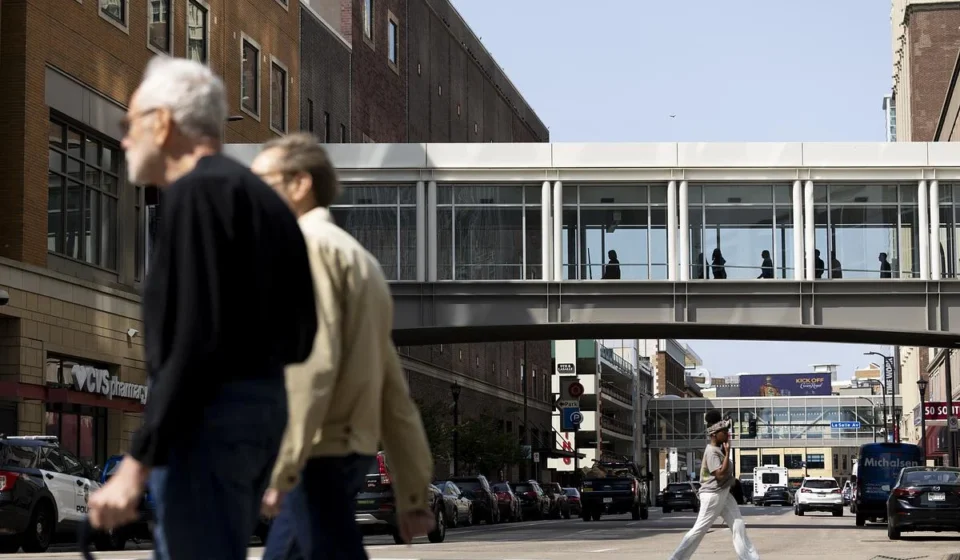
Following the onset of the COVID-19 pandemic in March 2020, Minneapolis, like most major American metros, saw an immediate and total exodus from its office towers. The skyway system—the city’s famous 9.5-mile network of enclosed pedestrian footbridges—became eerily silent. Attorney Jenny Lissarrague, who has worked downtown since 2012, recalls this period as one of profound isolation. "I came down here during some of those high pandemic years, and it was a ghost town," she said. During this time, Minnesota’s share of remote workers peaked at 21%, significantly higher than the national average of 17.9%.
2022–2023: The Hesitant Return
By 2022, the share of remote workers in Minnesota began to dip to 16.9% as some firms experimented with hybrid models. However, Minneapolis was notably slower than some of its Midwestern peers to enforce strict return-to-office (RTO) mandates. While cities like Chicago and Indianapolis saw quicker returns to their central districts, Minneapolis remained in a state of flux, with many employees continuing to prefer the flexibility of home offices.
June 2024: The Public Sector Lead
A major turning point occurred in the summer of 2024. Effective June 1, Minnesota state government employees were required to spend 50% of their workdays in the office. This move was met with significant resistance, including threats of strikes and labor disputes, highlighting the growing tension between institutional desires for collaboration and worker demands for autonomy. Despite the friction, the influx of thousands of state workers provided the first major boost to downtown foot traffic in years.
September 2025: The Target Mandate
The most recent and perhaps most impactful milestone arrived on September 2, 2025. Target’s decision to bring its commercial unit back for three days a week served as a signal to the rest of the private sector. It marked the transition from "optional hybridity" to "structured presence," sparking the current "back-to-school" energy described by local workers and business owners.

Supporting Data: The Economics of the In-Person Workday
The revitalization of Minneapolis is supported by a series of data points that illustrate the shifting landscape of the Ninth Federal Reserve District.
Employment Density and Market Influence
Target’s influence cannot be overstated. As a Fortune 500 powerhouse, its footprint dictates the health of local service industries. Of the top 15 downtown employers—a list that includes Wells Fargo, Ameriprise Financial, and U.S. Bank—12 have now instituted formal back-to-office policies. This collective shift has pushed the city toward a critical mass of foot traffic necessary to sustain small businesses.
The Transit and Traffic Shift
However, the data also reveals structural challenges. The "rush hour" of 2025 looks vastly different from that of 2019. Kittie Fahey notes that traffic hours are now more spread out. Because many hybrid policies allow for flexible start times, the traditional 8:00 AM peak has flattened. Many workers now commute into the city around noon or mid-morning, which complicates transit planning.
Furthermore, the decrease in daily commuters over the last five years led to a reduction in bus routes. For professionals like Lissarrague, this has created a logistical hurdle. The reduction in transit frequency makes the "last mile" of the commute more difficult, potentially disincentivizing those who are not strictly required to be in the office.
The Remote Work Legacy
Data from the Federal Reserve Bank of Minneapolis indicates that while Minnesota is "catching up" in terms of RTO, the legacy of remote work remains. The transition from 21% remote in 2021 to the current 75% in-person occupancy suggests that roughly 25% of the pre-pandemic office population may never return to a traditional five-day-a-week schedule. This permanent shift necessitates a reimagining of downtown space from purely commercial to more mixed-use residential.
Official Responses: Collaboration vs. Resistance
The return to the office has elicited a spectrum of responses from stakeholders, ranging from enthusiastic support to pragmatic resignation.
The Corporate and Civic Perspective
From the perspective of the Minneapolis Downtown Council, the return is an unalloyed positive. Kittie Fahey emphasizes the "soft" benefits of in-person work that are difficult to quantify but essential for a city’s health. "Go out for lunch, stay after and go meet friends, go do some things," Fahey urged, advocating for a holistic engagement with the city’s resources.
Similarly, employees in creative sectors have noted the benefits of proximity. Madelyn Dunn-Lammert, an associate designer for Target who had worked primarily remotely for three years, admitted that the transition has facilitated better team connections. For creative fields, the ability to "work through a project in-person" often yields results that are difficult to replicate over a Zoom call.

The Labor Perspective
Conversely, the transition has not been without its detractors. The resistance seen among state workers in 2024 remains a factor in the private sector. Many employees cite the loss of work-life balance, the cost of commuting, and the perceived lack of necessity for in-person presence for certain tasks. While Target’s mandate has been implemented, the underlying tension between management and staff regarding "flexibility" remains a key narrative in the Minneapolis labor market.
Implications: The Challenge of the "After-Hours" Economy
While the daytime "vibrancy" is returning, the future of downtown Minneapolis hinges on whether it can move beyond being a mere 9-to-5 destination. The implications of the current RTO trend suggest several hurdles for the city’s long-term evolution.
The Closing Time Crisis
One of the most significant barriers to a full recovery is the "early-to-bed" nature of the current CBD. Fahey points out a stark difference between the pre-pandemic era and today: the availability of late-night dining and entertainment. "You’d be hard-pressed to find, in the central business district, a restaurant open until 11 PM," she noted. "That’s crazy different than pre-pandemic."
If restaurants and bars continue to close early due to staffing shortages or perceived lack of demand, the "stickiness" of the city—the ability to keep workers downtown after they clock out—remains low. This creates a cyclical problem: businesses don’t stay open because there are no people, and people don’t stay because nothing is open.
The Residential Factor
The city is increasingly looking toward its 60,000 downtown residents to bridge this gap. For Minneapolis to thrive, it must transition from a "Commuter City" to a "Living City." The hope is that the influx of 75% of the workforce will provide the necessary revenue for businesses to extend their hours, which in turn will benefit the residents who live there year-round.
A Trending Optimism
Despite the hurdles of transit adjustments and early closing times, the prevailing sentiment among those on the ground is one of cautious optimism. The "slammed" Monday mornings at Corner Coffee are more than just a logistical challenge for Mia Pariseau; they are a heartbeat.
As the city adjusts to the "new normal" of 2025, the return of major employers like Target serves as the cornerstone of a broader urban reconstruction. The "ghost town" era has ended, replaced by a city that is learning to navigate a hybrid future. In the words of Pariseau, as she prepares for the next wave of the morning rush: "The future is bright."