


















































The Anchor in the Storm: Why Rudy Gobert is the Timberwolves’ Most Indispensable Asset for 2026-27

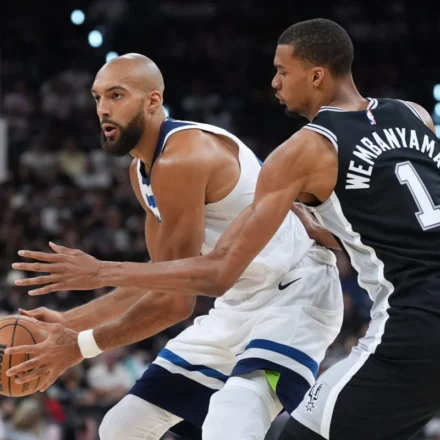
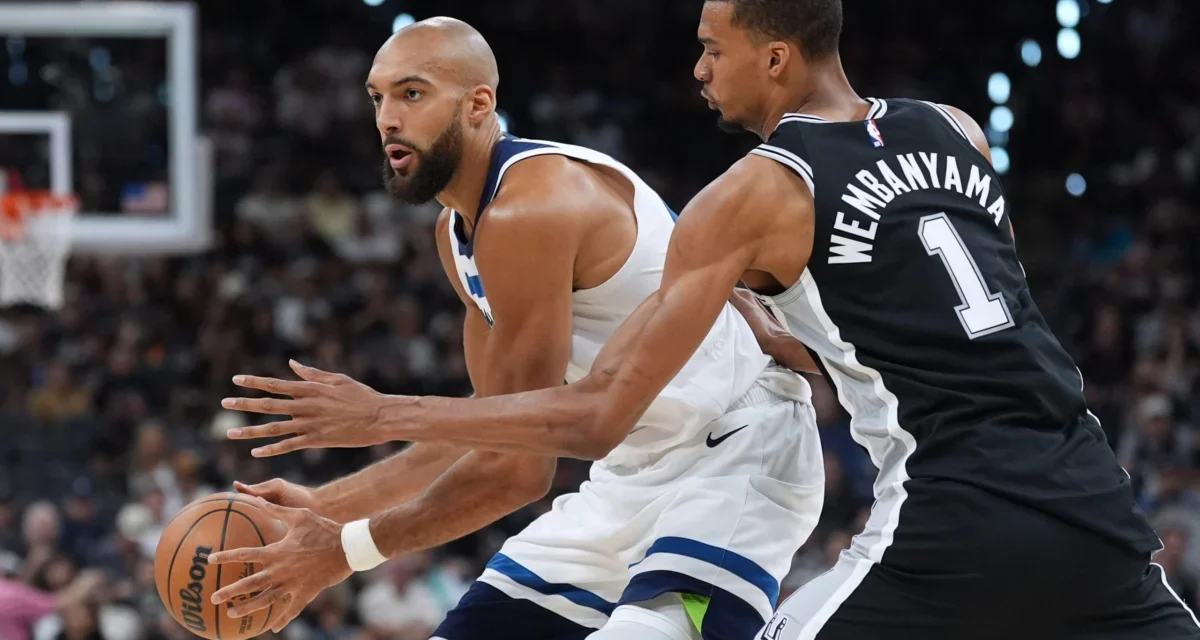
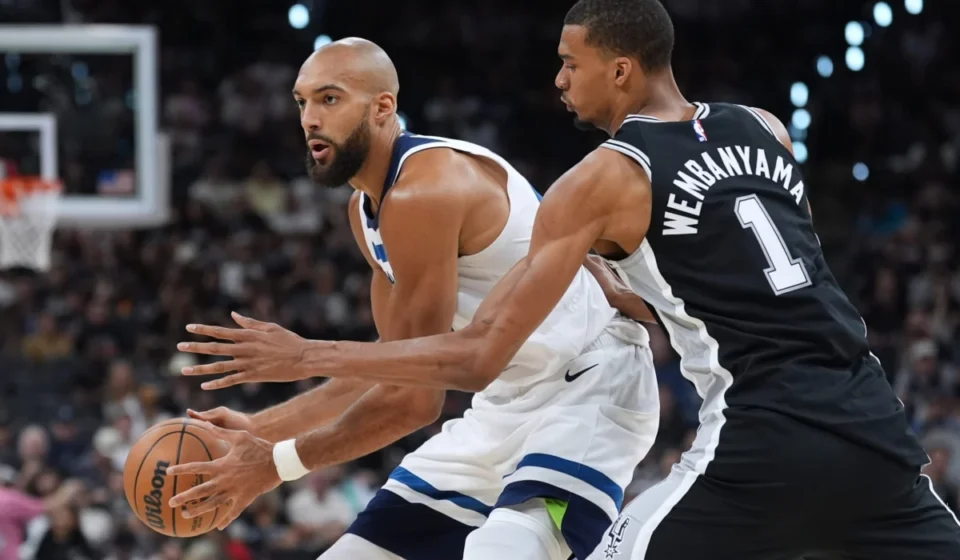
As the Minnesota Timberwolves concluded their first official practice of the 2026-27 NBA season last month, the visual contrast on the court was impossible to ignore. Standing amidst a roster where a dozen players have yet to celebrate their 27th birthdays, 34-year-old center Rudy Gobert looked like an elder statesman—or, as head coach Chris Finch joked, a "Russian gangster," owing to his newly shaved head and dark, groomed goatee.
When asked about the generational gap, Gobert offered a bemused smile. "It is interesting," he replied. "But I feel wise and fresh at the same time. It is a good place to be."
As the team navigates the final days of the preseason, that "wise and fresh" state of being has moved from a personal sentiment to a structural necessity. With the regular season just a week away, it has become increasingly clear that the sustained health, defensive savvy, and stoic leadership of Rudy Gobert will serve as the primary barometer for how this high-octane, revamped Timberwolves squad fares in a crowded Western Conference.
The Cost of Ambition: The LaMelo Ball Trade and Roster Reshaping
The 2026-27 Timberwolves are defined by their pursuit of offensive brilliance. The headline of their offseason was the high-profile acquisition of LaMelo Ball, a creative virtuoso whose playmaking is expected to unlock new levels of production for superstar Anthony Edwards. By adding a dynamic engine to their backcourt, the Wolves are betting on a future of high-efficiency, aesthetically pleasing basketball.
However, championship-caliber moves rarely come without a price. To clear the necessary salary-cap space to bring Ball into the fold, the Timberwolves’ front office had to execute a series of difficult maneuvers. They parted ways with veteran Julius Randle, receiving negligible assets in return, and ultimately packaged fan-favorite Naz Reid with draft capital to satisfy the Charlotte Hornets.
The departure of both Randle and Reid is a seismic shift for the frontcourt. Over the past two seasons, the duo functioned as the primary insurance policy for the center position, rotating in seamlessly whenever Gobert needed a breather. Even before that era, the team leaned on the versatility of Karl-Anthony Towns to slide into the five-spot. By punting both, the Wolves have essentially stripped their depth to the studs, leaving the crucial role of backup center in the hands of 19-year-old French prospect Joan Beringer.
The Baptism of Joan Beringer: A High-Stakes Development Arc
The promotion of Joan Beringer is a gamble that rests on "towering upside." The teenager possesses the physical length, coordination, and a commendable "sacrificial thirst" for the game that scouts drool over. Yet, his profile is currently defined by a cavernous void: experience.

Beringer’s professional résumé is remarkably thin. He logged a mere 314 minutes during his rookie campaign in Minneapolis, supplemented by a scant three games with the G League’s Iowa Wolves. His backstory is equally unconventional; he did not commit to basketball until a late growth spurt at age 14 diverted his focus from soccer and judo. Before his arrival in the NBA, he had played just over 50 games in the EuroCup and the Adriatic League.
Now, he is being asked to anchor the second unit, logging 15–20 minutes a night against the world’s elite. Preseason play has provided a "milkshake of marveling" at his potential, balanced against the reality of his steep learning curve. Unlike players who rose through the traditional American amateur pipeline, Beringer lacks the ingrained "stairsteps" of competitive evolution—the slow, rhythmic ramp-up of physicality and systemic intelligence that prepares a young player for the NBA’s speed.
He can memorize the playbook, but he cannot yet instinctively master the "act-and-react" nature of professional hoops. When to leave a man to help, how to rotate in a complex defensive shell, and how to read the subtle, unwritten cues of his teammates are skills that only time can refine. He remains a "motley bag" of blossoming awareness and remedial lessons, spiced by moments of grace and youthful errors. He will not turn 20 until November.
Tactical Implications: The "Mistake Eraser" and the Non-Rudy Minutes
The concern is not merely about Beringer’s development; it is about the "non-Rudy" minutes. Last season, Coach Chris Finch prioritized keeping the team’s defensive integrity intact when Gobert sat. Even with the depth of Randle and Reid, that was a challenge. Without them, the floor drops significantly when the 34-year-old leaves the hardwood.
Finch, speaking on the Dane Moore podcast, referred to Gobert as a "mistake eraser." This is the core of the Timberwolves’ identity. Gobert’s ability to navigate the complex variables of a defensive possession—switching, staying, or bailing out a teammate who has been beaten—is the mechanism that allows the Wolves’ perimeter players to take risks.
If Beringer finds himself in foul trouble or overwhelmed by the speed of the game, the alternatives are thin. The team could turn to 31-year-old veteran Trey Lyles for "small-ball" minutes, or force Jaden McDaniels to operate as a center within a zone defense—a strategy that yielded results last year but lacks the consistency of a traditional rim protector. The front office maintains an open 15th roster spot, but if the backup situation proves to be a liability, the pressure on Gobert to maintain his career-average workload of 32.3 minutes per game becomes a potential point of failure.
Cultural Cohesion: Learning to "Speak Rudy"
The transition to a younger, more dynamic team has forced a cultural pivot. Finch has noted that the time for "keeping the diapers on" stars like Anthony Edwards and Jaden McDaniels has passed; they are now expected to be leaders.

Fortunately, the younger generation is beginning to show a fluency in "Rudy." For years, the team struggled to get players to join Gobert for his off-season training in France. This past summer, Anthony Edwards took the initiative to make that trip a reality, setting a powerful tone for the locker room. Newcomers like Ayo Dosunmu have expressed genuine appreciation for Gobert’s mentorship, particularly regarding his commitment to health, nutrition, and his willingness to share his gourmet lifestyle with teammates.
Even LaMelo Ball, a player whose style is the antithesis of the traditional "big man" game, has shown a remarkable willingness to integrate Gobert into his offensive flow. The young guard appears unfazed when an errant pass to the big man results in a turnover, choosing to continue looking for the veteran rather than abandoning the pick-and-roll.
Stoicism and the Long Game
Gobert’s resilience is rooted in his commitment to Stoicism. He is a student of Marcus Aurelius, and he views his role through the lens of self-mastery. In a league where he has faced persistent criticism—from the Olympic benching in France to being pulled in the final moments of last season’s playoff loss to the Spurs—Gobert has remained unflappable.
"I’m big on Stoicism," Gobert told reporters. "It is about finding your own type of leadership and your own purpose. Control what you can control, and what I can control is how I show up every day."
For the Minnesota Timberwolves, that "every day" commitment is the glue holding their championship ambitions together. As they embark on a season defined by youth, speed, and high-risk offensive play, the veteran center remains the constant. If the young core drifts toward the inconsistency that plagued them in previous campaigns, they will look to the man in the middle—the guy with the shaved head, the Russian-gangster goatee, and the quiet resolve to remind them of what winning actually requires.
The season will be a test of how much a team can evolve while staying anchored to its most reliable foundation. For Rudy Gobert, it is just another year of controlling what he can, and hoping the rest of the roster realizes that beneath the surface, he is the one holding the keys to their potential.