






























Music as Resistance: How The Format Turned a Reunion Into a Platform for Social Justice

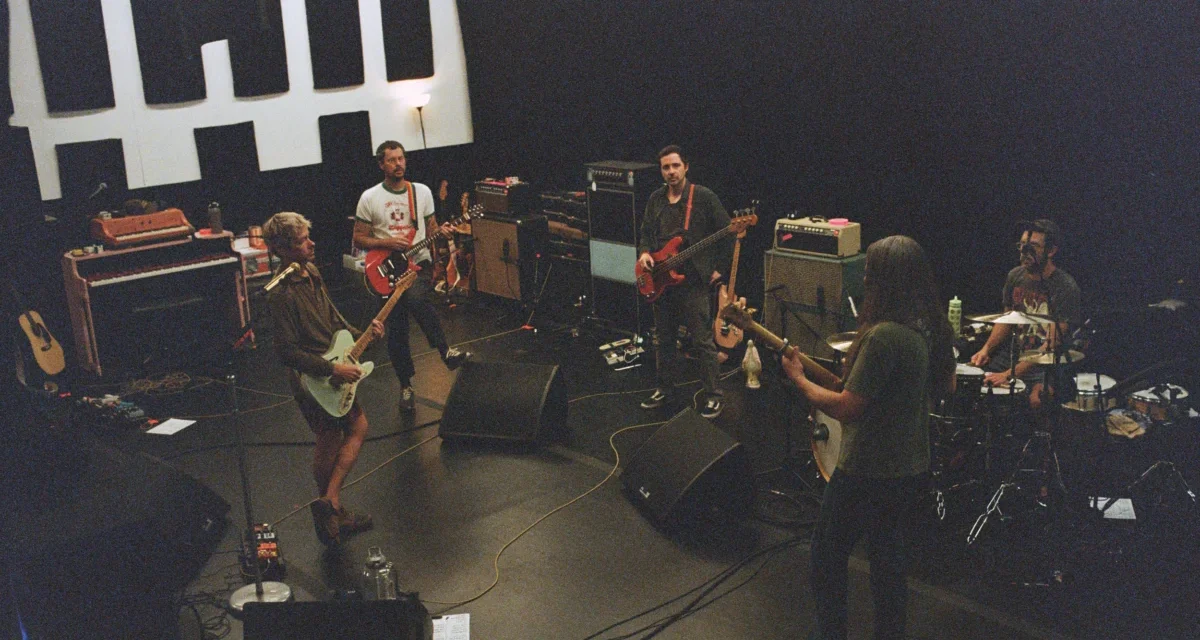
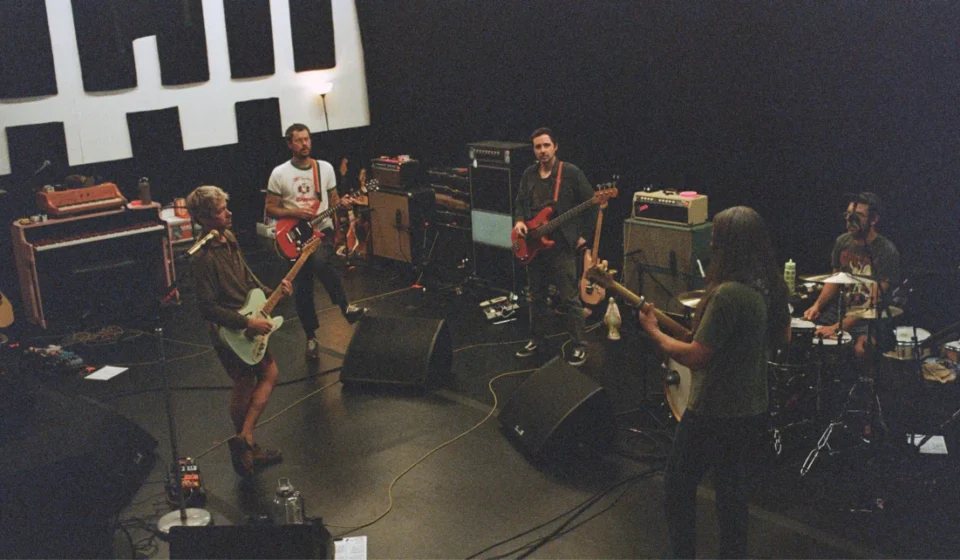
In the landscape of modern indie-rock, few reunions have been as poignant or as politically charged as that of The Format. Comprised of vocalist Nate Ruess and multi-instrumentalist Sam Means, the band—known for their cult-classic status and, in Ruess’s case, massive mainstream success with the band fun.—was poised for a triumphant return to the stage earlier this year. However, the momentum of their comeback was met with a sobering reality check that shifted their focus from commercial success to civic responsibility. Following the death of Alex Pretti, an ICU nurse killed by a U.S. Border Patrol officer in Minneapolis, the duo pivoted, choosing to use their platform to channel grief into direct, grassroots action.
A Chronology of Conscience: From Reunion to Rallying Cry
The trajectory of The Format’s recent journey began long before their 2026 tour. Friends since childhood, Ruess and Means built a devoted following in the early 2000s before parting ways in 2008. While Ruess skyrocketed to international fame, penning the Grammy-winning anthem "We Are Young," the bond between the two remained intact. A planned 2020 reunion tour was famously derailed by the onset of the COVID-19 pandemic, leaving fans and the band alike in a state of suspended animation.
When they finally regrouped to tour their new material at the beginning of 2026, the cultural climate in the United States had shifted. The killing of Alex Pretti in Minneapolis acted as a catalyst for the band. For Ruess and Means, the tragedy was not an isolated incident but a symptom of systemic failures, particularly regarding the treatment of immigrants.
"I can’t go up on stage unless we sing this," Ruess recalls of the moment the band decided to debut their protest anthem, "The Bar is Set So Low." The song, written in 2024, was never intended for their new album. It was a visceral, raw reaction to the state of human rights in America. "I’m no longer interested in celebrating," Ruess stated, explaining why the band rushed to record and release the track on Bandcamp as a non-profit initiative rather than a standard promotional single.
The Mechanics of "Saturdays in the Park"
While many artists limit their activism to social media posts, The Format chose a path of "scrappy," DIY engagement. Their "Saturdays in the Park" series was born out of a desire to provide a space for immediate, tangible organizing.
"We were moved by how many people showed up on the streets," Ruess says of the protest movements he witnessed in Minnesota. "We thought, ‘OK, well, what can we do with what we have?’"
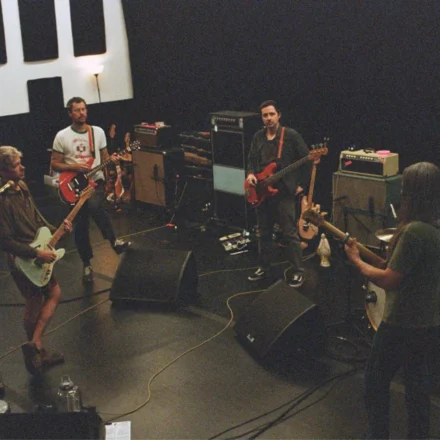
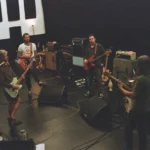
The result is a hybrid concert experience. During their tour stops, the band hosts afternoon sessions where they perform acoustic sets, interspersed with "tabling" events. These are not merely merchandise booths; they are staging grounds for local nonprofits. Representatives from organizations like the Women’s Foundation of Minnesota’s Immigrant Rapid Response Fund, the Immigrant Defense Network, Advocates for Immigrant Rights, and Latino Memphis are invited to speak directly to the audience, turning the concert venue into a hub for community sign-ups and education.
Sam Means, who has been instrumental in the logistical execution of these events, describes the experience as overwhelming but necessary. "We went into it with very little plan," he admits. "It was incredibly scrappy, and it was the really cool thing to see just how people immediately sprung to action to help us."
Supporting Data: Where the Proceeds Go
The band’s commitment to the cause is not merely performative; it is backed by a structured financial funnel. All proceeds from "The Bar is Set So Low" and a specifically designed long-sleeved T-shirt are directed entirely to four key organizations:

- Women’s Foundation of Minnesota (Immigrant Rapid Response Fund): Provides critical, immediate support to immigrant families facing legal or economic crises.
- Immigrant Defense Network: A legal advocacy group focused on protecting the rights of individuals navigating the complex and often punitive immigration system.
- Advocates for Immigrant Rights: A nonprofit dedicated to ensuring legal representation and systemic policy reform for immigrant populations.
- Latino Memphis: An organization focused on improving the quality of life for the Latino community through health, education, and legal services.
By choosing these specific entities, The Format has ensured that the "direct action" they call for in their music is supported by the infrastructure of established, effective advocacy groups.
The Influence of Dissent: Rage Against the Machine and the Moral Compass
When asked about their influences, Ruess is quick to cite the political potency of Rage Against the Machine. He notes that the frustration and energy of music from 25 years ago remains painfully relevant today. "They’ve helped shape who I am, morally speaking," Ruess explains. "We’re by no means an overtly political band, but we have something to give."
This admission highlights a shift in the modern rock paradigm. Where "political bands" were once viewed as a specific genre, artists like Ruess and Means are demonstrating that political engagement can—and perhaps should—be a component of any artist’s professional identity, regardless of their sound. The duo’s approach is not to preach, but to provide a platform for those who are already doing the work on the ground.
Implications: The Future of the "Killer Ballad"
Beyond the politics, there is the music itself. Ruess, a seasoned veteran of the pop-ballad format, remains deeply analytical about the craft. In discussing what makes a song "catchy," he points to the structural genius of the 1980s. He highlights Eric Carmen’s "Lose Control" as a masterclass in songwriting, emphasizing the necessity of a "big" chorus that ramps up the emotional stakes.
However, the implications of this approach go deeper than musical theory. By pairing a highly infectious, radio-ready ballad with a message of severe systemic injustice, The Format is engaging in a form of "Trojan Horse" activism. The song’s accessibility ensures the message reaches a broader audience, while its lyrical content—"The bar is set so low, I’m caught under it"—demands that the listener confront the uncomfortable reality of the American immigration crisis.
Looking Ahead: The Minneapolis Residency
The band’s upcoming appearance in Minneapolis serves as the current focal point of their movement. On September 19, they will perform their "Saturdays in the Park" set at First Avenue, a venue steeped in musical history. While the show is free, it is part of a larger, two-day residency that includes ticketed performances.
For fans of The Format, the experience offers a dual reality: the joy of hearing songs that defined their youth, and the gravity of the social causes the band is now championing. It is a balancing act that Ruess and Means seem comfortable with, maintaining a "soapbox vibe" while ensuring that the music never loses its cathartic, soaring quality.
As the band continues their tour, the success of their model remains to be seen. However, they have already achieved something significant: they have proven that a band’s comeback can be more than a nostalgia trip. By aligning their creative output with the urgent needs of the communities they visit, The Format has transformed their reunion into a sustainable model for artist-led activism. Whether through a button-maker at a merch table or a power-ballad about the failures of immigration policy, they are showing that even in an industry obsessed with charts and streams, there is still room for the artist to act as a catalyst for real-world change.