






















































In the landscape of modern hospitality, the concept of a "family-only" resort is a bold, almost counterintuitive marketing maneuver. While most global luxury brands strive to capture the widest possible demographic—from honeymooners and digital nomads to retirees—the Cavallino Bianco brand has carved out a unique, high-barrier niche: you cannot check in unless you are traveling as a family unit.
Recently, I found myself in the surreal position of being the only solo traveler at the Cavallino Bianco Caorle, located on the sun-drenched Adriatic coast, roughly an hour from Venice Marco Polo Airport. As a hosted guest, my presence was an anomaly, providing a unique vantage point into how a resort designed for the chaotic joy of child-rearing functions when the noise floor is lowered and the focus shifts to the intricate balance of “me time,” “we time,” and “family time.”
Main Facts: A Boutique Feel on a Grand Scale
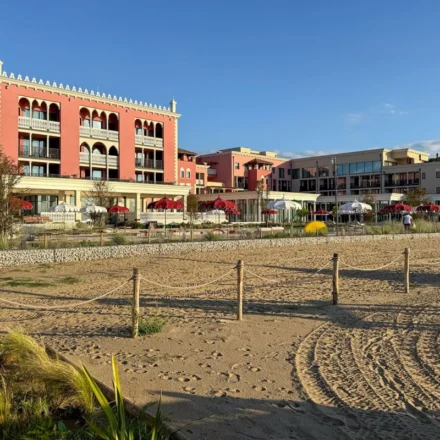
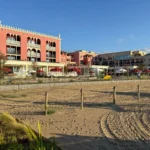
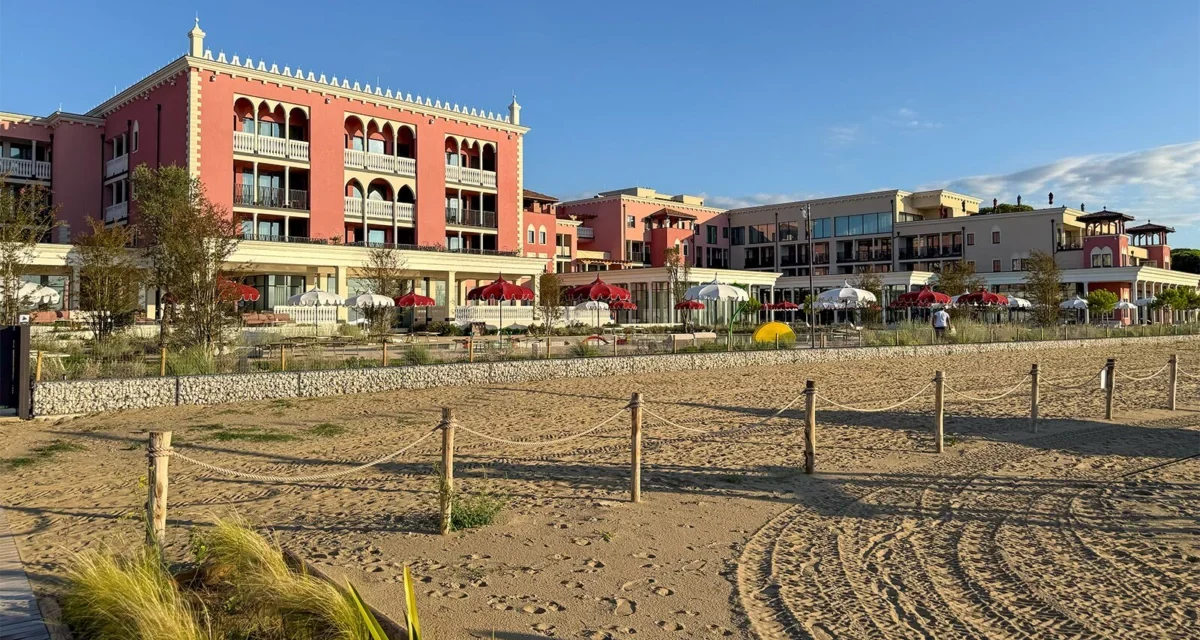
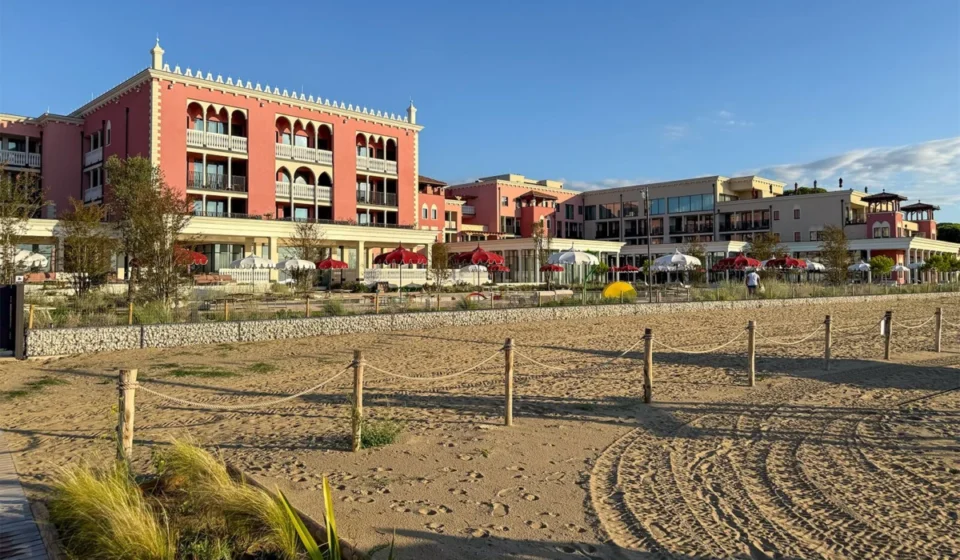
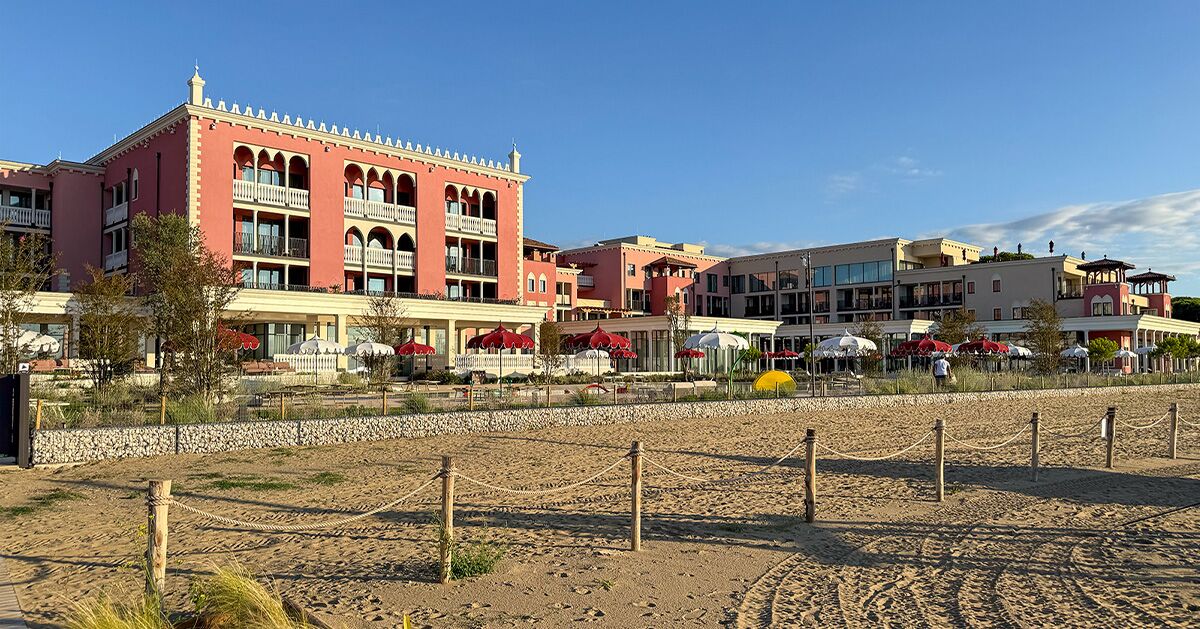
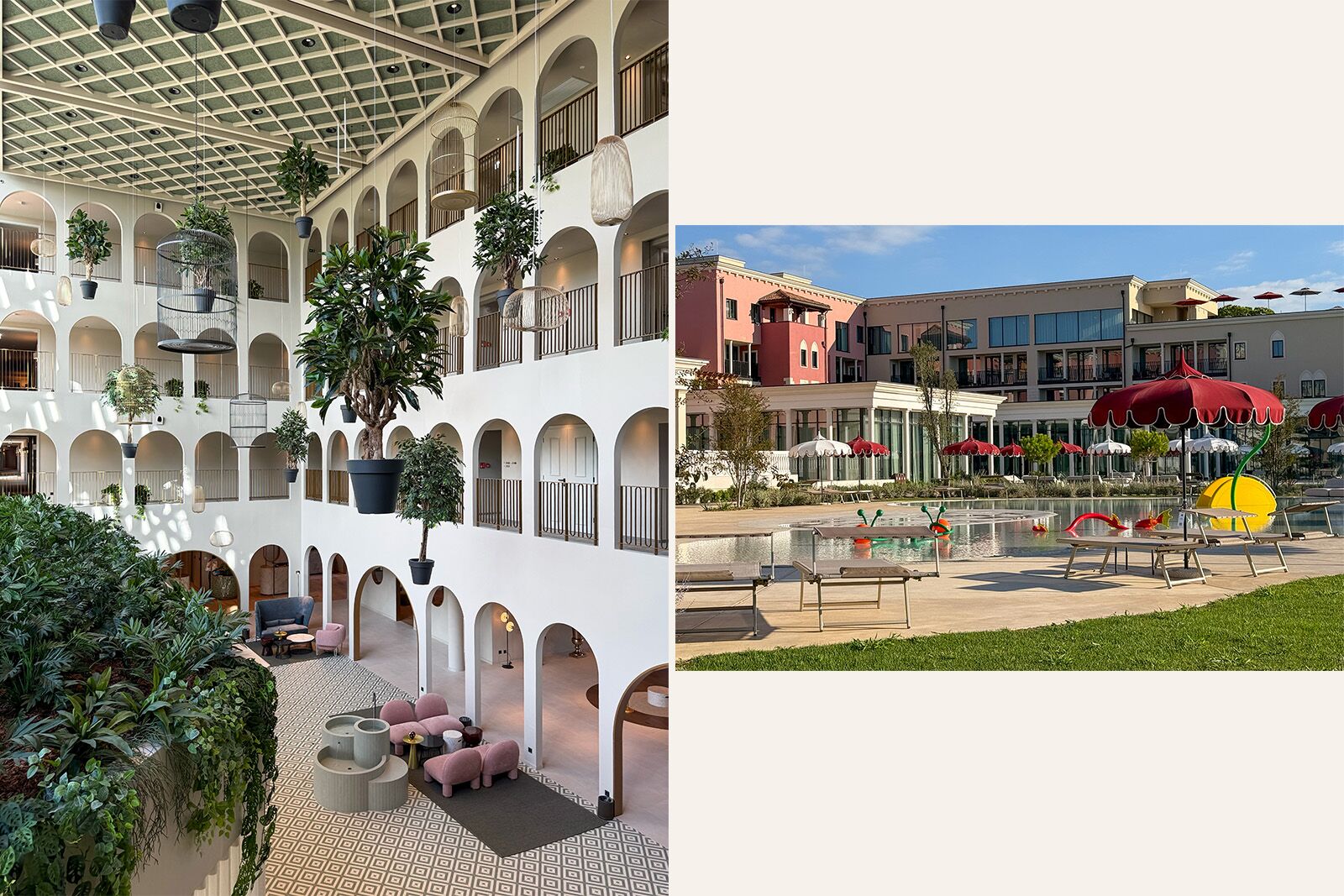
The Cavallino Bianco Caorle is an architectural statement. The exterior is a striking, whimsical pink—reminiscent of an oversized, upscale dollhouse—anchored by the presence of Lino, the resort’s ubiquitous mouse mascot. Despite a capacity of roughly 400 guests, the property manages to defy the cavernous, impersonal atmosphere often associated with large-scale resorts.
My arrival set the tone for the experience. After a jet-lagged drive through the pastoral landscape of fields and boutique wineries, I was greeted by a staff that operates with a familial warmth. A wall near the reception area displays photos of every team member, grouped by department, under a motto that serves as the resort’s North Star: “Ladies and gentlemen serving ladies and gentlemen.” It is this commitment to personal recognition that bridges the gap between a large hotel and an intimate retreat.
Chronology: From Arrival to Exploration
The experience of the resort is structured around the seamless transition between activity and rest. Upon arrival, despite missing the standard lunch window, the restaurant staff immediately pivoted to accommodate me, preparing a meal with the genuine care one might expect from a relative rather than hotel service.
Following a brief period of decompression in one of the resort’s expansive, shaded beach cabanas, I began to observe the rhythms of the property. The days at Cavallino Bianco are marked by a deliberate cadence. Morning hours are often reserved for quiet, with the Adriatic coastline providing a serene backdrop for sunrise walks. By mid-day, the resort’s infrastructure—a 43,000-square-foot spa, an array of heated pools, and a dedicated kids’ club known as Lino Land—comes to life.
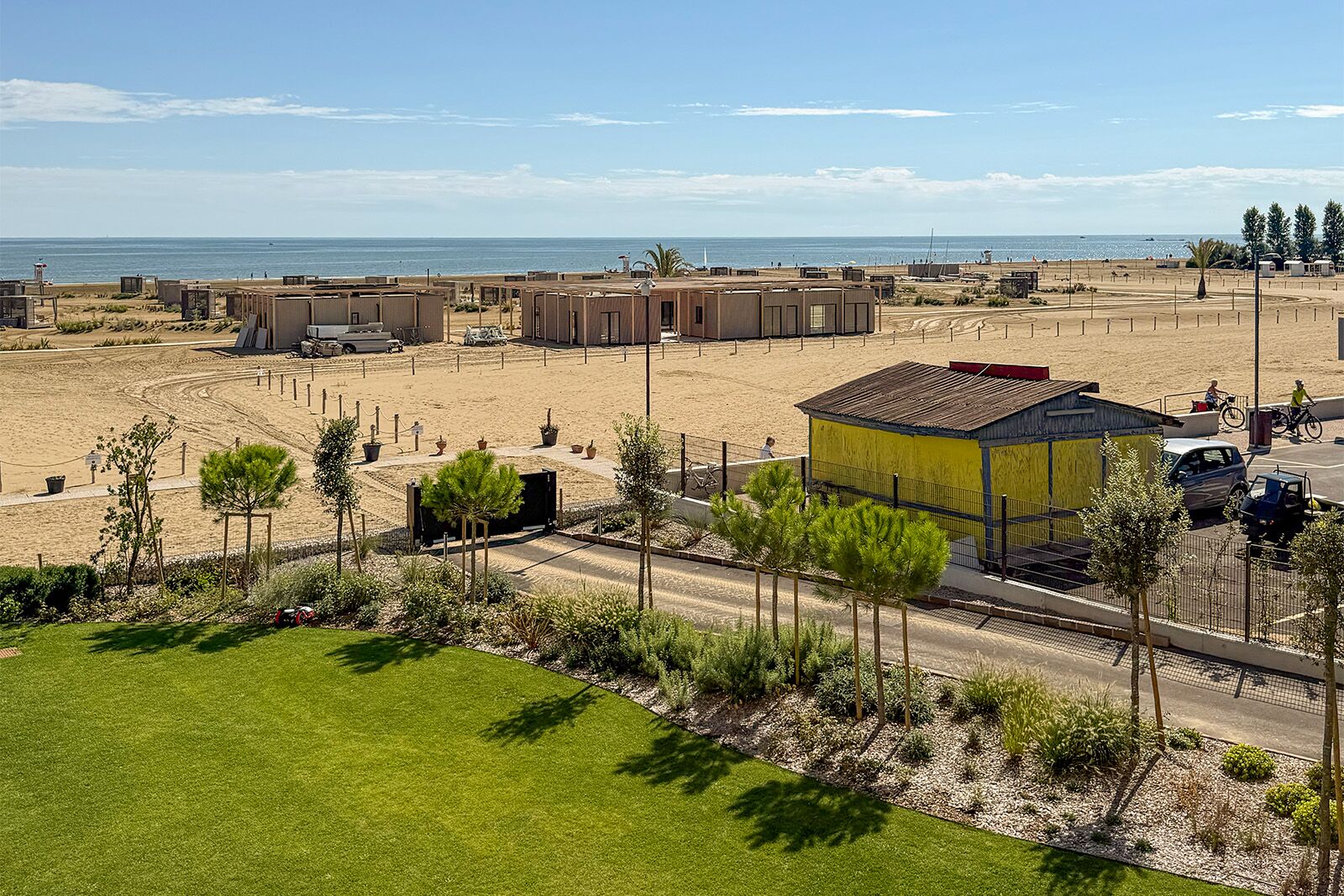
My exploration culminated in a mid-stay excursion into the town of Caorle. Borrowing one of the resort’s bicycles, I traversed the six-minute route into what the locals affectionately call “Venice’s little sister.” The town, defined by its colorful houses, winding canals, and historic reed huts, offers a necessary contrast to the curated experience of the resort, providing guests with a tangible connection to the Venetian lagoon culture.
Supporting Data: The Architecture of Balance
The operational philosophy at Cavallino Bianco is rooted in two decades of experience, pioneered at their sister property in the Dolomites. General Manager Gianluca Innocenti notes that the resort is essentially a machine designed to categorize time. Everything is filtered into four buckets:
- Time for yourself
- Time as a couple
- Time for the kids
- Time for the family
This is not merely marketing jargon; it is reflected in the physical design. The "All-In Formula" ensures that parents are not constantly reaching for their wallets, which mitigates the friction of vacationing. The resort app and in-elevator schedules provide a real-time roadmap for where each family member should be.
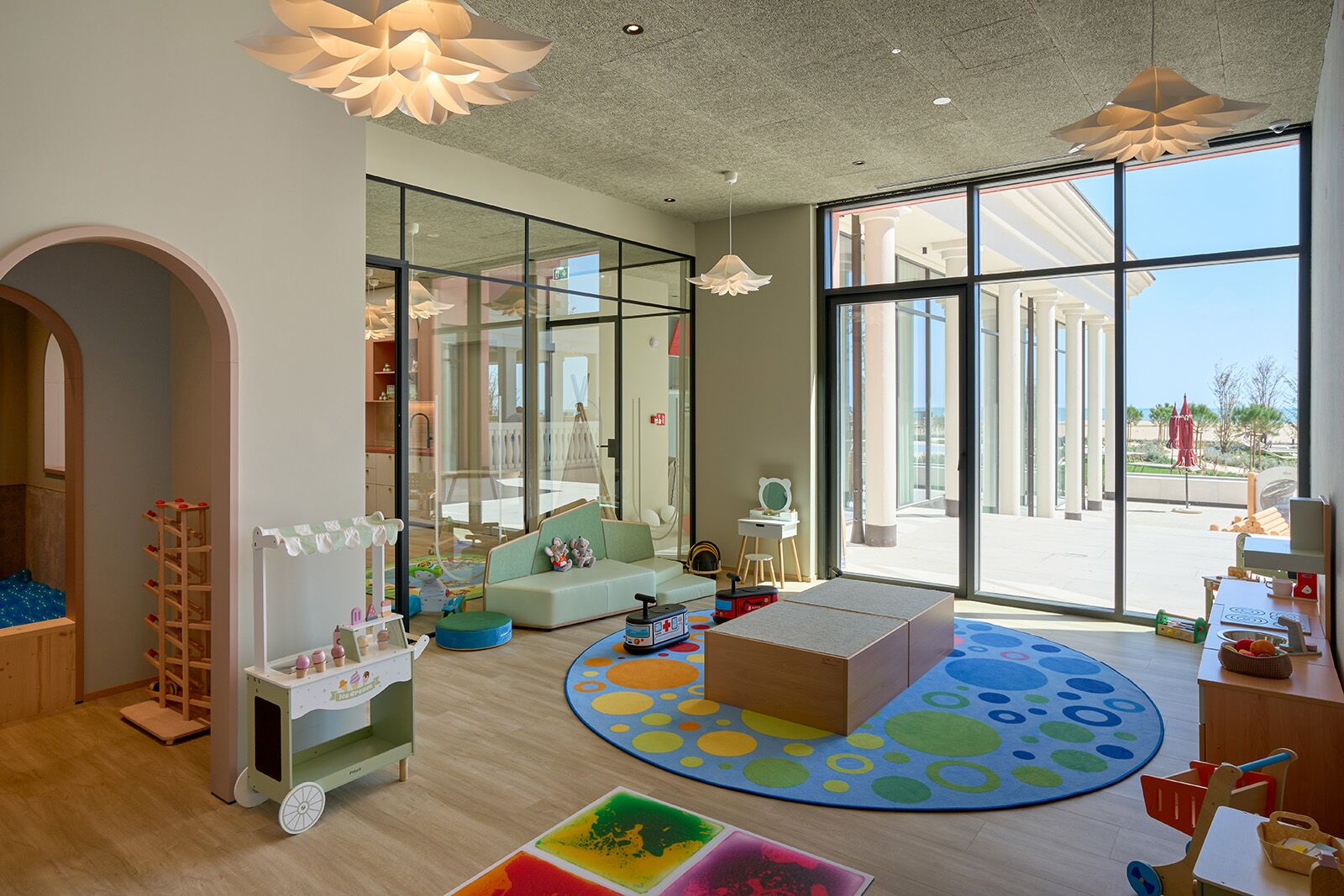
For children, the infrastructure is staggering. Lino Land is stratified into five age-specific cohorts, ranging from infants to teenagers. While the youngest are sheltered in specialized play and nap zones, teenagers are granted the autonomy to engage with high-tech amenities like the iWall—a virtual gaming interface that utilizes body movement as a controller—and supervised science or cooking workshops.
The spa, Lea’s Beauty & Spa, is similarly bifurcated. While the upper floor is an adults-only sanctuary featuring a Finnish sauna, a Turkish bath, and the sea-facing Cielo infinity pool, there is a parallel track for children. The “BelLino” skincare line offers a gentle, age-appropriate introduction to wellness, ensuring that the younger guests are not merely spectators to their parents’ relaxation but active participants in the experience.
Official Responses: The Philosophy of the “Family-Only” Policy
During our site tour, Gianluca Innocenti articulated the rationale behind the strict guest policy. "The goal," he explained, "is to create a space where the anxieties of modern parenting are removed." By ensuring that every guest is a family, the resort eliminates the social tension that often arises in mixed-use hotels—the fear that a child’s tantrum is bothering a business traveler, or that an adult’s late-night socializing is disturbing a family.
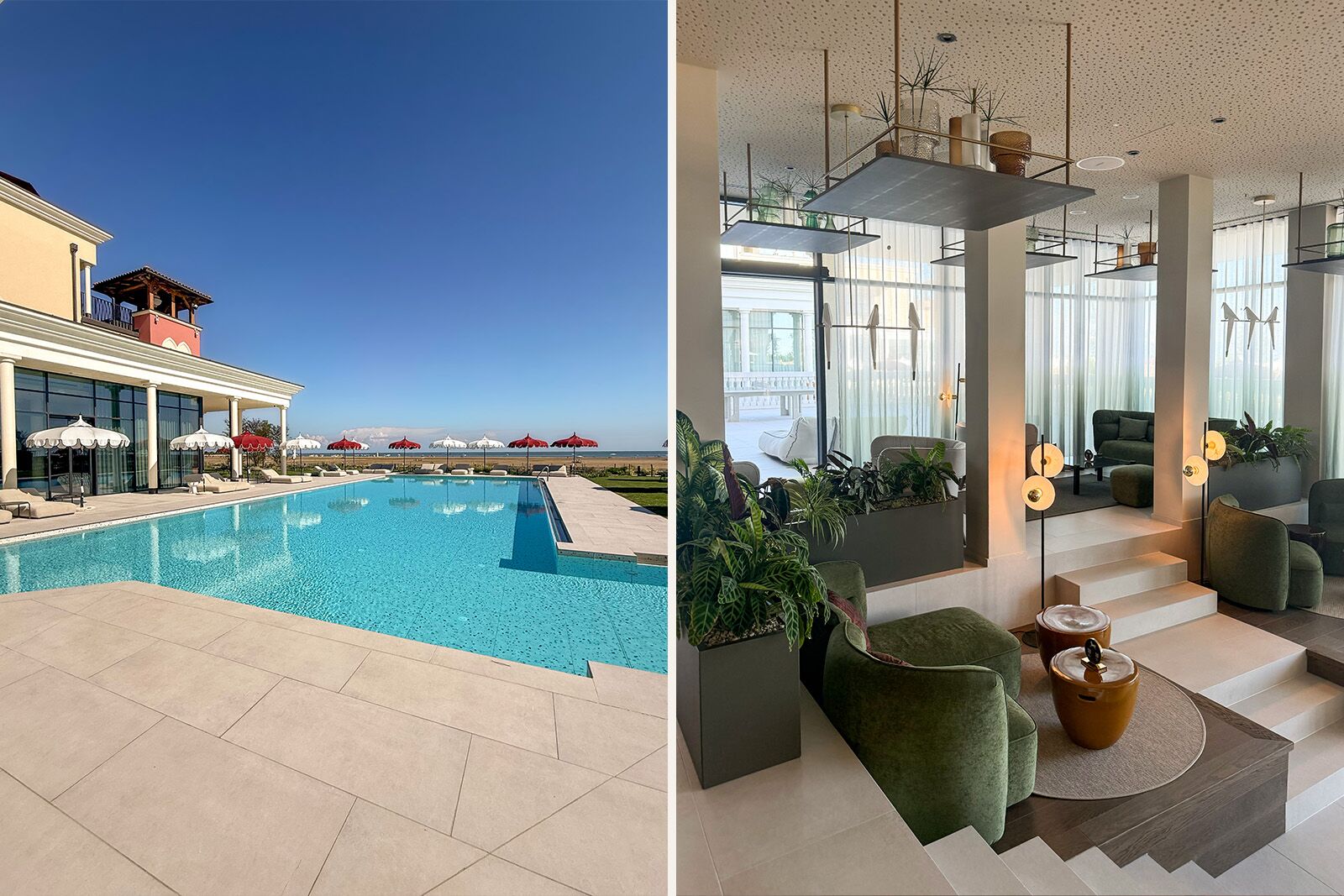
This "uniformity of purpose" allows the staff to anticipate needs with clinical precision. Whether it is the bottle warmers and puree pouches in the dedicated baby kitchen or the high-gate security systems that prevent children from wandering onto the beach unaccompanied, the policy is not meant to be exclusionary, but protective. It creates a "safe harbor" environment where, for a week or two, parents can stop being on high alert.
Implications: The Future of Niche Hospitality
My time at the Cavallino Bianco Caorle raised an interesting question: Is this the future of luxury travel? As the world becomes increasingly fragmented and over-stimulated, the desire for "curated comfort" is rising.
The implications for the industry are significant. By narrowing the target audience, the resort achieves a higher level of guest satisfaction. When everyone in the hotel is there for the same reason, the service standards become specialized. The staff isn’t just serving guests; they are managing a collective experience.
However, the model requires a massive investment in infrastructure. One cannot simply brand a hotel as "family-only" without the physical footprint to support it. The existence of separate dining venues—the Venetian-piazza-inspired family restaurant and the supervised children’s dining hall—is essential to the resort’s success. The upcoming addition of an adults-only restaurant in the next year suggests that the brand is continuing to double down on the "time for yourself" pillar, recognizing that even parents who love their children dearly crave the intellectual stimulation of an adult-only environment.
Final Reflections
As a solo traveler, I was a guest of curiosity in a world of family dynamics. Yet, I never felt out of place. The staff’s ability to recognize the individual—even when that individual didn’t fit the standard family profile—speaks to a culture of hospitality that is rare in the age of automated check-ins and mass tourism.
The Cavallino Bianco Caorle succeeds because it understands that a vacation is not just about the destination; it is about the removal of friction. Whether it is the wristband that acts as a room key, credit card, and security gate opener, or the daily four-course dinner that shifts from "land" to "sea" based on the chef’s daily inspiration, the resort is designed to let families stop managing their lives and start living them. For those who can navigate the entry requirements, it offers a glimpse into a perfectly engineered, pink-towered utopia where the only thing you have to manage is your own schedule.