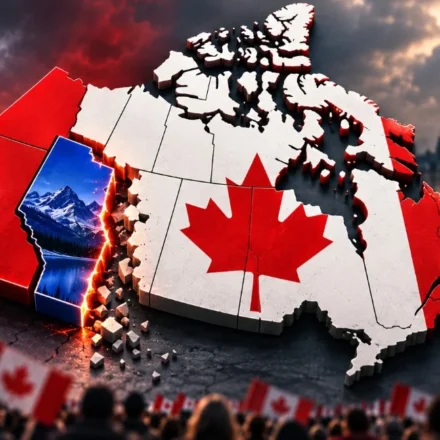











































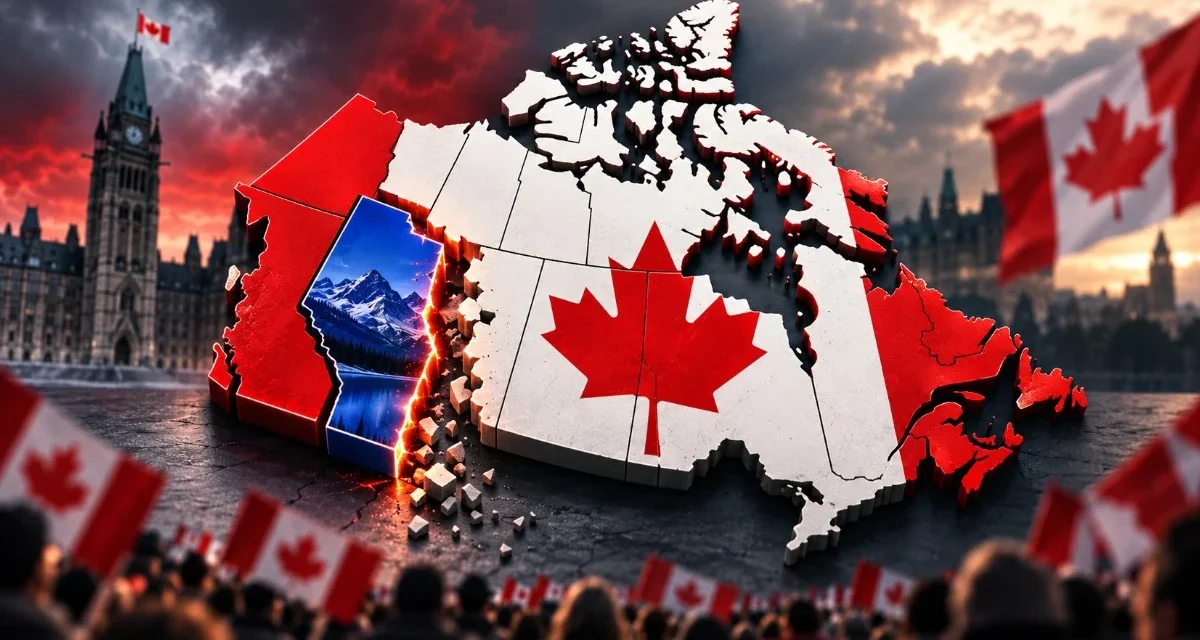






CALGARY, Alberta — On October 19, 2026, citizens across Alberta cast their ballots in a unprecedented referendum addressing the province’s future within the Canadian Confederation.
While public opinion polls suggest the proposal to begin formal separation proceedings will be soundly defeated, the vote marks a historic milestone for Western Canadian sovereignism. A political concept once relegated to the fringes has now commanded a province-wide ballot, driving record-breaking voter engagement and signaling that Western alienation remains a defining force in national politics.
1. Main Facts: The Vote and Its Core Paradox
At issue on October 19 is not an immediate, unilateral declaration of independence, but rather a mandate to initiate the constitutional mechanisms required for a future binding vote on secession. Despite intense debate and aggressive campaigning from independence advocates, public opinion data overwhelmingly indicates that Albertans intend to remain within Canada.
                    ALBERTA REFERENDUM POLL AT A GLANCE
┌──────────────────────────────────────┬─────────┬─────────┬───────────┐
│ Survey / Metric                      │ Remain  │ Process │ Undecided │
├──────────────────────────────────────┼─────────┼─────────┼───────────┤
│ Ipsos Survey (Oct 13–16, 2026)       │   70%   │   23%   │    7%     │
│ Angus Reid Institute (Oct 13–15)     │   66%   │   34%   │    —      │
└──────────────────────────────────────┴─────────┴─────────┴───────────┘
The fundamental paradox of the 2026 referendum lies in the contrast between high voter participation and low support for actual separation:
- Decisive Polling Margins: The latest Ipsos survey shows 70% of Albertans favor remaining in Canada, compared to 23% who support initiating separation, and 7% who remain undecided.
- Protest Vote vs. True Secession: Data from the Angus Reid Institute reveals that among the minority voting to start separation proceedings, a 60% majority view their vote primarily as a strategic leverage tool to send a message to the federal government in Ottawa, rather than a genuine drive to create a new sovereign state.
- Unprecedented Early Turnout: Elections Alberta confirmed that more than 1.35 million citizens—representing 43.1% of all eligible voters—cast their ballots prior to election day through advance polls and special ballots.
While the separatist proposition faces an uphill battle at the ballot box, movement organizers contend that securing a province-wide platform represents a tactical victory in itself.
2. Chronology: The Evolution of Western Sovereignism
The path to the 2026 referendum stems from decades of economic grievances, evolving political coalitions, and pandemic-era polarization.
CHRONOLOGY OF ALBERTA SOVEREIGNISM
│
├── 1970s–1980s: National Energy Program sparks initial "Western Alienation."
├── 2015–2019:   Pipeline disputes and federal carbon pricing reignite regional friction.
├── 2020–2022:   COVID-19 health mandates mobilize grassroots activist networks.
├── Oct 2022:    Danielle Smith wins UCP leadership; passes Alberta Sovereignty Act.
├── May 2026:    Provincial government formally frames the Referendum Question.
└── Oct 19, 2026: Historic vote held across Alberta.
Historical Roots of Alienation (1970s–2010s)
Friction between Edmonton and Ottawa has deep structural roots in energy production and constitutional jurisdiction:
- The National Energy Program (1980): The imposition of federal price controls and energy taxes established a enduring narrative that Ottawa exploited Alberta’s natural resources to benefit eastern electorates.
- Equalization and Regulation: Decades of fiscal policy debates—specifically around Canada’s equalization program—fed perceptions that Alberta contributed far more to federal coffers than it received in influence or infrastructure approval.
- Pipeline Stalemates (2010s): Regulatory delays and political opposition to major cross-border and interprovincial energy pipelines reinforced claims that federal policy hindered the province’s economic potential.
The Pandemic Inflection Point (2020–2022)
The modern separatist movement expanded significantly during the COVID-19 pandemic:
- Grassroots Mobilization: Public opposition to federal and provincial health restrictions brought together diverse activist networks.
- Institutional Pivot: Groups initially formed to oppose health mandates gradually expanded their focus to broader constitutional issues, advocating for institutional sovereignty, fiscal autonomy, and local control over policing and taxation.
Political Institutionalization (2022–2026)
Following the resignation of Premier Jason Kenney in 2022, the sovereignist wing of the United Conservative Party (UCP) exerted growing political influence:
- Ascendancy of Danielle Smith: Running on a platform prioritizing provincial rights, Smith secured the UCP leadership and subsequently passed the Alberta Sovereignty Within a United Canada Act.
- Referendum Authorization: To manage internal party pressures and address long-standing demands from her base, Premier Smith’s government established the framework for a direct public vote on the constitutional process in mid-2026.
3. Supporting Data: Polling Splits and Voter Turnout
Data collected in the days leading up to the October 19 vote highlights the demographic, geographic, and strategic nuances driving the electorate.
Comprehensive Polling Breakdown
Ipsos Survey (Conducted October 13–16, 2026)
- Sample Size: 801 Alberta adults.
- Margin of Error: ±3.9 percentage points, 19 times out of 20.
Ipsos Referendum Voting Intentions:
│
├── Remain in Canada:             [70%] ████████████████████████████████████████
├── Begin Separation Process:     [23%] ███████████▌
└── Undecided / Not Voting:       [7%]  ███▌
The survey demonstrated that support for separation remains a minority view across all major regions, though it achieved slightly higher traction in rural areas outside the major urban centers of Calgary and Edmonton.
Angus Reid Institute Survey (Conducted October 13–15, 2026)
- Sample Size: 1,010 Alberta adults.
- Core Result: 66% Remain vs. 34% Begin Process.
Motivations Among "Begin Process" Voters (Angus Reid):
│
├── Send a message to Ottawa:     [60%] █████████████████████████
├── Achieve actual independence:  [37%] ███████████████▌
└── Unsure / Other:               [3%]  █▌
Crucially, the Angus Reid survey revealed that 62% of respondents believe the independence issue will persist in provincial politics regardless of the outcome on October 19, while only 24% felt a vote to remain would permanently resolve the debate.
Voter Engagement and Early Turnout Metrics
Voter engagement metrics supplied by Elections Alberta show elevated participation compared to past general elections.
EARLY VOTER PARTICIPATION (Advance & Special Ballots)
┌─────────────────────────────┬───────────────────┬──────────────────────┐
│ Event                       │ Total Early Votes │ % Eligible Electors  │
├─────────────────────────────┼───────────────────┼──────────────────────┤
│ 2026 Referendum             │     1,356,873     │        43.1%         │
│ 2023 Provincial Election    │      753,000      │        27.5%         │
└─────────────────────────────┴───────────────────┴──────────────────────┘
Note: Total eligible electors for 2026 stood at 3,148,343. Legislative changes
to special ballot rules limit direct historical parity, but figures confirm high engagement.
4. Official Responses and Political Positions
The referendum has compelled local and national leaders to navigate complex political calculations.
POLITICAL LANDSCAPE: KEY PLAYERS & STANCES
┌───────────────────────┬──────────────────────────────┬────────────────────────────────────────┐
│ Leader / Entity       │ Role / Affiliation           │ Position / Strategy                    │
├───────────────────────┼──────────────────────────────┼────────────────────────────────────────┤
│ Danielle Smith        │ Premier of Alberta (UCP)     │ Personal "Remain"; authorized vote to  │
│                       │                              │ manage conservative coalition interests│
├───────────────────────┼──────────────────────────────┼────────────────────────────────────────┤
│ Mark Carney           │ Prime Minister of Canada     │ Firm "Remain"; campaigning on national │
│                       │                              │ unity and shared economic heritage     │
├───────────────────────┼──────────────────────────────┼────────────────────────────────────────┤
│ First Nations Leaders │ Treaty Signatories           │ Opposed; asserting sovereign treaties  │
│                       │ (Treaties 6, 7, and 8)       │ are held directly with the Crown       │
└───────────────────────┴──────────────────────────────┴────────────────────────────────────────┘
Provincial Governance: Premier Danielle Smith
Premier Danielle Smith has maintained a nuanced stance throughout the campaign:
- The Balancing Act: While her administration facilitated the public vote, Smith stated publicly that her personal preference is for Alberta to remain inside a reformed Canadian federation.
- Internal Dynamics: By allowing the vote, Smith fulfilled promises made to sovereignist factions within the United Conservative Party without officially endorsing full legal separation. Analysts note that a high vote for remaining could lower tensions within her caucus, whereas a substantial sovereignist minority may result in continued pressure on her government to confront Ottawa.
Federal Government: Prime Minister Mark Carney
Prime Minister Mark Carney focused his campaign efforts directly on Western voters:
- Personal Appeal: Carney, who spent much of his childhood in Alberta, framed the vote as a pivotal choice between national stability and legal uncertainty.
- Strategic Objective: For the federal government, securing a high margin for the "Remain" option is viewed as critical to neutralizing future sovereignist initiatives and demonstrating broad national cohesion.
Indigenous Sovereignty and Treaty Obligations
First Nations leadership across Treaties 6, 7, and 8 have expressed firm opposition to unilateral provincial constitutional movements:
- Crown-Indigenous Relationships: Chiefs and Indigenous legal experts emphasize that sacred treaty rights were negotiated directly with the British Crown and the federal government of Canada, not the provincial government of Alberta.
- Legal Roadblocks: Leaders have affirmed that any attempt to alter Alberta’s constitutional status without full, explicit consultation and consent from First Nations would face immediate legal challenges in federal courts.
5. Implications: Constitutional Realities and Long-Term Outlook
The referendum highlights both the structural barriers to legal secession and the ongoing reality of regional political friction.
    POST-REFERENDUM SCENARIOS & CHALLENGES
              │
              ├── IF "REMAIN" WINS (Expected Outcome)
              │   ├── Short-Term: Rejection of formal secession path.
              │   └── Long-Term: Persistent political push for fiscal autonomy.
              │
              └── CONSTITUTIONAL & ECONOMIC OBSTACLES (If "Process" Proceeded)
                  ├── The Clarity Act & Constitutional Negotiations
                  ├── Division of $1+ Trillion National Debt
                  ├── International Trade & Pipeline Access (U.S. Reliance)
                  └── First Nations Treaty Rights Litigation
Legal and Constitutional Hurdles
Even in the event of a victory for the "Begin Process" option, international and domestic law prevent a simple separation process:
- The Clarity Act Framework: Under Canadian constitutional law and Supreme Court precedents, any negotiation regarding separation requires a clear majority on a unambiguous question.
- Negotiation Terms: A successful vote would merely initiate complex multi-party negotiations involving Ottawa, all ten provinces, and Indigenous nations. Issues requiring resolution include division of the national debt, national defence assets, border arrangements, citizenship, and federal pension plans.
Economic and Trade Vulnerabilities
Alberta’s landlocked geography creates structural dependencies that complicate total independence:
- Energy Export Infrastructure: The province’s primary revenue engine—crude oil and natural gas—relies on pipelines crossing other Canadian provinces and international borders into the United States.
- Trade Relations: Securing independent trade terms with the U.S. would require new international treaties, leaving the province exposed to prolonged regulatory and economic uncertainty during negotiations.
The Road Ahead
Following the close of polls at 8:00 p.m. local time on October 19, Elections Alberta is scheduled to publish unofficial preliminary counts within 48 hours, with final official certification set for October 29.
Regardless of the official tallies, the 2026 referendum demonstrates that the political infrastructure of Western sovereignism has matured. Even if the majority of Albertans vote to stay in Canada, the underlying grievances regarding fiscal federalism and resource management ensure that Alberta’s relationship with Ottawa will remain a central, defining issue in Canadian politics for years to come.