

















































Backcountry touring is often romanticized through the lens of high-stakes footage: steep, wind-scoured couloirs, bottomless powder, and triumphant summit poses. However, for those who spend their winters navigating the wild, the reality is far more grounded. It is a discipline defined not by bravado, but by meticulous trip planning, constant skill progression, and the humility to walk away when the mountains dictate a retreat.
After two decades of splitboard expeditions—from the rugged, remote ranges of Kyrgyzstan and northern British Columbia to the iconic, unpredictable terrain of my home state of Colorado—I have learned that the true essence of backcountry travel lies in the process. It is found in the nights spent hunched over maps, the quiet camaraderie of a pre-dawn parking lot, and the informed decision-making that brings everyone home safely.
The Foundation: Proper Planning and Avalanche Awareness
The transition from resort riding to backcountry touring requires a paradigm shift in how you view the mountain. At a ski area, the avalanche hazard is managed by professionals; in the backcountry, you are the hazard manager.
Understanding the Risk
Avalanches are the primary threat in winter alpine environments. If your objective involves slopes steeper than 30 degrees, you are stepping into potential slide terrain. Before you even pack your board, you must consult regional avalanche forecasts. Platforms such as NWAC, CAIC, or Utah Avalanche Center provide the daily pulse of the snowpack.
The Pre-Trip Ritual
Planning should begin days in advance. Start by analyzing topographical maps—Caltopo is an industry standard for identifying slope angles and aspect-specific hazards. Identify your "Plan A" and "Plan B" routes. Being "malleable" is the mark of a veteran; weather patterns, wind-loading, and visibility can change your intended route in an instant. The night before, gather your crew. Use this time to sync on expectations, review the forecast together, and finalize logistics. A trip where everyone is on the same page is a trip that is significantly safer.
The Technical Kit: Essential Splitboarding and Mountaineering Gear
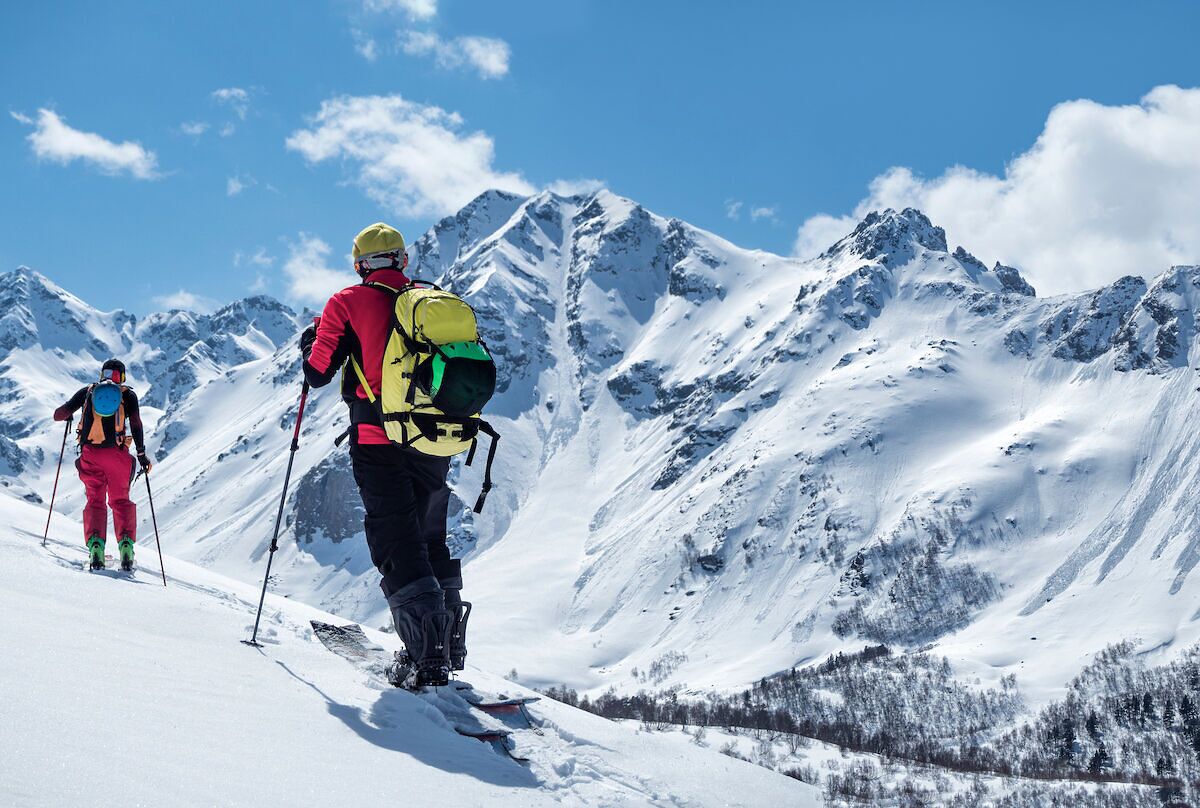
Touring on a snowboard demands a specific suite of gear designed for both efficiency and survival. Whether you are skinning up a mellow basin or approaching entry-level mountaineering objectives, your kit must be dialed.
The Touring Essentials
- Splitboard & Skins: Ensure your board is waxed, your hardware is tight, and your skins are trimmed correctly.
- Avalanche Safety Trifecta: A beacon, shovel, and probe are non-negotiable. Ensure your beacon batteries are fresh (at least 80% capacity) and that every member of the party has practiced their rescue technique.
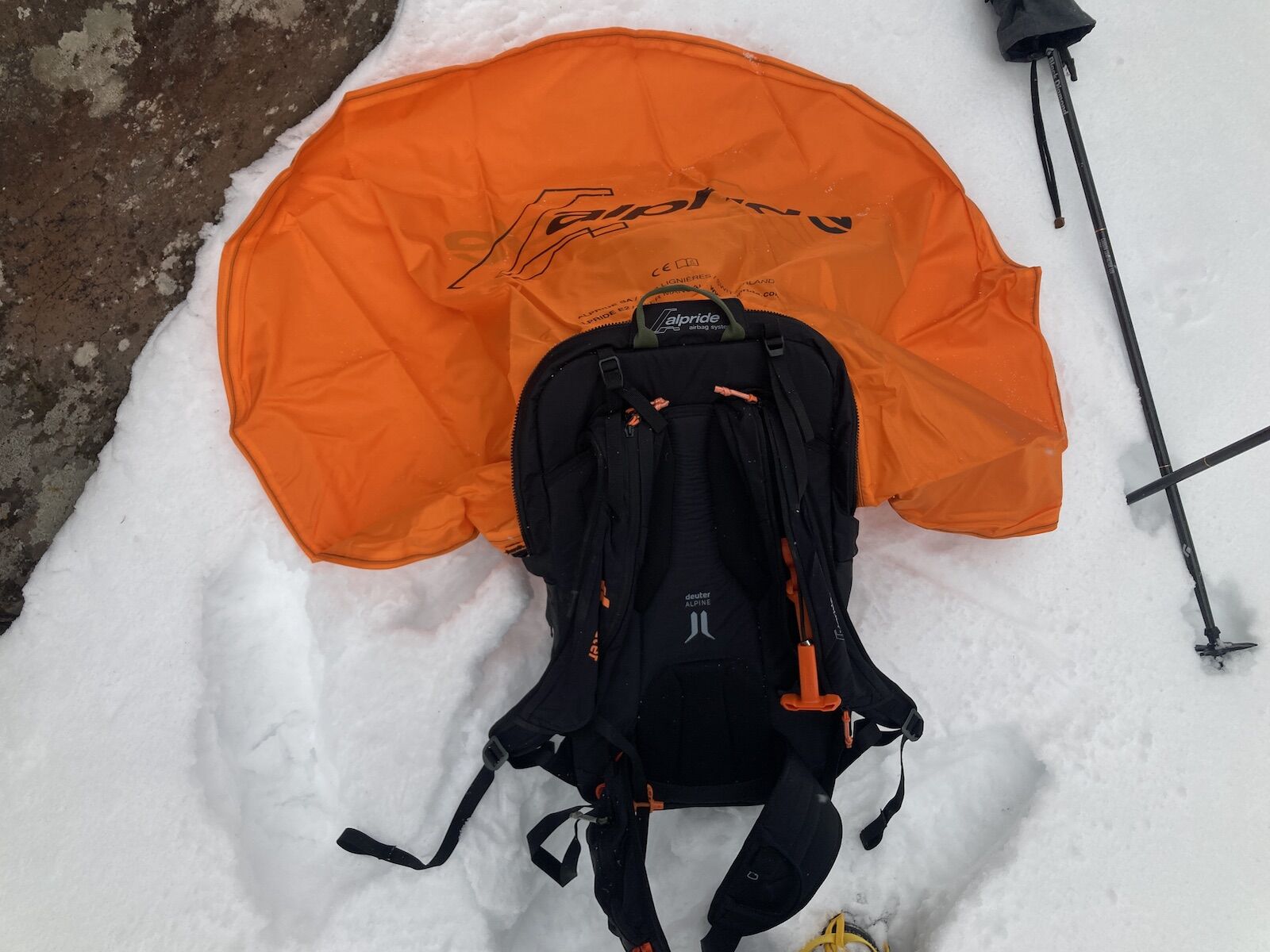
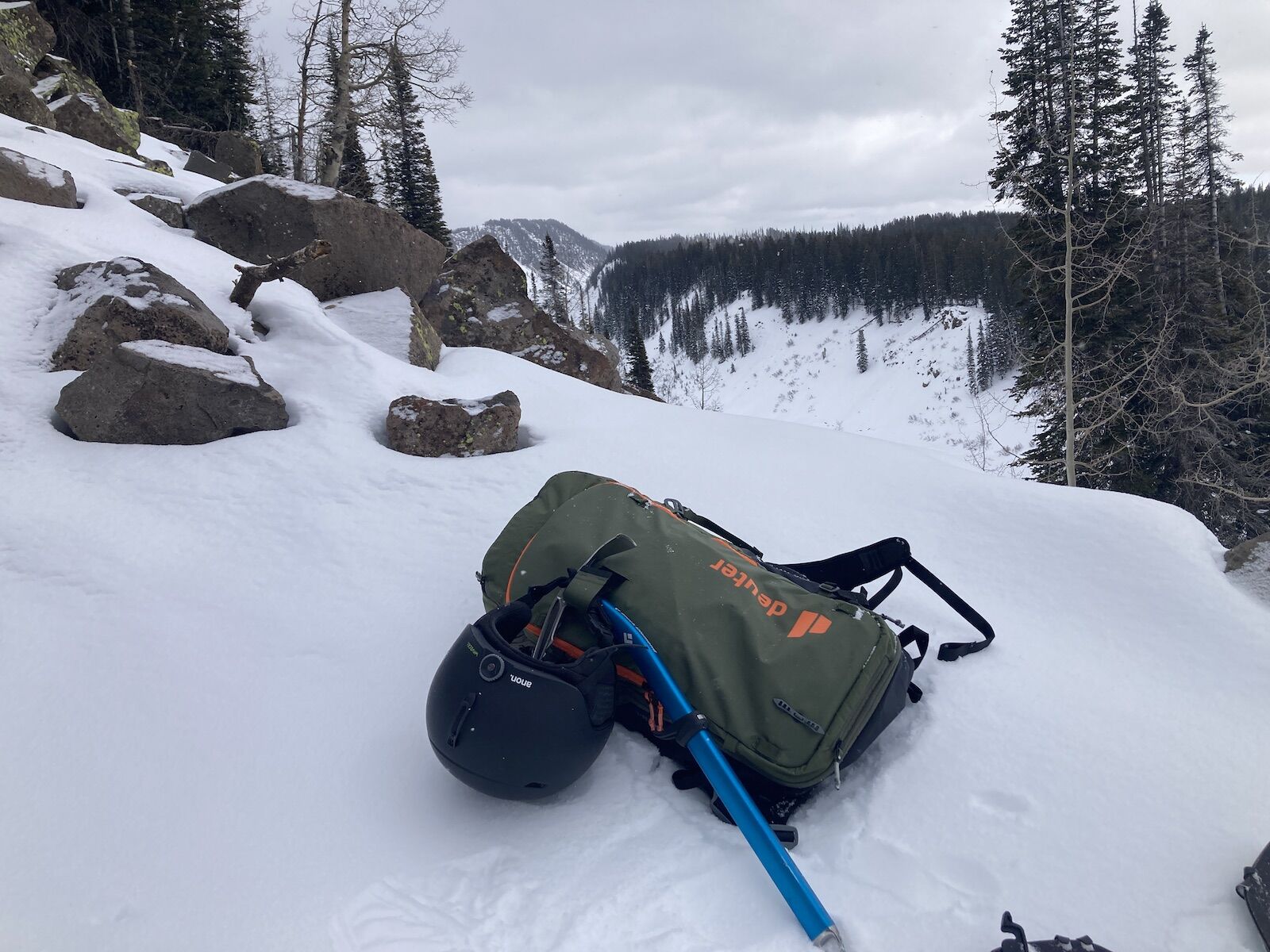
- Backpack: An airbag-compatible pack, such as the Deuter Alproof Tour, adds an essential layer of safety in unstable terrain.
- Navigation & Communication: Digital tools are vital, but physical maps and a compass should always serve as your backup.
Leveling Up: Introduction to Mountaineering
As you progress, you will likely encounter terrain that requires more than just a splitboard. This includes icy couloirs, rock bands, or sections too steep to skin. To transition into technical mountaineering, you will need to add specific tools to your repertoire:
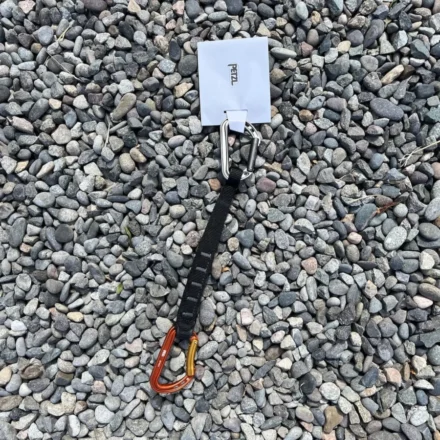
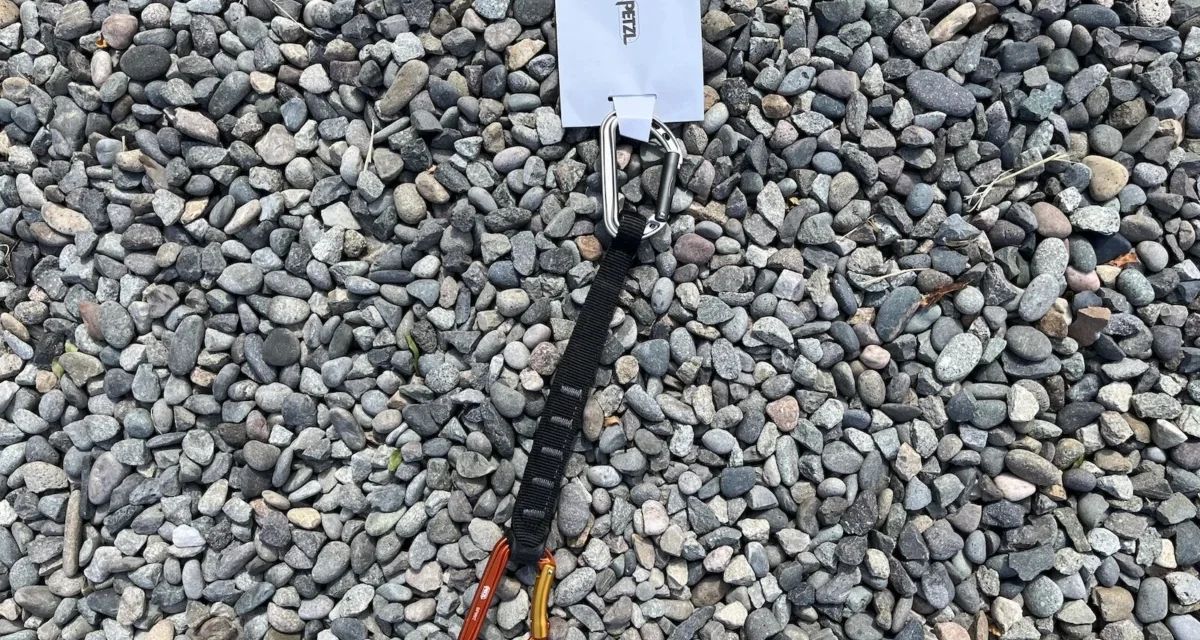
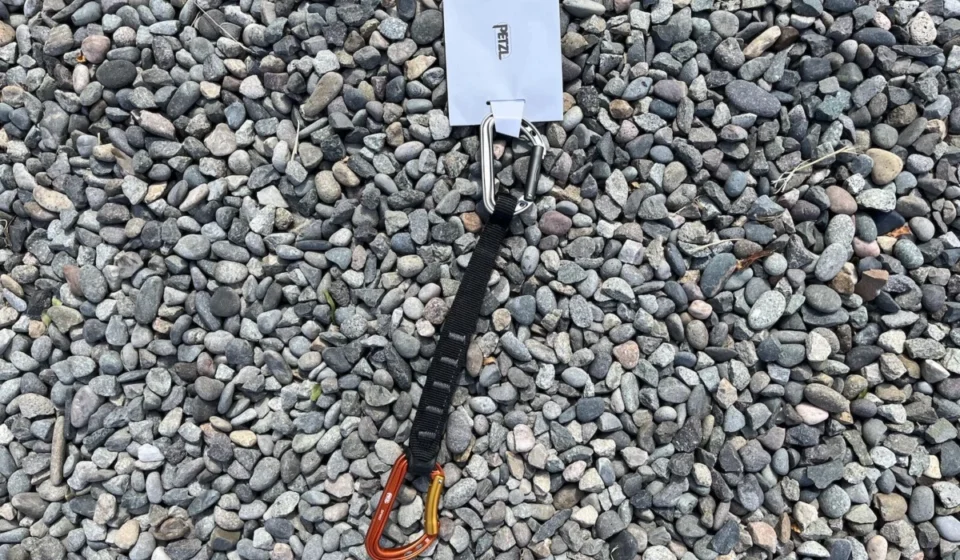
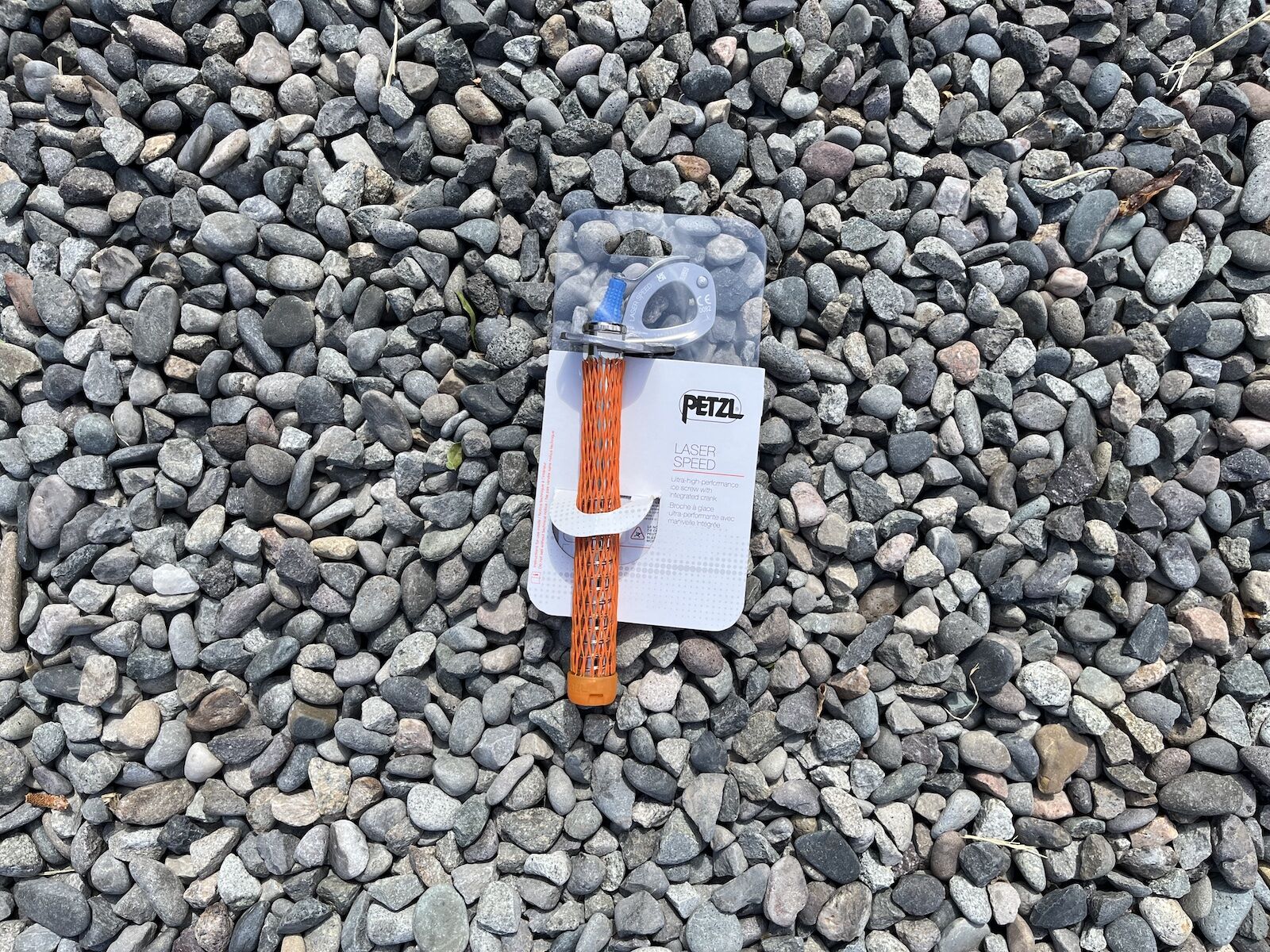
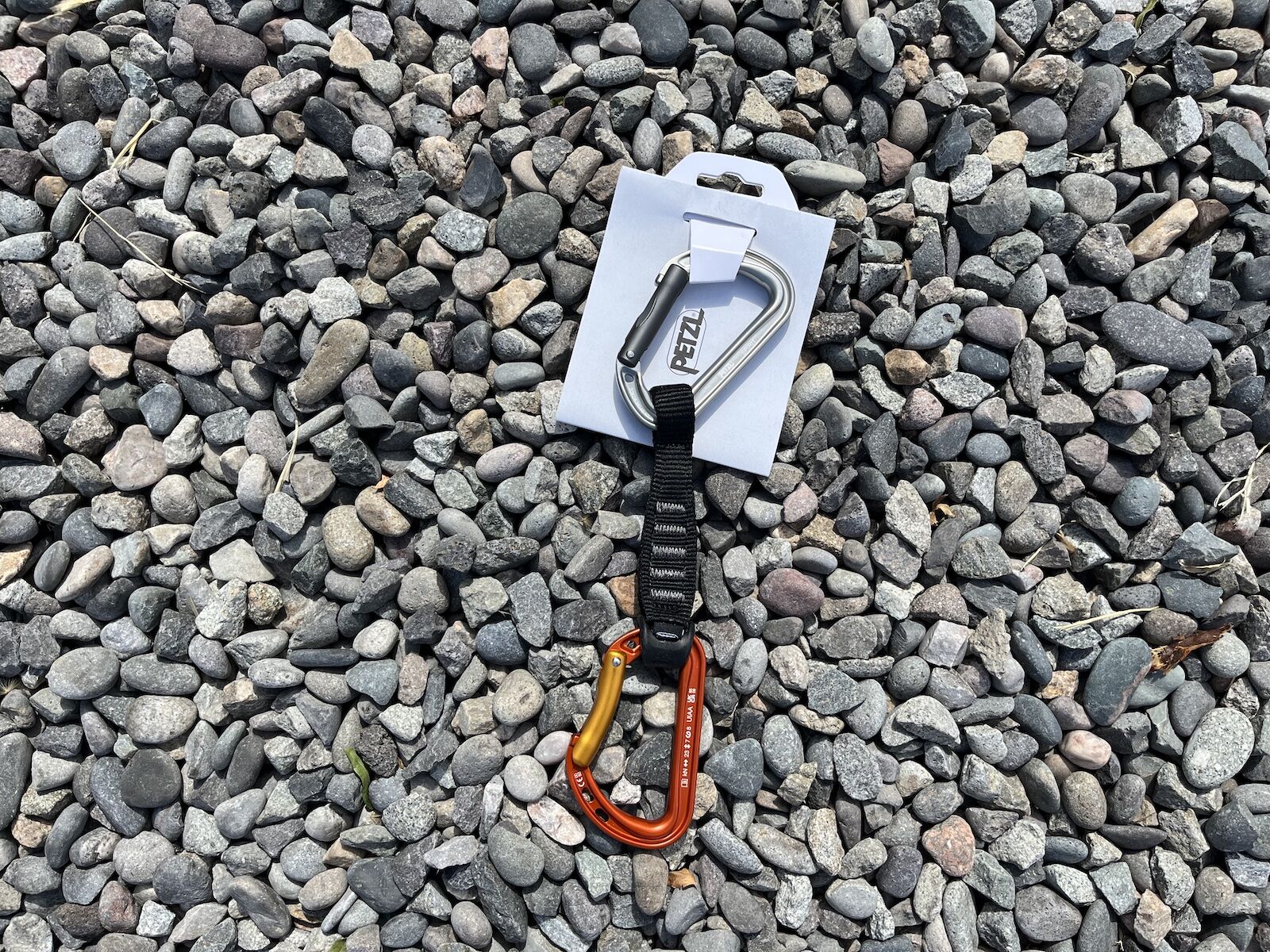
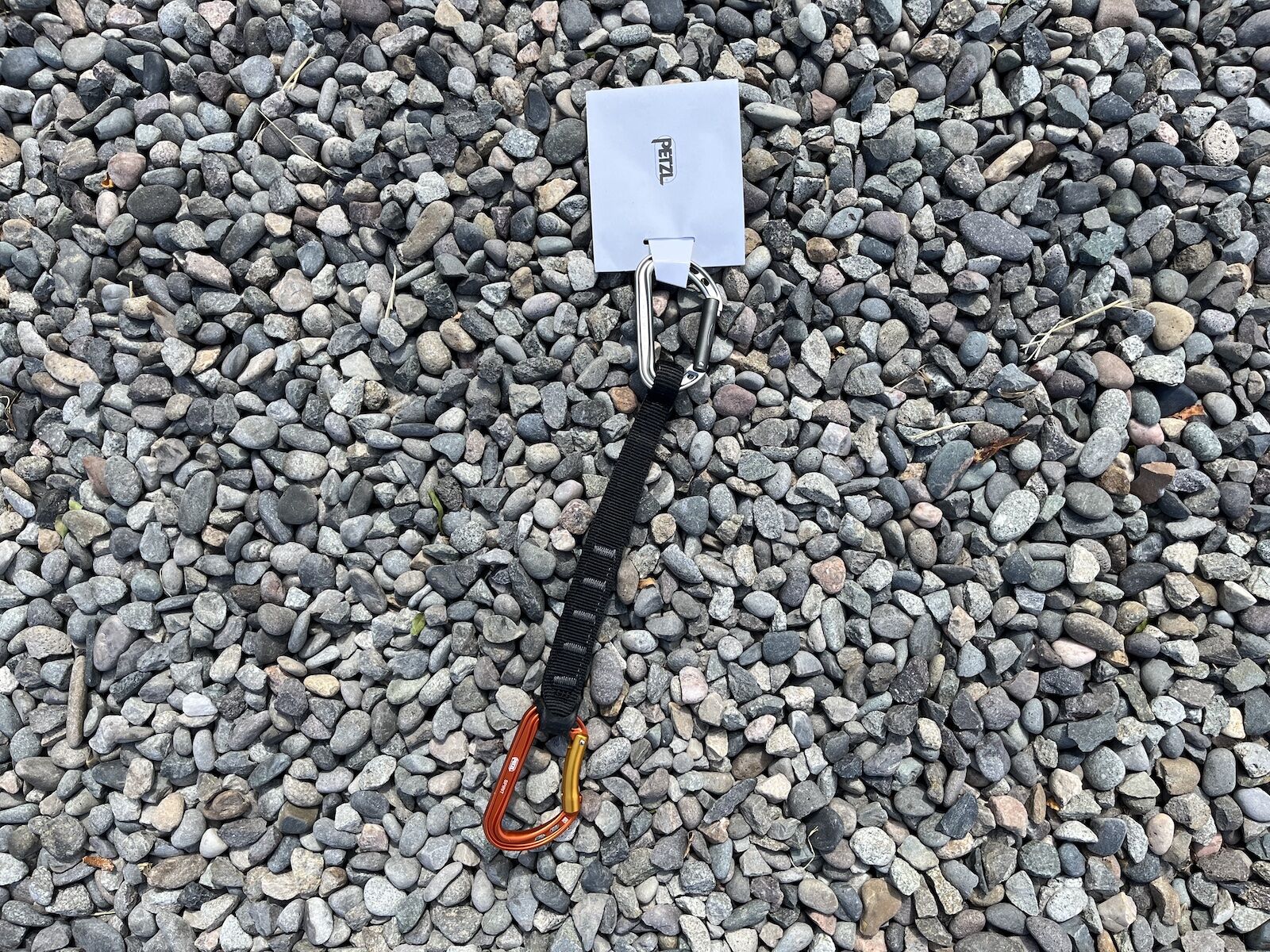
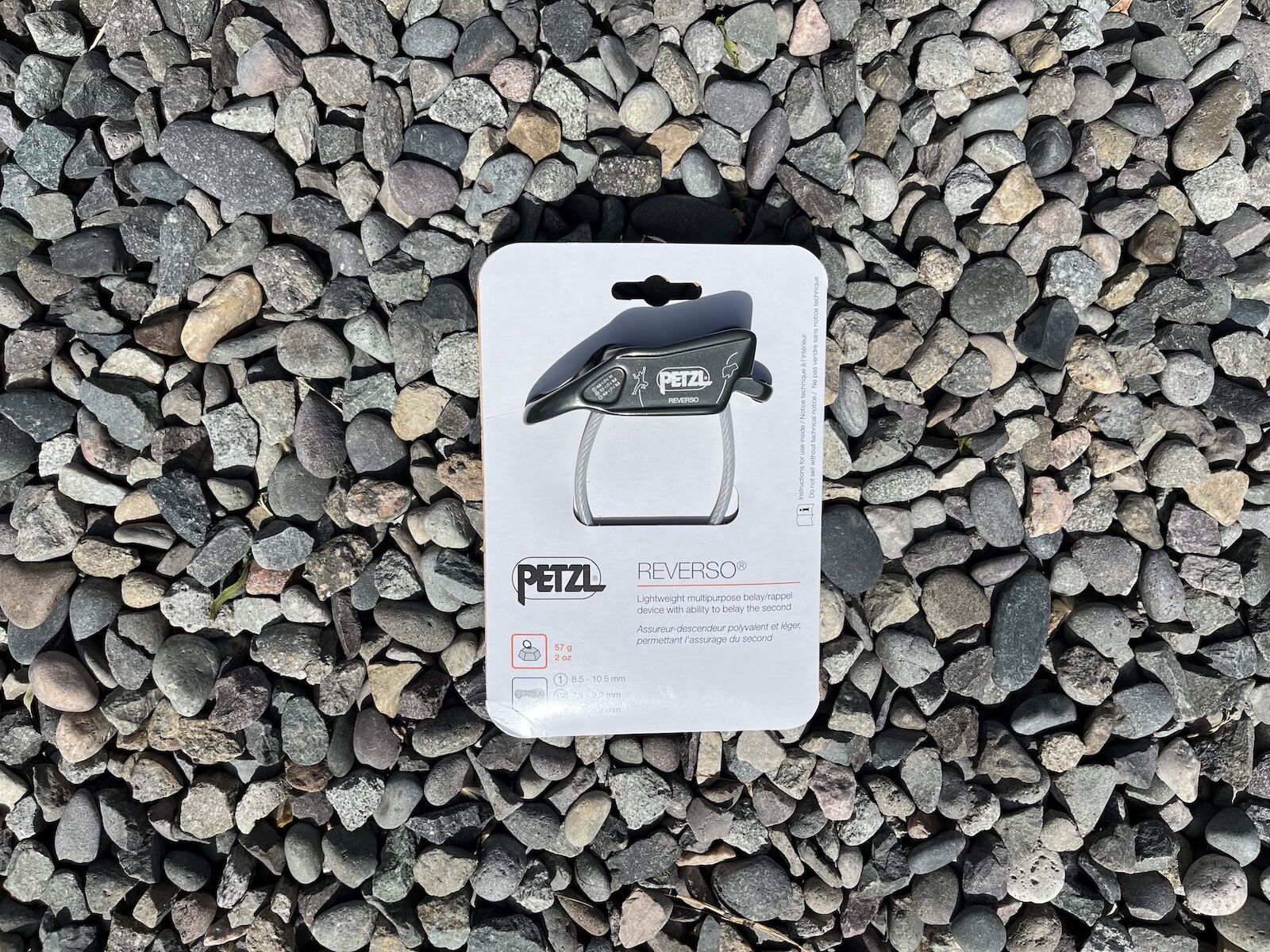
- Climbing Hardware: Petzl ice screws, varied-length carabiners, and a reliable belay device like the Petzl Reverso.
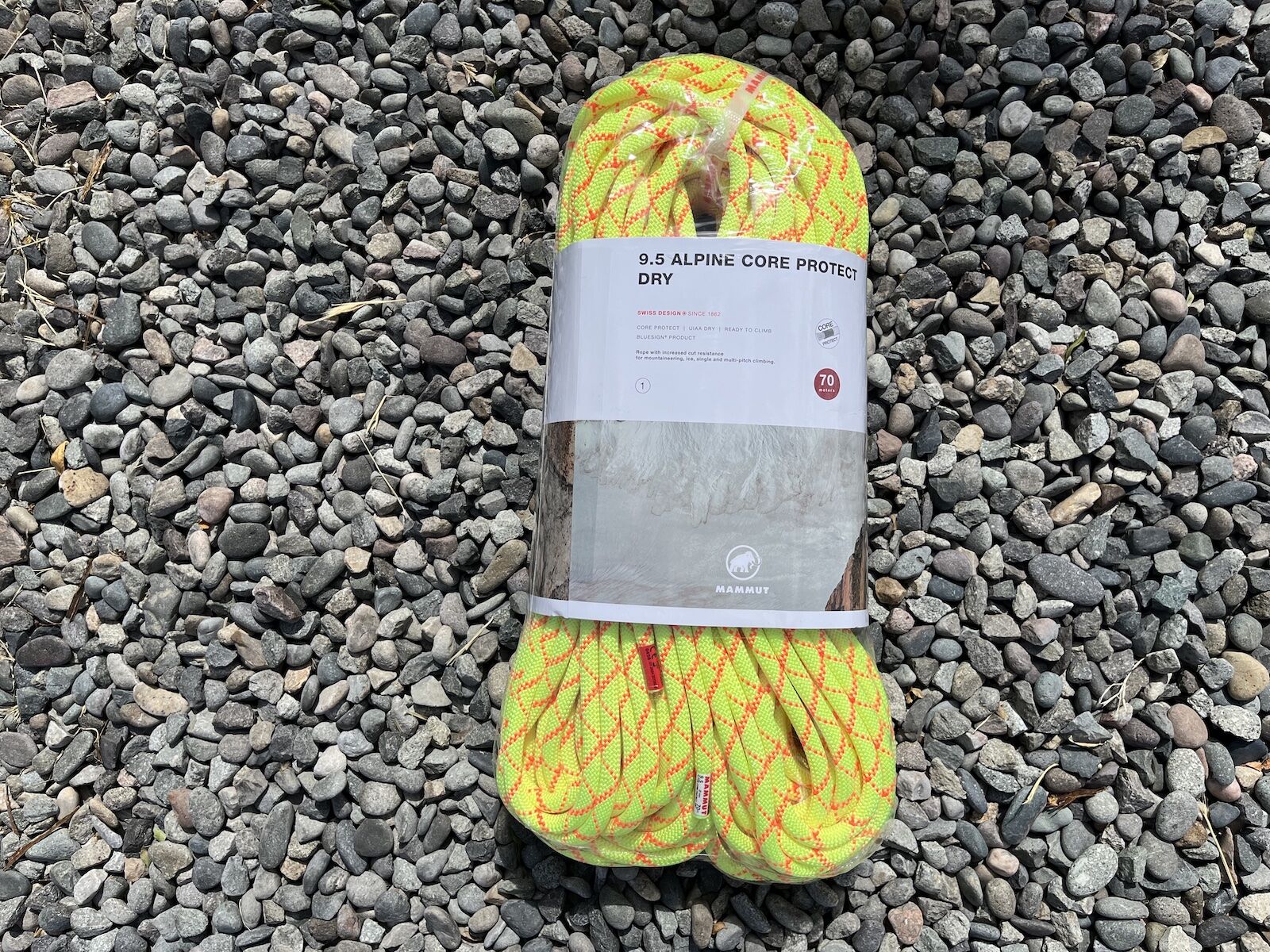
- Technical Rope: A dry-treated rope (such as the Mammut 9.5 Alpine Core Protect) is crucial for managing moisture.
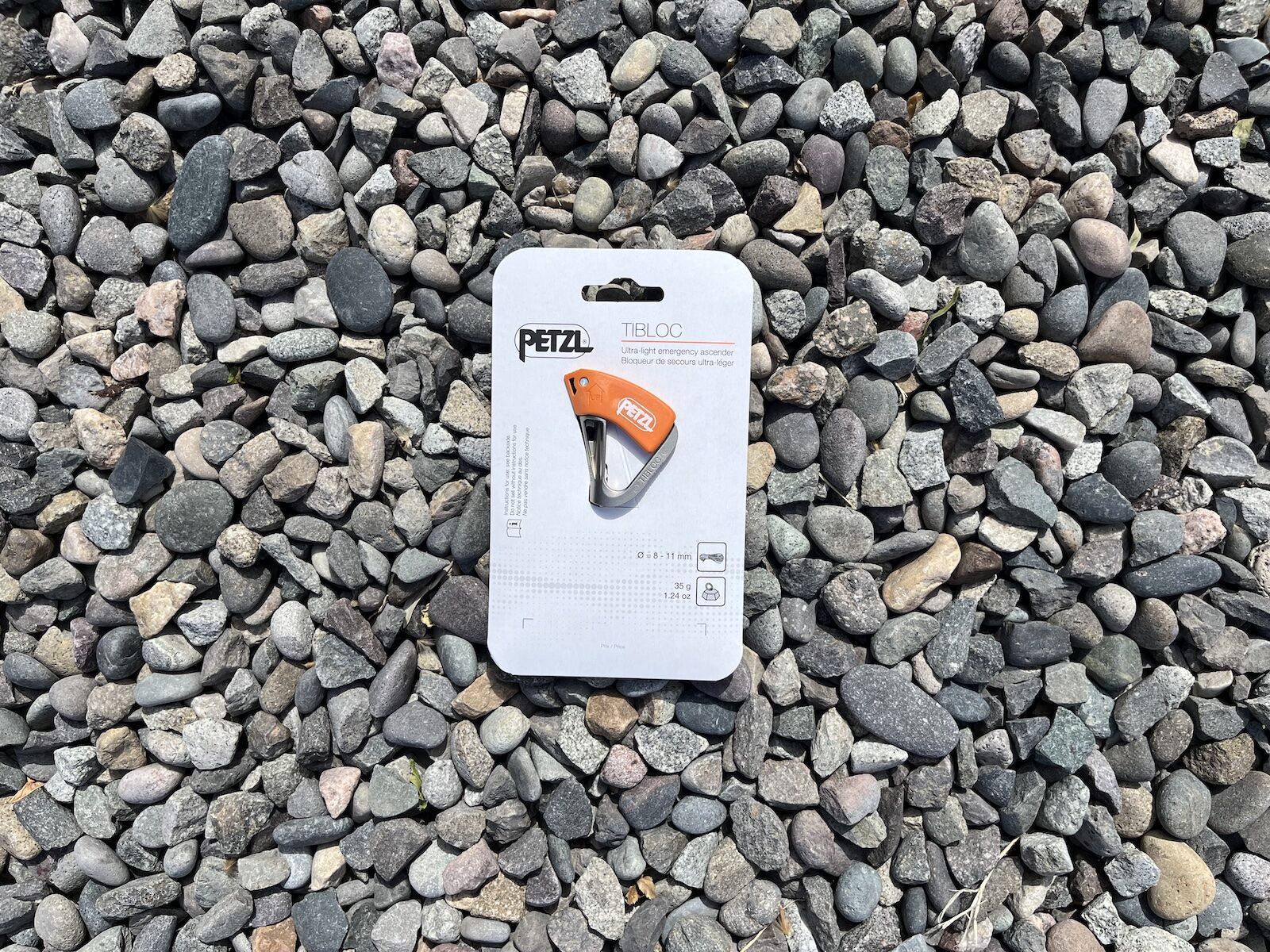
- Ascenders: A Petzl Tibloc is an invaluable, lightweight tool for crevasse rescue or rope ascending.
Organization is key. Using gear storage solutions like the RUX Duffel Box ensures your mountaineering kit is accessible and protected, preventing the "forgotten item" syndrome that can compromise a mission.
Chronology of a Successful Tour
A successful day in the backcountry follows a predictable, disciplined chronology. By adhering to this rhythm, you minimize the "human factor"—the leading cause of backcountry accidents.
1. The Trailhead Check
Upon arrival, the atmosphere should shift from relaxed to focused. Perform a mandatory "beacon check" where every person in the group verifies their device is transmitting. This is your final opportunity to discuss the day’s plan, voice hesitations, and confirm that everyone is comfortable with the proposed route.
2. The Ascent
Maintain a pace that allows for constant communication. Keep your energy reserves high by snacking and hydrating throughout the skin. If a member of the group feels the pace is too high or the terrain is becoming questionable, speak up. The group is only as strong as its most hesitant member.
3. The Decision Point
At the transition point—where you stow your skins and prep your board for the descent—re-evaluate. Are the conditions exactly as you anticipated? Is the wind picking up? If the "go/no-go" decision is in doubt, choose the conservative path.
4. The Descent
Drop in one at a time. The remaining group members must act as spotters, maintaining visual contact with the rider until they reach a safe zone. This allows for immediate response if an accident occurs.
Data-Driven Safety: Leveraging GPS and Digital Tools
In the modern era, technology serves as a force multiplier for backcountry safety. My preferred tool for the last five seasons has been the OnX Backcountry app.
Why Digital Mapping Matters
OnX provides an essential avalanche layer that overlays terrain slope angles, helping you identify high-risk trigger points. By saving your tracks, you create a historical database of your tours, allowing you to review conditions and route choices long after you’ve returned home.
SOS and Satellite Connectivity
Safety in the backcountry often hinges on the ability to call for help when cell service fails. OnX has introduced an SOS messaging feature, which integrates with satellite communication devices like the Garmin inReach or ZOLEO. For those venturing deep into the backcountry, carrying a satellite-linked communication device is not a luxury—it is an insurance policy for your life.
Implications for the Future of the Sport
As the popularity of backcountry snowboarding continues to surge, the importance of education cannot be overstated. The "macho" culture that once permeated extreme sports is being replaced by a culture of mentorship and collective responsibility.
The "Whumph" Factor
Reflective practice is the final step of any tour. Back at the car, over a post-ride drink, debrief. Did anyone hear a "whumph"—the sound of the snowpack collapsing? Were there signs of wind-slab formation? By sharing these observations, you turn a single day of riding into a long-term educational asset for your entire community.
A Community-First Approach
If you are new to the sport, seek out mentors. Join organizations that offer AIARE (American Institute for Avalanche Research and Education) courses. Be transparent about your skill level. Backcountry travel is, at its heart, a team sport. When everyone has an equal voice, and when the "no" vote is treated with the same respect as a "yes," you create a culture where longevity is the ultimate goal.
The mountains will always be there, but they are unforgiving of those who prioritize ego over evidence. By investing in proper gear, mastering the art of trip planning, and committing to the "P’s"—Proper Planning Prevents Piss-Poor Performance—you ensure that your backcountry career is measured in decades, not seasons. You will find that the best stories aren’t always about the steepest line; they are about the ones where you made the right call, stayed safe, and lived to plan the next adventure.