
















































As the U.S. midterm elections approach, the kitchen table has become the unlikely epicenter of a fierce political battlefield. What began as a standard summer season of dining out has transformed into a national crisis of confidence, as a series of high-profile foodborne illness outbreaks and sweeping product recalls have turned "food safety" into a potent wedge issue. For voters, the question is no longer just about grocery prices—it is about whether the burger on their plate or the salad in their bowl is safe to consume.
The Summer of Contamination: A Chronology of Crisis
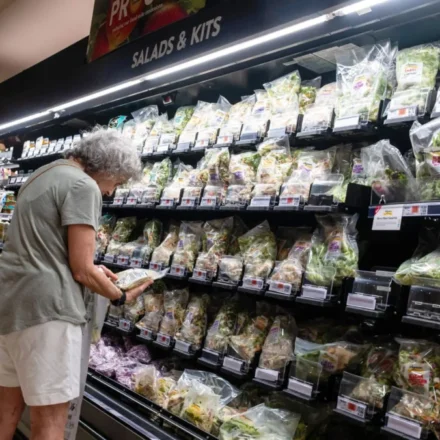
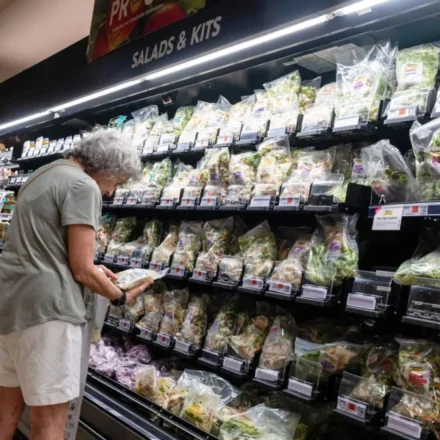
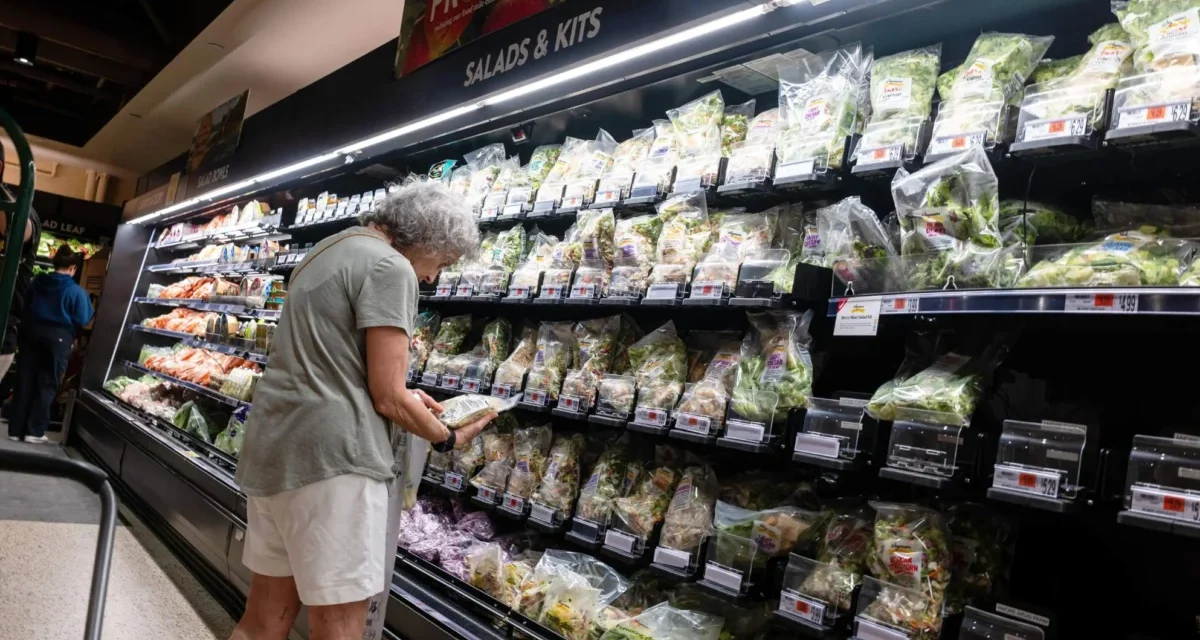
The current unrest stems from a brutal summer characterized by a massive, multistate outbreak of cyclosporiasis linked to contaminated lettuce. Between May and August 2026, the Centers for Disease Control and Prevention (CDC) recorded nearly 20,000 laboratory-confirmed cases of illness. To put this in perspective, the same period in 2025 saw only 1,180 cases, marking the largest recorded outbreak of the parasite in U.S. history.
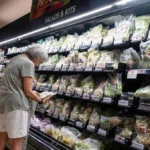
The panic spread quickly through the restaurant industry. Major chains, including Chipotle and Taco Bell, were forced to pull lettuce, jalapeños, and other fresh produce from their menus to mitigate liability and protect customers. Late-night television hosts began turning the symptoms—most notably severe gastrointestinal distress—into the butt of jokes, but for the thousands affected, the reality was far from funny.
The situation was compounded by a series of high-profile recalls, including tens of thousands of pounds of imported meat found to be entering the country without proper inspection. As the recall notices piled up, the public’s perception of the U.S. food supply shifted from a baseline expectation of safety to a state of heightened anxiety.
Supporting Data: Why Consumers Are Losing Faith
The psychological toll of these events is reflected in a steady decline in consumer trust. According to a July survey by Quinnipiac University, a majority of registered voters report having little to no confidence in the government’s ability to oversee food safety. The sentiment is bipartisan, though Democrats express significantly higher levels of skepticism regarding the current regulatory protections.
The private sector, too, has noted the trend. A poll by the data standards organization GS1 US revealed that 94% of U.S. adults are concerned about the frequency of food recalls. Perhaps most damning is the research from the University of Illinois and Purdue University, which found that the share of consumers who strongly agree that the U.S. food system produces safe food plummeted from 40% in November 2025 to roughly 30% by August 2026.
Teresa Murray, consumer watchdog director at the U.S. Public Interest Research Group (PIRG), argues that the confluence of high-profile brands and the sheer volume of illnesses is what distinguishes this year’s crisis. "It’s thousands of people," Murray noted. "When it hits the chains people frequent every day, it makes the threat feel much more real."
The Political Fracas: Democrats vs. The Trump Administration
The political fallout has been immediate. Democratic lawmakers have seized upon the outbreaks as a primary indictment of the Trump administration’s budgetary priorities. Sen. Elizabeth Warren (D-Mass.) has been a vocal critic, accusing the administration of "dismantling" government oversight. On September 2, Warren took to the social platform X to declare, "Slashed food safety agencies — cyclospora outbreak," directly linking the administration’s funding cuts to the rise in public health failures.
The Democratic National Committee (DNC) has similarly amplified the issue, using social media to circulate lists of recalled items while calling for the resignation of Health and Human Services (HHS) Secretary Robert F. Kennedy Jr., whom they have labeled a "complete disaster."
The Trump administration has responded with a mixture of deflection and counter-attacks. On several occasions, the FDA has utilized its social media channels to dismiss the criticism, characterizing reports of widespread failure as "fake news." HHS senior adviser Calley Means has defended Secretary Kennedy, suggesting that Democratic operatives are "slashing" at the FDA for effectively doing its job. The administration points to a chart suggesting that fiscal year 2026 recalls are at their lowest level in over a decade.
However, independent experts have challenged this data. Susan Mayne, former director of the FDA’s Center for Food Safety and Applied Nutrition, noted on LinkedIn that the administration’s recall tally is misleading because it aggregates food safety data with recalls of medical devices and drugs. When isolated to food-specific recalls, the narrative of a "downward trend" loses its empirical footing.
Official Responses and Regulatory Shifts
The tension between the administration and food safety advocates is further exacerbated by recent policy changes. While HHS spokesperson Grace Davis Jamison maintains that the FDA has sufficient staffing to investigate outbreaks and that no investigators were lost due to budget cuts, critics point to a broader pattern of deregulation:
- Meat Processing: The administration has moved to make it easier for small livestock operations to slaughter and process their own meat, a move that critics fear will introduce inadequately inspected beef into the supply chain.
- Import Standards: The U.S. has signaled an intent to import more beef from Brazil and Argentina, countries that have previously struggled with international safety compliance—notably leading to an EU-wide ban on Brazilian beef.
- Salmonella Rules: The administration withdrew a proposed Biden-era rule that would have restricted the sale of raw poultry containing high levels of salmonella.
- Traceability Delays: Compliance with a critical rule requiring companies to trace food through their supply chains has been pushed back from early 2026 to July 2028, a delay the administration defends as necessary to allow industry stakeholders time to adjust.
The Long-Term Implications for Public Health
For experts like Craig Hedberg, a professor of public health at the University of Minnesota, the focus should remain on the effectiveness of surveillance. Hedberg argues that, in some cases, the rise in detected outbreaks is actually a sign of better identification and more localized containment, rather than a systemic failure. However, he acknowledges that the current political climate makes nuance difficult to maintain.
The human cost, meanwhile, remains clear. Nearly half of all consumers have changed their grocery shopping habits in the last month, and 40% have modified their restaurant dining behavior due to fear of illness. This has created a secondary economic crisis for the agricultural sector; as consumers shy away from fresh produce, farmers are increasingly forced to plow under fields of perfectly good lettuce and vegetables because the demand simply isn’t there.
Sandra Eskin, CEO of Stop Foodborne Illness, summarized the dilemma facing the country: "If you want people to eat real food, fresh fruits and vegetables, they have to be safe. Right now, we are failing to provide that guarantee."
As the election draws near, food safety has evolved from a technical regulatory matter into a litmus test for the administration’s competence. Whether the focus on recalled items and budget cuts will be enough to sway voters remains to be seen, but one thing is certain: the American consumer is paying closer attention to their dinner plate than ever before. For the administration, the challenge will be to prove that it can prioritize public health as effectively as it prioritizes its own political messaging—or risk paying a high price at the ballot box.