
























































As the WNBA postseason looms, the Minnesota Lynx find themselves in a position that is simultaneously enviable and enigmatic. Having secured the No. 1 overall seed for the upcoming playoffs, the team enters the tournament with a 33-11 record—a testament to their dominance during the regular season. Yet, beneath the surface of this top-tier standing lies a narrative of inconsistency, defensive regression, and a strange, uncharacteristic struggle to defend their home court.
For fans and analysts alike, the question of the moment is simple but heavy: Is the current version of the Minnesota Lynx a championship-caliber team, or are they a squad skating on the momentum of a hot mid-season streak?
A Tale of Two Seasons: The Road to the Top Seed
The journey to the top of the standings was anything but linear. The Lynx’s season can be bifurcated into two distinct chapters. The first was an extended period of invincibility during which the team rode an elite, high-octane offense to win 16 of 17 games. During that seven-week stretch, they appeared untouchable, moving the ball with precision and scoring at will.
However, as the season wound down, the team hit their first significant funk of the year, dropping four of five games. This slide, combined with a blowout 96-77 loss to the Indiana Fever on Tuesday, cast a pall over the team’s playoff preparations. The loss was particularly galling, prompting team captain Napheesa Collier to describe the performance as "embarrassing."
Head coach Cheryl Reeve, in a move that signaled her frustration with the team’s lack of focus, benched her entire starting lineup—Collier, Kayla McBride, Natasha Howard, and Courtney Williams—for the duration of the second half. It was a high-stakes gamble meant to reset the team’s culture just days before the playoffs.
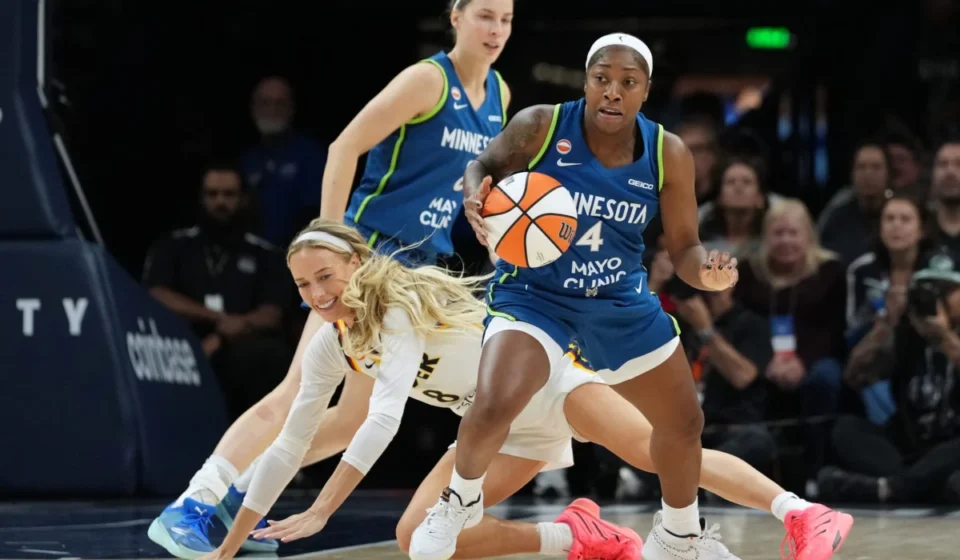
The response was immediate and emphatic. On Thursday night, during Fan Appreciation Night at the Target Center, the Lynx decimated the same Indiana Fever team that had dismantled them 48 hours prior. Jumping to a 25-4 lead in the first eight minutes, the Lynx cruised to an 86-66 victory, effectively silencing the rising tide of fan anxiety.
Chronology of a Volatile Campaign
To understand the Lynx’s current standing, one must look at the timeline of their recent struggles. The instability began in earnest following the two-week FIBA World Cup break. In their first game back on September 18, the New York Liberty—their upcoming first-round opponent—hounded star rookie Olivia Miles from baseline to baseline, handing the Lynx a home-court loss.
The subsequent loss to Indiana created a sense of urgency that forced the team to reconcile their postseason ambitions with their on-court execution. While the team officially clinched the No. 1 seed late Tuesday night—thanks to a Golden State loss in overtime—the manner in which they "backed into" the top spot left a bitter taste for both the coaching staff and the fanbase.

The recovery on Thursday was vital not just for the win, but for the psychological clarity it provided. As Coach Reeve noted, "I’m happy for us to kind of get that feeling back, knowing we’re going to be successful. The leadership was there, the want-to, the connection. And obviously shot-making. That was a big part of it."
Defensive Regression and the "40% Benchmark"
One of the most concerning statistics for the Minnesota coaching staff has been the team’s slide in defensive efficiency. For years, the hallmark of a Cheryl Reeve team has been a stifling defense. Her personal benchmark is simple: if the Lynx hold their opponent to under 40% shooting from the field, they win. Since 2010, the team is an astounding 185-9 when meeting this goal.
However, the team’s defensive identity has eroded since mid-summer. Prior to Thursday’s defensive clinic against Indiana—where the Lynx held the Fever to 34.2% shooting—they had reached that defensive benchmark only once in 24 games. The drop-off has been statistically significant, with the team falling from first to fourth in the league’s defensive rating since July.
Reeve attributes this, in part, to the sheer physical toll of the season. "I’ve really spent a lot of time trying to figure that out," Reeve admitted, pointing to the league-wide offensive explosion and the lack of a deep bench. As the season progressed, the heavy reliance on the starting core led to a fatigue-driven drop in intensity on the defensive end. Whether the team can sustain the defensive intensity shown on Thursday night for a full best-of-three or best-of-five series remains the most critical question facing the roster.
The Home Court Anomaly
Perhaps the most baffling statistic of the 2026 season is the team’s home record. The Lynx finished 15-7 at the Target Center. While a .681 winning percentage would be celebrated in many sports, it stands in stark contrast to the historical standard set by the Minnesota dynasty years (2011–2017), where home-court dominance was a prerequisite for championship success.
In those title-winning years, the Lynx rarely lost at home, often posting 14 or 15 wins against only two or three losses. This year, the team lost four games in which they held a fourth-quarter lead. Paradoxically, the team was dominant on the road, going 18-4 and setting a new WNBA record for road victories.
Reeve is blunt about this discrepancy: "It sucks to have the record we do at home. We’re not satisfied with that remotely."
Interestingly, this lack of "home dominance" is occurring during the most popular era in the franchise’s history. The Target Center has seen record-breaking attendance, with 19 crowds exceeding 10,000 spectators—a reflection of the massive surge in WNBA interest fueled by stars like Caitlin Clark and Angel Reese. The front office’s decision to open the upper level for every game has paid off, but it has not translated into the same psychological home-court advantage that defined previous eras.

Implications for the Postseason
As the playoffs begin this Sunday, the Lynx are faced with a daunting task: a first-round series against the New York Liberty. The Liberty, who finished the regular season with a 26-18 record, are a formidable opponent, having beaten the Lynx two out of three times this season.
The current playoff field is widely considered the deepest in league history. Any of the eight teams could feasibly reach the finals, a parity that has not been seen before in the WNBA. The Liberty, in particular, present a unique challenge, with a star-studded lineup led by Breanna Stewart and Sabrina Ionescu that has consistently exposed the Lynx’s defensive rotations throughout the year.
"I don’t think anybody should be surprised by any outcomes," Reeve said regarding the unpredictability of the current bracket. "I wouldn’t be surprised by anything, because I think all the teams are that good."
For the Lynx, the path to a fifth WNBA title is not paved with the comfortable inevitability of their past dynasties. Instead, it is a path that requires a total recalibration. The team must marry the high-scoring, cohesive offensive play they displayed against the Fever on Thursday with the grit and defensive discipline that defined their mid-season run.
With Rookie of the Year favorite Olivia Miles dealing with a strained left calf—her status for the playoffs remains a subject of intense scrutiny—the team’s depth will be tested immediately. If the Lynx are to raise another banner, they must prove that their late-season "funk" was merely a detour, and that the team that destroyed the Fever on Thursday is the true identity of the 2026 Minnesota Lynx.
The stage is set, the crowds are at record levels, and the competition has never been tighter. For Minnesota, the season’s final chapter begins now, and the margin for error has effectively vanished.