



























































In the heart of London’s bustling EC4 district, just a stone’s throw from the majestic dome of St. Paul’s Cathedral, lies a site steeped in centuries of English history. Once the physical repository for the monarch’s finery, the site of the Royal Wardrobe has undergone a transformation that mirrors the evolution of London itself. Today, the location serves not as a storehouse for regal silks and furs, but as a sanctuary for the modern traveler: Native King’s Wardrobe.
By merging the autonomy of a self-catered apartment with the high-touch service of a boutique hotel, Native has successfully carved a niche in a crowded hospitality market. This article explores the legacy of this storied site, the operational philosophy behind the "aparthotel" model, and why this specific location is redefining the concept of urban accommodation.
The Historical Context: Closing a Chapter on the Royal Wardrobe
To understand the weight of the address, one must look back to the medieval era. The "Royal Wardrobe" was not merely a closet; it was a vital administrative office of the English royal household, responsible for the king’s clothes, jewels, and household accounts. For centuries, the Wardrobe acted as a central hub of power and commerce.
However, as the monarchy’s logistical needs shifted, the centralized nature of the Royal Wardrobe became impractical. Over time, the inventory was dispersed across the Tower of London and various other regal residences, effectively ending the site’s primary function as the monarchy’s personal tailor and treasury. The land eventually transitioned into a residential enclave. Today, the eight terraces that occupy the site have been meticulously repurposed. In a nod to its past, each terrace is named after legendary fashion designers, ensuring that while the crown’s garments have long since departed, the spirit of "style and structure" remains embedded in the architecture.
The Aparthotel Evolution: A Hybrid Hospitality Model
The modern traveler is increasingly caught in a dilemma: the freedom of an Airbnb versus the reliability of a traditional hotel. Many frequent travelers, particularly those who balance professional responsibilities with leisure, find that private rentals often lack the security of a 24/7 front desk, while hotels often lack the space and kitchen facilities required for an extended stay.
Bridging the Gap
Native’s accommodation concept addresses this friction by acting as a "hybrid." With properties in London, Manchester, Brighton, and Glasgow, the brand provides the self-sufficiency of a private rental—complete with full kitchens and spacious living areas—complemented by the essential perks of the hospitality industry.
Starting at approximately £292 ($390) per night for a studio, the pricing is positioned within the upper mid-range of the London market. Unlike the volatile world of private vacation rentals, there are no hidden cleaning fees or opaque service charges. The transparency of the booking process, which clearly delineates optional add-ons like pet fees or parking, appeals to the modern consumer who values financial predictability.
Operational Excellence
Upon arrival, guests are welcomed at "Counter," a multi-functional space that serves as a cafe, workspace, and concierge desk. This centralized approach solves one of the most common complaints regarding apartment rentals: the lack of a physical point of contact. The check-in process is personal; guests are escorted to their units and briefed on the property’s amenities, providing a sense of "home" from the very first hour.
Living in the City: The Resident Experience
The experience of staying at Native King’s Wardrobe is designed to be an antidote to the "shrimp spine" syndrome—the chronic back pain often associated with travelers hunching over dining room tables to work.
Ergonomics and Aesthetics
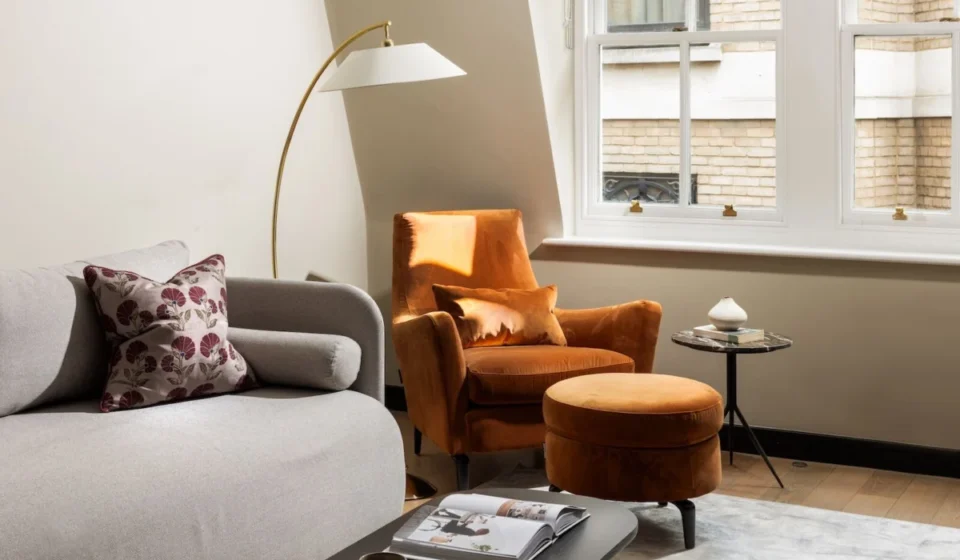
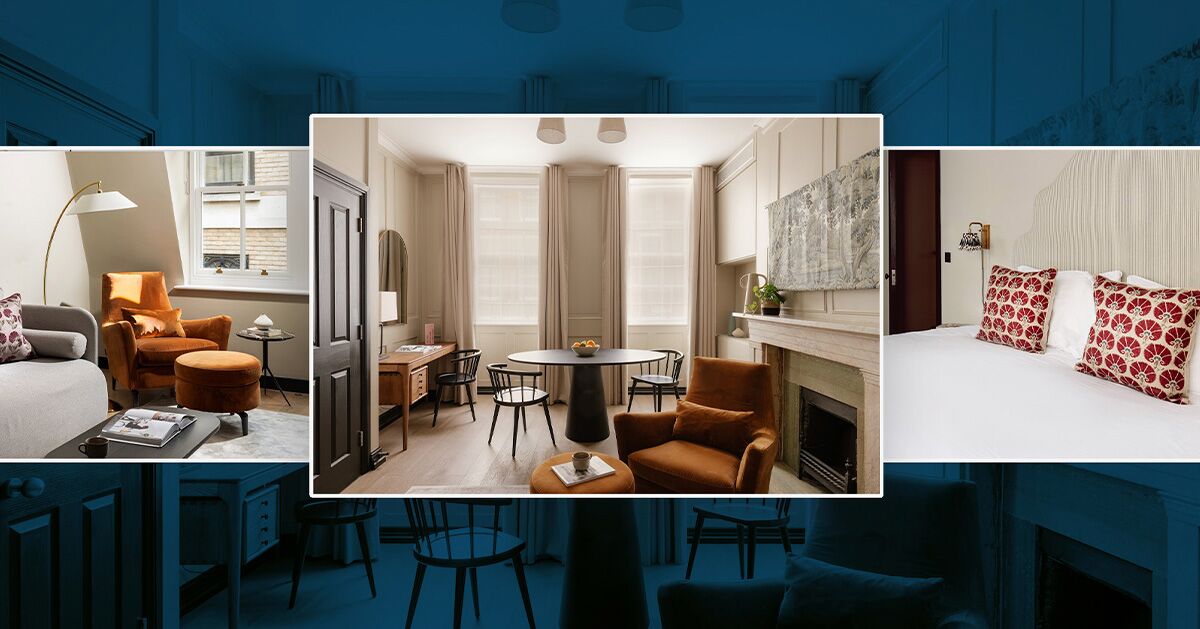
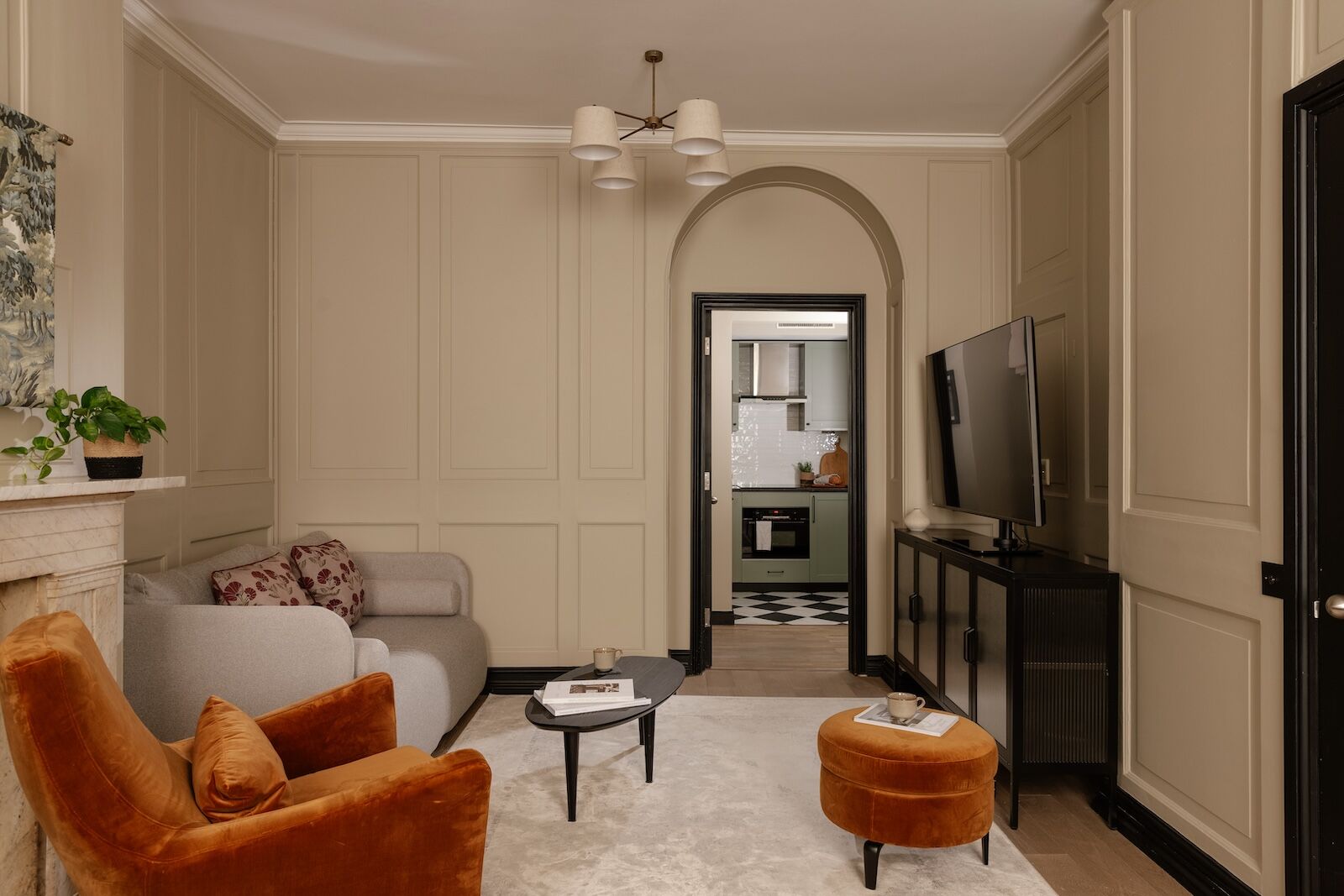
The one-bedroom, two-bathroom apartments—the second bathroom affectionately referred to by British guests as the "throne room"—are designed with the remote worker in mind. The inclusion of a proper wooden desk in a quiet, dedicated living space elevates the property from a mere place to sleep to a functional office.
The kitchens are a testament to modern utility. Stocked with essential gadgets and basic cooking supplies, they are designed for those who wish to prepare their own meals rather than rely solely on restaurants. For those who find the prospect of cooking daunting, the "Cooking With Native" initiative offers a digital library of simple, gourmet-inspired recipes, providing an interactive experience that replaces the need for a private chef.
Technological Integration
Native leverages technology to enhance, rather than replace, human service. A simple QR code in each kitchen provides immediate access to appliance tutorials, ensuring that guests don’t accidentally cause a minor household catastrophe. Furthermore, the inclusion of air-conditioning and elevator access—features notoriously absent in many of London’s historic, character-filled residential blocks—demonstrates a commitment to comfort that often differentiates high-end aparthotels from standard short-term rentals.
Neighborhood Ethos: A Strategic Location
The true value of Native King’s Wardrobe lies in its geography. Situated in the EC4 postcode, it is perfectly positioned to provide access to both the historic City and the cultural treasures of the South Bank.
Walkability and Exploration
London is, at its heart, a city best experienced on foot. Within 15 minutes, a guest can walk from the quiet courtyard of King’s Wardrobe, cross the Millennium Bridge, and stand before the Tate Modern or Shakespeare’s Globe. The hotel provides curated, pocket-sized maps that direct guests toward "neighborhood treasures"—local bookstores, hidden cocktail bars with views of Christopher Wren’s architecture, and lesser-known spots like the Barbican Conservatory.
This focus on the neighborhood ethos is intentional. By encouraging guests to explore the immediate surroundings, Native fosters a sense of belonging. Whether one is wandering the Thames Path toward Tower Bridge at dawn or grabbing a pint at The Cockpit—a local pub just seconds away—the guest is invited to interact with the city as a resident rather than a tourist.
Supporting Data and Market Implications
The aparthotel sector has seen significant growth as the "bleisure" (business and leisure) travel segment continues to mature. According to industry analysis, travelers are increasingly prioritizing properties that offer:
- Safety and Security: 24/7 reception is a top priority for solo travelers and corporate guests.
- Flexibility: The ability to cook and work comfortably is no longer a luxury but a requirement for stays longer than three nights.
- Authenticity: Guests are moving away from standardized hotel experiences in favor of neighborhoods that offer local culture and historic resonance.
Native’s success is a direct result of satisfying these three pillars. By repurposing historic buildings like the Royal Wardrobe site, they provide a "story-driven" stay that a generic hotel chain cannot replicate.
Official Responses and Guest Feedback
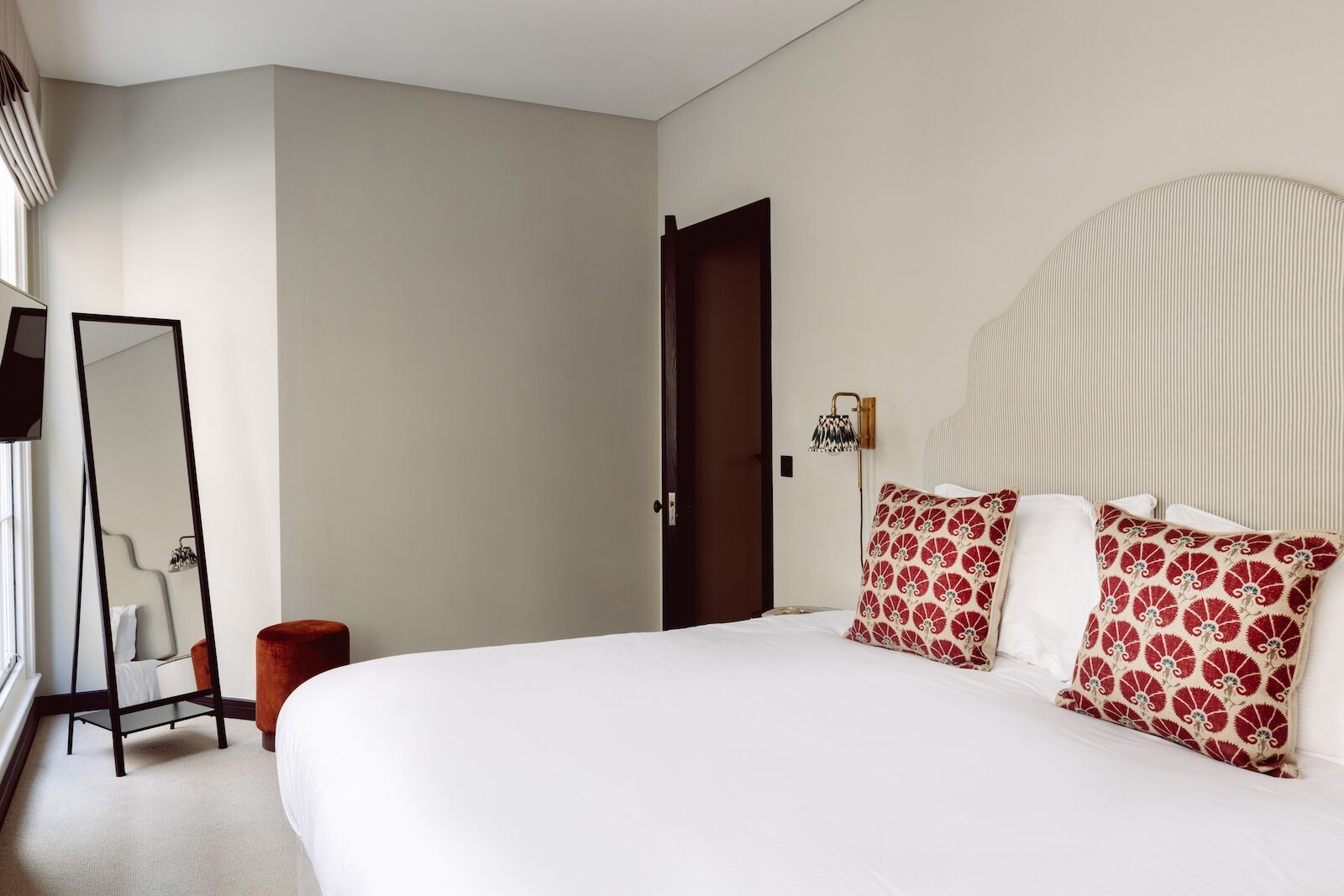
While the company remains tight-lipped about future expansion plans, the reception to the King’s Wardrobe location has been overwhelmingly positive. Guests frequently cite the "soundless" sleep despite the central location as a standout feature. The use of high-quality blackout curtains and double-glazing, combined with the quiet nature of the inner courtyard, allows guests to enjoy the vibrancy of Central London without the associated noise pollution.
The "WhatsApp concierge" feature, which allows guests to request everything from extra milk to local recommendations, has also been noted as a significant point of differentiation. By removing the formality of a traditional hotel telephone system and replacing it with a more modern, accessible communication channel, Native has managed to make their service feel both professional and personal.
Conclusion: A New Era for London Lodging
The transformation of the site of the Royal Wardrobe is symbolic of a broader shift in the travel industry. We are moving toward a future where the distinction between "living" and "traveling" is increasingly blurred. By maintaining the historical integrity of its locations while equipping them with the tools for modern, remote living, Native has created a template for success.
For the traveler who demands the convenience of a modern apartment, the reliability of a high-end hotel, and the charm of a historic neighborhood, Native King’s Wardrobe offers a rare trifecta. As London continues to evolve, these spaces serve as a reminder that the most memorable travel experiences are those that allow us to step out of the hotel lobby and straight into the heartbeat of the city. Whether you are there for business or a weekend of riverside strolls, the King’s Wardrobe provides the perfect base of operations—no poulaines required.