





















































The New Era: Chris Finch on the Timberwolves’ Evolution, LaMelo Ball, and the ‘Diapers-Off’ Mandate

As the Minnesota Timberwolves stand on the precipice of the 2026-2027 season, the atmosphere surrounding the franchise is defined by a calculated transition. With training camp set to begin later this month, head coach Chris Finch finds himself managing a roster that has undergone a philosophical and personnel-based overhaul. Following a high-stakes offseason, the team is pivoting toward a faster, more dynamic offensive identity, anchored by the arrival of star point guard LaMelo Ball.
In the second part of an exclusive, wide-ranging interview with MinnPost, Coach Finch offers a candid look at the challenges and opportunities ahead. From the tactical integration of Ball to the leadership maturation of core pillars Anthony Edwards and Jaden McDaniels, the narrative in Minnesota has shifted from developmental patience to a “championship-now” mandate.
The Strategic Pivot: Integrating LaMelo Ball
The most significant variable in the Timberwolves’ upcoming campaign is undoubtedly LaMelo Ball. His acquisition is designed to act as a catalyst, specifically intended to alleviate the playmaking burden that has increasingly fallen on Anthony Edwards’ shoulders. By moving into a pure point guard role, Ball is expected to unlock a more fluid, transition-heavy offense.
“Your identity is driven by your best players, for sure, and we still have them,” Finch noted. “I can see a lot of our offensive identity still flowing through Ant, but I think we have a chance to play faster, be a better passing team, and maximize off-ball movement.”

However, the transition comes with questions regarding efficiency. Ball’s career has been marked by elite playmaking potential contrasted against sub-par shot selection and a modest assist-to-turnover ratio. Finch is aware of these critiques but remains optimistic that the Timberwolves’ environment will refine Ball’s decision-making.
“Some of his individual inefficiencies are related to shot selection,” Finch admitted. “He can make the difficult shots he takes, but making a living off those shots is different and very hard to do. We need some redistribution. If you want to be a great shooter, the first thing you do is get rid of the bad shots.”
Beyond shot selection, Finch is tasking Ball with a more disciplined approach to the paint. “He goes into the paint with a passing mentality because he is so elite at it, but the finishing becomes an afterthought. We want him to have a finishing plan and embrace contact. He’s got the size to do it.”
The ‘Diapers-Off’ Mandate for Edwards and McDaniels
For years, the Timberwolves have nurtured the development of Anthony Edwards and Jaden McDaniels, shielding them with veteran voices. That protective layer has been stripped away. With the departure of seasoned mentors like Mike Conley and Joe Ingles, Finch is demanding that his homegrown stars step into the leadership vacuum.

“The diapers are off,” Finch stated bluntly. “It’s your team now. What you say, the way you say it, and how you set the tone from the first day of practice—that stuff matters. It is time. It is seven years in the league.”
The coach emphasized that he does not want Edwards to mimic the leadership style of his predecessors. Instead, he expects an organic evolution. “I wouldn’t expect Ant to be Mike Conley or Joe Ingles. Ant needs to lead according to his personality. There is always room for growth, but he has to lead in a way that feels authentic to him.”
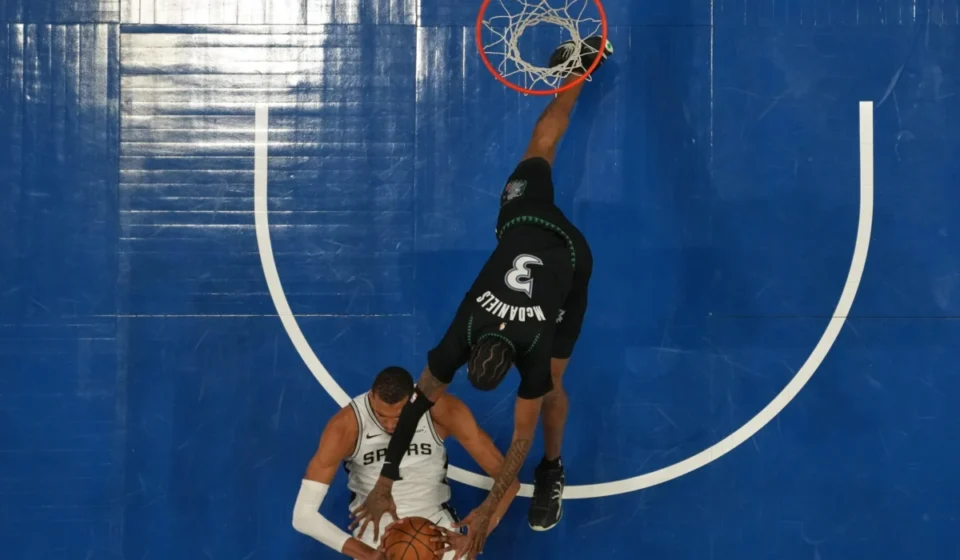
Jaden McDaniels, meanwhile, remains the team’s defensive backbone with an offensive game that continues to show flashes of high-level versatility. Finch sees McDaniels not just as a defensive stopper, but as a crucial connector who can help maximize Rudy Gobert’s impact on the court. “Nobody else makes the bounce pass to Rudy that Jaden can complete,” Finch noted, pointing to the need for McDaniels to increase his playmaking volume.
The ‘Rudy’ Factor: Sustaining the Veteran Presence
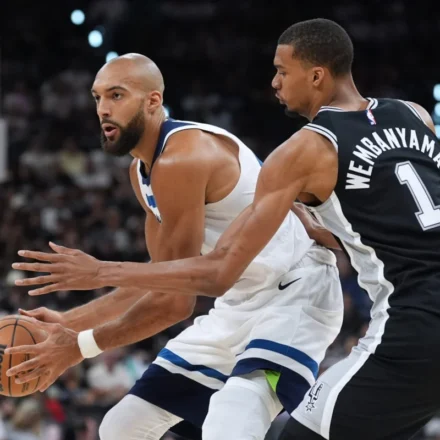
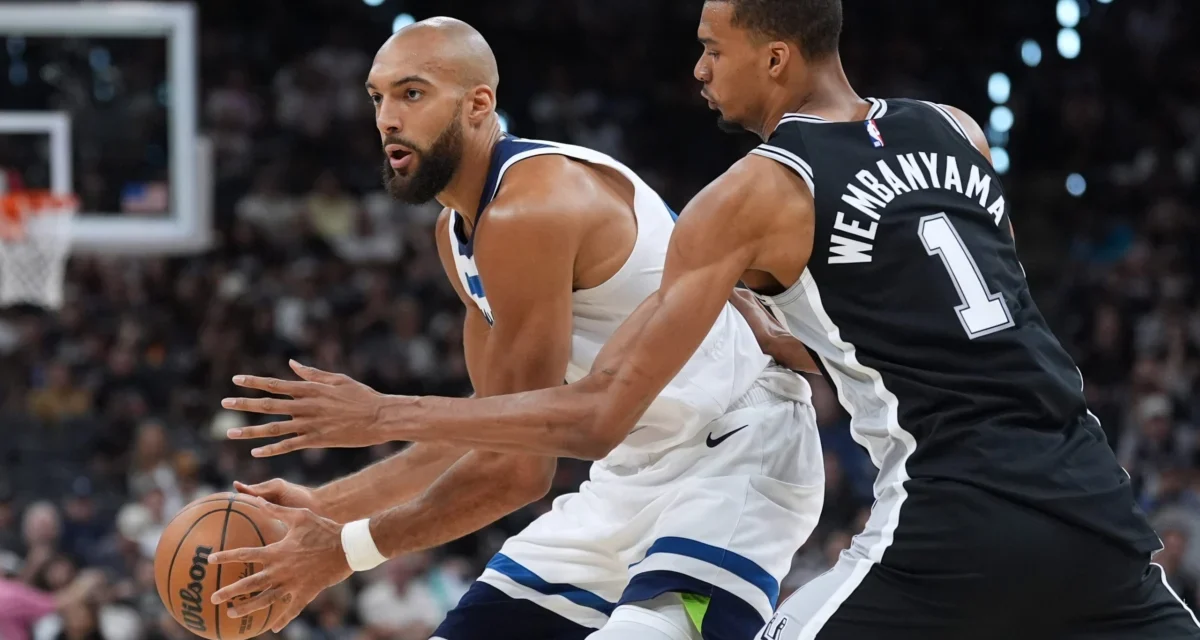
As the roster skews younger, the role of Rudy Gobert—the team’s primary veteran anchor—becomes a point of tactical and psychological focus. Finch acknowledges that the loss of veteran “regulators” who understood how to communicate with the three-time Defensive Player of the Year creates a potential friction point.

“My biggest concern is that Rudy lost a lot of allies—guys who understood him, knew how to talk to him, and could help him help us,” Finch explained. “I am very conscious of making sure there are people on the team who can still ‘speak Rudy.’”
Despite this, the locker room culture appears resilient. Finch highlighted a pivotal moment this past summer when the team gathered in France, an event organized by the players themselves. The fact that Anthony Edwards and LaMelo Ball were the driving forces behind this trip gives the coaching staff confidence that the team can bridge the gap between its young core and its veteran center. “They’ve adopted him, and he’s adopted them,” Finch said.
Tactical Implications: The Usage Puzzle
With a deeper, more talented roster, the coaching staff faces a complex “usage puzzle.” The addition of ball-dominant players like Ball necessitates a recalibration of how minutes and shots are distributed. Finch is adamant that Edwards should not be relegated to a “catch-and-shoot” role, but rather that his shot volume should be protected by having other capable creators on the floor.
“The original ‘sin,’ if you will, was that Ant’s three-point volume fell because he handled the ball so much,” Finch noted. “Every player is their best self when they are playing their natural position alongside others doing the same. Ant is naturally the most explosive two-guard in the league.”

The team is also experimenting with lineups that don’t require Edwards or Ball to play 48 minutes, looking toward bench contributors like Bones Hyland, TJ, and Ayo to maintain pressure. The goal is to create a system where talent is maximized through ball movement rather than individual isolation.
Looking Ahead: A New Standard
The 2026-2027 season represents a turning point for the Timberwolves. The organization has moved past the phase of “potential” and is now firmly in the era of expectation. While the departure of veteran wisdom may leave the team slightly less “smart” on paper, the infusion of youth, speed, and the newfound chemistry between the stars suggests a team ready to compete for a championship.
Finch’s approach is one of balanced aggression. He is pushing his young stars to assume ownership of the franchise while simultaneously fostering a environment that respects the specific needs of veterans like Gobert. As training camp nears, the message is clear: the learning phase is over. The Timberwolves are no longer playing for the future; they are playing for the title.
Coming up in part three of this series: An analysis of the acquisition of Jonathan Kuminga, how he fits into the rotation, and a deep dive into the bench roles for the upcoming campaign.