






























From New York Stages to Northfield Streets: The Evolution of the Northfield Jazz Festival

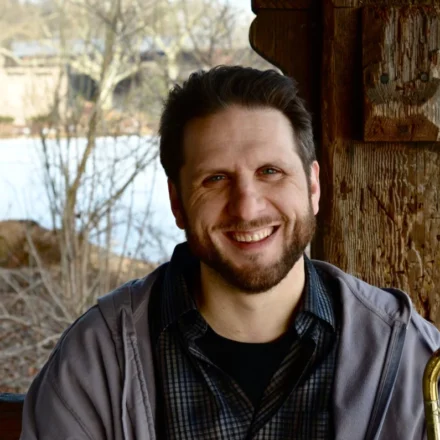
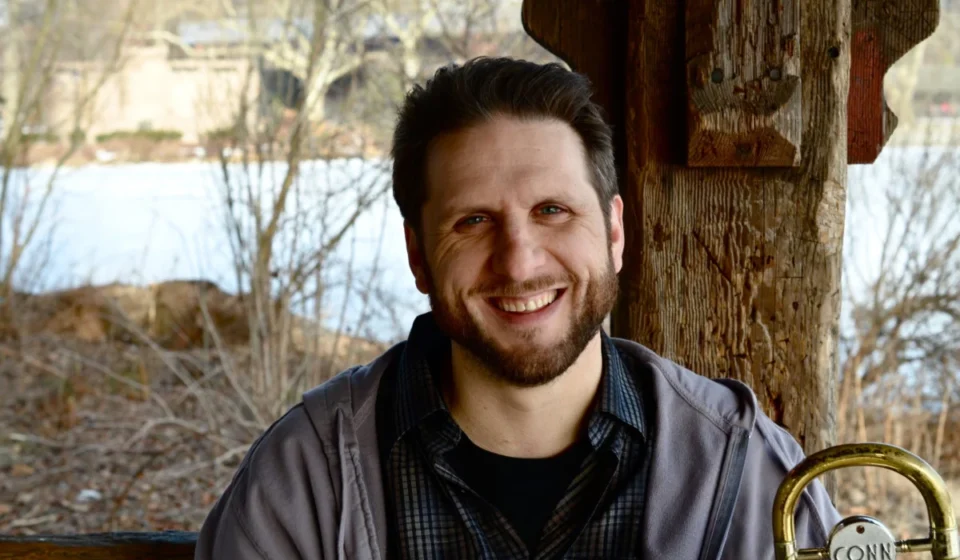
For JC Sanford, a life spent in the service of music has been defined by the high-pressure, high-art environments of New York City’s jazz clubs and the intricate complexities of big band composition. Yet, at 56, the trombonist, composer, and conductor finds himself tackling a new, entirely different set of technical challenges: the logistical orchestration of portable toilets, the precise calibration of food truck requirements, and the nerve-wracking anticipation of weather insurance.
Sanford is the primary architect and driving force behind the Northfield Jazz Festival, an event now entering its third year. What began as a modest, one-day showcase in a small Minnesota college town 40 miles south of the Twin Cities has, under Sanford’s meticulous guidance, blossomed into a multi-day cultural cornerstone. For a man who has spent decades immersed in the minutiae of musical scores, this festival has become his most ambitious composition to date—a project that balances artistic integrity with the gritty, grounded realities of community event planning.
The Genesis of a Community Staple
The story of the Northfield Jazz Festival is one of organic growth. Two years ago, the event was a boutique, day-long affair featuring three local ensembles. It was a proof-of-concept project, underwritten by a Southeastern Minnesota Arts Council (SEMAC) grant that Sanford secured through his deep professional networks.
By last year, the festival had gained enough traction to warrant a significant expansion. Partnering with the Northfield Arts Guild, Sanford tripled the event’s budget, extending the festival to three days and broadening the scope to include nationally recognized headliners alongside top-tier talent from the Twin Cities.
This weekend marks the festival’s most confident iteration yet. Supported by new grants from the Minnesota State Arts Board and Arts Experience, the 2026 festival retains the popular traditions established in its infancy while significantly beefing up its musical offerings. For Sanford, the experience has been a "real area of growth," a blend of professional expertise and the humble realization that staging a public festival requires as much diplomacy and logistical foresight as it does musical vision.
A Chronology of the 2026 Festival
The festival’s structure is designed to draw in a wide demographic, bridging the gap between Northfield’s academic population—home to Carleton and St. Olaf Colleges—and its longtime residents.
Friday Night: The Local Kickoff
The festival opens with a high-energy evening at the Grand Event Center. Returning by popular demand is the Strawberry Jazz Collective, known for their vintage jazz standards and swing-dance appeal. They will be joined by the Bend in the River Big Band. Sanford views this as a vital "on-ramp" for the local community, utilizing familiar faces to build momentum for the national acts appearing later in the weekend.
Saturday: Masterclasses and Headliners
Saturday pivots toward artistic prestige. The day features a 1:00 p.m. performance by the duo of Judi Vinar and David Stanoch at the Northfield Arts Guild Theater, followed by the Dale Alexander Trio at the Northfield Public Library at 2:30 p.m. The centerpiece of the weekend is the 7:30 p.m. performance by Grammy-nominated pianist Christian Sands at the First United Church of Christ. Sands, known for his phenomenal gusto and technical precocity, will also host a masterclass at 4:00 p.m., offering a rare opportunity for local students to engage with a world-class musician.
Sunday: The Park Tradition
The festival concludes with the Sunday template established in its inaugural year: a series of outdoor performances in Way Park, utilizing the "Showmobile," a mobile bandshell. The lineup includes the Michael Cain Trio, the Charles Gorczynsky Tango Quartet, and a closing set by the Inatnas Orchestra, conducted by Sanford and his wife, composer Asuka Kikatani. The set will feature the return of trumpeter Russ Johnson, a long-time collaborator from Sanford’s New York days, and vocalist Anya Menk, a rising star who will also conduct a vocal masterclass earlier that morning. The weekend concludes with a traditional jazz jam session at Imminent Brewing.
Supporting Data and Artistic Philosophy
Northfield’s population, which sits at approximately 20,000 including the 5,000-strong student body of its two prestigious colleges, provides a unique ecosystem for a jazz festival. Sanford recognizes that the "town versus gown" dynamic is a persistent reality in college towns, often marked by debates over taxes, land use, and communication gaps.

However, Sanford’s approach to the festival is explicitly inclusive. By maintaining a free-to-the-public model, he removes the financial barriers that often keep community members away from high-art events. The festival is funded through a combination of state grants, local arts funding, and private donations. "The idea is, everything is free," Sanford says. "If you show up, you have nothing to lose."
This accessibility is the backbone of his strategy to build a sustainable event. He encourages feedback from attendees, using their input to refine the "customer experience"—a term he uses with a touch of irony, reflecting his transition from pure musician to event producer.
Official Perspectives: The Role of Collaboration
Sanford is quick to credit the local infrastructure for the festival’s success. He notes that the City of Northfield and the Department of Tourism have been essential partners, recognizing that the festival serves a dual purpose: enriching the cultural lives of residents and acting as a destination event that draws visitors to the city.
"It is very easy to communicate with the people who work for the city departments," Sanford notes. "They tell me the steps to do what I have to do." This collaborative spirit is essential, as the festival requires complex coordination between police, public works, and the local arts community.
His perspective on the town’s evolution is also deeply personal. Having returned to Northfield a decade ago to raise his daughter, he has witnessed the town grow more diverse while retaining its foundational appreciation for the arts. The presence of the Northfield Arts Guild and the consistent integration of music into community staples like the farmer’s market creates an environment where a jazz festival can thrive, rather than feel like a forced imposition.
Implications for the Future of Regional Jazz
The Northfield Jazz Festival sits at an interesting intersection of the "big city to small town" migration pattern among American jazz musicians. As Sanford observed in a 2019 Star Tribune feature, many artists who found success in the high-stakes environment of New York City are choosing to relocate to regions like Minnesota for a better quality of life and a lower cost of living.
This trend has significant implications for the regional jazz scene. It means that small towns are no longer isolated from the innovations of the global jazz epicenter. When musicians like Sanford, Kikatani, and their peers relocate, they bring with them decades of experience, international networks, and a refined aesthetic that elevates local programming.
For Northfield, the festival serves as a testament to the fact that cultural vitality does not require a sprawling metropolis. It requires a dedicated core of organizers who are willing to navigate the "dicey details" of logistics to ensure that the music remains the primary focus.
As the festival grows, Sanford faces the ongoing challenge of scaling the event without losing its intimate, community-centered identity. Yet, his commitment remains unwavering. When asked if he would ever consider introducing a ticketed model to help cover costs, his answer is immediate: "If we ever had to start charging people, I don’t think I could keep doing this."
In a world where access to high-quality art is increasingly gated by financial or geographic barriers, the Northfield Jazz Festival stands as a refreshing exception. It is a product of meticulous planning, a deep-seated love for the craft, and the realization that the most meaningful music is that which is shared openly with the community. As the band strikes up this Friday, it will be the culmination of another year of growth—not just for the festival, but for the man behind the score.