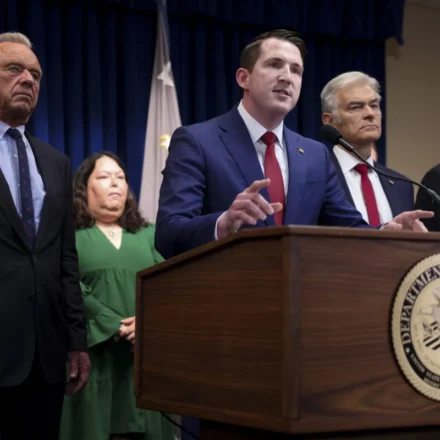



























































In the hyper-competitive ecosystem of Silicon Valley, venture capital firms have long functioned as the kingmakers of the tech world. By securing board seats in high-growth startups, these firms gain not only influence over corporate strategy but also access to proprietary data and a bird’s-eye view of emerging markets. However, a seismic shift in the regulatory landscape has emerged, centered on one of the industry’s most influential players: Andreessen Horowitz (a16z).
According to recent reports, the U.S. Department of Justice (DOJ) has launched an investigation into the firm, focusing on potential antitrust concerns regarding its practice of holding board seats in companies that are, or have become, direct competitors in the AI sector. The news has sent shockwaves through the venture capital community, leaving seasoned investors baffled by the DOJ’s choice of target and the longevity of the probe.
The Genesis of the Investigation
The investigation, first brought to light by Bloomberg, reportedly began nearly a year ago. The core of the DOJ’s inquiry centers on "interlocking directorates"—a concept rooted in the Clayton Antitrust Act, which generally prohibits the same person from serving as a director or officer for two competing corporations if that overlap could result in a restraint of trade.
In the case of a16z, the spotlight is on prominent partners. Ben Horowitz, for instance, holds a seat on the board of Databricks, while partner Martin Casado serves on the board of Fivetran. In a pre-AI landscape, these companies might have maintained distinct market identities. However, the current "AI boom" has forced rapid pivots across the tech sector. As startups scramble to integrate generative AI, their product roadmaps have converged, turning once-distinct portfolio companies into head-to-head rivals.
A Chronology of Confusion
For those observing from the outside, the timeline of this investigation is as puzzling as its subject matter.
- Mid-2025: The investigation reportedly initiates under the current administration, despite the close, well-documented ties between Andreessen Horowitz leadership and the political apparatus in Washington.
- Late 2025 – Early 2026: The DOJ continues to gather information, marking a significant departure from the trend of public-company leniency observed in other sectors.
- August 2026: Bloomberg breaks the story of the DOJ probe, triggering a wave of speculation among legal experts and venture capitalists.
- Present Day: Industry insiders remain in a state of "wait and see," as a16z maintains an uncharacteristic silence regarding the proceedings.
The length of the probe is perhaps the most glaring anomaly. Typically, an antitrust concern regarding board seats is a discrete issue: a regulator identifies the conflict, issues a mandate, and the board member resigns or the company structures an ethical wall. A year-long investigation suggests that the DOJ may be looking into something far more systemic than a simple board overlap.
The Political Paradox
One of the most compelling aspects of this story is the intersection of high-stakes politics and corporate regulation. Andreessen Horowitz has been a vocal participant in the political sphere, particularly during the Biden administration, where the firm—and its leadership—frequently took to social media to critique policy shifts, especially those concerning crypto-regulation.
Under the current Trump administration, however, the dynamic has changed. Andreessen Horowitz leadership has maintained a notably friendly relationship with the White House, with firm executives serving on various councils and advising on tech policy.
"The Justice Department should not be a tool for the president to just direct at enemies or friends," notes one industry observer. "But it’s just interesting that this is a bridge they were willing to cross, knowing how close they are with this administration."
The contrast is stark: whereas the firm was once a megaphone for opposition, they are now largely silent. This shift has led to two competing theories in the industry. The first is that the firm is following the advice of counsel, staying quiet to avoid inflaming an already complex situation. The second, more cynical theory, is that the DOJ is using a16z as a "precedent-setter"—a way to signal to smaller, less politically connected firms that the antitrust division is serious, even if it is currently playing a game of corporate favorites in other sectors.
Implications for the Venture Capital Ecosystem
The broader concern for the VC industry is whether this investigation marks the end of the "board-seat-as-standard" era. For decades, the ability of a VC partner to sit on a board was seen as a value-add. It provided founders with mentorship and firms with oversight. If the DOJ successfully argues that these seats constitute an antitrust violation, the business model of top-tier VC firms could be fundamentally disrupted.
The "Example" Theory
If the DOJ is indeed looking to create a deterrent, targeting a giant like a16z is a tactical choice. By establishing a precedent at the highest level, the DOJ effectively forces smaller firms to audit their own boards. If a16z is found to be in violation, every other firm holding board seats in overlapping AI startups will be forced to choose: divest from the board or face potential litigation.
The "Shifting Priorities" Hypothesis
There is also the possibility that this investigation is a byproduct of the current administration’s shift away from large-scale corporate prosecutions. With agencies like the SEC and the DOJ signaling a retreat from the "big fish" strategy—evidenced by the decision to settle with entities like Live Nation—investigators may have more bandwidth to focus on granular, sector-specific issues like board overlaps. When you aren’t fighting massive structural breakups, you have more time to look at the "interlocking directorates" of the venture world.
The Question of "Why Now?"
Industry experts are asking: of all the issues currently plaguing the tech landscape—from market consolidation to data privacy—why does this rise to the top?
The answer may lie in the unique nature of the AI boom. Unlike the SaaS era, where software markets were often well-defined, the AI revolution is creating a "winner-take-all" environment where companies are rapidly evolving their core products to compete for the same enterprise dollars. When a firm like Andreessen Horowitz holds board seats in multiple companies that are all building similar AI agents or LLM-integration tools, the "Chinese wall" between those companies becomes increasingly permeable.
Looking Ahead: The Path to Resolution
What happens next remains a matter of intense debate. For a16z, the options are limited. They could preemptively resign from the contested seats, a move that would minimize legal risk but potentially signal an admission of guilt. Alternatively, they could double down, arguing that their board presence is essential for the growth and stability of the startup ecosystem.
For the rest of the venture community, the wait for a resolution is nerve-wracking. The outcome of this case will define the boundaries of influence for the next decade of tech investing. If the DOJ pushes this to a conclusion, the "cozy" relationship between VC firms and their portfolio companies may be over.
As the industry continues to speculate, one thing is clear: the era of unchecked board influence is under scrutiny. Whether this leads to a new regulatory framework or turns out to be a mere blip on the radar of the DOJ, the investigation has already succeeded in doing one thing: it has forced the venture capital industry to look in the mirror and ask whether its standard practices are still compatible with the law.
Disclaimer: This report is based on current available information and ongoing journalistic inquiry. Future developments from the Department of Justice are expected as the investigation proceeds.