























































While the collective consciousness of the travel industry often fixates on the frenetic energy of summer or the snowy allure of mid-winter, a growing consensus among seasoned globetrotters and industry analysts suggests that autumn is, in fact, the superior season for exploration. As the sweltering heat of August dissipates and the school-year migration patterns settle, a unique “Golden Window” opens—one defined by economic relief, climatic perfection, and a profound shift in the rhythms of travel.
For those willing to pivot their vacation calendar, the rewards are substantial. This is a season of transition, where the world feels less like a theme park for the masses and more like an intimate landscape waiting to be discovered.
The Economic and Logistical Case for Off-Peak Travel
The most immediate benefit of autumnal travel is rooted in basic economic principles. As summer vacations conclude, the demand for airfare and accommodation naturally craters. This creates a rare equilibrium where high-quality experiences become significantly more accessible to the average traveler.
The Price-to-Value Ratio
Data consistently shows that mid-September through early November represents the lowest "shoulder season" pricing for major hubs in Europe, North America, and parts of Asia. Hotels that commanded premium rates in July often slash prices by 20% to 40% once the calendar turns to October. Beyond the raw cost, the value of the experience increases; when resorts are at 60% capacity rather than 100%, the level of service, the ease of booking spa appointments, and the exclusivity of the environment shift dramatically.
The "Empty Destination" Phenomenon
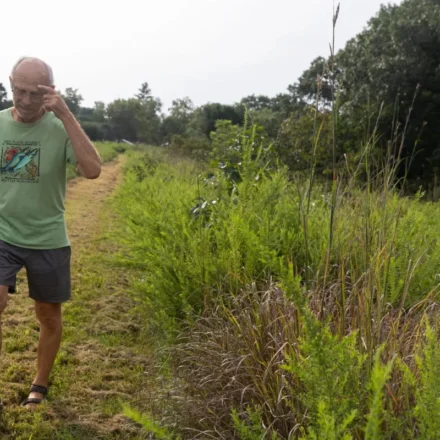
Beyond cost, the demographic shift is palpable. With children back in the classroom, the bustling, family-oriented chaos of summer attractions fades. For couples, solo travelers, and digital nomads, this creates an environment of quietude. Popular hiking trails in places like the Appalachian Mountains or the Italian Dolomites transition from congested pathways to serene, contemplative routes. This allows for a more authentic connection to the destination—a fundamental aspect of the "slow travel" movement currently gaining traction globally.
A Chronology of the Season: From Harvest to Hibernation
The autumn season is not a static block of time, but a chronological progression of distinct environmental and cultural stages. Understanding this timeline is essential for maximizing the travel experience.
Early Autumn: The Harvest and the Last Warmth
As September transitions into October, the Northern Hemisphere enters the peak of the agricultural harvest. This is the period of bounty. From the vineyards of Tuscany and the Douro Valley to the apple orchards of New York’s Hudson Valley, the landscape is defined by the labor of the harvest. Culturally, this period is marked by wine festivals and local food fairs that celebrate the culmination of the growing season.
Mid-Autumn: The Peak Foliage and Wildlife Migration
By mid-October, the meteorological shift brings the "Golden Hour" of the year. In mountainous regions, the foliage reaches its chromatic peak—a transient spectacle that draws photographers and outdoor enthusiasts alike. Simultaneously, wildlife behavior changes. In the northern latitudes, animals enter a state of hyperphagia—a biological imperative to consume massive amounts of calories before winter. For travelers, this provides a rare, albeit strictly managed, window to view species like grizzly bears, elk, and moose as they move to lower elevations.
Late Autumn: The Cozy Retreat
As November arrives and daylight hours dwindle, the nature of travel shifts inward. The shorter days make the "indulgence factor" more acceptable. It is the perfect time for thermal tourism—soaking in hot springs in Iceland or Japan, enjoying long, multi-course meals that would feel too heavy in the summer heat, and retreating to fire-lit lodges.
Supporting Data: Why the Climate Is Shifting in Our Favor
Meteorologically, autumn is often the most comfortable season for human activity. In many of the world’s most popular summer destinations—such as the Mediterranean or the American Southwest—the oppressive heat and humidity of July and August create physical barriers to exploration.
- Thermal Comfort: Autumnal temperatures offer the "Goldilocks" effect: crisp, cool mornings that facilitate hiking, and warm, pleasant afternoons that are ideal for city walking tours.
- Atmospheric Clarity: Lower humidity levels often result in clearer skies, providing better visibility for landscape photography and star-gazing, particularly in high-altitude destinations like Colorado or the Chilean Andes.
- Reduced Natural Hazards: In many regions, the volatile weather patterns associated with high-summer heatwaves—and the subsequent risk of forest fires or heat exhaustion—begin to stabilize, creating a safer environment for outdoor excursions.
Official Industry Perspectives: The Matador Network View
The Matador Network editorial team has long advocated for this seasonal pivot. According to their internal analysis, the "reset" that many people associate with the January New Year is actually more effectively achieved in the autumn.
"Most people wait for January to make a change, but fall is the true time for a reset," notes the editorial team. "The summer is often exhausting, filled with social obligations and travel pressure. Autumn offers the mental space to recover before the end-of-year holidays begin."
Their recommendations emphasize a diverse approach to the season:
- Wellness Tourism: Focusing on spas, hot springs, and forest bathing during the transition into colder weather.
- Cultural Immersion: Participating in festivals like Día de los Muertos in Mexico City, which offers a profound look into local heritage that is rarely accessible during other times of the year.
- Ethical Wildlife Observation: Emphasizing that while wildlife is more active, the priority must always be the safety and well-being of the animal, not the photograph.
Implications for the Future of Travel
The shift toward autumnal travel has broader implications for both the travel industry and the environment.
Combating Overtourism
By spreading the tourist volume more evenly throughout the year, travelers can help mitigate the negative impacts of overtourism. When visitors choose to visit a destination in October rather than July, they reduce the strain on local infrastructure, water resources, and waste management systems, contributing to a more sustainable tourism model.
Prioritizing "Slow Travel"
The inherent nature of fall—with its shorter days and cooler temperatures—naturally encourages a slower pace. There is less pressure to "see it all" in the blazing sun. This shift supports the growing movement of "slow travel," where the goal is not to check items off a list, but to integrate into the local rhythm of life.
Safety and Ethical Responsibility
As the interest in wildlife and nature travel grows during the autumn months, there is a mounting responsibility on the part of the traveler. The rise in "adventure tourism" must be balanced with strict adherence to wildlife safety protocols. The Matador Network and other conservation-minded organizations emphasize that the human desire to witness nature should never supersede the animal’s right to feed or migrate in peace.
Conclusion: The Invitation to Explore
Autumn is more than just a season; it is a mindset. It is an invitation to shed the high-stress, high-frequency travel habits of the summer and embrace a more intentional, deliberate, and cost-effective way of seeing the world. Whether it is chasing the gold-leaf forests of the North, participating in the harvest festivals of the Mediterranean, or finding a quiet, wellness-centered sanctuary before the winter sets in, the opportunities are boundless.
The world remains, as always, waiting to be discovered. But in the autumn, it reveals a different, quieter, and perhaps more authentic version of itself. It is a time to breathe, to observe, and to experience the world without the noise of the masses. As we look toward the months ahead, the question is not if you should travel, but rather, what corner of the world you will choose to experience while the leaves are turning.
See you out there.