










































The echoes of the 2020 pandemic lockdowns—the frantic transition to remote learning, the digital divide, and the profound hunger for human connection—have returned to Minnesota schools. However, the catalyst this time is not a global health crisis, but a series of aggressive, large-scale federal enforcement operations targeting immigrant communities. As thousands of federal agents saturate neighborhoods, transit hubs, and daycares across the Twin Cities, the sanctity of the classroom has been fractured, forcing educators to navigate a landscape of fear, absenteeism, and profound pedagogical uncertainty.
Unlike the uniform emergency mandates of the pandemic, the current crisis is decentralized and volatile. Schools are operating in a state of perpetual improvisation, where the composition of a classroom changes day by day, and teachers are tasked with educating students who are increasingly trapped in cycles of trauma and isolation.
The New Frontline: A Tale of Two Classrooms
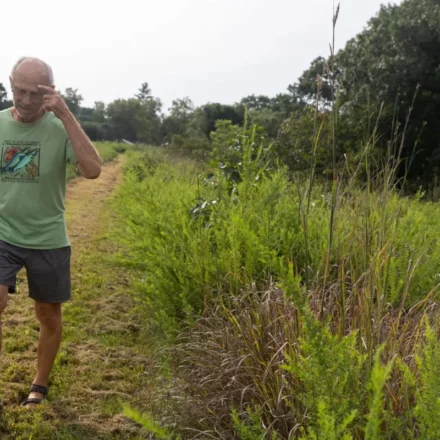
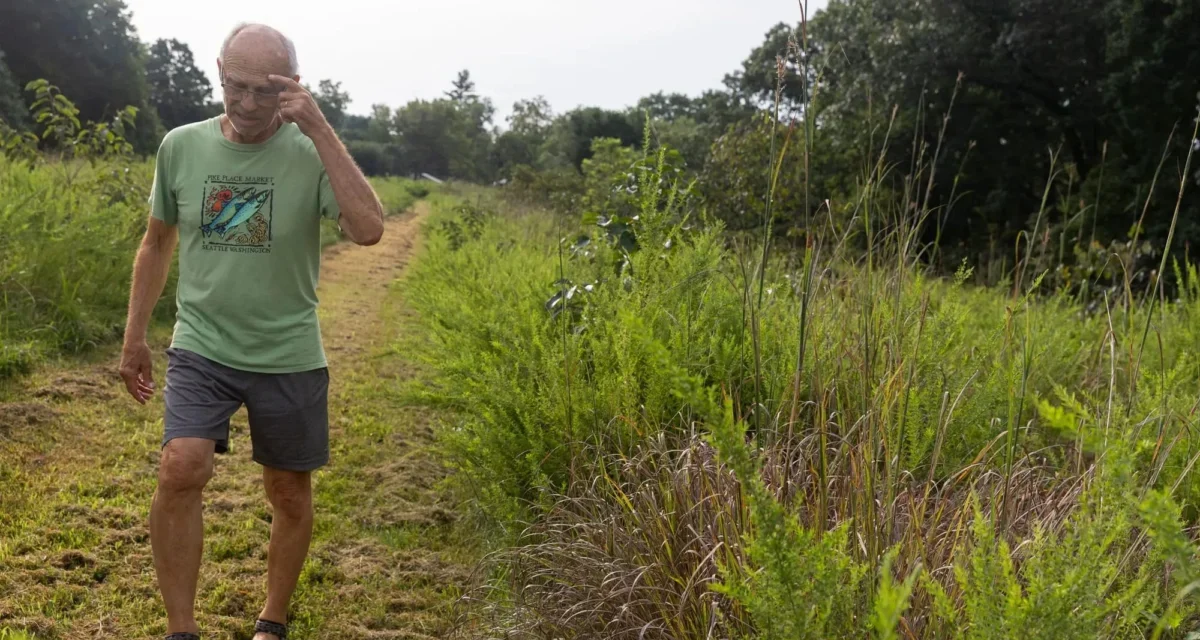
The impact of this federal surge is best viewed through the lens of those on the front lines. John Horton, a veteran teacher of 18 years at the Barack and Michelle Obama Montessori school, maintains a classroom that serves as a microcosm of the St. Paul community. Despite the mounting pressure, all 28 of his first, second, and third graders remain physically present.
"Children really, really thrive on structure, routine, and predictability," Horton explains. "During COVID, even though things were upended, there were still some structures. But with the way things are heading right now, those things aren’t present anymore."
Horton’s success in maintaining attendance is an outlier, bolstered by a tight-knit community of parents and volunteers who have organized to ensure children can reach the school safely. However, the anxiety is palpable. Families are making "mountains move" to get their children to school, yet the psychological toll of potential encounters with federal agents looms over every morning commute.
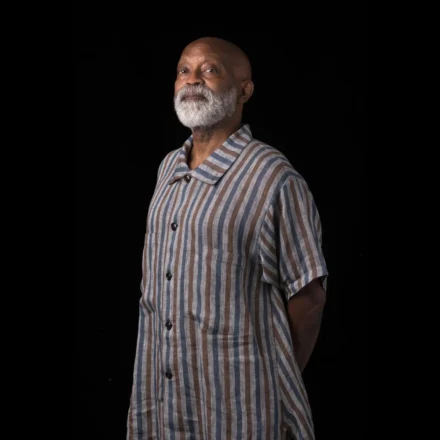
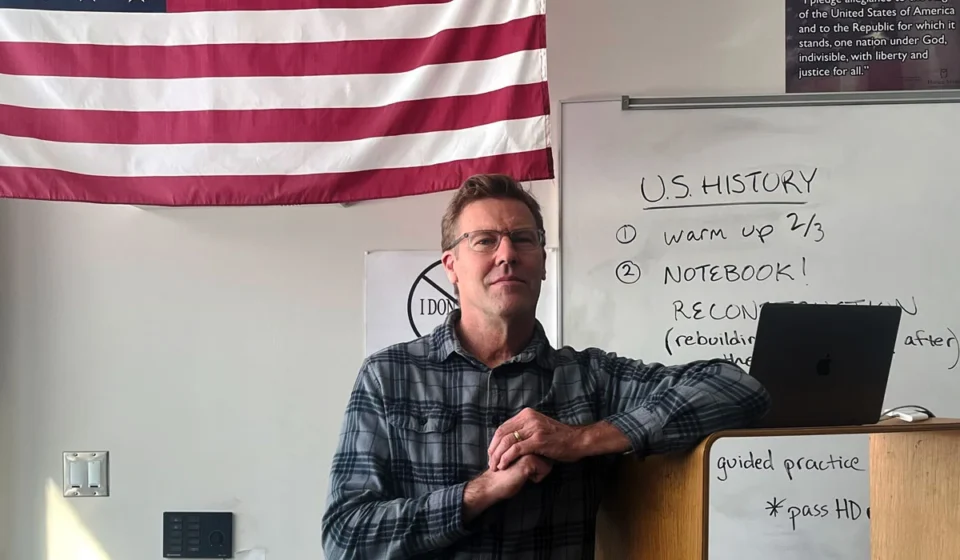
In contrast, at Como High School, 31-year veteran educator Eric Erickson is witnessing a widening chasm of inequity. His classes, which include AP Psychology and university-level government, are experiencing disparate attendance rates that mirror broader systemic fractures.
"The students who are not here tend to be students with brown skin and black skin," Erickson observes. "This division along race and ethnicity makes this version of virtual learning feel a lot more like battles we thought we had overcome in the Civil Rights Movement."
While his senior-level government course maintains 95% attendance, his co-taught U.S. history and English-learner classes see attendance rates plummeting to below 50%. For these students, the classroom is no longer a site of communal learning, but an empty desk and a screen, leaving them isolated from the peer-to-peer support systems essential for emotional and academic development.
A Chronology of Escalation
The current situation is the result of a multi-week intensification of federal presence in the Twin Cities.
- Initial Surge: Starting in late 2025 and accelerating into early 2026, reports surfaced of federal agents conducting operations near schools and bus stops, creating a "chilling effect" on immigrant families.
- The Breaking Point: The situation reached a critical juncture in early January 2026, following the death of Renee Good. The incident triggered a wave of student walkouts and school shutdowns across Minneapolis and St. Paul as communities demanded safety and accountability.
- Organized Resistance: By mid-January, the "Mothers of Massive Resistance"—a coalition of PTA members and local activists—began coordinating relief efforts and safety escorts for students.
- Legal Action: Recognizing that standard school operations were no longer viable, Minnesota school districts and the local teachers’ union initiated a lawsuit against the federal government, arguing that the targeting of educational spaces disrupts the constitutional right to a safe learning environment.
- The Ninth Week: As the crisis enters its ninth week, the initial scramble has settled into a grim, long-term state of emergency where "virtual learning" has become a permanent, if inadequate, fixture for displaced students.
Supporting Data and the Digital Divide
The return to remote learning in 2026 is distinct from 2020 because it is forced by fear rather than public health mandates. While districts have scrambled to reassign teachers to virtual platforms, the data indicates a failure of equity.

Teachers report that students who miss in-person instruction suffer from:
- Learning Loss: The inability to process complex historical or political concepts through immediate, live classroom debate.
- Mental Health Degradation: Increased feelings of isolation, exacerbated by the lack of direct, caring adult interaction.
- Social Fragmentation: The loss of the classroom as a "third space" where students can find hope, joy, and a reprieve from the stresses of their home environments.
For educators like Erickson, the lack of in-person attendance isn’t just about missing a lesson—it’s about the erasure of the social fabric of the school. "There is no substitute," he says. "Students who miss live interaction cannot obtain the same quality of education."
Official Responses and the Legal Battle
The response from the educational establishment has been one of defiance. The lawsuit filed by Minnesota school districts and the teachers’ union characterizes the federal activity as an unacceptable overreach. The districts argue that the presence of federal agents near school zones violates the long-standing (though often informal) policy of keeping schools as "sensitive locations" where enforcement activities are discouraged.
"None of this is normal," has become the refrain of parents and educators alike. The federal government, meanwhile, has maintained its stance on national security priorities, but the local outcry has forced a national conversation regarding the boundaries of executive power and the role of the state in protecting the educational rights of all children, regardless of citizenship status.
The Human Cost: Implications for the Future
The implications of this era extend far beyond test scores. There is an emotional tax on the teaching profession that is rarely quantified. Teachers are currently forced to "co-regulate" with their students—modelling calm and compassion while processing their own fears and the heartbreak of seeing their students’ lives upended.
"Sometimes as an adult and a parent, you just have to put aside your own preferences for the good of the group," Horton says, noting that he often has to suppress his own anxiety to provide a sense of normalcy for his students.
The students, for their part, are becoming acutely aware of the world around them. In Montessori classrooms, children are using art to express "ICE out" sentiments; in high schools, students are analyzing the U.S. Constitution and questioning the failure of checks and balances as they witness the federal surge firsthand.
When these students walked out of their schools in January to march on the Capitol, they were not just participating in a protest; they were asserting their right to exist in the public sphere. They are learning, in real-time, the lessons of civics that their textbooks only outline in theory.
As this emergency continues, the long-term impact on the Minnesota education system remains uncertain. The "chasm of unequal opportunity" that Erickson fears is already widening, creating a generation of students who have learned that their government may view their schools not as sanctuaries, but as targets. The challenge for the future will be to repair the trust that has been severed and to ensure that the classroom remains a space where the next generation can pursue knowledge, hope, and humanity, rather than fear.