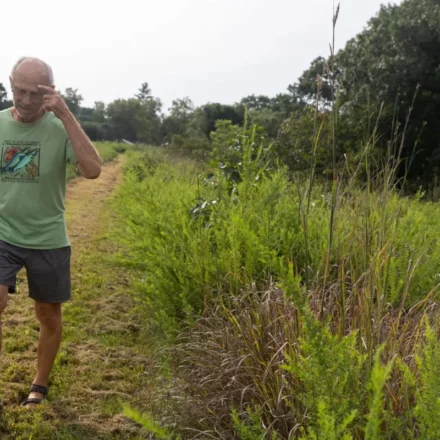

















































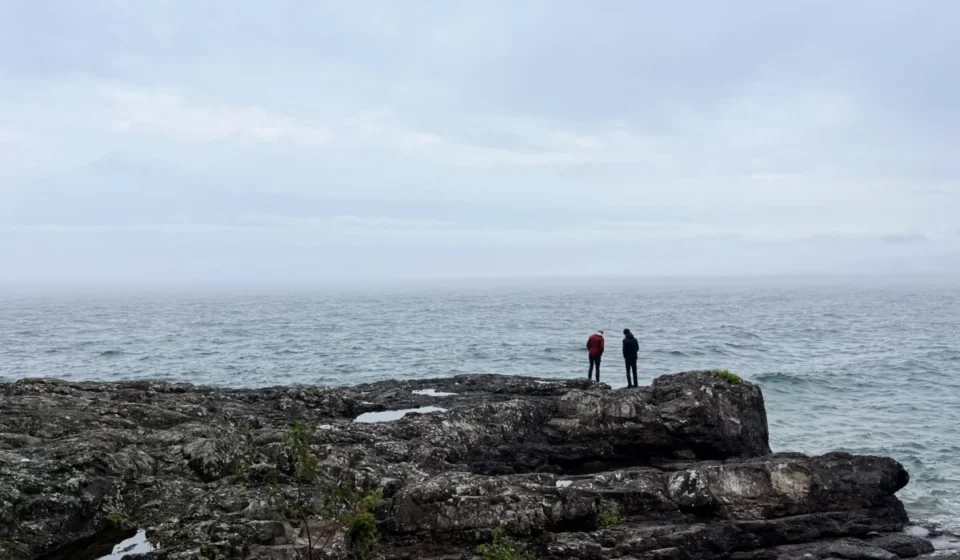

The rugged coastline of Lake Superior has long been a site of geological wonder, where 1.1-billion-year-old volcanic rock meets the relentless, rhythmic pulse of the inland sea. Nestled along this dramatic edge, about 45 miles north of Two Harbors, lies Sugarloaf Cove—a nature preserve that serves as both a sanctuary for wildlife and a living testament to environmental resilience.
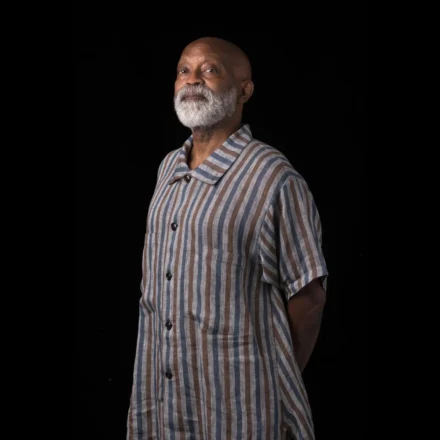
On July 11, this storied preserve will mark a significant milestone: a grand re-opening of its newly renovated nature center. Yet, the celebration extends beyond architectural updates. It features the debut of two immersive audio installations by Minneapolis-based writer and public artist Diver Van Avery. These works, designed to be experienced while walking the preserve’s trails, offer visitors a unique, meditative lens through which to view the landscape—a project that bridges the gap between human history, ecological recovery, and the restorative power of art.
A Legacy of Transformation
To understand the significance of Van Avery’s work, one must first understand the land itself. Sugarloaf Cove, now a protected site managed by the nonprofit Sugarloaf: The North Shore Stewardship Association (in partnership with the Minnesota Department of Natural Resources), has not always been a pristine wilderness.
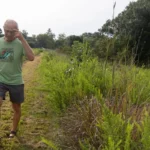
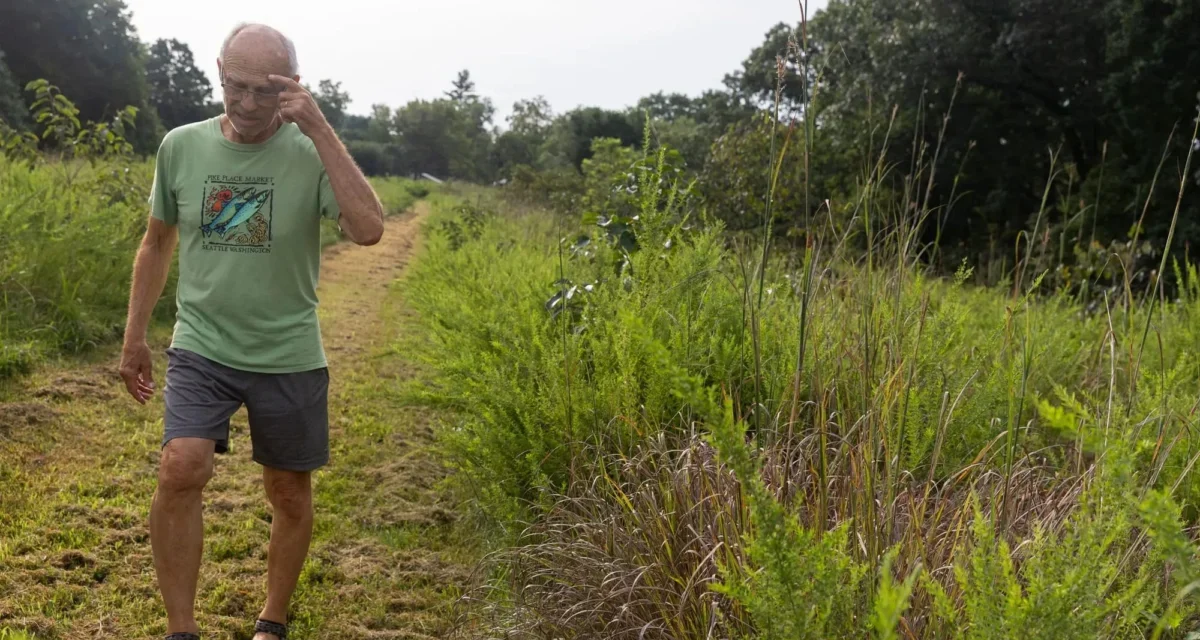
"You learn right away when you’re there that it used to be clear-cut," Van Avery explains. For decades, the site served as an industrial log storage facility, a footprint that left a profound impact on the local ecosystem. However, in a relatively short timeframe, the land has undergone a remarkable metamorphosis. "It has—really in our lifetimes—come to be this forested place that feels wild," Van Avery says. "My little ecological-minded soul always felt touched by it."
This tension between the scars of industry and the vitality of regrowth forms the thematic bedrock of Van Avery’s artistic approach. The preserve sits on land acquired by the U.S. government from the Ojibwe through the 1854 Treaty of La Pointe, a history that adds layers of cultural weight to the geological deep time visible in the site’s wavy lava-formed rocks and 2.7-billion-year-old pebbles.
The Evolution of an Artist
Diver Van Avery is no stranger to unconventional creative venues. As both a writer and a licensed therapist, their work frequently interrogates the boundaries between public space, community engagement, and the individual interior life. Their portfolio includes projects like Poetry and Pie, an annual gathering in Minneapolis’s Powderhorn Park that emphasizes the communal nature of literature and food, and the Poetry Mobile, a collaboration with sculptor Adam Croft that repurposed a golf cart into a functional, roaming writing studio.
Van Avery’s transition to the North Shore was organic. Following a successful 2024 collaboration titled The Seeker—an audio project that explored climate anxiety and grief—the artist found themselves returning to the preserve. "People listening to things through headphones have a unique, solitary experience that is also quite intimate," Van Avery notes. "That felt really compelling to me."
The Audio Installations: "The Successors" and "The Beholder"
The two new pieces premiering on July 11 represent a collaborative effort with a diverse team of musicians.
The Successors serves as a historical and future-oriented dialogue. With sound design and composition by Peter Morrow, and featuring the vocal talents of Theo Langason and Christian Bardin, the piece invites listeners to contemplate the passage of time—from the site’s industrial past to its present status as a protected ecological haven.
In contrast, The Beholder leans into the aesthetic and meditative qualities of the cove. Musicians Margot Bassett Silver and Crystal Myslajek composed a score intended to anchor the listener in the present moment. By guiding visitors into a state of heightened mindfulness, the piece aims to deepen the connection between the observer and the natural environment.

Contextualizing the Collaboration
The decision by Sugarloaf: The North Shore Stewardship Association to commission these works is part of a broader strategy to diversify how the public engages with the land. Molly Thompson, the executive director of the organization, views these artistic interventions as essential to the site’s mission.
"It just opens up a whole new audience for us," Thompson says. "It gets people to enjoy the site and experience nature in a different way than they normally would."
This is not the first time the preserve has welcomed artists. In 2021, the site hosted a notable installation by Sean Connaughty in partnership with the Grand Marais Art Colony. Connaughty’s "giant round nests," constructed from natural materials, were placed throughout the property, and remnants of these structures remain today, serving as a physical reminder of the dialogue between human creation and the wild.
The Physical Transformation: A New Nature Center
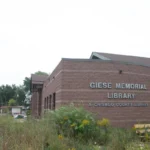
While the audio installations provide an internal journey for visitors, the physical environment of Sugarloaf Cove is also receiving a facelift. The nature center’s interior has been redesigned by Split Rock Studios, a firm renowned for its work on high-profile regional projects, including the Bell Museum of Natural History and the Chik-Wauk Museum & Nature Center.
The renovation aims to improve the visitor experience, providing a more cohesive narrative about the region’s geological and human history. By integrating modern, accessible design with the preserve’s rugged, ancient setting, the stewardship association hopes to ensure that the site remains a vibrant hub for education and conservation for years to come.
Implications for Future Stewardship
The integration of arts programming into environmental preservation efforts is a growing trend, reflecting a shift in how we conceive of "nature centers." No longer just locations for biological observation, these sites are increasingly becoming cultural nodes where the public can process complex feelings about the climate, history, and our place within the landscape.
For Van Avery, the work at Sugarloaf Cove is an invitation to slow down. In a world that often demands constant attention and rapid consumption, the act of walking a trail while listening to a score designed specifically for that path is an act of defiance. It is a way to honor the "wildness" that has reclaimed the shore, and to acknowledge the humans who have stewarded it, from the Ojibwe to the present-day members of the Sugarloaf association.
Visitor Information and Logistics
The grand re-opening event on July 11 is scheduled for 1 p.m. to 4 p.m. at 9096 Hwy. 61 in Schroeder. Visitors will have multiple ways to engage with the audio installations:
- Digital Access: Guests are encouraged to download the tracks from the Sugarloaf website prior to arrival, as cellular and internet service is limited at the site.
- On-Site Rentals: A limited number of iPods and headphones will be available for checkout at the center.
- Live Performances: At 3 p.m., the musicians involved in the project—Bardin, Langason, and Morrow—will perform live, bridging the gap between the recorded audio and the physical reality of the cove.
Additionally, the event will feature a nature craft station and a personalized poem station, reinforcing the intersection of creativity and the natural world. As the North Shore enters the height of the summer season, the re-opening of Sugarloaf Cove serves as a poignant reminder of the power of restoration—both for the land and for the human spirit.
Editor’s Note: An earlier version of this report incorrectly identified musician A.P. Looze as a collaborator on "The Successors." Looze was involved in a prior project with Van Avery. This version has been updated to reflect the correct team members.