























































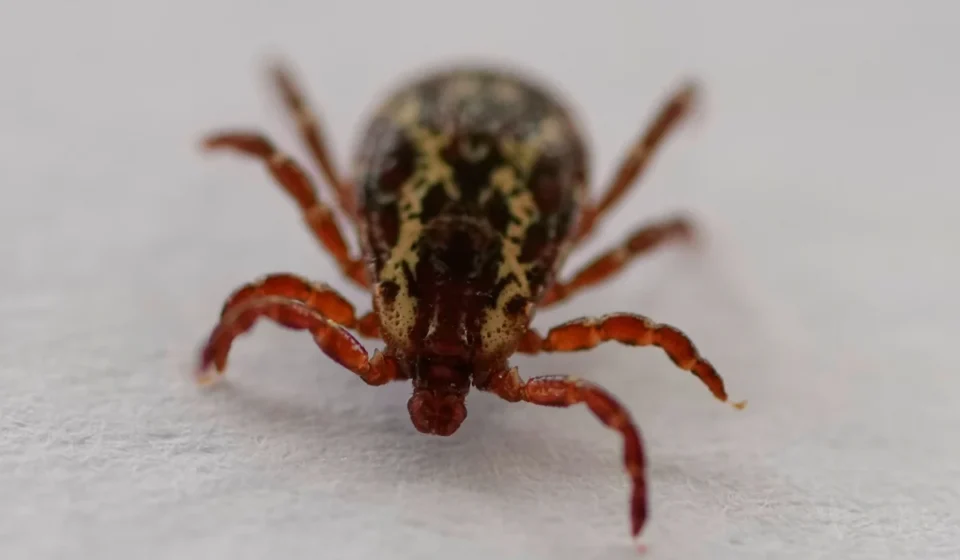

As the winter frost recedes and the landscape turns a vibrant green, millions of Americans are eager to reclaim the outdoors. However, this seasonal migration toward parks, hiking trails, and backyard gardens brings with it an invisible, burgeoning danger: the deer tick. Experts are raising alarms that the 2026 tick season is not merely arriving on schedule—it is arriving with unprecedented intensity.
On April 23, 2026, the Centers for Disease Control and Prevention (CDC) issued a stark warning: emergency room visits stemming from tick bites have surged to their highest levels since 2017. This spike suggests a potentially severe season for Lyme disease and a host of other tick-borne pathogens. For public health officials and infectious disease specialists, this is a clear signal that the intersection of climate change and human encroachment into wild habitats has created a "perfect storm" for vector-borne illness.
The Magnitude of the Crisis: A Persistent Public Health Challenge
While official state health departments reported over 89,000 cases of Lyme disease in 2023, the true scale of the epidemic remains significantly higher. Epidemiologists estimate that the actual annual incidence in the United States likely approaches 500,000 cases. This discrepancy exists because many cases remain undiagnosed, misdiagnosed, or are never reported to the authorities.
Lyme disease, named for the Connecticut town where it was first identified in 1975, is caused by the bacterium Borrelia burgdorferi. It is primarily transmitted by the black-legged tick, or "deer tick." These arachnids serve as the primary vector, acquiring the bacteria after feeding on infected hosts—typically mice, birds, or deer—before transferring the pathogen to humans during a feeding session that usually requires 24 to 48 hours of attachment.
Chronology of a Growing Threat
The trajectory of Lyme disease over the last three decades has been one of relentless expansion. Since 1995, the incidence of reported cases in the U.S. has nearly doubled, fueled by a complex interplay of environmental factors.
- 1975: The first cluster of cases is identified in Old Lyme, Connecticut, leading to the identification of the pathogen.
- 1990s–2000s: Ticks begin a documented geographic migration. As global temperatures rise, the "tick belt" expands, pushing further north into Canada and further west into the Upper Midwest.
- 2020–2025: Rapid development of forested land brings human housing closer to tick-heavy ecosystems. Simultaneously, changing rainfall patterns and shorter winters allow tick populations to survive in regions that were previously too harsh.
- 2026: The current season marks a record-breaking start for emergency room visits, signaling that the warming climate has accelerated the life cycle of these pests.
Supporting Data: Why the Geography of Lyme is Changing
The geographic footprint of Lyme disease is no longer confined to the Northeast. While approximately 90% of U.S. cases still originate from the Northeast, the mid-Atlantic corridor (from Virginia to eastern Canada), and the Upper Midwest (Wisconsin, Michigan, and Minnesota), the map is shifting.
Data indicates that warmer weather is the primary driver. Ticks, which emerge when temperatures climb above freezing, now have a longer active window. In some southern regions, they are becoming year-round residents.
Furthermore, human behavior has exacerbated the risk. The conversion of rural woodlands into suburban sprawl has reduced the natural predators of deer and rodents, leading to an overabundance of hosts for ticks. As these animals move closer to our homes, they bring their parasitic hitchhikers with them, effectively placing the disease-carrying ticks in our backyards.
Clinical Realities: Symptoms and Diagnostic Hurdles
As an infectious disease clinician, I have witnessed the toll this illness takes on patients who, in many cases, never even recalled being bitten. The elusive nature of the tick bite—which is often painless—means that the infection can gain a foothold long before a patient seeks medical attention.
Early Warning Signs
Early-stage Lyme disease typically manifests within three to 30 days post-bite. Classic symptoms include:
- Fever and Chills: Often mistaken for a common cold or flu.
- Fatigue and Muscle Aches: A persistent, heavy exhaustion.
- The Bull’s-Eye Rash: Known medically as erythema migrans, this target-like rash appears in 70% to 80% of patients. It is a hallmark sign, though its absence does not rule out infection.
The Diagnostic Challenge
Diagnosis remains difficult. Blood tests for antibodies are standard, but they suffer from a "window period." If a patient is tested within the first two weeks of infection, the test may return a false negative, providing a false sense of security while the bacteria continue to disseminate.
Official Responses and Medical Innovations
The medical community is not standing idle. Pharmaceutical research is currently reaching a critical milestone. In March 2026, Pfizer and Valneva released promising data from a late-stage clinical trial of a new Lyme disease vaccine candidate. The results indicated that the vaccine successfully prevented the disease in 70% of study participants. While this is not yet a panacea, it represents the most significant breakthrough in Lyme prevention in years.
Current treatment protocols rely heavily on a two- to four-week course of antibiotics. In the vast majority of cases, this regimen is effective at eliminating the bacteria. However, in instances where the disease is allowed to progress, the outcomes are far more severe.
Implications: When Lyme Becomes Chronic
If left untreated, Borrelia burgdorferi can spread throughout the body, causing systemic inflammation that may last for months or even years.
The Long-Term Toll
- Lyme Arthritis: Approximately 60% of untreated patients will eventually experience joint inflammation, typically in the large joints like the knees.
- Cardiac and Neurological Involvement: In rarer, more severe cases, the bacteria can infiltrate the heart tissue or the nervous system. This can lead to Lyme meningitis—inflammation of the membranes surrounding the brain—causing severe neck pain, cognitive "fog," memory loss, and personality changes.
- Autoimmune Triggering: Emerging research suggests that Lyme can act as a catalyst for autoimmune disorders, where the body’s immune system mistakenly attacks healthy cells long after the initial bacterial infection has been cleared.
Some researchers believe that lingering symptoms occur because remnants of the bacteria’s cell wall persist in the joints, triggering a chronic inflammatory response. Others hypothesize that the damage to the peripheral nervous system is simply so extensive that it requires years to heal, or that the damage has become permanent.
How to Protect Yourself This Season
Until a vaccine is widely available, personal diligence remains the best line of defense. The following strategies are essential for anyone spending time outdoors:
- Strategic Clothing: Wear long sleeves and pants tucked into socks. Light-colored clothing makes it easier to spot ticks before they attach.
- Repellents: Utilize EPA-approved insect repellents, such as those containing DEET or Picaridin. For clothing and gear, permethrin is highly effective and can withstand multiple washings.
- The Post-Hike Audit: Perform a full-body tick check immediately upon returning indoors. Pay close attention to warm, hidden areas: the groin, armpits, scalp, and behind the knees.
- Landscape Management: Keep your lawn mowed and clear brush or leaf litter where ticks thrive. Consider creating a gravel barrier between wooded areas and your patio or play area.
- Prompt Removal: If you find a tick, remove it immediately using fine-tipped tweezers. Grasp the tick as close to the skin as possible and pull upward with steady, even pressure. Do not twist or crush the body, as this can force bacteria into the bloodstream.
As we move deeper into the 2026 season, awareness is our greatest asset. Lyme disease is a formidable opponent, but through understanding the risks, recognizing the symptoms early, and practicing consistent prevention, we can continue to enjoy the natural beauty of our world without succumbing to its hidden threats. If you suspect you have been bitten or are experiencing symptoms, do not wait—consult your healthcare provider immediately. Early intervention is the difference between a minor health hurdle and a life-altering condition.