























































The Silicon Edge: Inside Waymo’s Vertical Integration and the Shifting Landscape of Autonomous Mobility

Welcome to this week’s edition of TechCrunch Mobility, your definitive briefing on the rapidly evolving world of autonomous transportation, robotics, and the future of logistics.
The Silicon Strategy: Why Waymo is Building Its Own Brain
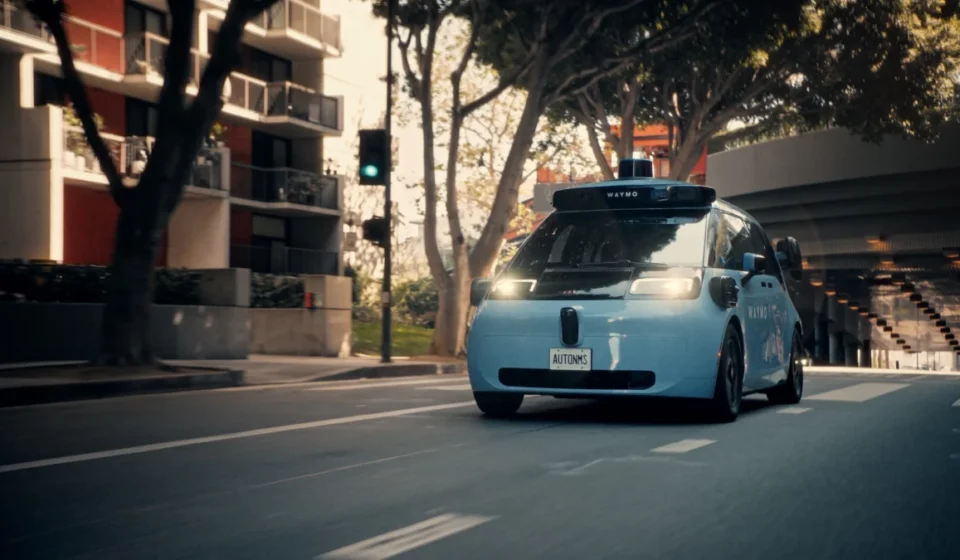
Waymo’s aggressive expansion across the United States has become the industry’s North Star. With robotaxis appearing in new service zones almost weekly, the company is proving that autonomous ride-hailing is no longer a futuristic concept—it is a burgeoning utility. However, the true story behind this scaling isn’t just about the number of cars on the road; it is about the sophisticated engineering happening under the hood.
This week, Waymo pulled back the curtain on its sixth-generation self-driving system, specifically highlighting the development of a custom 5nm ASIC (Application-Specific Integrated Circuit) chip. As the company rolls out its Ojai robotaxi platform to the public in Los Angeles, Phoenix, and San Francisco, it has become clear that hardware efficiency is the primary lever for achieving profitability.
Technical Performance and Strategic Partnerships
The custom silicon is designed to ingest and process raw data from the Ojai’s 13 high-fidelity cameras before it ever reaches the vehicle’s primary compute stack. By delivering over 1,000 TOPS (trillions of operations per second), this chip places Waymo in direct competition with top-tier automotive processors like Nvidia’s DRIVE AGX Thor.

Waymo’s move toward vertical integration is not an attempt to go it alone. The company disclosed a robust supply chain ecosystem, naming partners such as AMD, Micron, Nvidia, Samsung, Sandisk, Socionext, and TSMC. This hybrid approach—designing proprietary silicon while leveraging global manufacturing giants—suggests that Waymo is prioritizing performance-per-watt and latency reduction to navigate high-density urban environments safely.
A Security Pivot: The Idaho National Laboratory Investigation
While Waymo focuses on the "brain" of the vehicle, other industry players are dealing with the "eyes." A recent investigation by the Idaho National Laboratory (INL) into Chinese lidar sensors has sent shockwaves through the automotive sector.
Sources indicate that the research, which examines potential security vulnerabilities in foreign-sourced sensing hardware, is being funded by private entities within the electric and autonomous vehicle industry. This suggests a growing anxiety among U.S. manufacturers regarding the supply chain security of critical autonomous components. When queried by TechCrunch, major players including Rivian, General Motors, Ford, and Nuro stated they were unaware of the review, while other industry heavyweights, such as Aurora and Zoox, declined to comment. This investigative initiative marks a critical turning point where national security interests are beginning to intersect directly with commercial AV procurement.
Chronology of Market Shifts
The past seven days have been a whirlwind of corporate maneuvers and strategic pivots. Here is how the landscape shifted:

- August 17: Uber announces a partnership with Zipline, aiming for a massive scale of 1 million drone deliveries per day by 2029.
- August 18: Einride secures a deal to add 500 Tesla Semis to its electric freight fleet over the next two years. Simultaneously, Grounded raises $5 million to push its van-customization business forward.
- August 19: Waymo officially opens the Ojai robotaxi service to all riders in its three primary hubs. Rivian spinout Also raises $150 million, signaling a shift from micromobility to autonomous delivery.
- August 20: Nevada regulators issue permits that could see up to 8,000 robotaxis deployed across Clark County (Las Vegas) over the next 12 months.
- August 21: The Dutch Data Protection Authority fines Uber €825 million for illegal automated driver suspensions. Meanwhile, Waymo submits redacted documents to the NHTSA regarding a low-speed collision involving a child.
Supporting Data: The Economics of Scaling
The financial health of the mobility sector remains tied to the ability to scale delivery and ride-hailing services efficiently.
- The "Also" Pivot: The startup Also has raised $455 million since its inception in March 2025. Their evolution from a pedal-assist bike manufacturer to a developer of autonomous small electric vehicles demonstrates the "delivery-first" strategy currently dominating the venture capital space.
- Serve Robotics’ Resilience: After Uber sold its stake in Serve Robotics and signaled a reduction in usage, Serve successfully diversified its client base by partnering with Grubhub and expanding its DoorDash footprint into San Jose and D.C. This serves as a cautionary tale for startups: dependency on a single "big tech" partner is a significant risk.
- Freight Electrification: Einride’s commitment to Tesla Semis, despite Tesla’s tempered production expectations for 2026, highlights the desperate demand for heavy-duty electric logistics solutions.
Official Responses and Regulatory Pressure
Regulatory scrutiny is intensifying as the scale of autonomous operations grows. The recent €825 million fine against Uber in the Netherlands regarding the automated suspension of drivers highlights the growing friction between algorithmic management and labor laws.
Simultaneously, the NHTSA’s ongoing probe into Waymo’s child-collision incident—coupled with the redacted nature of the provided documents—has put the industry on notice. Transparency is no longer an optional PR strategy; it is a legal prerequisite for further deployment. In Nevada, the granting of permits for 8,000 robotaxis signifies a "gold rush" mentality among regulators and operators alike, though experts warn that the real-world operational challenges of integrating thousands of autonomous units in a high-traffic tourist hub like Las Vegas will be the ultimate test of the current technology.
Implications: The Future of Mobility
What does all this mean for the average consumer and the broader automotive industry?

- Vertical Integration is King: Companies that control their own hardware, from the silicon up to the sensor suite, will likely outpace those that rely on third-party integration. Waymo’s chip announcement proves that proprietary compute power is the moat that will separate the winners from the losers in the autonomous race.
- Geopolitical Supply Chains: The INL investigation into lidar signals that the "autonomous car" is now a geopolitical asset. We should expect to see increased domestic sourcing and stricter vetting processes for all "eyes and ears" (sensors) on future vehicles.
- The End of the "One-Partner" Era: The Serve Robotics/Uber split demonstrates that the industry is maturing. Startups are learning to play the field, spreading their technology across multiple delivery platforms to ensure survival in a volatile market.
- Urban Integration: The massive deployment plans in Nevada and the aggressive expansion of drone delivery by Amazon and Uber suggest that by 2027, the "last mile" will look fundamentally different. However, the speed of this change will be dictated by how well these companies navigate the increasing regulatory skepticism regarding data privacy and public safety.
As we look toward the remainder of 2026, the industry is clearly moving from the "proof of concept" phase into the "operational excellence" phase. Whether it is a custom ASIC chip in a Waymo robotaxi or a Zipline drone hovering over a residential street, the technology is moving faster than the policy. The next year will determine whether the industry can maintain its current momentum or if it will be slowed by the very regulations it has spent a decade trying to shape.
Do you have a tip for our editorial team? Reach out to Kirsten Korosec at [email protected] or contact Sean O’Kane at [email protected]. For secure communications, reach out via Signal at kkorosec.07.