





















































For decades, the standard American garden was a uniform landscape of manicured grass, non-native annuals, and high-maintenance flora. However, a quiet, leafy revolution is taking root. Across the country, from the urban greenhouses of Chicago to the sprawling nurseries of the Midwest, "weeds"—once discarded and despised—are now the most coveted items in the horticultural market.
This shift represents more than just a change in aesthetic preference; it is a profound pivot toward ecological resilience. As climate change brings more frequent heatwaves, unpredictable droughts, and severe flooding, homeowners and municipal gardeners alike are turning to the plants that have been evolving in their specific regions for millennia.
The Kilbourn Park Phenomenon: A Microcosm of Change
At the Kilbourn Park greenhouse on Chicago’s North Side, the evidence of this shift is visible in the physical exhaustion and excitement of its staff. Renee Costanzo, the Chicago Park District’s sole full-time employee at the facility, recently oversaw the culmination of a massive, months-long operation. By mid-spring, she and a team of dedicated volunteers had prepared over 15,000 seedlings, ranging from traditional vegetable starts to specialized native species.
The annual plant sale at Kilbourn Park has long been a community staple, typically drawing roughly 1,100 attendees. This year, however, the event shattered all previous records. More than 2,300 shoppers descended on the park, eager to purchase flora at $4 a piece. While traditional favorites like zinnias, marigolds, and geraniums remained popular, the star of the show was the surge in demand for native species.
"We generally start these annuals at the end of February," Costanzo said, gesturing toward the rows of vibrant flowers. "We’ve been coddling and loving these babies for months now, and we just want to get them into happy homes." Yet, it is the native section that has seen the most dramatic growth. Five years ago, native plants were a niche interest; today, nearly one in five plants offered at the sale is a native species. Costanzo, who experimented with 30 different native varieties this year, views this as a direct response to a more informed and environmentally conscious public.
Chronology of a Botanical Transformation
The journey of native plants from the periphery to the mainstream has been a slow, persistent climb. For much of the 20th century, the American landscape was dominated by imported ornamental species that required significant chemical intervention, irrigation, and constant pruning.
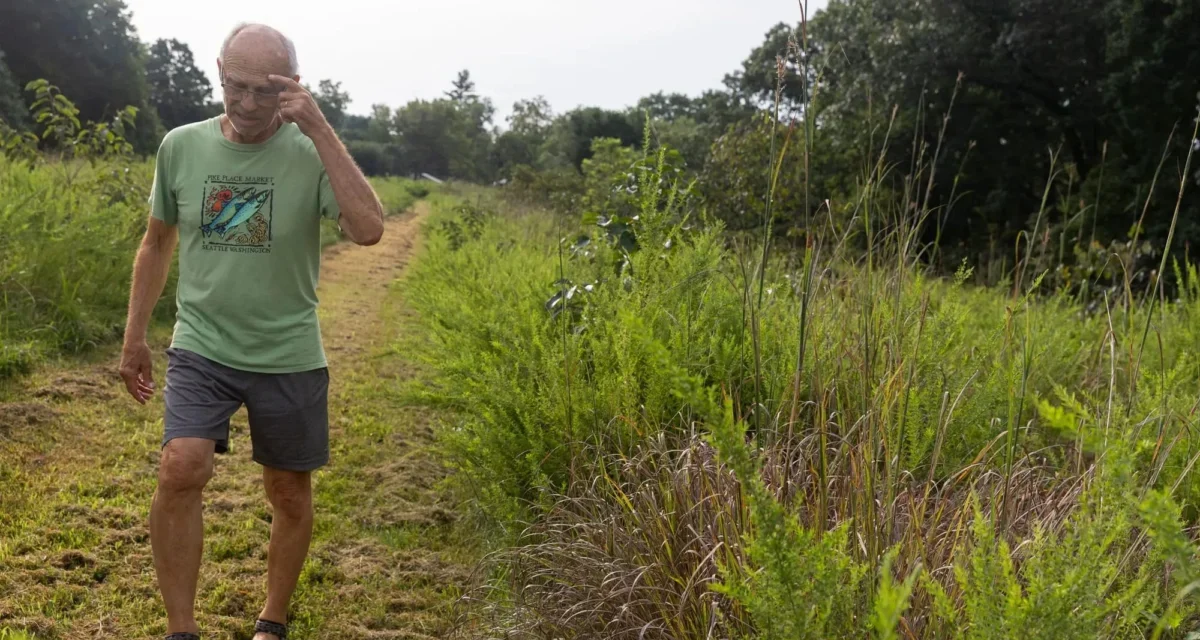
The Early Years (1980s–1990s): During this period, native plants were largely confined to botanical gardens and the backyards of a small group of ecological enthusiasts. Neil Diboll, president of Prairie Nursery in Wisconsin, recalls the industry’s infancy. "I’ve watched this for 44 years, from almost zero to now," he noted. In 1982, his nursery grossed a modest $13,000—a figure he describes as having added several zeros to since then.
The Turning Point (2000s–2010s): As awareness of local biodiversity loss grew, nonprofit organizations like Wild Ones began to gain traction. What started as a small gardening club in Milwaukee expanded into a national powerhouse of ecological advocacy. The focus shifted from merely "gardening" to "habitat restoration."
The Modern Era (2020–Present): The COVID-19 pandemic served as a major catalyst for home gardening, but the subsequent focus on climate resilience solidified the trend. Consumers are no longer just looking for pretty flowers; they are looking for plants that can survive the intensifying local weather extremes.
Supporting Data: The Economic Engine of Restoration
The data confirms that the "native trend" is a significant economic force rather than a passing fad. The scale of the movement is evidenced by the production numbers of major nurseries and advocacy groups:
- Prairie Nursery (Wisconsin): Last year, the nursery reported a 7 percent increase in native plant sales, with current output reaching approximately 500,000 plants, alongside vast quantities of native seeds.
- Prairie Moon Nursery (Minnesota): Becky Klukas-Brewer, the firm’s co-owner, reports a staggering 350 percent increase in sales over the last seven years, with total orders tripling.
- Wild Ones: This national nonprofit now boasts over 14,000 members. Last year alone, the organization facilitated the sale of 110,000 native plants through 107 organized events, with an additional 40,000 distributed through various educational programs.
These figures suggest that the demand for ecological gardening is outstripping the supply in many regions, forcing nurseries to rapidly scale up their operations to meet the appetite of a public newly invested in "rewilding" their spaces.
Official Responses and Ecological Implications
The push for native plants is heavily driven by the intersection of climate change and the alarming decline in insect populations. Experts emphasize that native plants are not just aesthetic choices—they are the foundation of a healthy ecosystem.
"Native plants have been adapting to change for thousands of years," says Tiffany Jones, who leads habitat education for the National Wildlife Federation. "They need less water, less maintenance, and they’re incredibly resilient—not to mention they help flood prevention with their deep root systems and provide habitat for all kinds of crucial species and pollinators."
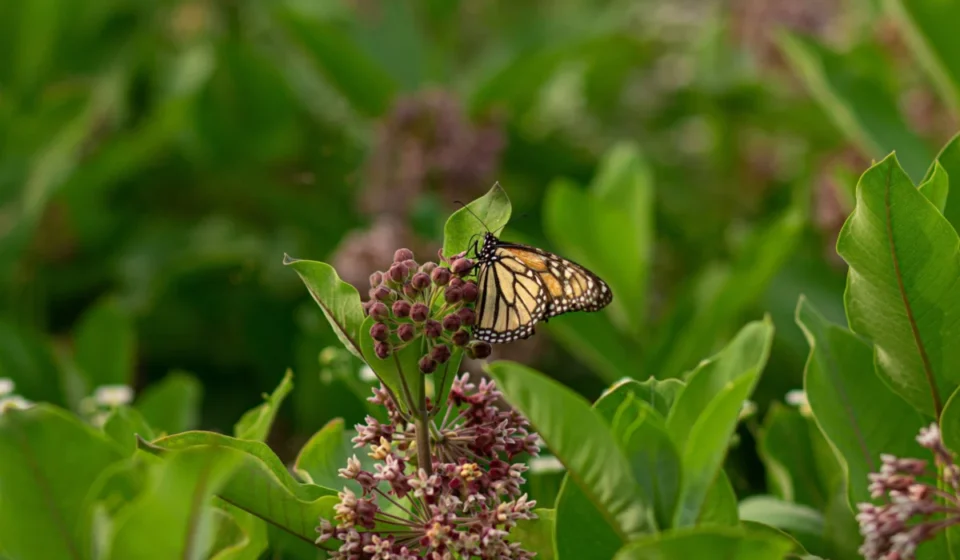
The Monarch butterfly serves as the most prominent poster child for this movement. Because Monarch caterpillars rely exclusively on native milkweed, the widespread disappearance of these plants due to changing land-use patterns has led to catastrophic population declines. By reintroducing milkweed and other native flora into urban and suburban corridors, gardeners are effectively creating "pollinator highways" that help mitigate the loss of natural habitat.
Beyond biodiversity, the practical benefits for homeowners are substantial. In an era of high water costs and unpredictable weather, native plants act as a self-sustaining infrastructure. Their deep root systems, which can reach several feet into the soil, are far more effective at absorbing stormwater runoff than the shallow roots of traditional lawn grasses, thereby reducing the risk of local flooding.
The Role of Community and Volunteering
The success of the Kilbourn Park model highlights the essential role of community-led initiatives in driving this transition. The sale’s triumph was not merely a result of inventory, but of the labor provided by volunteers like Lourdes Valenzuela, a retired schoolteacher who has spent 12 years helping at the greenhouse.
The "Friends of Kilbourn Park Greenhouse" group has become a masterclass in local fundraising. By reinvesting the proceeds from previous sales, the group has funded infrastructure improvements such as new benches, a shed, and an outdoor patio. This year, the goal was to raise $25,000 for a new outdoor learning center. The event was so successful that they generated approximately $48,000.
"We’re not fighting against the climate here," Valenzuela said. "We’re working with it because it’s what’s native to this area, and they’re beautiful."
Conclusion: The Path Forward
The transition toward native-centric gardening is indicative of a broader cultural shift. As the public becomes increasingly aware of their role in climate mitigation and ecological stewardship, the backyard has been transformed from a private luxury into a public service.
Whether it is a single patch of milkweed or an entire garden of native prairie grasses, the cumulative effect of these small-scale decisions is profound. By choosing plants that belong to the landscape, Americans are rediscovering a version of beauty that is not only visually stunning but fundamentally sustainable. The "weed" of yesterday has officially become the garden hero of tomorrow, proving that when we work with nature rather than against it, the results are worth the effort.