

















































Minnesota Residents Mount Bipartisan Opposition as Data Centers Emerge as Key Election Issue

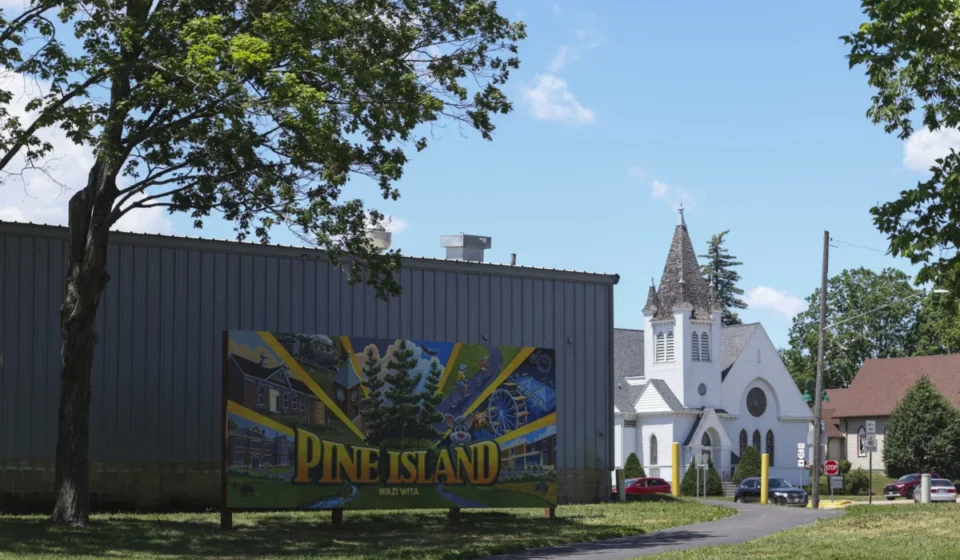
PINE ISLAND, Minn. – Driving down a quiet dirt road that skirts a vast, fertile farm field, Aubree Derksen describes her struggle as a modern-day "David against Goliath." Her Goliath is Google, the global tech titan, collaborating with a developer to transform this tranquil rural landscape into a hyperscale data center. From her nearby Pine Island home, conspicuously adorned with anti-data center signage, Derksen spearheads a passionate local opposition to these ambitious plans.
Derksen is not alone. She stands with a growing coalition of allies across Minnesota, forming a robust grassroots movement determined to halt similar projects proposed for Pine Island, Farmington, Hermantown, Monticello, Faribault, and other communities. These activists contend that local governments, often swayed by the alluring promises of economic development, are failing to adequately address resident concerns regarding the significant health, environmental, and resource-management risks posed by these massive digital infrastructure hubs.
Despite their increasingly vocal protests, proposed data center developments have largely advanced through local regulatory processes over the past two years. The only significant pauses have come through court orders, as seen in Pine Island and Faribault. At the state level, legislative efforts last session to introduce moratoriums and increased transparency around data center proposals ultimately failed, a setback Derksen openly acknowledges as "incredibly disappointing."

However, the upcoming campaign season has ignited new hope. With city, county, and state offices across Minnesota on the ballot this fall, Derksen asserts that data centers have transcended niche local concerns to become a pivotal statewide election issue. "This is the new single-issue voter," she declared, challenging conventional political wisdom. "It’s not going to be abortion or LGBTQ or immigration issues. I think it’s going to be data centers, and I think that’s something both parties are going to have to reckon with."
The Chronology of a Growing Conflict
The burgeoning opposition to data centers in Minnesota has unfolded over several years, escalating from localized concerns to a statewide political force. Initially, many data center proposals, often shrouded in secrecy due to developer-mandated non-disclosure agreements (NDAs), quietly progressed through local planning commissions and city councils. Developers frequently emphasized the potential for property tax revenue and job creation, often overshadowing the long-term environmental and community impacts.
In communities like Pine Island, the Google-backed "Project Skyway" was met with initial bewilderment and then fierce resistance as residents learned the true scope of the proposed 482-acre facility. Similar scenarios played out in Farmington, Hermantown (where Google is pursuing "Project Loon"), and Monticello, as citizens began to realize the implications of hyperscale data centers—facilities that can consume staggering amounts of electricity and water, operating 24/7.

The legislative session proved to be a critical, albeit frustrating, period for opponents. Several bills aimed at imposing moratoriums, requiring more stringent environmental reviews, and banning NDAs for public officials were introduced. Despite passionate testimony from residents and environmental groups, these measures failed to garner sufficient support, often falling victim to lobbying efforts from tech companies and utility providers, as well as concerns from labor unions about potential job losses. The defeat in the Legislature underscored the uphill battle faced by grassroots movements against well-resourced corporations and their allies.
This legislative disappointment, however, inadvertently fueled the current political mobilization. Recognizing the limitations of direct legislative action in the short term, activists shifted their focus to the electoral arena. The idea that data centers could become a "single-issue" that transcends traditional partisan divides began to gain traction, setting the stage for the dramatic impact seen at the recent state conventions.
Supporting Data and the Multifaceted Concerns
The grassroots movement’s arguments are bolstered by a growing body of evidence and public awareness regarding the intensive resource demands and environmental footprint of hyperscale data centers. These facilities, essential for powering the internet, artificial intelligence, and cloud computing, require immense amounts of electricity for their servers and even more for cooling systems.

Environmental Impact:
- Water Consumption: Data centers use vast quantities of water, primarily for cooling. Large cooling towers evaporate millions of gallons of water annually to dissipate heat generated by servers. In regions like Minnesota, which boasts abundant freshwater resources, this usage raises significant concerns about long-term sustainability, especially in the face of climate change and potential drought conditions. Critics argue that diverting such resources for private enterprise, often with minimal long-term local employment benefits, is fiscally and environmentally irresponsible.
- Energy Consumption: A single hyperscale data center can consume as much electricity as a small city. This demand places immense strain on local and regional power grids, often necessitating upgrades to transmission lines and, controversially, leading to calls for increased energy generation, which may rely on fossil fuels. While developers often tout commitments to renewable energy, the sheer scale of demand can still indirectly contribute to the overall carbon footprint if the grid itself isn’t 100% green.
- Noise Pollution: The continuous hum of cooling fans and backup generators, especially in rural settings, is a major concern. Aubree Derksen, for instance, moved to Pine Island for its tranquility, including the ability to "sit out on her deck and watch the stars in silence." A data center less than a mile from her home would irrevocably alter that peace, replacing natural sounds with industrial noise.
- Light Pollution: Large data center campuses operate 24/7, requiring extensive exterior lighting for security and operations. This contributes to light pollution, diminishing the visibility of night skies and disrupting nocturnal wildlife patterns, directly impacting the quality of life for residents who value rural dark skies.
- Land Use: The conversion of hundreds of acres of agricultural land or green space into sprawling industrial complexes represents a permanent loss of natural habitat and productive farmland. In Pine Island, "Project Skyway" would inhabit land along a sprawling farm field, disrupting the existing ecological balance and rural character.
Economic Realities vs. Promises:
Mayor Tom Berg of Lonsdale, whose city recently imposed a moratorium, expressed skepticism about developers’ claims of significant economic benefits. He points out that while construction jobs provide a temporary boost, the long-term operational workforce for data centers is typically small and highly specialized. "Most of the jobs would be for construction, providing only a temporary benefit to the local economy," Berg stated. He also warned that attractive property tax revenues might "dry up in the long-term, leaving cities overextended with an empty industrial building." This raises critical questions about the true return on investment for communities sacrificing their rural character and resources.
Erosion of Public Trust through NDAs:
A significant point of contention has been the widespread use of non-disclosure agreements (NDAs) by data center developers. These agreements often prevent local officials from openly discussing proposed projects with their constituents until late in the development process, fostering an environment of secrecy and distrust. Mayor Berg testified at the Capitol in favor of a bill banning such NDAs, arguing that they "are eroding public trust in institutions." This lack of transparency alienates residents and fuels the perception that deals are being struck behind closed doors, prioritizing corporate interests over community well-being.

Public Opinion and Partisan Nuances:
Recent polling by Ipsos has illuminated the complex, often bipartisan, nature of public sentiment. While Democrats show stronger concern about the environmental impacts of data centers, a significant number of Republicans share this sentiment. Republicans generally express more opposition to government restrictions, yet conservatives themselves are notably split on the issue. Ipsos concluded that "partisan rifts on data centers come from unsurprising areas. Republicans have a stronger inclination for a more free-market approach, while Democrats are more cautious about environmental impacts. And while Republicans are slightly more optimistic about data centers, overall support for their construction remains low." This nuanced public opinion explains why the issue resonates across the political spectrum, making it a potent electoral force.
Official Responses and the Shifting Political Landscape
The growing public outcry has started to elicit responses from local governments, though state-level action remains elusive. Some cities, witnessing the controversies unfolding elsewhere, have proactively moved to regulate or pause data center development.
Local Government Moratoriums:

- Rosemount: While Meta is actively constructing a data center in this southeast Twin Cities suburb, the city took a significant step by imposing a moratorium on any new projects beyond the one already underway. This demonstrates a recognition of the cumulative impact of such developments.
- Lonsdale: About 40 miles south of Minneapolis, Lonsdale imposed a one-year moratorium in May. Mayor Tom Berg explained that the city observed other communities rushing into agreements with developers before adequate regulations were in place. "It was easy for us to take that pause and enact it now, and then start really pushing forward with regulations with community feedback," he said, highlighting a cautious, community-first approach.
These local actions serve as critical examples for activists in other Minnesota cities, demonstrating that elected officials can choose to slow down or reconsider data center developments. Rebecca Gilbertson, leading an opposition group in Hermantown against Google’s "Project Loon," confirmed her group is actively "exploring its options on how to get involved at the local government level" inspired by such precedents.
State-Level Political Reckoning:
The true measure of data centers as an election issue came to light at the DFL (Democratic-Farmer-Labor) and GOP (Republican) state conventions last month.
- DFL Convention: Two resolutions concerning data centers gained substantial support. A call for a moratorium received 64% of delegate votes, while a resolution advocating for tighter regulations (and deemed more palatable to labor unions, which often support construction projects) garnered 76%. This indicates a clear mandate from the party base for action. Aubree Derksen and Cathy Johnson, a retired teacher turned activist from Farmington, were both first-time delegates, underscoring the grassroots energy driving these votes. Johnson, who leads the Coalition for Responsible Data Center Development, approaches the issue from an environmentalist perspective, viewing data centers as an "unnecessary risk to local energy and water resources."
- GOP Convention: While less explicitly focused on data centers than the DFL gathering, the Republican platform committee adopted a resolution calling for a "data center pause." This move signals that the issue transcends traditional partisan lines and resonates with a conservative base concerned about property rights, local control, and environmental stewardship, aligning with the Ipsos poll findings on bipartisan concern.
Sarah Mooradian, government relations and policy director at CURE, a Montevideo-based nonprofit tracking data center issues statewide, emphasized the significance of these convention results. "(The DFL platform votes) were a pretty good indicator of what’s happening statewide," she said. "We know how bipartisan it is."

The implications for the upcoming elections are profound. In Pine Island, opponents of "Project Skyway" recognize the need to elect at least three of the five City Council members who share their concerns. With three local races on the ballot this fall, including a mayoral race (prompted by former Mayor David Friese’s recent resignation), activists are diligently working to identify and support sympathetic candidates.
Legislative races are also under intense scrutiny. Shifts in party control at the state House and Senate levels could revive moratorium proposals or regulatory bills in the next session. Activists like Johnson and Berg are actively supporting candidates they believe will be more aligned with their stance. Johnson, for example, supports DFL challenger Mark Legvold against Republican incumbent Bill Lieske in a battleground Senate district south of the Twin Cities metro. Similarly, in northern Minnesota, Gilbertson’s community is part of a high-stakes swing district where DFL Senator Grant Hauschild and Republican Representative Natalie Zeleznikar are defending their seats. The strategy is clear: where opportunities exist to elect officials willing to slow down data center development, Derksen, Johnson, and Gilbertson intend to seize them.
Implications: What’s at Stake for Minnesota Communities
For residents like Aubree Derksen and Rodney Lanners, the fight against hyperscale data centers is deeply personal, representing a fundamental threat to the very character and future of their communities.

Derksen, who moved to Pine Island six years ago for its blend of rural charm and proximity to Rochester, cherishes the small-town feel. Her neighborhood, where many homes echo hers with "no data centers" signs, is a testament to the collective concern. For her, the battle is about preserving the "little things": the native plants, birds, and pollinators she monitors in her backyard, the breathtaking Northern Lights visible from her patio, and the bald eagle’s nest towering over a nearby cemetery. "If this were to get built, with the noise, with the light, are we still going to be able to hear the birds?" Derksen asks, her voice tinged with anguish. "We can’t afford to move, so we don’t have an escape plan."
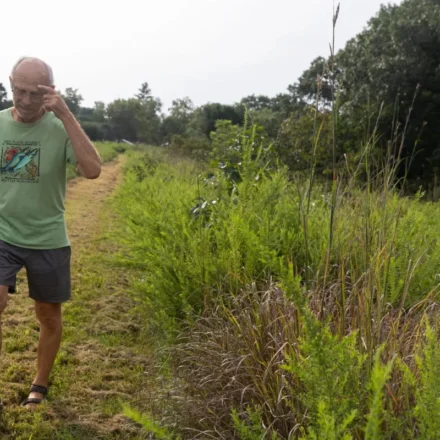
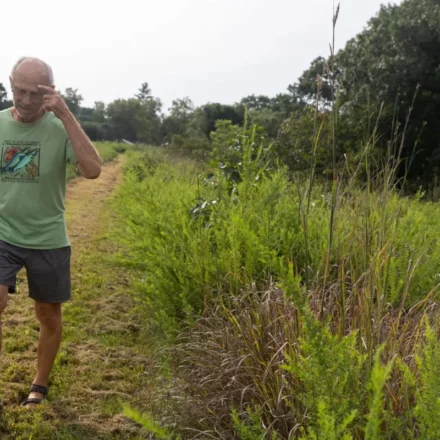
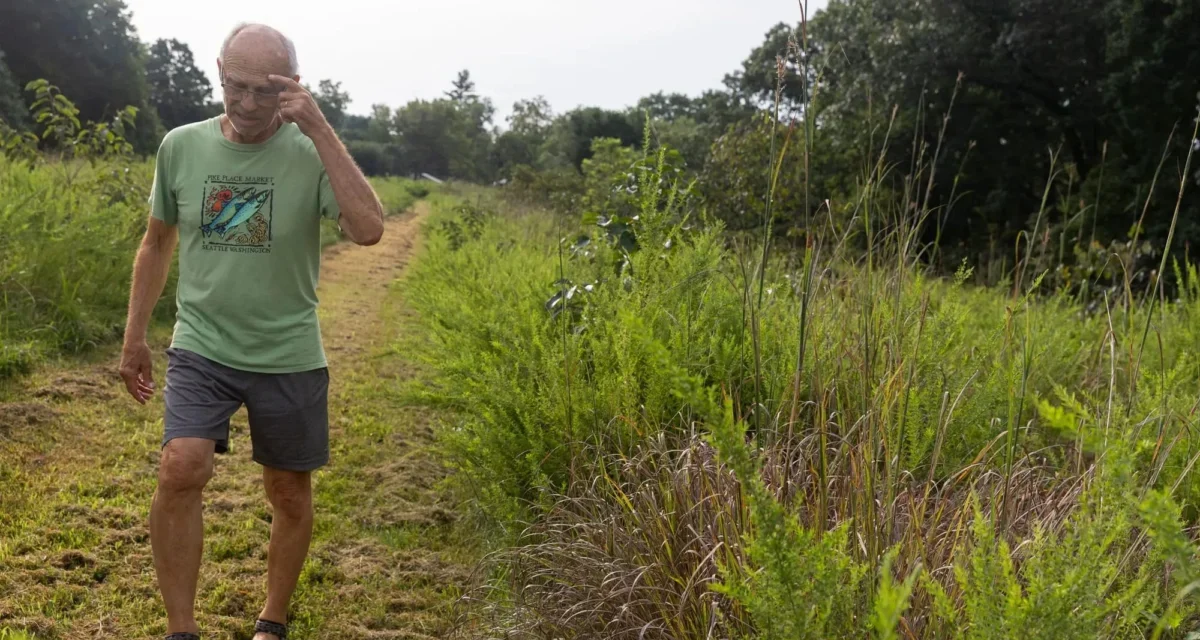
This sentiment is echoed by 74-year-old Rodney Lanners, who lives even closer to the proposed Pine Island site. Decked out in an anti-data center hat and shirt after returning from a public meeting, Lanners embodies the spirit of a reluctant activist. He and Derksen first met through their shared opposition, a common bond forged by the perceived threat to their way of life. Sitting in his backyard, Lanners points out raptors soaring over the fields and songbirds visiting his feeders. He speaks of putting out jelly for orioles, his luck in acquiring a rare Lady Slipper, and his ongoing garage projects – the simple pleasures of a man who would rather be tending his home than fighting corporate giants. "I’m a little bit in heaven here," he says of the home he’s lived in for 26 years, his words conveying the deep connection to his land.
The disparity in resources between the grassroots opponents and the tech behemoths is stark. Attending public meetings, testifying at the Capitol, and engaging with news outlets are time-consuming endeavors for volunteers. Meanwhile, companies like Google, Meta, project developer Ryan Companies, and utility giant Xcel Energy wield immense financial power. A telling example: these corporations were "platinum sponsors" at Pine Island’s annual Cheese Festival, a subtle yet potent display of their influence and deep pockets within the community.

For Lanners and many others, data centers represent an irreversible shift from a cherished rural landscape to an industrialized one. The projects embody a fundamental change to a community’s character and landscape, often forcing people who might otherwise disagree on much else to unite against a common perceived threat to "what makes home feel like home." Lanners can see the potential site of the data center from his yard, a constant reminder of the fight ahead. He desperately wants a City Council that truly represents his interests and those of his neighbors. "This is supposed to be our final home, and hopefully it is," he says, articulating the profound sense of permanence and potential loss at stake.
As the election season progresses, the future of Minnesota’s rural landscapes and the integrity of its community planning processes hang in the balance. The "David vs. Goliath" struggle, once confined to local town halls, has now entered the statewide political arena, promising to reshape electoral outcomes and potentially set a new precedent for how technology’s expansion interacts with local autonomy and environmental stewardship. The battle over data centers is no longer just about bytes and servers; it’s about the very soul of Minnesota’s communities.