

























































In the fast-paced world of smartphone hardware, the temptation to chase raw benchmark supremacy is often overwhelming. However, with the launch of the Google Pixel 11 Pro XL, Google is doubling down on a different philosophy: the conviction that a smartphone’s value is defined not by how fast it crunches numbers, but by how effectively it removes friction from the user’s professional and personal life.
Priced starting at $1,299 for the 256GB model, the Pixel 11 Pro XL is an incremental hardware update that masks a significant leap in functional intelligence. While it may not rewrite the rules of mobile design, it refines the flagship experience through a sophisticated synergy of the new Tensor G6 processor, deep Gemini integration, and a commitment to long-term enterprise security.
Main Facts: Refinement Over Revolution
The Pixel 11 Pro XL arrives as a polished flagship, centered around a stunning 6.8-inch Super Actua LTPO OLED display. With peak brightness hitting a blistering 3,600 nits, the screen remains legible under the harshest direct sunlight while maintaining color accuracy that rivals industry leaders.

Under the hood, the Tensor G6 chipset serves as the engine room. While it isn’t designed to topple the raw, brute-force performance of Qualcomm’s top-tier silicon in synthetic tests, it is purpose-built for AI efficiency. The device is backed by a 5,115mAh battery, updated triple-camera hardware (50MP main, 48MP ultrawide, and 48MP 5X telephoto), and a promise of seven years of OS, security, and Pixel Drop updates.
For the enterprise user, the "hardware-plus" strategy is clear: Google is providing a device that is meant to stay in the field for half a decade or more, backed by Titan M3 security and advanced post-quantum cryptography in the boot process.
A Chronological Look at the Pixel Evolution
To understand the Pixel 11 Pro XL, one must view it as the latest chapter in Google’s long-term hardware roadmap.
- The Tensor Foundation: Since the inception of the Tensor series, Google has moved away from the "spec-sheet war." The transition from the Pixel 10 to the Pixel 11 series marks the maturation of this silicon strategy, where the TPU (Tensor Processing Unit) has become the primary focus, offering 50% more compute power and 3.5X faster on-device AI processing compared to its predecessor.
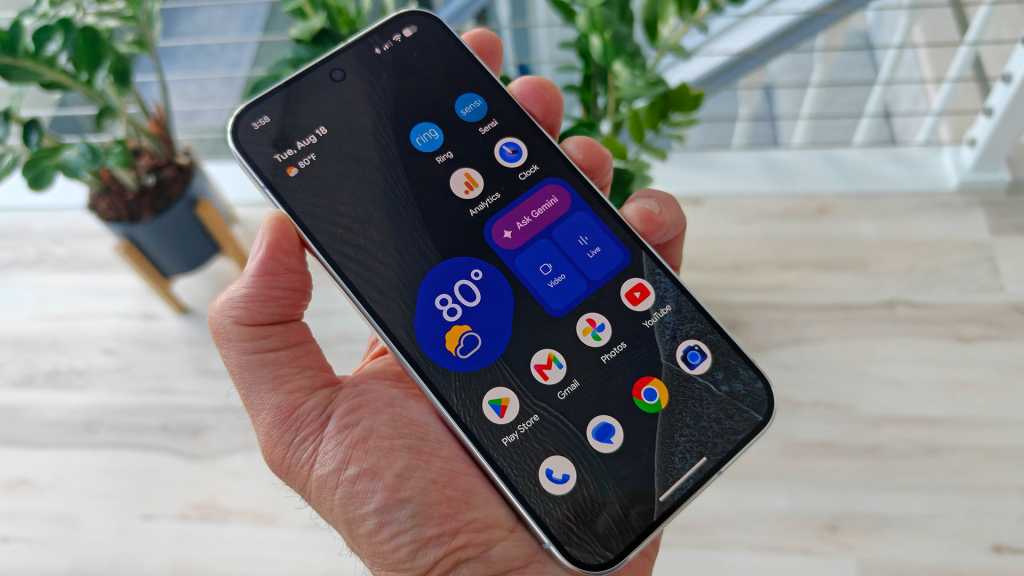
- The Software Integration: Over the last three generations, Google has systematically integrated Gemini into the core of the Android experience. With the 11 Pro XL, this is no longer an "app-level" experience; it is an OS-level fabric that connects over 40 distinct applications, allowing for seamless data flow between Wallet, Maps, Calendar, and messaging platforms.
- The Future-Proofing: By committing to seven years of support, Google is positioning the 11 Pro XL not just as a consumer gadget, but as an essential tool for corporate fleets, ensuring that IT departments can standardize on a single platform for extended hardware cycles.
Supporting Data: Benchmarks vs. Reality
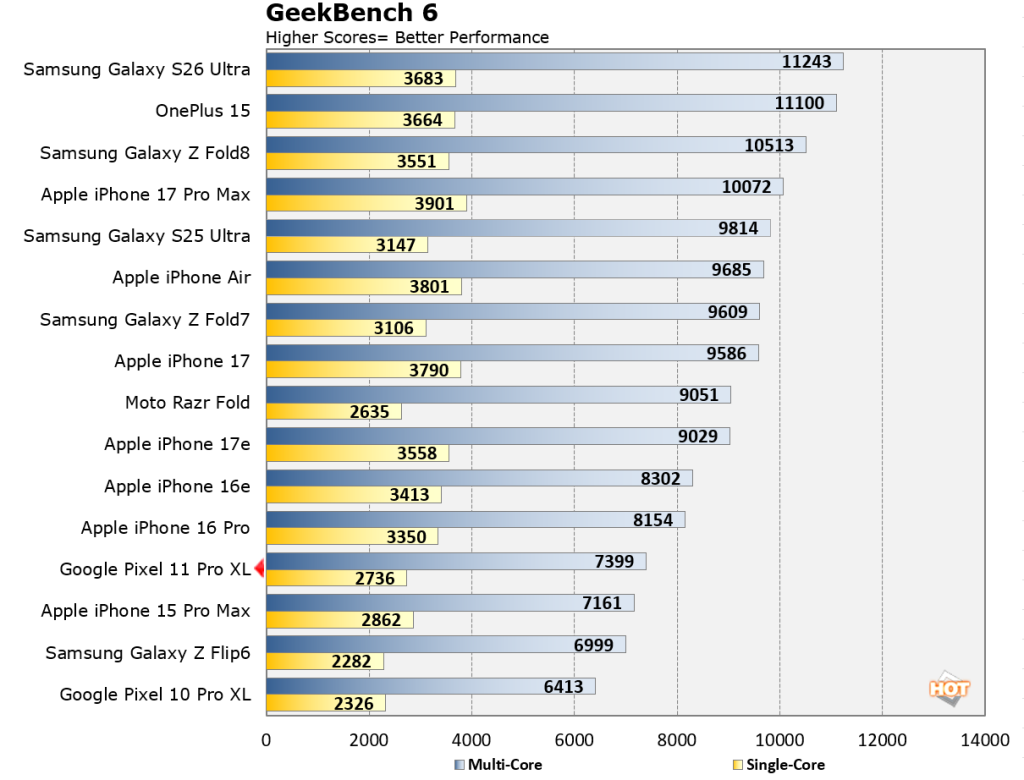
Critics often point to the Geekbench scores of the Tensor G6—2,736 single-core and 7,399 multi-core—to argue against its status as a "flagship." When compared to the Samsung Galaxy S26 Ultra, which utilizes Qualcomm’s latest offerings to push past the 11,000 mark in multi-core testing, the gap is statistically significant.
However, these figures create a "performance disconnect." In real-world usage, the Pixel 11 Pro XL is noticeably snappier than its predecessor. Google’s internal metrics claim a 25% increase in web browsing speed and a 15% improvement in application launch times. My testing confirms this: moving between heavy enterprise applications, managing multi-tabbed browser sessions, and switching between complex creative suites feels fluid.
In the 3DMark Wild Life test, the device posted a score of 13,761. While this places it behind the current ultra-high-end tier, it is more than sufficient for the demographic it targets: the productivity-focused professional who requires efficiency rather than peak graphical throughput.
The "Rambler" Effect: Practical AI
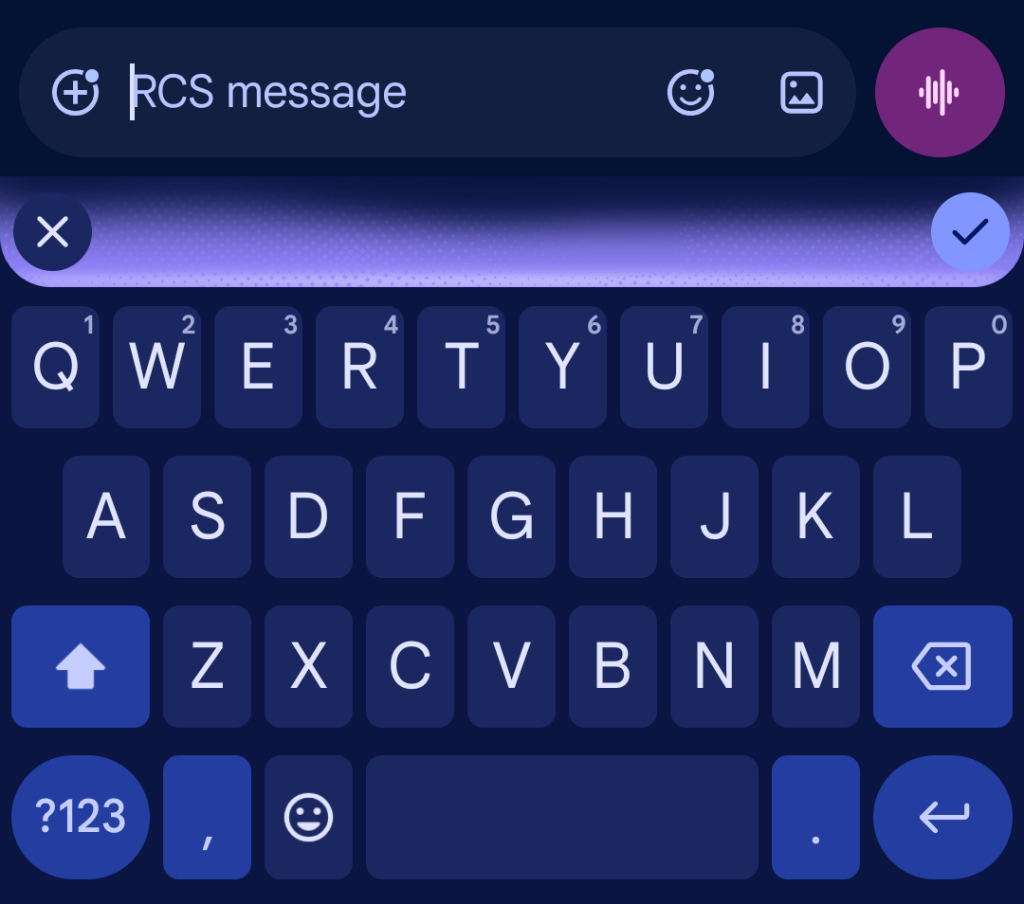
The standout feature of the Pixel 11 Pro XL is "Rambler." If previous AI tools felt like gimmicks, Rambler is the first to feel like a genuine administrative assistant. By leveraging Gemini to process natural language, Rambler understands the nuance of human speech—including pauses, filler words, and sentence fragments—and reconstructs them into professional-grade prose.
For a business user, the ability to dictate an email while walking to a meeting and have the device output a coherent, well-punctuated draft is a massive time-saver. This is the definition of "frictionless" technology: AI that doesn’t demand the user change their habits, but rather enhances the way they already work.
HiLight and Hardware Notifications
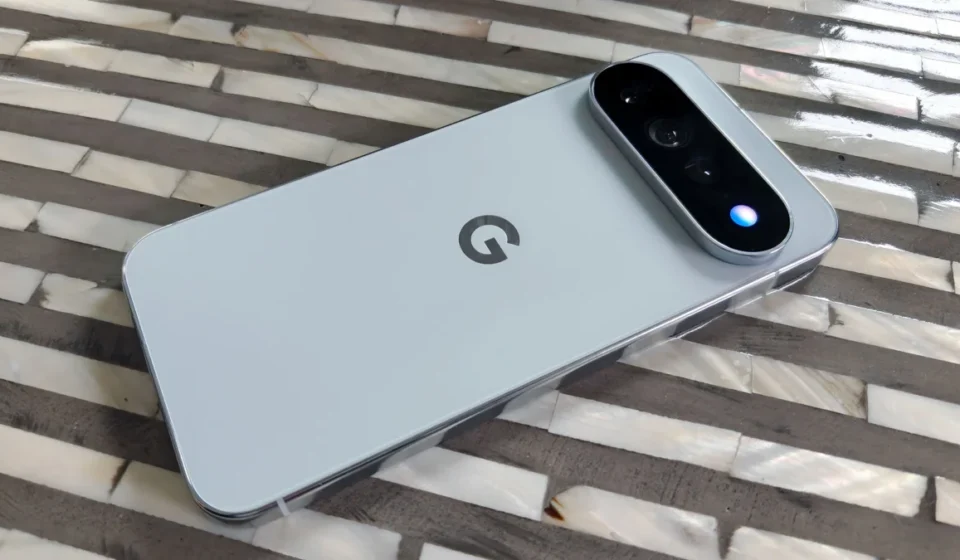
The rear camera bar now features an integrated RGB LED array dubbed "HiLight." While it provides visual feedback when Gemini is processing, its true potential lies in notification management. By allowing users to assign specific colors or light patterns to priority contacts or high-stakes email threads, the device allows for "silent monitoring" during meetings.
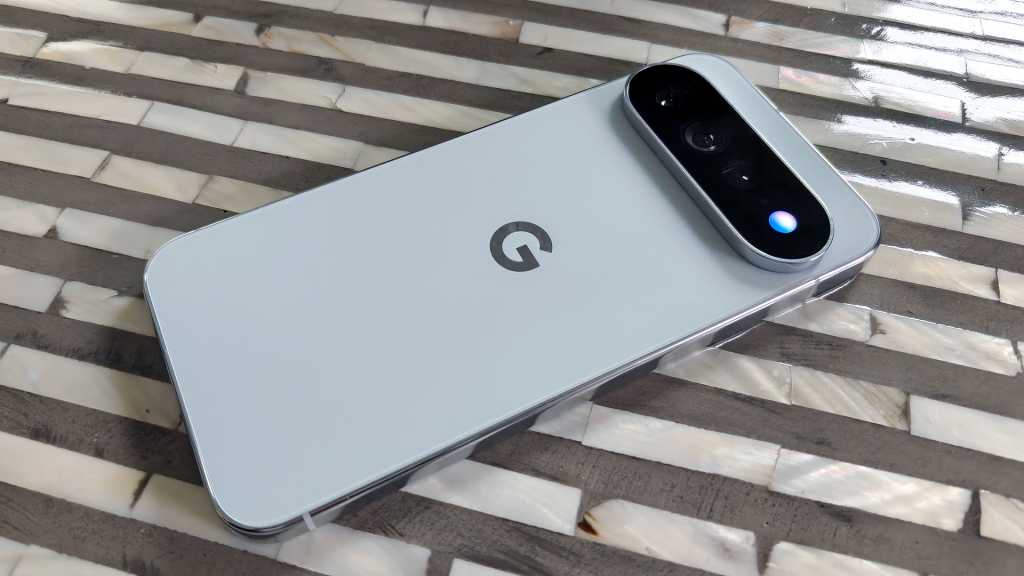
Currently, the feature is in its infancy. Users are limited in how they can configure these alerts, but the hardware is clearly capable of much more. As Google refines the software, this could become a primary interface for professionals who need to stay connected without constantly glancing at their screens.
Implications for Professionals and Creators
The Pixel 11 Pro XL’s "Creator Suite" is a nod to the modern professional who often wears multiple hats, including that of a content creator. With an integrated teleprompter, advanced video organization tools, and "Magic Capture"—which uses AI to analyze hundreds of frames to ensure the perfect shot—the device is a legitimate tool for those producing social content on the move.
Battery life, while not class-leading when compared to massive silicon-anode batteries found in some niche Chinese imports, is robust. The 5,115mAh cell consistently lasts through a full, heavy workday. Furthermore, the inclusion of 45W wired charging (hitting 75% in 30 minutes) and 25W Qi2.2 wireless charging provides the versatility required for a high-intensity lifestyle.
Security and Enterprise Readiness
In an era of increasing digital threats, Google’s focus on the Titan M3 security coprocessor cannot be understated. By extending post-quantum cryptography into the secure boot process, the Pixel 11 Pro XL provides a "walled garden" that is increasingly attractive to enterprise IT managers. When combined with the device’s anti-phishing and anti-malware protocols, it stands as one of the most secure handsets available for handling sensitive corporate data.
Final Verdict: An Evolutionary Leap
The Google Pixel 11 Pro XL is a lesson in nuance. For those looking for the highest possible frame rates in mobile gaming or the most impressive raw numbers on a chart, this device may not be the primary choice. However, for the user who demands a device that works as hard as they do—one that is secure, intelligent, and capable of streamlining the mundane tasks that clutter a workday—the Pixel 11 Pro XL is arguably the most "capable" phone on the market.
Google has successfully shifted the goalposts from hardware specs to user experience. The Pixel 11 Pro XL is not just a smartphone; it is an evolutionary platform that proves, once and for all, that the true power of AI lies in its ability to be useful, invisible, and remarkably human-centric. For the professional, it is a tool that finally delivers on the promise of the smartphone as a true, pocketable office.