























































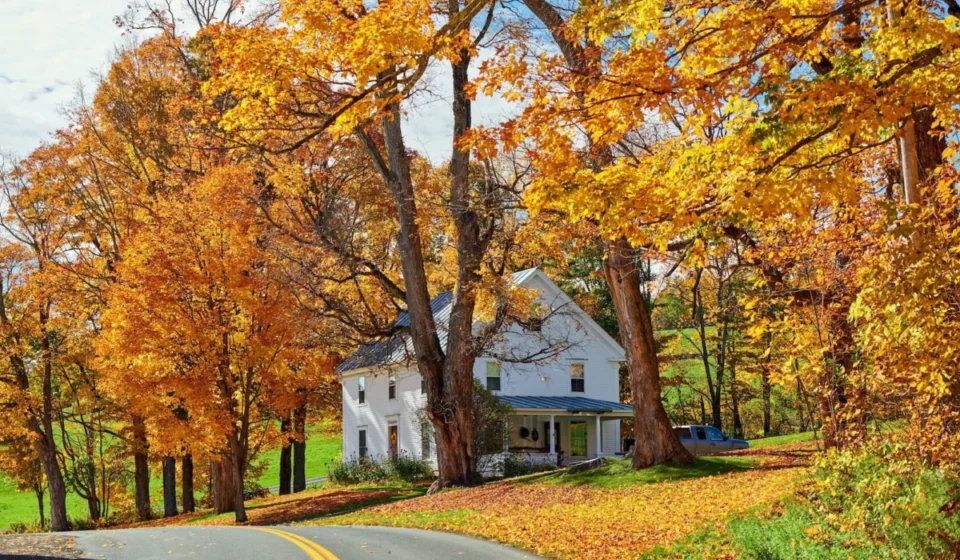

As the cooling air signals the transition from the frantic pace of summer to the crisp, golden hues of autumn, a distinct shift in travel behavior has emerged. According to recent survey data, a staggering 60 percent of travelers are actively planning a weekend getaway this fall. This trend, which began to crystallize in 2025—a year that saw more weekend trips occurring in the autumn months than in any other season—has now become the defining characteristic of the 2026 travel landscape.
The data, bolstered by booking trends from platforms like Airbnb, suggests that modern travelers are abandoning the "grand vacation" model in favor of shorter, more frequent, and hyper-localized excursions. This article explores the economic, social, and logistical drivers behind this pivot, analyzing why the "micro-escape" has become the preferred way to experience the season.
Main Facts: The Anatomy of a Weekend Getaway
The surge in fall weekend travel is not merely anecdotal; it is a measurable movement in consumer behavior. Travelers are increasingly prioritizing "micro-vacations"—trips lasting two to three days—over traditional week-long excursions.
Several key factors define this trend:
- Hyper-Localization: A significant majority of these bookings are within a few hours’ drive from the traveler’s primary residence, minimizing travel time and maximizing leisure time.
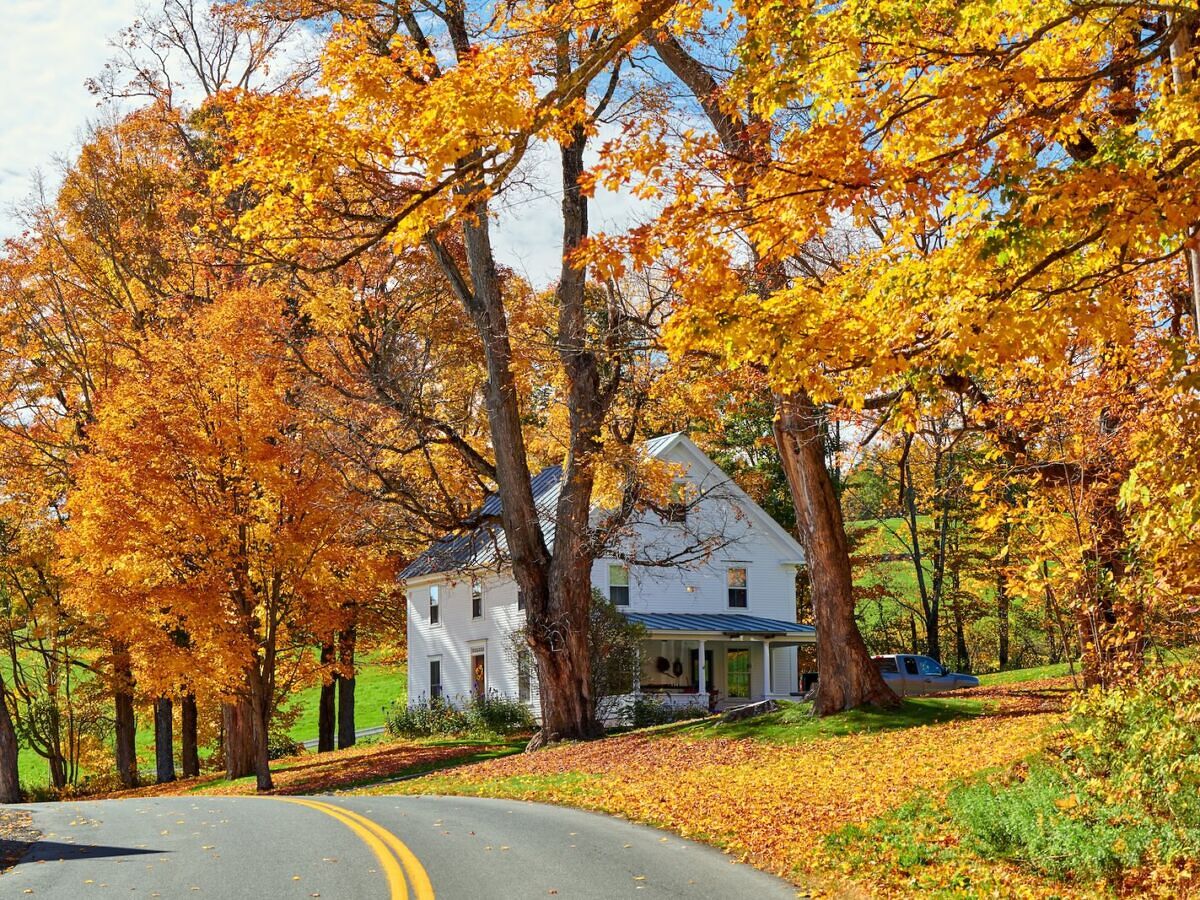
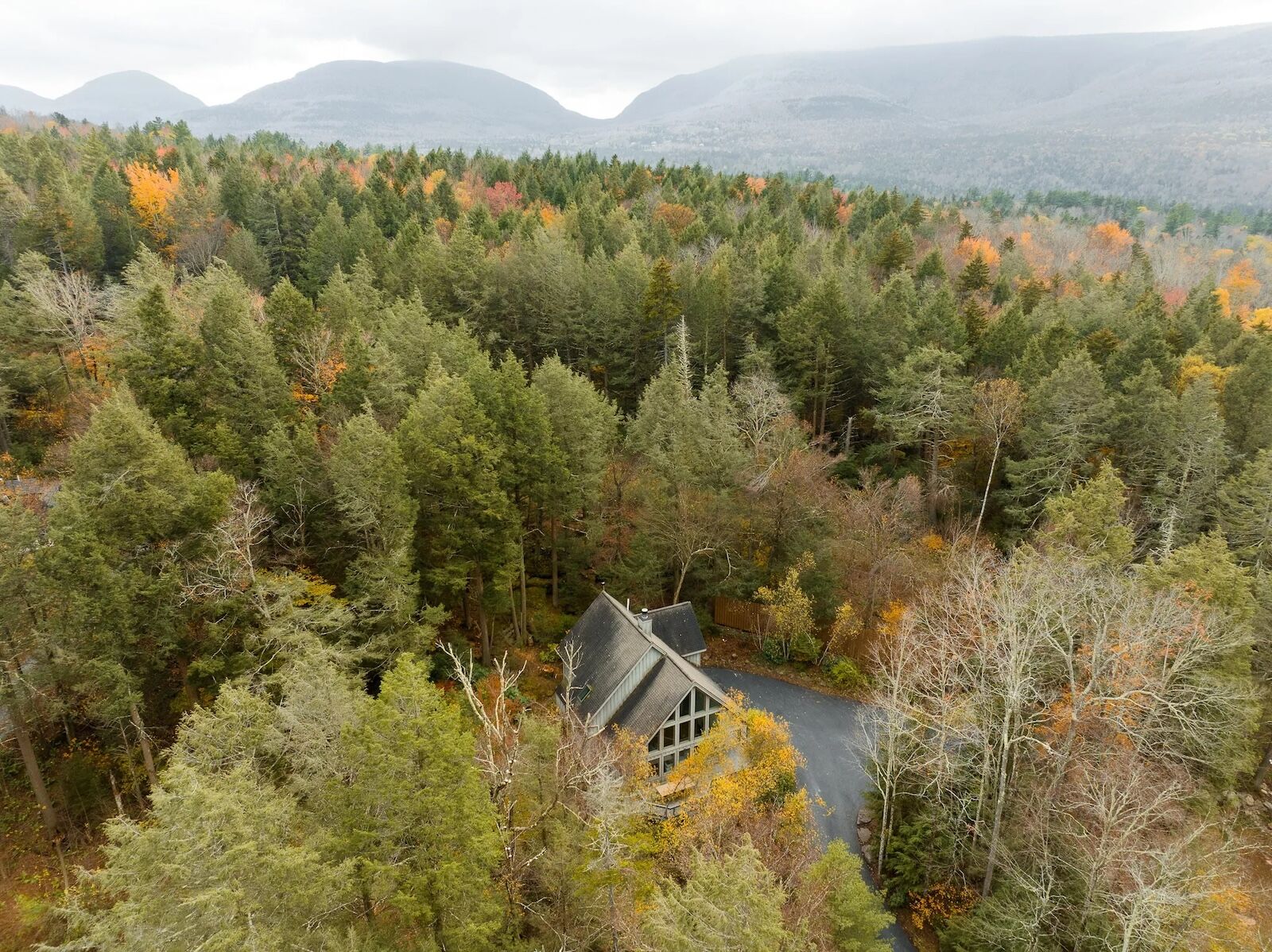
- The "Foliage Factor": Natural phenomena, particularly the changing of leaves, act as a primary catalyst for booking, with travelers seeking remote, nature-integrated accommodations.
- Event-Driven Tourism: The concentration of cultural events, harvest festivals, and seasonal markets in the autumn months creates a natural "urgency" for travel that is easily satisfied by a weekend window.
In 2025, autumn officially surpassed summer as the most popular season for weekend-specific travel, a shift that industry analysts attribute to a move away from the "over-tourism" often associated with peak summer months in favor of the more temperate, cost-effective, and aesthetically pleasing fall period.
Chronology: From Pandemic Pivot to Permanent Trend
To understand the current state of fall travel, one must look back at the evolutionary stages of post-2020 tourism.
2020–2022: The Era of Necessity
During the initial years of the decade, travel was defined by restriction. When borders closed and flight paths were disrupted, travelers turned to the "road trip" model. This period normalized the idea of staying in a rental home within driving distance, establishing the infrastructure and the habit of domestic, short-term stays.
2023–2024: The Return of Flexibility
As international travel resumed, travelers initially rushed back to long-haul destinations. However, the rising costs of airfare and the fatigue associated with post-pandemic airport logistics led many to realize that the "best" experiences didn’t necessarily require a passport.
2025: The Tipping Point
The year 2025 proved to be the watershed moment. Statistical reports indicated that for the first time, weekend getaways in the fall outpaced every other seasonal travel window. The concept of "revenge travel" shifted from wanting to see the world to wanting to reclaim personal time in a sustainable, manageable way.
2026: The New Normal
Today, the weekend getaway is no longer a compromise; it is a preference. The 2026 season shows that travelers are planning their fall months specifically around the availability of weekend rentals, with booking cycles beginning as early as late summer.
Supporting Data: Why Travelers are Staying Close
The data provides a compelling narrative for this shift. Economic constraints, while present, are not the only factor. The decision-making process for the modern traveler is a complex calculation of time-value, cost, and mental health.
The Budget-Time Paradox
The modern professional is facing a "time famine." With the lines between home and work increasingly blurred, taking a full week off can often lead to a buildup of stress rather than a reduction. Weekend getaways provide a "reset button" that fits within the parameters of a standard work-life balance.
Economic Considerations
Inflationary pressures on travel—specifically the volatility of airfare and the high cost of international logistics—have made the local getaway a more attractive financial proposition. When a traveler removes the cost of airfare and car rentals, the budget can be reallocated toward a higher-quality accommodation, such as a luxury cabin or a boutique, design-forward Airbnb.
Accessibility of Experience
The data shows that interest in "leaf-peeping" and festival-going peaks in October. Because these events are ephemeral—lasting only a few weeks—a long-duration trip is often unnecessary. A weekend visit allows travelers to witness the peak of the fall season without the logistical burden of an extended stay.
Official Responses and Industry Perspectives
Major travel platforms and industry analysts have been quick to respond to this shift. A spokesperson for the short-term rental sector noted that "The data suggests that the ‘work-from-anywhere’ culture has made the weekend trip more viable. When people can work remotely on a Friday or a Monday, the ‘weekend’ effectively expands, allowing for longer, more fulfilling getaways without the need to take significant time off."
Economists point out that this trend is a boon for rural and regional economies. By dispersing tourists away from major metropolitan hubs and into smaller towns, the economic impact of tourism is democratized. Local festivals, independent coffee shops, and small-scale farms are seeing a marked increase in revenue during the shoulder season—a period that was once considered a "dead zone" for hospitality.
Furthermore, tourism boards have shifted their marketing strategies. Rather than focusing on "bucket-list" long-haul vacations, many regional tourism offices are now highlighting "48-hour itineraries" that feature hiking trails, local wineries, and seasonal workshops, catering directly to the weekend traveler’s desire for an efficient, high-impact trip.
Implications: The Future of the Seasonal Economy
The trend toward weekend fall getaways carries significant implications for the future of the travel industry.
1. The Sustainability Angle
Shorter trips often imply shorter distances traveled. By choosing destinations within a driving radius, travelers are reducing their carbon footprint compared to long-haul flights. As climate consciousness grows, the "stay-local" movement is likely to gain further traction, supported by marketing that emphasizes local ecology and sustainable tourism.
2. The Evolution of Accommodations
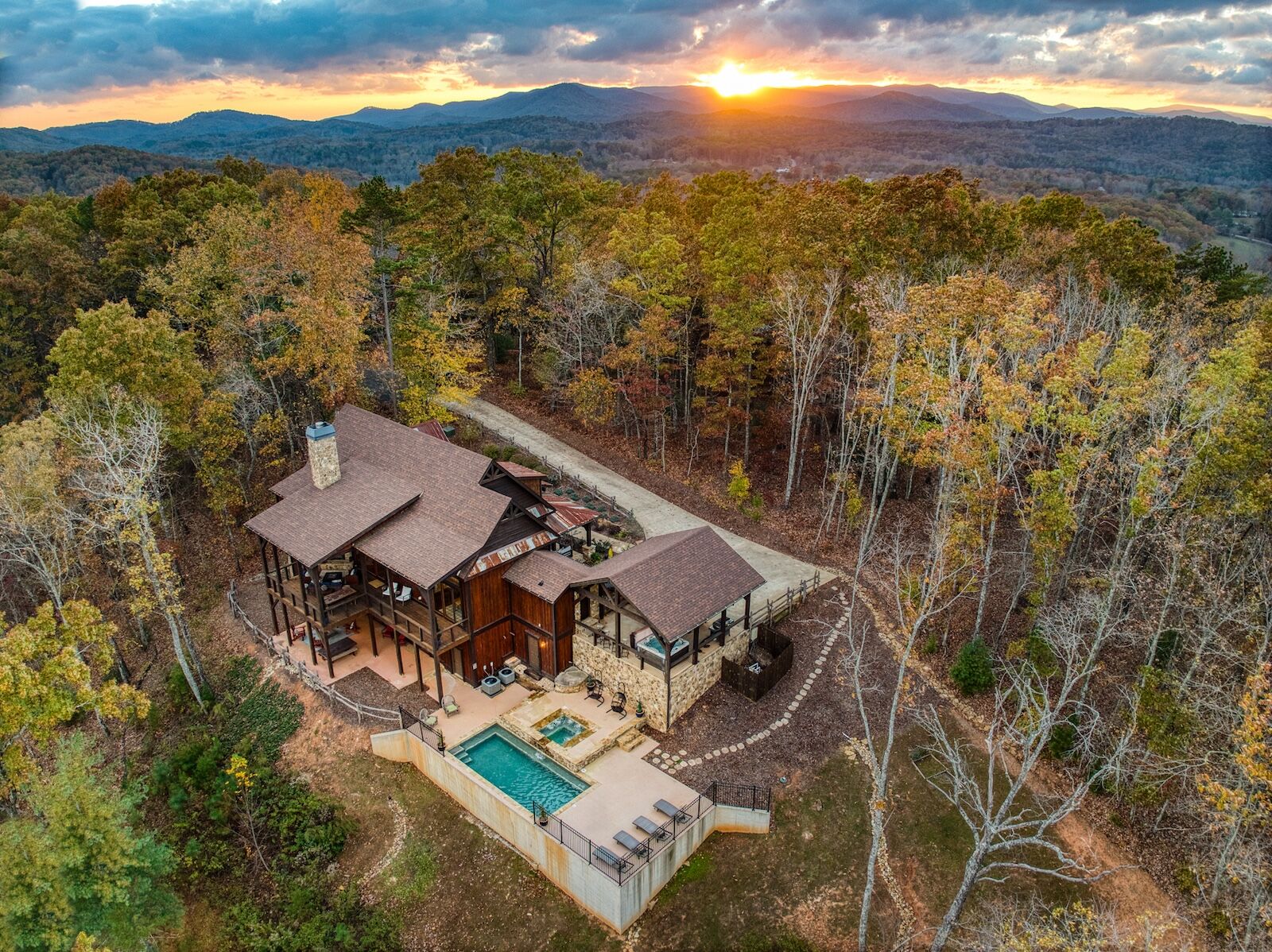
The demand for high-quality, amenity-rich rentals is rising. Because the stay is shorter, the "experience" of the rental property itself has become more important. Travelers are looking for properties that offer "an experience"—think outdoor hot tubs, fireplace-centered living rooms, and proximity to scenic vistas. Airbnb hosts are responding by upgrading their properties with seasonal amenities, such as fire pits and seasonal décor, to capture the lucrative fall market.
3. Impact on Infrastructure
The surge in weekend traffic is putting pressure on the infrastructure of smaller, secondary towns. Local governments are now grappling with the challenge of managing traffic, waste, and resource allocation in areas that were historically quiet during the autumn months. This will likely lead to a new phase of investment in rural infrastructure, potentially creating a cycle of growth for small towns that were previously ignored by the tourism industry.
4. A Shift in Travel Planning
We are moving away from the annual "big trip" toward a model of constant, rhythmic exploration. This suggests that the travel industry must pivot from seasonal "peak-and-trough" cycles to a model of consistent, year-round demand. This provides more stability for businesses but requires a higher level of service and responsiveness throughout the year.
Conclusion: The New Definition of "Getting Away"
The 2026 fall travel season stands as a testament to how quickly human behavior can adapt to shifting economic and social realities. The rise of the weekend getaway is not merely a reaction to budget constraints; it is an embrace of a more intentional, manageable, and localized way of living.
As we look toward the remainder of the season, it is clear that the "micro-escape" is here to stay. Whether it is a quick trip to the mountains to witness the turning of the leaves or a visit to a regional harvest festival, the value of the weekend getaway lies in its accessibility. For the modern traveler, the goal is no longer to go as far as possible, but to go exactly where they need to be to feel refreshed, inspired, and connected to the rhythms of the natural world.
As industry stakeholders continue to monitor these trends, one thing remains certain: the autumn weekend has officially become the most vital period for the travel sector, proving that you don’t need a passport or a week-long vacation to find the profound peace of a true getaway.
Disclaimer: All products and listings featured on Matador Network are independently selected by our writers and editors. Matador Network may receive compensation if you make a purchase through these links. Prices are accurate as of publication.