























































The Great European Eclipse: Path of Totality, Regional Guides, and Scientific Preparations for August 12

On August 12, 2026, one of the most spectacular celestial events of the decade will unfold as the Moon passes directly between Earth and the Sun. This alignment will cast a narrow, fast-moving shadow—known as the umbra—across the Arctic, Greenland, Iceland, and parts of Europe, culminating in a dramatic total solar eclipse.
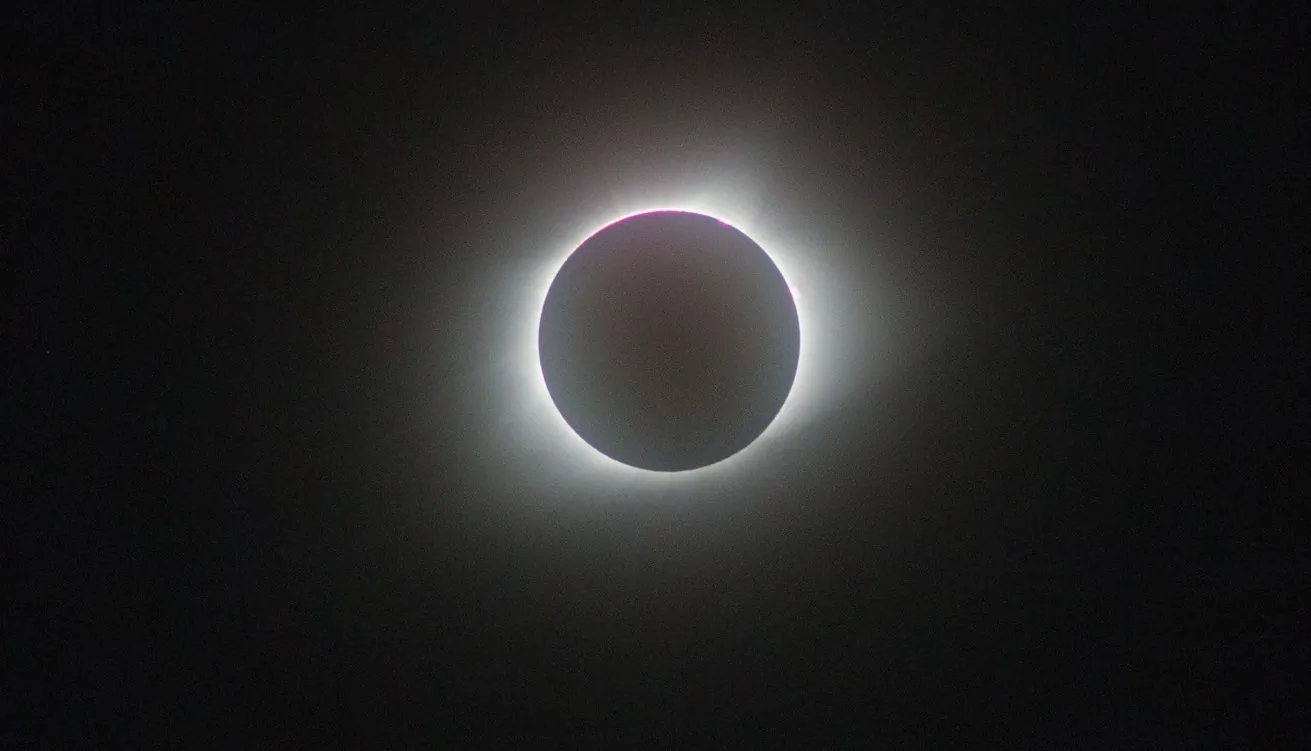
For observers positioned within the narrow path of totality, the Sun will be completely obscured for a brief window of time. During these moments, daylight will fade into an eerie twilight, local temperatures will drop, and the solar corona—the Sun’s outer atmosphere, usually hidden by glare—will become visible as a glowing halo around the dark silhouette of the Moon.
Outside this narrow corridor, hundreds of millions of people across North America, Europe, and North Africa will witness a partial solar eclipse, where the Moon covers only a fraction of the solar disk. This article provides a comprehensive overview of the upcoming eclipse, detailing its geographical path, chronological progression, observational data, safety protocols, and the broader scientific and economic implications of the event.
1. Main Facts: The Path of Totality and Global Visibility
The total solar eclipse of August 12, 2026, is highly anticipated because it marks the first total solar eclipse visible from continental Europe since August 11, 1999. The path of totality is highly unique, carving a corridor that begins in the high latitudes of northern Russia, sweeps across the Arctic Ocean, brushes past Greenland, cuts directly through Iceland, crosses the North Atlantic Ocean, and sweeps across northern and eastern Spain before terminating at sunset in the Mediterranean Sea.
                  [ PATH OF TOTALITY ]
Russia (Siberia) -> Arctic Ocean -> Greenland -> Iceland -> Spain -> Balearic Islands
The Experience of Totality vs. Partiality
An eclipse is an all-or-nothing event. Within the path of totality, the blockage of direct sunlight allows the naked eye to safely view the solar corona. The surrounding environment undergoes a rapid transformation:
- Atmospheric Cooling: Temperatures can drop by several degrees within minutes.
- Shadow Bands: Faint, rapidly moving bands of light and dark can sometimes be seen on flat, light-colored surfaces just before and after totality.
- Wildlife Behavior: Diurnal animals may begin their evening routines, while nocturnal species may emerge.
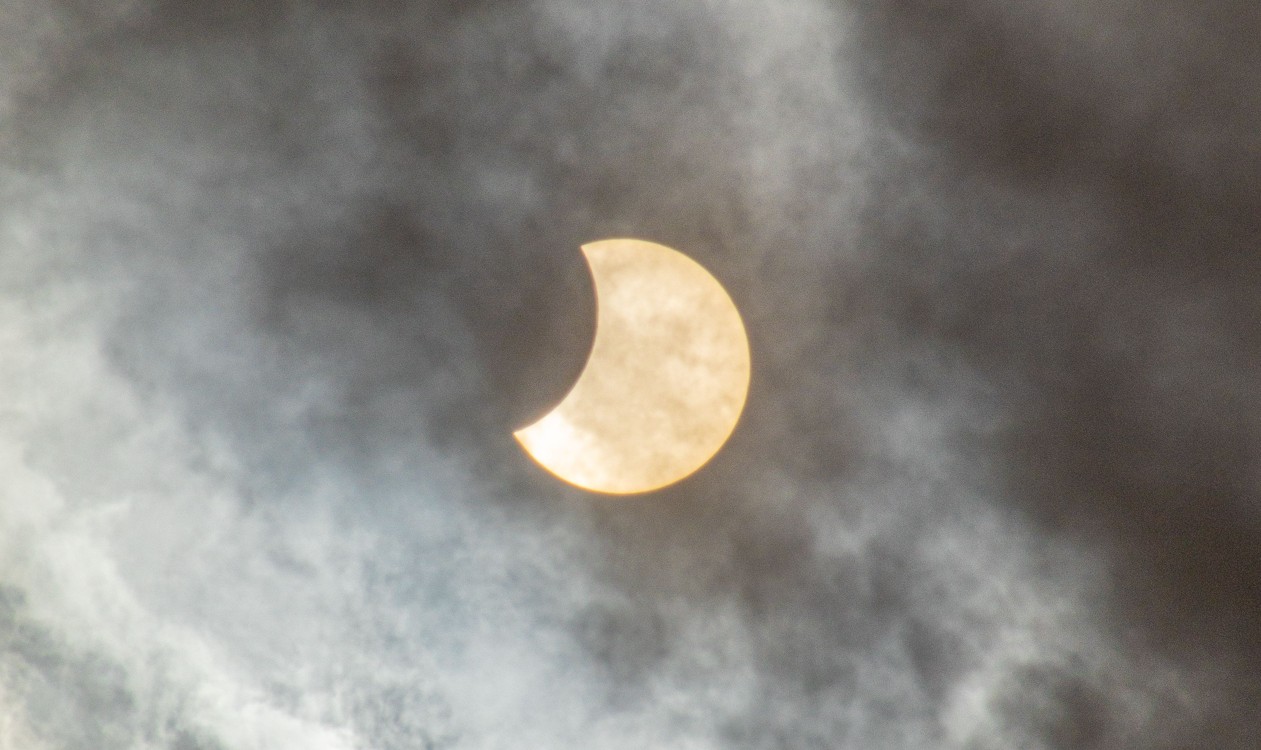
For those outside this path—including observers in the United States, Canada, the United Kingdom, France, Germany, and Italy—the event will be experienced exclusively as a partial solar eclipse. In these regions, the Sun will appear as a crescent, with the degree of obscuration depending on the observer’s proximity to the path of totality.
2. Chronology of the Shadow: A Minute-by-Minute Timeline
The progression of the eclipse is governed by precise celestial mechanics, allowing astronomers to map the shadow’s movement down to the second. According to global tracking data compiled by Timeanddate and NASA, the eclipse will progress through the following key phases on August 12 (all times in Coordinated Universal Time, UTC):
+-------------------------------------------------------------------------+
|                      GLOBAL ECLIPSE TIMELINE (UTC)                      |
+-------------------------------------------------------------------------+
|  15:34 UTC  |  Partial Eclipse Begins Globally                          |
|             |  The Moon's outer shadow (penumbra) first touches Earth.  |
+-------------+-----------------------------------------------------------+
|  16:58 UTC  |  Totality Begins Globally                                 |
|             |  The dark inner shadow (umbra) makes landfall.            |
+-------------+-----------------------------------------------------------+
|  17:46 UTC  |  Maximum Eclipse                                          |
|             |  The point of greatest duration and coverage.             |
+-------------+-----------------------------------------------------------+
|  18:34 UTC  |  Totality Ends Globally                                   |
|             |  The umbra leaves Earth's surface near the Balearics.    |
+-------------------------------------------------------------------------+
The Journey of the Umbra
- Arctic Origin: The path of totality begins in an extremely remote region of northern Siberia. It moves north over the Arctic Ocean, passing close to the North Pole before heading south toward the eastern coast of Greenland.
- Greenland and Iceland: By late afternoon UTC, the shadow reaches Greenland and Iceland. Observers in western Iceland will experience totality in the late afternoon, with the Sun positioned reasonably high in the sky.
- The Atlantic Crossing: Leaving Iceland, the shadow races southeast across the Atlantic Ocean at supersonic speeds, aiming directly for the Iberian Peninsula.
- The Spanish Sunset Finale: The shadow makes landfall on the northwest coast of Spain in the mid-evening. Because the eclipse occurs late in the day, the Sun will sit low on the western horizon. The path of totality will sweep across northern Spain, passing over major municipalities before reaching the Mediterranean coast and the Balearic Islands, where the eclipse will conclude at sunset.
3. Supporting Data: Regional Analysis and Weather Prospects
The success of any eclipse-chasing expedition hinges on two critical variables: geography and meteorology. Because the path of totality spans highly diverse climatic zones, observers must weigh the advantages of solar altitude against the statistical probability of cloud cover.
Iceland: Prime Positioning with Volatile Weather
Iceland sits directly in the path of totality, making it one of the premier viewing locations in the world.
- Key Locations: The capital city of Reykjavik lies close to the southern edge of the totality path, meaning residents and visitors will experience a deep total eclipse. The Snæfellsnes Peninsula and the Westfjords offer even longer durations of totality, as they sit closer to the centerline of the shadow path.
- The Weather Challenge: The North Atlantic climate is notoriously unpredictable. Iceland is prone to rapid cloud formation, driven by the collision of cold Arctic air and warm ocean currents. A viewing site selected months in advance could easily be obscured by localized marine stratus clouds during the brief window of totality.
- The Silver Lining: Even if thin, high-altitude clouds are present, they do not entirely ruin the experience. The dramatic, rapid descent into darkness—resembling a sudden twilight—remains highly visible. However, clear skies are required to observe the delicate structure of the solar corona and the reddish solar prominences leaping from the Sun’s edge.
Spain: Dramatic Angles and Low-Horizon Risks
As the shadow reaches Spain, it will create one of the most photogenic eclipses in history, though it presents unique viewing challenges.
- Key Regions: The path of totality cuts a wide swath across northern and central Spain, including portions of Galicia, Asturias, Castile and León, Aragón, Catalonia, and the Balearic Islands.
- The Low-Sun Obstruction: Because the eclipse occurs late in the evening, the Sun will be positioned very low in the western sky (less than 10 degrees above the horizon in many areas). This low angle means that local topography—such as the Cantabrian Mountains or the Pyrenees—as well as urban buildings and trees, can easily block the view of the Sun. Observers must secure a viewing location with a completely unobstructed western horizon.
- The Weather Advantage: Unlike Iceland, Spain during August offers a high statistical probability of clear, cloudless skies, particularly in the interior plains of Castile and León. The Balearic Islands, situated in the Mediterranean, also present excellent weather prospects coupled with a coastal horizon.
+------------------+-----------------------+-------------------------+
| Region           | Solar Altitude        | Primary Weather Risk    |
+------------------+-----------------------+-------------------------+
| Greenland        | Medium-High           | Fog, coastal marine air |
| Iceland          | Medium                | Rapid cloud development |
| Northern Spain   | Low (Near Horizon)    | Mountain-induced clouds |
| Central Spain    | Very Low              | Urban/terrain blockages |
| Balearic Islands | Extremely Low (Sunset)| Marine haze             |
+------------------+-----------------------+-------------------------+
North American and European Partial Views
For those unable to travel to the path of totality, the partial eclipse still offers a notable astronomical display:
- United States: The partial eclipse will be visible across the northern and northeastern states. In Alaska, the far northern latitudes will see a substantial portion of the Sun covered. In the Northeast—stretching down toward North Carolina—the eclipse will occur in the afternoon, with the Moon obscuring a small portion of the upper half of the Sun.
- Canada: Much of Canada will have an excellent view of the partial eclipse. Eastern provinces, including Quebec, Ontario, and the Maritimes, will see a significant partial eclipse during the afternoon hours.
- Europe and North Africa: The rest of Europe, including the United Kingdom, Ireland, France, Germany, and Italy, will see a deep partial eclipse. In many of these areas, the Sun will set while still partially eclipsed, creating a rare "sunset eclipse" visual where a crescent Sun sinks below the horizon.
4. Official Responses, Public Safety, and Scientific Mobilization
The scale of the August 12, 2026, eclipse has prompted coordinated planning from space agencies, scientific institutions, and local governments.
Scientific Mobilization
Organizations like NASA and the European Space Agency (ESA) are utilizing this event to study the solar corona. Because the corona is millions of degrees hotter than the Sun’s surface—a phenomenon known as the coronal heating problem—total solar eclipses offer unique, ground-based opportunities to observe the innermost layers of the corona, which are often obscured by space-based coronagraphs.
Media outlets, including Space.com, have already deployed journalistic and scientific teams to Greenland, Iceland, and Spain to monitor atmospheric changes, test equipment, and document local preparations.
Public Safety and Eye Protection
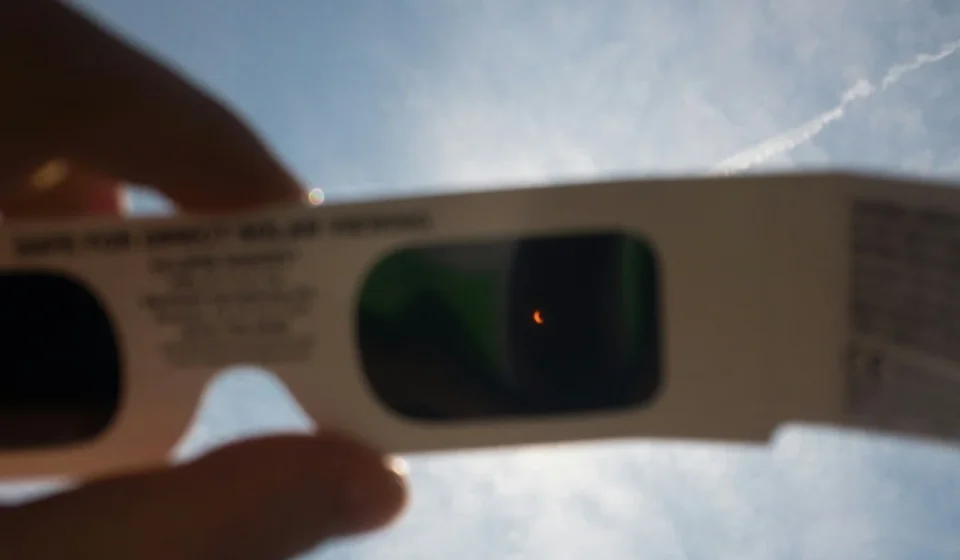
Space agencies and medical organizations have issued strict safety warnings. Looking directly at the Sun without specialized protection can cause permanent eye damage, including solar retinopathy.
                       [ EYE SAFETY PROTOCOL ]
     Partial Phases (All Locations)      |     Totality (Path Only)
-----------------------------------------+---------------------------------
  MUST wear ISO 12312-2 certified        |  Safe to remove glasses ONLY
  eclipse glasses at all times.          |  during brief peak totality.
  Ordinary sunglasses are NOT safe.      |  Put back on as soon as light returns.
The key safety guidelines include:
- ISO 12312-2 Certification: Any viewing glasses or solar filters must meet the ISO 12312-2 international safety standard.
- Optical Equipment Safety: Cameras, binoculars, and telescopes must be fitted with professional solar filters over their front lenses. Viewing the Sun through these devices without a proper filter—even while wearing eclipse glasses—will instantly destroy the glasses’ filter and damage the observer’s eyes.
- Indirect Viewing: For those without glasses, indirect viewing methods, such as a pinhole projector constructed from cardboard, offer a safe way to watch the progression of the partial phases.
Government and Infrastructure Logistics
In Spain and Iceland, local municipalities along the path of totality are bracing for an influx of "eclipse tourists." Local authorities are working on traffic management plans, designating official viewing areas, and launching public safety campaigns to ensure visitors do not crowd narrow rural roads or fragile ecological zones.
5. Implications: The Phenomenon of Totality and Tourism
The distinction between a partial eclipse and a total solar eclipse cannot be overstated. As veteran eclipse chasers often note, the difference between a 99% partial eclipse and a 100% total eclipse is literally the difference between day and night.
The "All-or-Nothing" Threshold
At 99% obscuration, the remaining 1% of the solar disk is still incredibly bright—roughly 10,000 times brighter than the total eclipse itself. This sliver of light is more than enough to keep the sky blue, mask the solar corona, and prevent the drop in ambient light that characterizes true totality. It is only when the Moon completely covers the Sun’s surface that the sky darkens to a deep twilight blue, allowing the stars, planets, and the glowing corona to emerge.
Economic and Tourism Impacts
The 2026 eclipse is expected to generate significant economic activity in regions along the path of totality:
- Hospitality Surge: Hotels, guesthouses, and rental properties in western Iceland and northern Spain have reported surge bookings years in advance.
- Transportation Demand: Car rental agencies and regional airlines are adjusting capacity to handle the spike in travelers heading to viewing zones.
- Local Businesses: Restaurants, tour operators, and local vendors in small towns along the path stand to benefit from a substantial injection of tourism revenue.
Global Digital Access
For those unable to travel to the path of totality or who find themselves blocked by unfavorable weather, technology will bridge the gap. NASA has announced plans to stream the eclipse live on its official platforms beginning at 1:15 p.m. EDT (17:15 UTC) on August 12. Using high-definition cameras mounted on ground telescopes and high-altitude balloons, the broadcast will follow the Moon’s shadow as it races from the Arctic toward Europe, ensuring that this celestial event remains accessible to a global audience.