
























































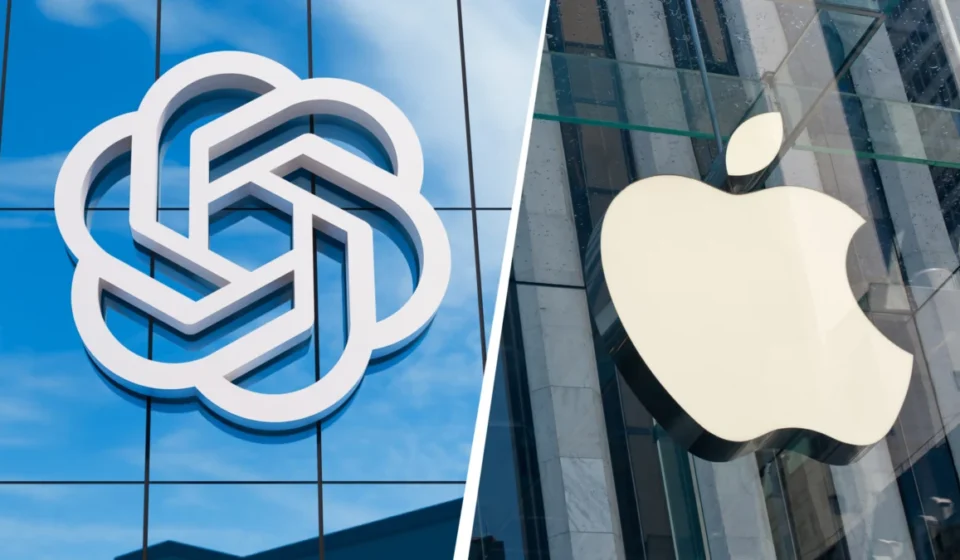

The high-stakes legal battle between Apple and OpenAI has evolved from a standard corporate dispute into a masterclass in courtroom theater. In its latest filing, Apple’s legal counsel has adopted a tone that borders on professional exasperation, effectively treating OpenAI’s defense strategies with the weary dismissal one might reserve for a recalcitrant child. This shift in rhetoric marks a pivotal moment in the ongoing litigation, signaling that Apple is no longer interested in debating the merits of its claims—it is now actively dismantling the legitimacy of OpenAI’s defense.
The Core Conflict: Intellectual Property at the AI Frontier
At the heart of the litigation is a fundamental dispute over the sanctity of trade secrets and the boundaries of data usage in the age of generative artificial intelligence. Apple alleges that OpenAI has engaged in the unauthorized acquisition and utilization of proprietary materials. While the technical specifics are buried deep within the court documents, the overarching claim is that OpenAI’s rapid rise has been fueled, in part, by the misappropriation of Apple’s confidential data.
OpenAI, for its part, has sought to dismiss these allegations through a series of motions, arguing that the claims are either procedurally flawed or based on a misunderstanding of how their models are trained. However, Apple’s latest filing suggests that these defenses are not only weak but fundamentally misunderstand the legal standard required to survive a motion to dismiss.
A Chronology of the Dispute
The trajectory of this case has been rapid, reflecting the breakneck speed of the AI industry itself.
- Initial Tensions: Following the public rollout of increasingly sophisticated AI models, Apple began to scrutinize the provenance of the data sets utilized by major AI labs.
- The Filing: Apple formally entered the courtroom, alleging that OpenAI had circumvented security protocols to access proprietary systems.
- The Defense’s Motion: OpenAI filed for a motion to dismiss, arguing that the information in question was either not protected as a trade secret or had been rectified by the company after discovery.
- The "Exasperated" Response: Apple’s recent filing serves as a direct rebuttal, characterizing OpenAI’s defensive maneuvers as a strategic attempt to shift the goalposts and mislead the court regarding basic civil procedure.
Dissecting the Legal Tone: A Calculated Strategy
Legal filings are rarely known for their emotional transparency, yet the latest document from Cupertino is notable for its sharp, impatient syntax. Apple’s lawyers write: "Defendants’ arguments about the individual defendants ignore the legal standard on a motion to dismiss. Again and again, Defendants rely on attorney argument or extrinsic evidence, hypothesize about implausible explanations for a Defendant’s ‘innocent’ misconduct, and ask the Court to draw inferences in their own favor."
This is more than just stylistic flair; it is a tactical maneuver. By framing OpenAI’s defense as a deviation from standard judicial procedure, Apple is attempting to lower the judge’s patience threshold for OpenAI’s future arguments. The filing highlights a specific point of contention: OpenAI claims that the "access" Apple complained of was identified and shut off by OpenAI before the lawsuit was even filed. Apple’s retort is scathing, noting that this "remediation" does not account for the continued use of the materials already harvested, nor does it address other, broader methods of alleged misappropriation.
The "Smoking Gun" of Value
One of the most compelling arguments made in the recent filing is Apple’s assertion that the very lengths OpenAI went to in order to acquire the data serve as proof of its value. Apple argues that the high cost and intense effort expended by OpenAI to access these trade secrets implicitly validates that the information was, in fact, a protected and valuable trade secret.
"In any case, the value of Apple’s trade secrets can be plausibly inferred from the lengths to which Defendants have gone to acquire them," the filing notes. This represents a classic "reverse-engineering" of the defense’s own behavior to build a prosecution case. It places OpenAI in a precarious position: if they argue the data was worthless, they must explain why they spent significant resources trying to obtain it.
The Broader Implications for the AI Sector
This litigation is occurring against a backdrop of increasing industry-wide scrutiny. The legal battle is not happening in a vacuum; it is part of a growing trend where established technology giants are asserting their rights against AI startups that are perceived to be "scraping" their way to success.
Furthermore, the legal landscape is becoming crowded. The mention of Elon Musk’s xAI and their own allegations against OpenAI regarding trade secret theft suggests a "pattern of behavior" that could prove damaging to OpenAI’s reputation in court. If multiple plaintiffs can demonstrate a consistent strategy of aggressive data acquisition that skirts the line of legality, the courts may be more inclined to issue a broad ruling that could redefine how AI models are trained and regulated.
Discovery: The Looming Storm
As the case moves toward the discovery phase, the tone of Apple’s filing suggests that the company is confident in the evidence it has yet to reveal. By hinting at additional documentation that will surface once the legal process enters the discovery stage, Apple is signaling to OpenAI that the current public dispute is merely the "tip of the iceberg."
Discovery will force OpenAI to produce internal communications, data usage logs, and potentially the architecture of their training sets. For a company that has historically guarded its "black box" technology with extreme secrecy, this is the most dangerous stage of the trial. If internal documents confirm that Apple’s proprietary data was a key ingredient in their model’s development, the legal repercussions could be catastrophic.
Conclusion: A Turning Point for Corporate AI
The clash between Apple and OpenAI is a microcosm of the current tensions in the Silicon Valley ecosystem. On one side, a legacy titan seeking to protect its intellectual property; on the other, a disruptor pushing the boundaries of what is possible, often at the expense of established legal norms.
Apple’s "exasperated parent" persona in these filings is a calculated effort to strip away the obfuscation of legal jargon and focus the court’s attention on the fundamental breach of trust and property. As the litigation continues, the industry will be watching closely to see if OpenAI can sustain its defense, or if the weight of Apple’s legal scrutiny will force a settlement that fundamentally alters the way AI companies interact with protected data.
Ultimately, this case is about more than just a single dispute between two companies; it is about establishing the rules of the road for the next century of innovation. As the legal battle intensifies, one thing remains clear: Apple has no intention of backing down, and they are prepared to use every tool in their legal arsenal to ensure that their intellectual property remains theirs alone.