
























































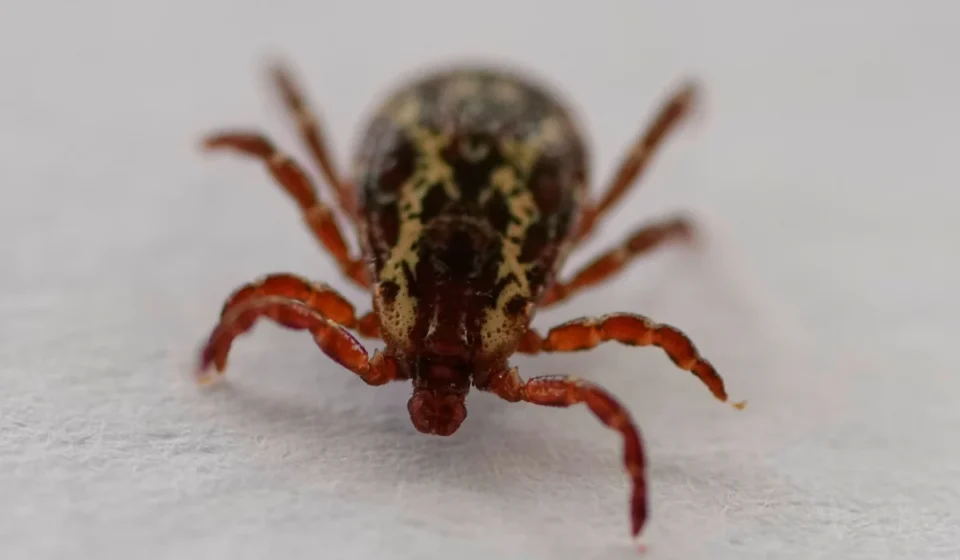

As the frost recedes and the landscape turns green, millions of Americans are eager to reclaim the outdoors. However, the warming climate is ushering in a hidden, biological consequence: an unprecedented surge in tick populations. This spring, health authorities are issuing urgent warnings as the 2026 tick season shows signs of being one of the most active in recent history, escalating the risk of Lyme disease and other tick-borne pathogens.
The State of the Threat: Data and Trends
The Centers for Disease Control and Prevention (CDC) sounded the alarm on April 23, 2026, reporting that emergency room visits related to tick bites have reached their highest levels since 2017. While the official tally of reported Lyme disease cases for 2023—the most recent year for which comprehensive data is available—stood at approximately 89,000, public health experts estimate the actual burden is closer to 500,000 annual infections in the United States.
The discrepancy between reported cases and estimated infections stems from the "stealth" nature of the disease. Many individuals never recall being bitten, and early symptoms are often mild or misattributed to seasonal allergies or common viral illnesses. This leads to a significant number of undiagnosed cases, allowing the Borrelia bacteria to establish a stronger foothold in the human body.
A Brief History and Pathogenesis
Lyme disease was first identified in 1975 in the town of Lyme, Connecticut, following a cluster of pediatric arthritis cases. It is primarily caused by the bacterium Borrelia burgdorferi, which is transmitted to humans through the bite of infected black-legged ticks, commonly known as deer ticks (Ixodes scapularis).
The biological transmission process is deliberate and requires time. A tick typically must remain attached to a host for 24 to 48 hours to successfully transmit the bacteria from its own gut into the host’s bloodstream. This "window of opportunity" is crucial; early detection and prompt removal of the tick are the most effective ways to prevent infection.
Climate Change and Geographic Expansion
The geographic footprint of the deer tick is shifting rapidly. Historically concentrated in the Northeast and the Upper Midwest, the incidence of Lyme disease has nearly doubled since 1995. Several factors contribute to this expansion:
- Extended Seasons: Warmer temperatures mean that ticks emerge earlier in the spring and remain active longer into the autumn. In some regions, ticks are now active year-round if the ground does not reach deep-freeze temperatures.
- Habitat Fragmentation: As urban sprawl encroaches upon woodland areas, the natural buffers between humans and wildlife are shrinking. This creates an "edge effect," bringing humans into direct contact with the habitats of deer and mice—the primary reservoirs for the bacteria.
- Increased Rainfall: Changes in precipitation patterns provide the humid, temperate environment that ticks require to survive and thrive.
While 90% of cases remain concentrated in the Northeast, the mid-Atlantic, and the Upper Midwest, cases are increasingly being reported in regions previously considered low-risk, such as parts of the Pacific Northwest.
Clinical Presentation: Symptoms to Watch For
The hallmark of early-stage Lyme disease is the "erythema migrans," or the bull’s-eye rash, which appears at the site of the bite in 70% to 80% of cases. However, relying solely on the presence of a rash is dangerous, as it is absent in a significant portion of infections.
Early Symptoms (3–30 days post-bite)
- Fever and chills
- Profound fatigue
- Muscle and joint aches
- Swollen lymph nodes
Late-Stage Symptoms (Weeks to months post-bite)
If left untreated, the Borrelia bacteria can disseminate throughout the body, leading to:
- Lyme Arthritis: Approximately 60% of untreated patients develop recurring bouts of joint pain and swelling, particularly in the knees.
- Neurological Complications: This includes facial palsy, nerve pain, inflammation of the brain (meningitis), and cognitive deficits like "brain fog" or memory impairment.
- Cardiac Involvement: Though rare, Lyme carditis can occur, causing irregular heartbeats.
Modern medicine typically treats Lyme disease with a two-to-four-week course of antibiotics. While this is curative for most, some patients report lingering symptoms, a phenomenon currently under intense scientific investigation. Theories regarding "Post-Treatment Lyme Disease Syndrome" (PTLDS) suggest that persistent bacterial fragments or an overactive, dysregulated autoimmune response may be to blame.
Official Responses and Medical Innovation
The medical community is currently pivoting toward a more aggressive stance on prevention and treatment. The CDC continues to advocate for public awareness, emphasizing the "check yourself" approach.
On the pharmaceutical front, there is cautious optimism. In March 2026, Pfizer and its partner Valneva announced that their late-stage clinical trial for a new Lyme disease vaccine candidate demonstrated 70% efficacy in preventing infection. This represents the most significant breakthrough in Lyme prevention in decades. If approved, the vaccine could fundamentally alter the risk profile for those living in highly endemic regions, potentially curbing the rising tide of annual infections.
Implications for Public Safety
The rise in Lyme disease is not merely a medical challenge; it is a public health crisis that requires a multi-layered approach. The implications are clear: as long as the climate allows for the expansion of tick habitats, the onus falls on the individual to be vigilant.
Best Practices for Prevention
- The Barrier Method: Wear long-sleeved shirts and pants when hiking or working in tall grass. Tuck pants into socks to create a physical barrier.
- Chemical Defense: Utilize EPA-registered repellents containing DEET, picaridin, or IR3535. For clothing, permethrin is a highly effective insecticide that can be applied to gear and boots.
- The "Tick Check" Routine: Perform a thorough full-body inspection immediately after returning indoors. Pay close attention to warm, hidden areas: behind the knees, under the arms, in the groin, and along the hairline.
- Landscape Management: Keep lawns mowed and clear leaf litter to reduce the humidity and shade that ticks prefer.
Conclusion
The 2026 tick season serves as a stark reminder of our changing environment. The surge in tick-borne illnesses is a direct reflection of a shifting ecosystem that favors the survival of disease-carrying vectors. While scientists race to finalize vaccines and better treatments, the primary defense against Lyme disease remains consistent: informed awareness. By understanding the timing, geography, and symptoms associated with tick bites, individuals can enjoy the spring and summer months without falling victim to the long-term health consequences of a single, overlooked bite.
As we look toward the future, the integration of ecological monitoring and medical innovation will be essential in managing the "silent epidemic" of Lyme disease, ensuring that the great outdoors remains a source of health rather than a source of chronic illness.