


















































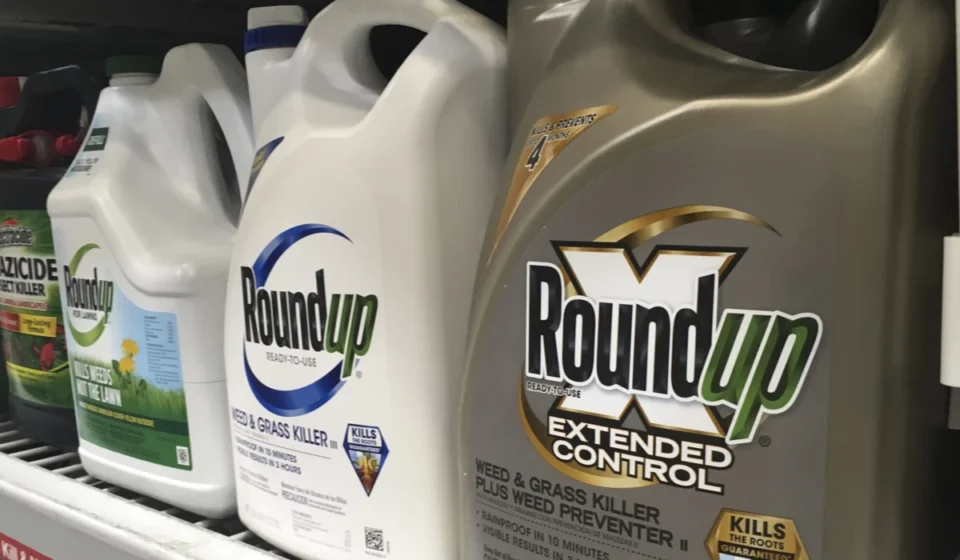

A massive $7.25 billion class-action settlement designed to resolve tens of thousands of lawsuits linked to Bayer’s Roundup herbicide is currently at the center of a fierce legal firestorm. Critics, including prominent plaintiffs’ attorneys, are decrying the agreement as a “sweetheart deal” that undermines the U.S. Constitution and effectively shields a multinational corporation from accountability for its past environmental and public health impacts.
As the legal landscape surrounding glyphosate—the active ingredient in Roundup—grows increasingly volatile, the proposed settlement has become a lightning rod for debate. While Bayer maintains that the agreement provides a necessary path to resolution for cancer sufferers, opponents argue that the structure of the deal prioritizes corporate protection over the rights of victims, potentially trapping millions of people in a restrictive framework that offers minimal compensation while guaranteeing lucrative payouts to the legal teams brokering the agreement.
The Core Conflict: Due Process and Allegations of Collusion
The controversy erupted in late May when a series of court filings in Missouri challenged the legitimacy of the $7.25 billion proposal. Lawyers, including Ashley Keller—who recently argued before the U.S. Supreme Court on related matters—filed formal objections, arguing that the settlement runs "roughshod over basic due process rights."
At the heart of the objection is the claim that the settlement is a "laundering scheme" designed to bypass the traditional judicial process. By binding both current plaintiffs and future users of Roundup who may develop non-Hodgkin lymphoma (NHL) into a massive class, the deal effectively forces millions of people to either accept potentially paltry payouts or navigate what critics call "comically difficult" opt-out procedures.
The objectors allege that the deal is inherently collusive. They argue that Monsanto (acquired by Bayer in 2018) and the attorneys spearheading the class action have effectively become "partners," crafting a settlement that ensures legal fees of $675 million for the architects of the deal, while leaving the actual victims with limited, often inadequate, compensation.
A Chronology of the Roundup Litigation
The path to the current impasse has been marked by years of high-stakes litigation, scientific debate, and corporate maneuvering.
- 2016: Federal litigation against Monsanto regarding Roundup’s health impacts begins to consolidate, with U.S. District Judge Vince Chhabria overseeing the national proceedings in California.
- 2018: Bayer AG completes its acquisition of Monsanto, inheriting a massive backlog of personal injury lawsuits alleging that Roundup causes cancer.
- February 2026: Bayer formally proposes a $7.25 billion settlement, aiming to resolve tens of thousands of pending and future claims.
- April 2026: The U.S. Supreme Court hears arguments in a case that could limit future lawsuits against Monsanto, specifically concerning whether state-level failure-to-warn claims are preempted by federal law.
- May 2026: Formal objections are filed in the Circuit Court of the City of St. Louis, labeling the settlement a "sweetheart deal." A subsequent "notice of removal" is filed, attempting to shift the state-level proceedings to federal jurisdiction.
- June 4, 2026: The deadline for plaintiffs to opt out of the proposed class settlement.
- Late June 2026: A highly anticipated Supreme Court ruling is expected, which may significantly alter the leverage of plaintiffs currently deciding whether to join the settlement.
- July 2026: A scheduled hearing for final court approval of the $7.25 billion settlement.
Supporting Data and Financial Implications
The financial stakes for both Bayer and the claimants are immense. The proposed $7.25 billion fund is intended to cover both existing claims and a "futures" subclass—a group that includes individuals who have not yet been diagnosed with cancer but may be exposed to the herbicide in the future.
However, legal observers point to the $675 million allocated for class counsel as a signal of the settlement’s true priorities. In the context of the millions of people who could technically fall under the definition of the class—including children and individuals who may only have had incidental exposure—the individual payments for those suffering from cancer are expected to be significantly lower than the potential jury awards seen in early trials.
The economic pressure on Bayer is also a critical factor. The company has repeatedly warned that continued litigation could jeopardize its financial stability, potentially pushing the herbicide division toward bankruptcy. By securing a comprehensive settlement, Bayer seeks to trade high-variance jury trials for a predictable, capped liability figure. Conversely, plaintiffs’ attorneys supporting the deal argue that the "clogged courts" system makes this settlement the only realistic way for victims to secure any compensation before the legal environment potentially shifts against them.
Official Responses: Bayer vs. The Objectors
The divide between the parties involved is stark. Bayer, in its official communications, maintains that the settlement is a robust, well-financed, and fair resolution.
"We remain confident that the long-term and well-financed proposed class settlement plan, which is supported by plaintiff law firms representing thousands of potential class members, is fair to all claimants, and warrants approval by the court," a Bayer spokesperson stated. The company further characterized the attempts to move the case to federal court as a "baseless delay tactic."
Conversely, the objectors, led by firms like Frazer PLC and Keller’s practice, view the situation as an existential threat to the rights of the injured. "Monsanto and class counsel walked into court hand in hand to ram through a deal that gifts $675 million to class lawyers while leaving present and future cancer victims with a pittance," Ashley Keller told The New Lede.
Meanwhile, Chris Seeger, a key architect of the settlement, insists that the deal is the "clearest path to guaranteed compensation for cancer victims who have waited more than a decade for justice."
Wider Implications: Federal Preemption and Public Health
The resolution of this case rests heavily on a pending U.S. Supreme Court decision regarding the Federal Insecticide, Fungicide, and Rodenticide Act (FIFRA). The central legal question is whether federal law—specifically the EPA’s stance that glyphosate is "unlikely" to be carcinogenic—preempts state laws that require companies to warn consumers about potential cancer risks.
The Constitutional Challenge
The argument that this settlement is unconstitutional hinges on the concept of the "futures" subclass. Critics argue that it is unprecedented in American jurisprudence to bind future, as-yet-unidentified individuals to a settlement, particularly when those individuals may not even be aware of their exposure. The legal filing argues that such a structure violates the fundamental rights of millions, effectively turning the courtroom into a place for "liability-management" rather than the pursuit of justice.
Environmental and Health Policy
Beyond the courtroom, the case highlights the ongoing tension between agricultural convenience and public health. As pesticide and cancer "hotspots" emerge in regions like North Dakota’s Red River Valley, the inability of residents to hold manufacturers accountable creates a widening gap in environmental justice. If the settlement is approved, Bayer will be permitted to continue selling Roundup without cancer warnings, a move that critics say rewards the company for past misdeeds and signals that the use of potentially hazardous chemicals will remain largely unchecked.
The Role of the Judiciary
The attempt to remove the case to federal court—specifically to the jurisdiction of Judge Vince Chhabria, who has previously criticized the settlement as "filthy"—demonstrates the lengths to which opponents will go to stop the deal. While the legal viability of this maneuver is debated by experts, it underscores the lack of consensus among the judiciary regarding the ethics of the settlement.
Conclusion: A Precedent for the Future of Mass Torts?
The outcome of the $7.25 billion Roundup settlement will likely serve as a blueprint for how future mass-tort cases involving corporate liability are handled. If the court permits the current structure, it could normalize the use of "futures" subclasses to shield corporations from long-term, unpredictable litigation costs.
As the July approval hearing approaches, all eyes remain on the Supreme Court and the Missouri court system. For the thousands of cancer sufferers who have already spent years fighting in the courts, the settlement represents a desperate choice: accept a limited payout today or risk losing everything in the face of a potentially unfavorable Supreme Court ruling. For Bayer, the goal remains the same: finality, even at the cost of intense public and legal scrutiny. Whether this settlement ultimately provides "justice" or merely serves as a convenient exit from legal liability remains the central, unresolved question of this landmark litigation.