






















































The Dinner Table Ballot: How Food Safety Became the Unlikely Centerpiece of the Midterm Elections

As the U.S. midterm elections approach, the traditional discourse surrounding pocketbook issues—inflation, interest rates, and employment—has been unceremoniously interrupted by an unexpected and visceral debate: the safety of the American dinner plate. What began as a series of seasonal public health challenges has metastasized into a heated political conflict, turning grocery store aisles and chain restaurant menus into battlegrounds for partisan sparring.
The catalyst for this shift was a tumultuous summer marred by a massive, record-breaking foodborne illness outbreak and a flurry of high-profile recalls of imported meat. As late-night comedians turned graphic descriptions of food poisoning symptoms into trending social media fodder, the political fallout began to take hold. With voters expressing mounting anxiety over whether their next salad or burger could be their last, both political parties have mobilized to frame the crisis as a referendum on the current administration’s stewardship of the nation’s public health infrastructure.
A Crisis of Confidence: The Summer of Contamination
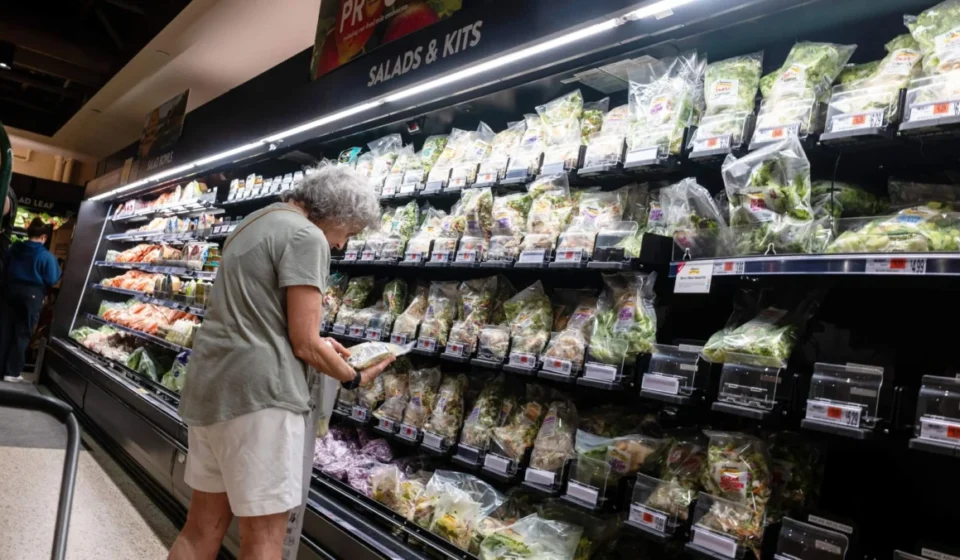
The public’s unease is not merely anecdotal; it is grounded in a stark statistical reality. From May through August of this year, the United States grappled with the largest recorded outbreak of cyclosporiasis in history. Linked primarily to contaminated lettuce, the parasite sickened nearly 20,000 individuals, a staggering jump from the 1,180 cases reported during the same period in 2025.
The sheer scale of the outbreak, coupled with the involvement of household-name restaurant chains like Chipotle and Taco Bell—which were forced to pull ingredients from their menus—brought the threat into the living rooms of millions.
"One of the reasons food safety is in the news this year, and people have been rightfully concerned, is the combination of high-profile restaurant names and the absolute colossal number of illnesses," explains Teresa Murray, consumer watchdog director with the U.S. Public Interest Research Group (PIRG). "It’s thousands of people. It makes it more real."
This perception of a systemic failure is reflected in consumer sentiment data. A July survey by Quinnipiac University revealed that a majority of registered voters harbor little to no confidence in government oversight of food safety. Even more striking, a poll by the data standards organization GS1 US found that 94% of U.S. adults are actively concerned about the frequency of food recalls. The University of Illinois and Purdue University released findings in September showing that the percentage of consumers who "strongly agree" that the U.S. food system is safe has plummeted from 40% in November to just 30% by August.
Chronology of a Political Food Fight
The timeline of this escalation reveals a rapid transition from public health concern to political weaponization:
- Early 2026: Regulatory shifts occur as the administration prioritizes streamlining supply chains and reducing bureaucratic hurdles for meat processors.
- May–August 2026: The cyclosporiasis outbreak sweeps through 21 states, causing a massive surge in laboratory-confirmed illnesses.
- Late August 2026: The Trump administration announces new policies to allow small livestock operations to slaughter their own meat, triggering immediate backlash from safety advocates.
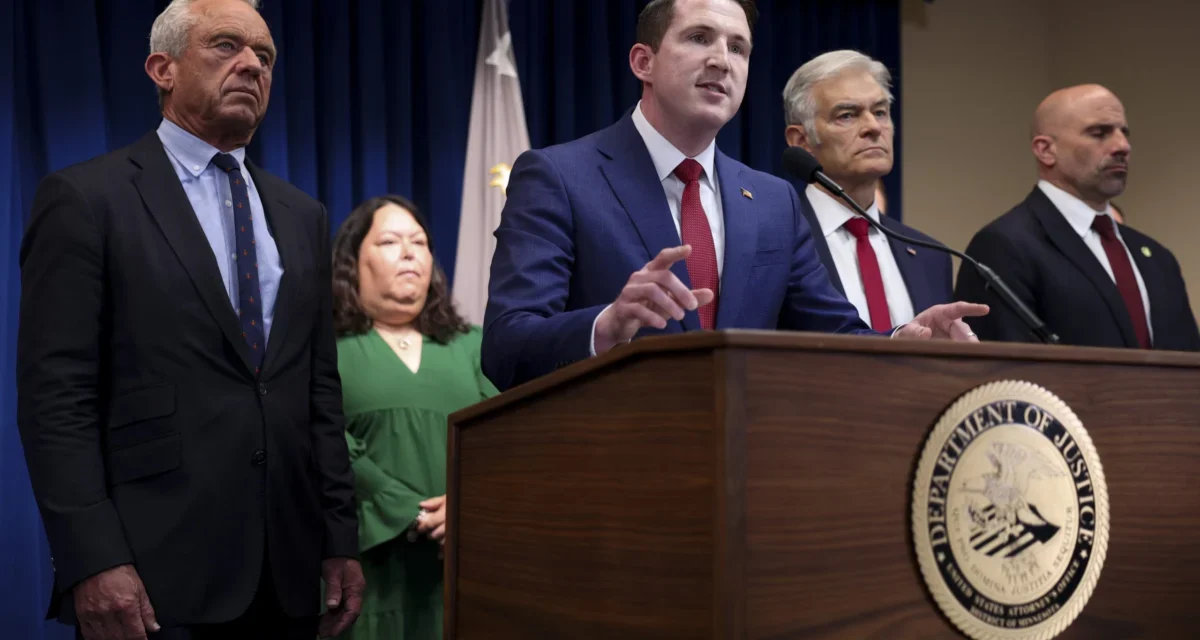
- September 2026: Democratic lawmakers, led by Sen. Elizabeth Warren and others, launch a coordinated effort to link the outbreaks to the administration’s budget cuts, demanding the resignation of HHS Secretary Robert F. Kennedy Jr.
- Mid-September 2026: The FDA attempts to quell public concern by claiming 2026 recall levels are at a decade-long low, a claim that is almost immediately challenged by food safety experts citing data manipulation.
Data Analysis: The Complexity of the Recall Narrative
While the raw number of food recalls in 2026—approximately 200 to date—is roughly on par with 2025, experts warn that "recall volume" is a deceptively simple metric.
According to analysis by Trace One, a provider of regulatory guidance software, the total number of recalls actually grew by 21% between 2021 and 2025. Crucially, this growth has been driven by an increase in "Class I" recalls, which involve products that pose a high risk of serious illness or death.
However, federal agencies argue that raw numbers are misleading. The FDA recently posted a chart on social media showing a decline in recalls from nearly 4,000 in fiscal year 2013 to 1,836 in 2026, accompanying the post with the tagline: "Don’t believe the fake news."
This attempt to frame the narrative has backfired among experts. Susan Mayne, who served as the director of the FDA’s Center for Food Safety and Applied Nutrition from 2015 to 2023, pointed out that the agency’s data is being used dishonestly. "This HHS assertion appears to be based on incorrect data," Mayne noted, highlighting that the tally includes non-food items such as medical devices and pharmaceuticals. By conflating these categories, critics argue, the administration is attempting to mask a degradation in food safety standards.
Official Responses and the Partisan Divide
The Democratic National Committee has utilized this disconnect to hammer home their message, labeling the administration’s oversight a "complete disaster." Sen. Elizabeth Warren has been particularly vocal, accusing the administration of a "failed response" to the cyclospora outbreak and questioning whether political influence peddling has compromised safety standards.
Rep. Gabe Amo (D-R.I.) and other party members have joined the chorus, calling on the White House to stop "gutting the FDA" and to restore the workforce of inspectors.
In response, the administration has maintained a defiant posture. HHS spokesperson Grace Davis Jamison defended the current surveillance systems, stating that the FDA and CDC retain the necessary staff for outbreak investigations. "The Trump administration has mounted a robust response to each outbreak," Jamison said, noting that they have worked closely with state health departments to identify sources of contamination.
The administration further claims that initiatives such as easing slaughter regulations for small livestock operations are intended to boost rural economies and decentralize the food supply, rather than sacrifice safety.
Long-term Implications for Public Health and Policy
The political rancor masks deeper, structural concerns regarding the future of the U.S. food supply. The administration’s recent decisions—including the withdrawal of a proposed Biden-era rule that would have limited salmonella levels in poultry, and the decision to delay the implementation of food traceability requirements until 2028—have set off alarm bells among public health professionals.
Sarah Sorscher, regulatory affairs director at the Center for Science in the Public Interest, captures the sentiment of many in the field: "There’s a level of hypocrisy from the administration when they promise to make our food safer and then eviscerate the agencies and programs that detect and prevent outbreaks."
This is not the first time food safety has shaken the political landscape. In 1993, a lethal E. coli outbreak forced the Clinton administration to completely overhaul food safety policy, leading to the creation of the modern prevention-focused framework. Observers wonder if 2026 will serve as a similar turning point.
The economic consequences are already manifesting. Farmers have reported plowing under fields of lettuce because consumers are too fearful to purchase them. Sandra Eskin, chief executive of the nonprofit Stop Foodborne Illness, notes the tragic irony: "If you want people to eat real food, fresh fruits and vegetables, they have to be safe. Instead, we have had farmers plowing under fields because people aren’t buying lettuce."
As the midterms draw closer, the question remains: will the administration’s strategy of minimizing the crisis succeed in keeping the focus on their economic agenda, or will the "food fight" prove that, for the American voter, the safety of the dinner table is a non-negotiable priority?
The data suggests that regardless of the election outcome, the path forward will require a fundamental reassessment of how the U.S. detects, reports, and prevents the outbreaks that have so effectively rattled the public consciousness. For now, the kitchen has become a place of caution, and the ballot box may well reflect a hunger for transparency and reform that neither party can afford to ignore.