

























































For the modern traveler, the tension between the desire to explore the world and the responsibility of pet ownership has long been a source of stress. For years, the traditional solution—expensive kennels, professional pet sitters, or relying on reluctant family members—has been the standard. However, a growing movement is transforming this dynamic, offering a mutually beneficial "paw-some" solution that allows pet owners to travel guilt-free while providing travelers with authentic, immersive, and often free accommodation.
At the heart of this shift is the rise of platforms like Trusted Housesitters, a global exchange network that connects homeowners in need of animal care with verified travelers seeking a home away from home. By removing the financial transaction from the equation, the community creates a bond of trust that transcends traditional tourism.
The Genesis of a Global Exchange
The concept of house and pet sitting as a travel strategy has evolved from niche forums to a mainstream industry. It operates on a simple, yet profound, premise: homeowners provide free accommodation in exchange for the care of their pets and homes. For the traveler, this eliminates the primary cost of long-term travel; for the homeowner, it ensures their beloved companions remain in a familiar, stress-free environment rather than the sterile, often isolating, confines of a commercial kennel.
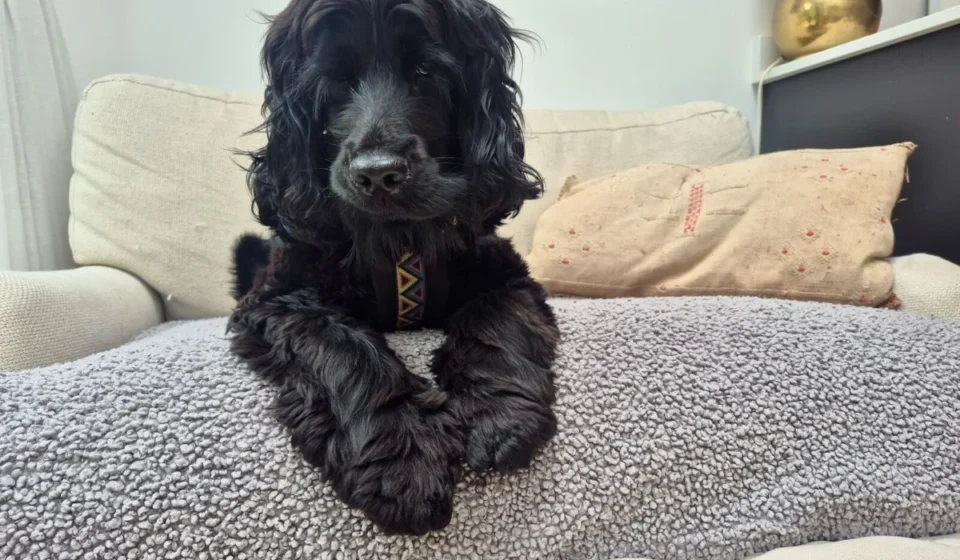
Matthew Haley and Ellie Cunningham, "pet parents" to their dog, Reggie, represent the typical demographic driving this change. "When we got Reggie, we were often told that we wouldn’t be able to go away as much," the couple explains. "But being able to use house sitters has meant that our travel plans have not been impacted at all, and Reggie gets looked after by dog lovers while we’re gone."
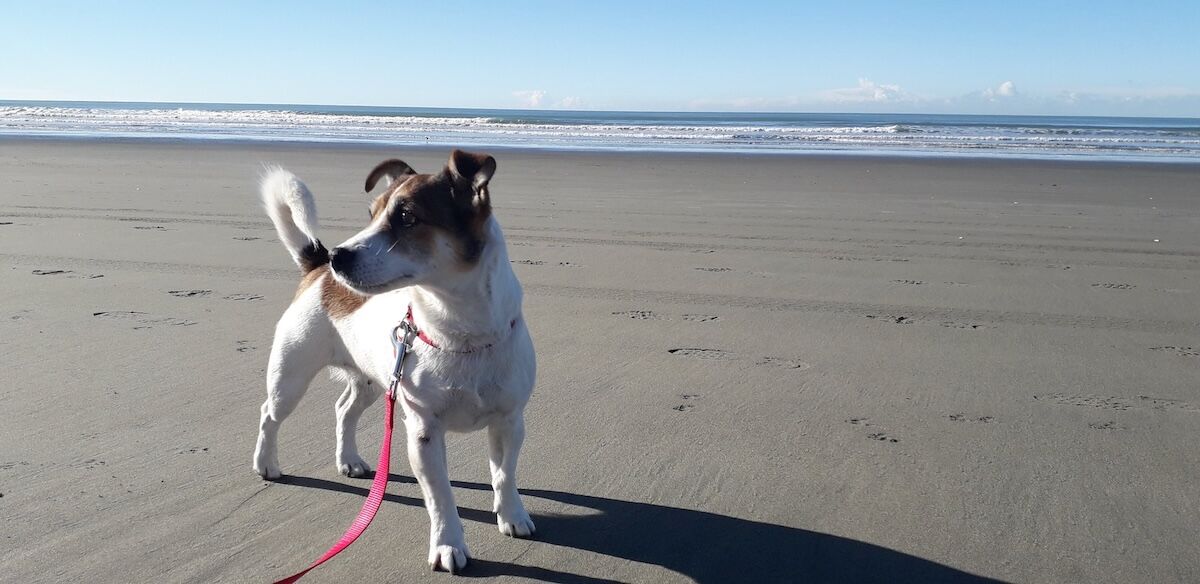
For the couple, the benefits are twofold: financial relief and peace of mind. Kennels are not only costly but can be traumatic for animals accustomed to home comforts. By welcoming a vetted sitter into their home, Reggie maintains his routine, and the couple gains the security of having their property occupied while they attend to weddings, summer vacations, or city breaks.
Chronology: From Casual Favor to Global Platform
The transition from local favor to a structured global network has been facilitated by technology. While many travelers begin their journey by watching a friend’s cat or dog over a long weekend, the professionalization of these exchanges has allowed for "slow travel" at scale.
- The Early Stage: Many sitters begin by building a portfolio of local experience. By caring for neighbors’ pets, individuals can secure character references—the lifeblood of the platform.
- The Scaling Phase: As digital nomadism and location-independent work became more accessible, the appetite for longer stays increased. Platforms implemented robust verification systems, including identity checks and, for certain regions like the United States, criminal background screenings.
- The Modern Integration: Today, the process is streamlined. A prospective sitter creates a detailed profile, applies to specific assignments, and undergoes a video interview. This ensures that the homeowner’s expectations regarding feeding schedules, medication administration, and pet activity levels are met before the trip begins.
Supporting Data: Why the Model Works
The popularity of pet-sitting platforms is supported by the changing nature of the workforce. With an increasing number of professionals working remotely, the "daily rhythm" of a pet sitter has become highly compatible with professional responsibilities.
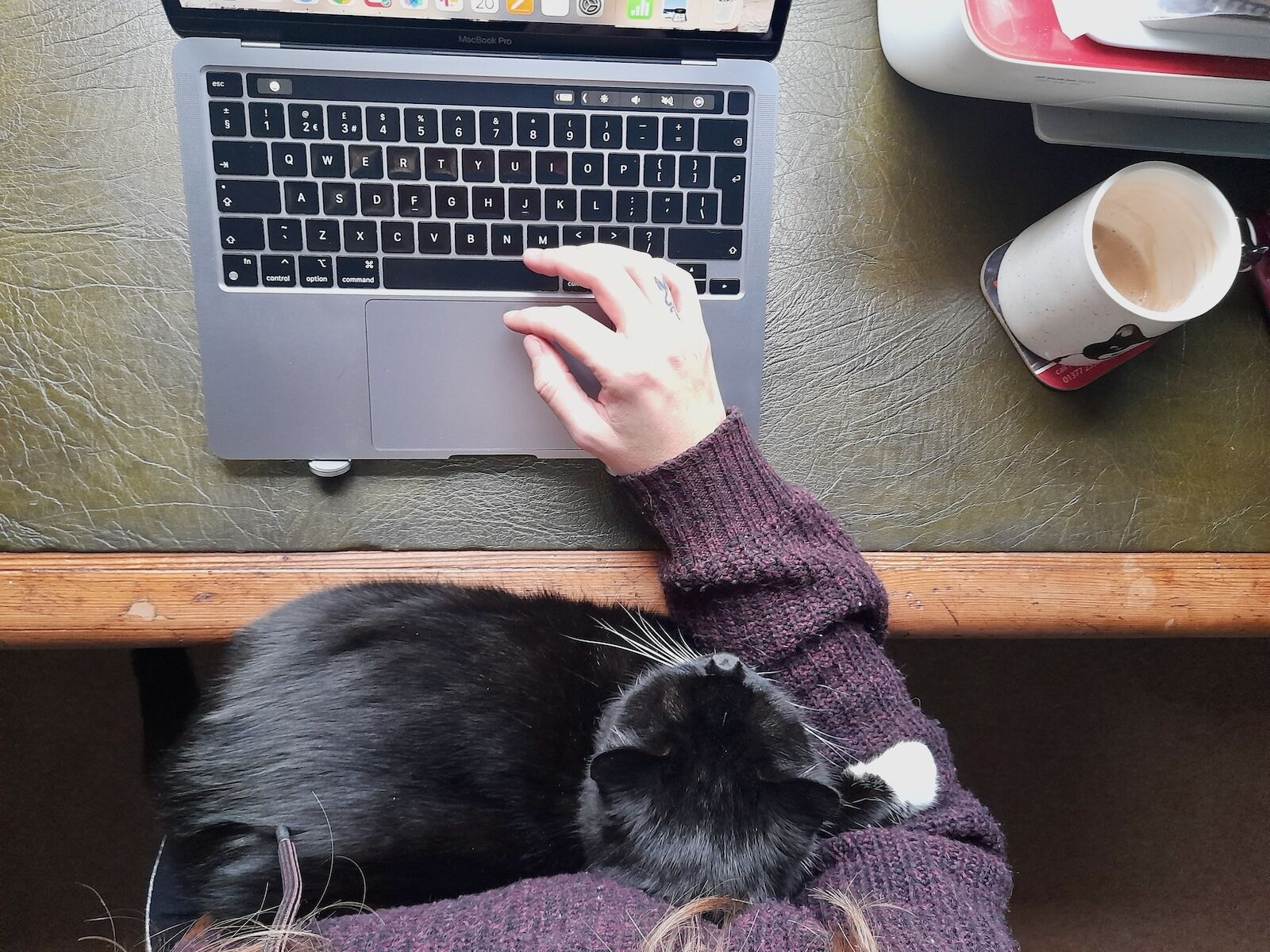
For the remote worker, the stability of a home environment is often superior to a hotel or co-working space. The typical day for a sitter often follows a predictable, productive pattern: an early morning walk or feed, a productive workday spent in a quiet home office (frequently accompanied by a cat or dog), and an evening dedicated to local exploration.
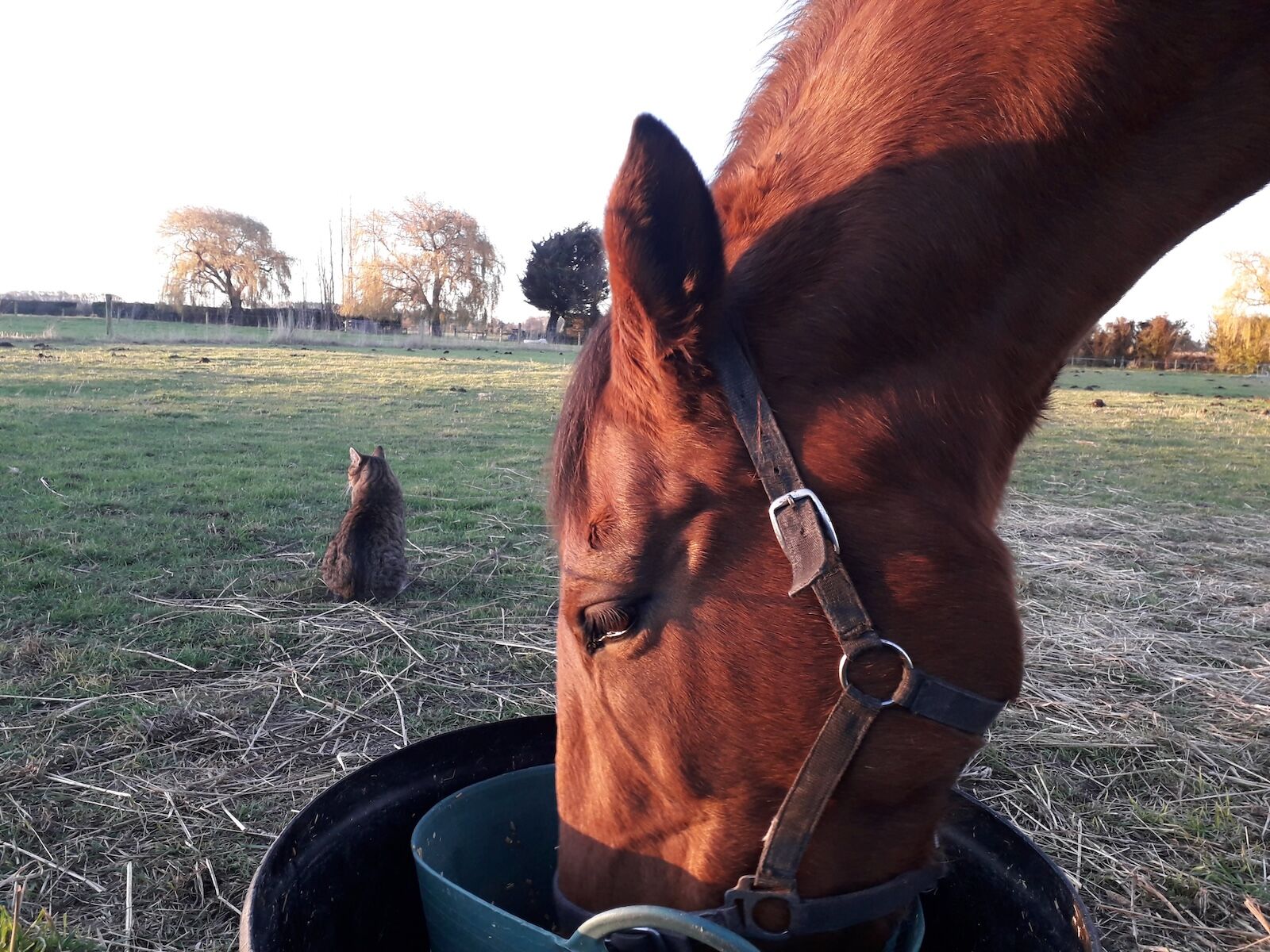
Data from these platforms suggests that the average assignment duration ranges from a long weekend to several months. The diversity of the animals is also vast; while cats and dogs remain the most common, experienced sitters regularly care for horses, chickens, and exotic pets, creating a versatile market for those with specific animal-handling skills.
Official Perspectives and User Experience
The success of this model is predicated on transparency and community standards. Unlike unregulated social media groups, platforms like Trusted Housesitters act as an intermediary, providing insurance, 24/7 support, and a review-based feedback loop.
"We tend to select people who have good reviews and can demonstrate they have cared for dogs in the past," Haley and Cunningham note. Their preference for couples or experienced individuals for longer assignments highlights the professional level of due diligence owners now employ.
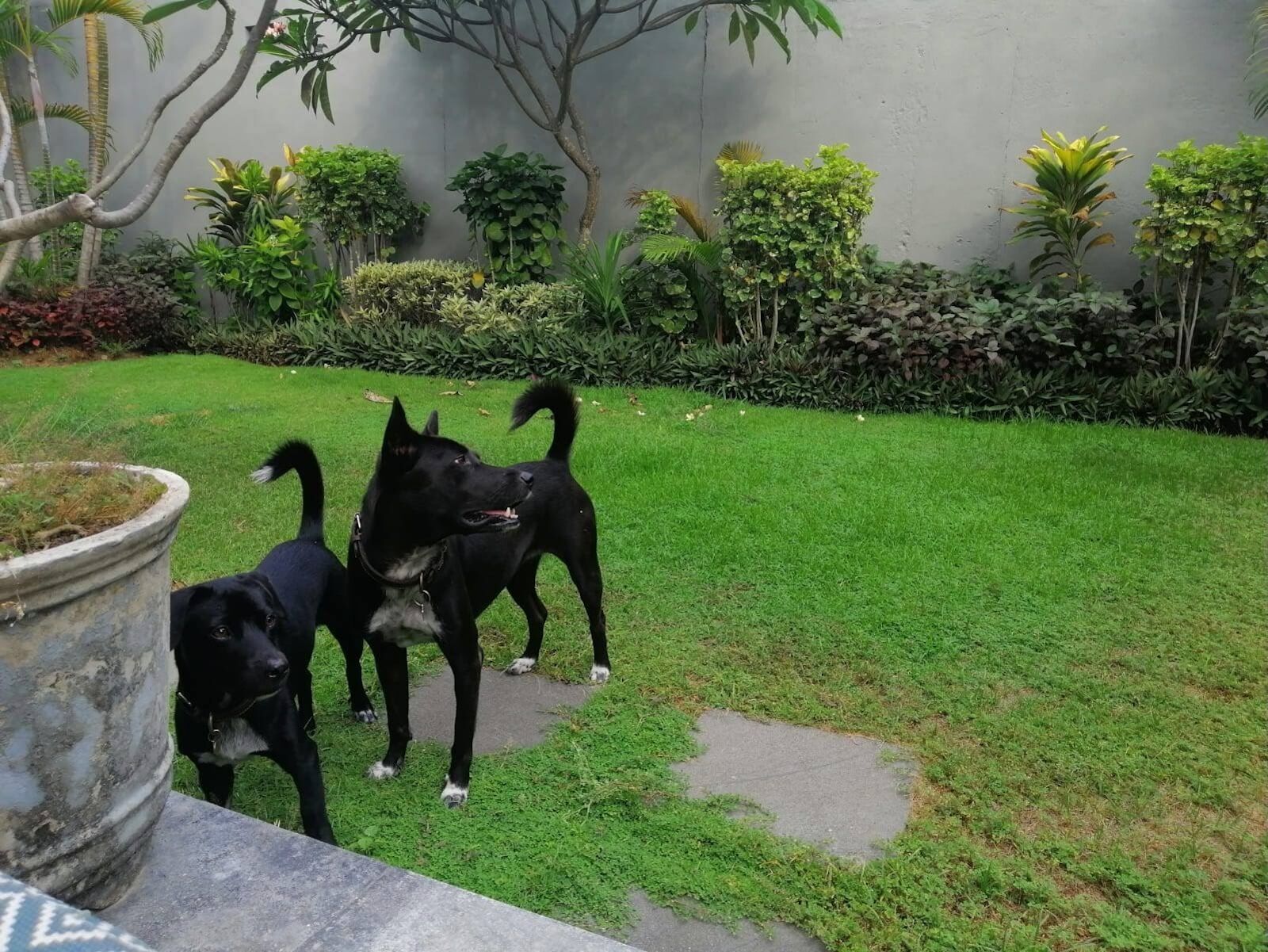
From the sitter’s perspective, the experience offers a level of cultural immersion that hotels cannot replicate. By living in residential neighborhoods rather than tourist-heavy city centers, sitters gain access to local amenities—neighborhood pubs, hidden cafes, and community walking routes. For instance, a sitter in Singapore might find themselves navigating the Gardens by the Bay with a rescue terrier, while a sitter in Bali might discover the quieter, more authentic side of Sanur away from the crowded hotspots of Canggu.
The Implications for Sustainable Travel
The implications of this movement extend far beyond the convenience of pet care. It represents a shift toward more sustainable, localized travel.
1. Economic Accessibility
For retirees, students on a sabbatical, and remote workers, the ability to eliminate accommodation costs makes long-term travel accessible. This "exchange economy" allows people to visit expensive cities—such as London, Singapore, or Auckland—without the prohibitive costs of nightly rentals.
2. Authentic Integration
Pet sitting forces a traveler to slow down. One cannot simply sightsee for 12 hours a day when a pet requires feeding and companionship. This inherent restriction leads to a deeper, more meaningful engagement with a single location. Instead of "checking off" landmarks, the sitter becomes a part of the local community, walking the same routes and visiting the same parks as the locals.
3. Safety and Security
The emphasis on verification is a crucial component of the industry’s maturity. By requiring character references and ID checks, the platform builds a layer of safety that encourages solo travelers to venture into new countries with confidence. For many, the knowledge that they are entering a vetted home environment makes the daunting prospect of moving abroad significantly more manageable.
How to Successfully Enter the Market
For those interested in becoming pet sitters, the barrier to entry is low but requires diligence. The "first assignment" is notoriously the most difficult to secure. Experts recommend the following steps:
- Build a Robust Profile: Avoid generic, copy-paste applications. Highlight your experience with animals, your professional background, and your willingness to undergo video interviews.
- Secure References: If you haven’t pet-sat before, reach out to former employers or friends who can attest to your reliability and character.
- Clarify Expectations: During the initial video call, ask about the "fine print." Does the owner expect daily check-ins? What are the protocols for emergency veterinary care? Is there a need for home maintenance?
- Invest in Membership: Platforms typically offer tiered memberships, ranging from basic access to premium services that include insurance and dedicated support. For a frequent traveler, the investment is often recouped in the savings of a single weekend stay.
Conclusion: A Future of Mutual Trust
The rise of the pet-sitting community is a testament to the power of shared values. By prioritizing the welfare of animals and the peace of mind of homeowners, travelers are finding a way to satisfy their wanderlust while grounding themselves in the lives of others.
As the world becomes more interconnected, the "paw-some" solution offered by platforms like Trusted Housesitters proves that the best way to see the world might not be through a hotel window, but through the eyes of a local pet. Whether it is a cat curled on a lap during a board meeting or a dog guiding a walker through a hidden London park, the exchange is a win-win for everyone involved—human and animal alike.