

















































The Silent Stoic: Understanding and Managing the Hereditary and Acquired Health Risks of the Border Collie

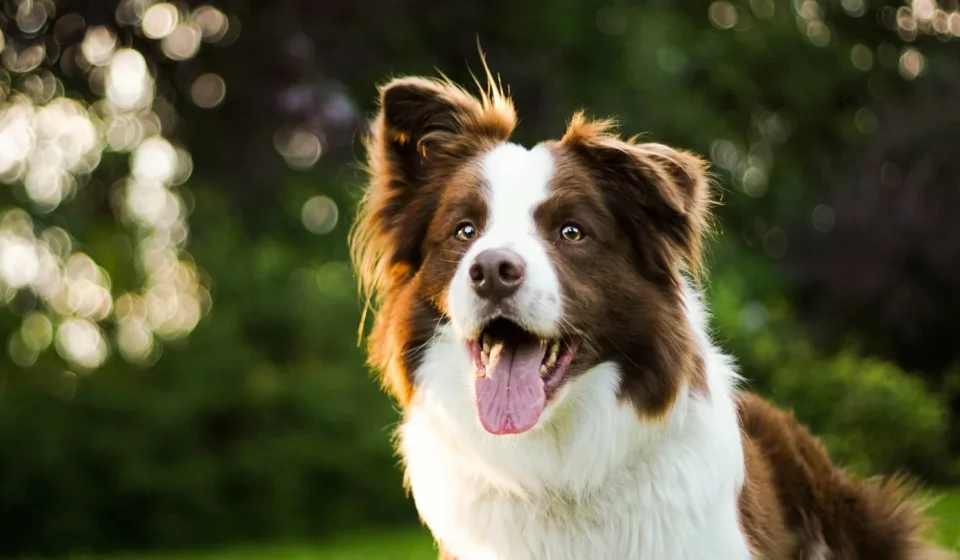
The Border Collie is widely celebrated as the pinnacle of canine intelligence, athleticism, and work ethic. Renowned for their intense "eye" and unmatched herding capability, these dogs often possess an extraordinary drive that keeps them working long after their human companions have grown exhausted. However, this relentless work ethic is a double-edged sword. The breed’s high pain tolerance and desire to please often mask underlying pain, vision impairment, and neurological distress until a condition progresses to a critical stage.
While veterinary authorities do not classify the Border Collie as an inherently unhealthy breed, their active lifestyle and genetic makeup expose them to several serious hereditary and acquired conditions. Understanding these health risks is not about fostering hypervigilance; rather, it is about equipping owners and breeders with the clinical knowledge required to identify early warning signs, seek timely veterinary intervention, and make informed breeding decisions.
1. Main Facts: The Core Health Profile of the Border Collie
The Border Collie Society of America (BCSA) recognizes the breed as generally robust and sound. Nevertheless, because of selective breeding for working traits, several serious hereditary conditions persist within the gene pool. These issues span orthopedic malformations, neurological disorders, ophthalmological defects, and immune system deficiencies.
+-----------------------------------------------------------------------------------------+
|                               BORDER COLLIE HEALTH AT A GLANCE                          |
+----------------------------+------------------------------------+-----------------------+
| Health Concern             | Key Warning Signs                  | Primary Action Step   |
+----------------------------+------------------------------------+-----------------------+
| Hip Dysplasia              | Stiffness, limping, "bunny-hop"    | Orthopedic exam &     |
|                            | gait, hesitation on stairs/jumping | diagnostic X-rays     |
+----------------------------+------------------------------------+-----------------------+
| Epilepsy                   | Grand mal seizures, focal twitching| Document episode;     |
|                            | staring spells, post-ictal panic   | seek veterinary panel |
+----------------------------+------------------------------------+-----------------------+
| Collie Eye Anomaly (CEA)   | Often asymptomatic; severe cases   | Genetic screening;    |
|                            | present with vision loss/blindness | ophthalmologist exam  |
+----------------------------+------------------------------------+-----------------------+
| Border Collie Collapse     | Wobbling, rear-limb weakness,      | Cease activity; cool  |
| (BCC)                      | collapse after intense exertion    | dog; consult vet      |
+----------------------------+------------------------------------+-----------------------+
| MDR1 Drug Sensitivity      | Tremors, coordination loss, pupil  | DNA testing; modify   |
|                            | dilation, coma post-medication     | pharmacology plans    |
+----------------------------+------------------------------------+-----------------------+
| Inherited Puppy Disorders  | Recurrent infections, failure to   | Early DNA profiling;  |
| (TNS, NCL, SN)             | thrive, sensory loss, self-injury  | specialist referral   |
+----------------------------+------------------------------------+-----------------------+
The fundamental challenge in managing Border Collie health is their innate stoicism. A dog suffering from early-stage hip dysplasia or progressive vision loss may still chase a ball or herd livestock with absolute intensity. Consequently, owners must look beyond a dog’s outward enthusiasm and monitor subtle changes in gait, recovery times, and behavior.
2. Chronology: Developmental and Life-Stage Health Milestones
To effectively manage a Border Collie’s health, owners and veterinary professionals must monitor specific risks across the dog’s lifespan. Hereditary anomalies and acquired physical wear present themselves in a predictable chronological sequence from puppyhood to the senior years.
       PUPPYHOOD                   ADOLESCENCE                   ADULTHOOD                    SENIOR YEARS
      (0–12 Months)               (1–3 Years)                  (3–8 Years)                   (8+ Years)
  +--------------------+      +--------------------+      +--------------------+      +----------------------+
  | • CEA Screening    |      | • Epilepsy Onset   |      | • BCC Monitoring   |      | • Osteoarthritis     |
  | • TNS/NCL Testing  | ---> | • Hip Evaluations  | ---> | • Progressive Eye  | ---> | • Liver/Kidney Panels|
  | • MDR1 Profiling   |      | • Baseline Joint   |      |   Degeneration     |      | • Cognitive Decline  |
  | • Vaccination      |      |   Assessments      |      | • Athletic Wear    |      |   Assessments        |
  +--------------------+      +--------------------+      +--------------------+      +----------------------+
Puppyhood (0 to 12 Months): Genetic Foundations and Early Manifestations
During the first year of life, the focus is primarily on identifying congenital and inherited anomalies.
- 6 to 8 Weeks: This is the critical window for ophthalmic screening. A veterinary ophthalmologist can detect Collie Eye Anomaly (CEA) before the ocular fundus develops its normal pigmentation, which can mask mild lesions later in life (a phenomenon known as "go normal").
- 2 to 6 Months: Highly destructive inherited puppy disorders, such as Trapped Neutrophil Syndrome (TNS) and Sensory Neuropathy (SN), begin to show clinical signs. Affected puppies will exhibit stunted growth, persistent infections, or abnormal gaits.
- Prior to Medication: Genetic testing for the MDR1 gene mutation should be performed before administering standard parasite preventatives or anesthetic agents.
Adolescence to Young Adulthood (1 to 3 Years): Neurological and Orthopedic Onsets
As the dog matures, complex multi-factorial and neurological conditions begin to surface.
- 12 to 24 Months: Idiopathic epilepsy typically manifests during this stage. The first seizure often occurs when the dog is at rest or sleeping, catching owners off guard.
- 24 Months: The Orthopedic Foundation for Animals (OFA) accepts pelvic X-rays for official hip grading. Prior to this, preliminary evaluations can be performed, but definitive clearance for breeding dogs is established at this milestone.
Mature Adulthood (3 to 8 Years): Performance and Exercise-Induced Risks
During their peak working years, Border Collies are at the highest risk for lifestyle-related and exercise-induced syndromes.
- Active Working Years: Border Collie Collapse (BCC) is most frequently diagnosed during this period, as dogs are subjected to intense training, trials, or farm work in varying temperatures.
- Ophthalmological Monitoring: Annual eye exams remain necessary to monitor for late-onset progressive retinal atrophy (PRA), cataracts, and glaucoma.
Senior Years (8 Years and Beyond): Chronic Disease and Cognitive Decline
As the canine athlete ages, the clinical focus shifts from acute performance issues to chronic disease management and life quality preservation.
- Geriatric Care: Wear and tear on the joints culminates in osteoarthritis, particularly in dogs with mild, previously asymptomatic hip dysplasia.
- Metabolic Tracking: Bi-annual geriatric blood panels are essential. Elevates in liver enzymes, such as alkaline phosphatase (ALP), require diagnostic investigation to rule out endocrine disorders like Cushing’s disease or hepatic pathologies.
3. Supporting Data: In-Depth Clinical Analyses of Key Conditions
Understanding the pathophysiological mechanisms of these conditions allows owners to make informed decisions alongside their veterinarians.
Hip Dysplasia
Hip dysplasia is a heritable developmental disease characterized by joint laxity, where the femoral head does not fit snugly into the acetabulum (hip socket). This subluxation leads to abnormal friction, wearing down the protective articular cartilage and resulting in secondary osteoarthritis.
       NORMAL HIP JOINT                       DYSPLASTIC HIP JOINT
      +-----------------+                     +-----------------+
      |   Acetabulum    |                     |   Acetabulum    |
      |   (Deep Cup)    |                     | (Shallow/Flat)  |
      |      +---+      |                     |      +---+      |
      |     /          |                     |     /          |
      |    | Femur |    |                     |    | Femur |    |
      |    | Head  |    |                     |    | Head  |    |
      |          /     |                     |          /     |
      |      +---+      |                     |      +---+      |
      | (Snug, Secure)  |                     |  (Loose, Laxity)|
+-----------------+ +-----------------+- Clinical Indicators: A dysplastic Border Collie may exhibit a "bunny-hopping" gait when running, show hesitation before climbing stairs or jumping into a vehicle, and display muscle atrophy in the hindquarters.
- Diagnostic Protocols: Orthopedic examinations coupled with ventrodorsal hip radiographs are the diagnostic standard. Organizations like the OFA grade hips from "Excellent" to "Severe," while PennHIP measures joint distraction indexes to quantify laxity.
- Therapeutic Interventions: Management is multimodal. For mild to moderate cases, therapies include weight optimization, low-impact conditioning (such as hydrotherapy), joint supplements (glucosamine, chondroitin, omega-3 fatty acids), and non-steroidal anti-inflammatory drugs (NSAIDs). Severe, debilitating cases may require surgical correction, including Total Hip Replacement (THR) or Femoral Head Ostectomy (FHO).
Epilepsy and Seizure Disorders
Epilepsy in Border Collies can be idiopathic (genetic origin) or symptomatic (caused by structural brain lesions, toxic exposure, or metabolic crises). Idiopathic epilepsy in this breed is noted for being particularly severe and occasionally resistant to standard anticonvulsant therapies.
- Seizure Classifications:
- Generalized (Grand Mal): Characterized by a loss of consciousness, lateral recumbency, tonic-clonic muscle contractions, paddling of the limbs, hypersalivation, and involuntary urination or defecation.
- Focal (Partial): Manifests as localized muscle twitching, facial tremors, or behavioral anomalies such as "fly-biting" (snapping at empty air) and prolonged staring spells.
- Emergency Thresholds: A single seizure lasting more than five minutes (status epilepticus) or multiple seizures within a 24-hour window (cluster seizures) constitute a life-threatening medical emergency. These states can cause hyperthermia and irreversible brain damage, requiring immediate intravenous anticonvulsant therapy.
Collie Eye Anomaly (CEA)
Collie Eye Anomaly is a congenital, bilateral, autosomal recessive syndrome. It is caused by a mutation in the NHEJ1 gene, which impairs the development of the choroid—the vital vascular layer beneath the retina.
- Pathological Spectrum:
- Choroidal Hypoplasia: The mildest and most common form, characterized by underdevelopment of the choroidal blood vessels. Vision is usually preserved.
- Coloboma: A defect or "hole" in the optic disc or adjacent tissues, which can compromise the structural integrity of the eye.
- Retinal Detachment and Intraocular Hemorrhage: The most severe manifestation, leading to complete and permanent blindness.
- Clinical Strategy: Because mild cases show no outward clinical signs, DNA testing and early ophthalmic examinations are the only reliable methods to determine a dog’s genetic status.
Border Collie Collapse (BCC)
Border Collie Collapse, also referred to as exercise-induced collapse, is an episodic neuromuscular/neurological disorder. While similar to mutations found in other retrieving breeds, the genetic marker for BCC in Border Collies remains a subject of ongoing research.
- Clinical Presentation: Affected dogs appear completely normal at rest. However, after 5 to 15 minutes of intense, high-excitement exercise (such as agility runs or herding trials), they develop a stiff, uncoordinated gait, sway in the hind limbs, drag their feet, and may ultimately collapse. Throughout the episode, most dogs remain mentally alert, distinguishing BCC from classic heatstroke or generalized seizures.
- Management Protocols: Recovery typically occurs within 10 to 30 minutes of rest in a cool environment. Prevention involves monitoring environmental temperatures, limiting high-excitation activities, and immediately halting exercise at the first sign of hind-limb instability.
MDR1 (Multi-Drug Sensitivity) Mutation
The mutation of the ABCB1 gene, historically known as the MDR1 (Multi-Drug Resistance) mutation, alters the structure of P-glycoprotein. This protein is responsible for pumping potentially toxic substances and therapeutic drugs out of the brain and back into the bloodstream.
       NORMAL BLOOD-BRAIN BARRIER             MUTATED MDR1 BLOOD-BRAIN BARRIER
      +---------------------------+          +---------------------------+
      |  [Bloodstream]            |          |  [Bloodstream]            |
      |   Drug Molecules (D)      |          |   Drug Molecules (D)      |
      |      |                    |          |      |                    |
      |  ====v==================  |          |  ====v==================  |
      |  [P-Glycoprotein Pump]    |          |  [Defective Pump]         |
      |   (Pumps drug OUT of      |          |   (Fails to block drug    |
      |    the brain tissue)      |          |    from entering brain)   |
      |      ^                    |          |      |                    |
      |  ====|==================  |          |  ====v==================  |
      |  [Brain Tissue]           |          |  [Brain Tissue]           |
      |  (Protected)              |          |  (Neurotoxicity/Seizures) |
+---------------------------+ +---------------------------+- The Pathophysiological Threat: When a dog carries the MDR1 mutation, the blood-brain barrier fails to keep out certain medications. This allows drugs to accumulate in the central nervous system at toxic levels.
- High-Risk Medications: Common drugs that can cause severe neurotoxicity in MDR1-deficient dogs include:
- High-dose parasiticides (such as Ivermectin, Milbemycin, and Selamectin).
- Antidiarrheal agents (such as Loperamide).
- Certain anesthetic agents and chemotherapeutics.
- Clinical Presentation of Toxicity: Symptoms of drug toxicity include profound weakness, ataxia (loss of balance), tremors, hypersalivation, blindness, respiratory depression, and coma.
Rare but Severe Inherited Pathologies
- Trapped Neutrophil Syndrome (TNS): An autosomal recessive immune deficiency where the bone marrow produces neutrophils (white blood cells) but cannot release them into the bloodstream. Affected puppies suffer from a compromised immune system, leading to chronic, untreatable infections and early mortality.
- Neuronal Ceroid Lipofuscinosis (NCL): A progressive, lysosomal storage disease where metabolic waste products accumulate within the cells of the nervous system. Symptoms typically emerge around 1.5 to 2 years of age, presenting as behavioral changes, severe anxiety, loss of coordination, and cognitive decline. There is no cure.
- Sensory Neuropathy (SN): A progressive degenerative disease of the sensory and autonomic nerve cells. Affected dogs lose nociception (the ability to feel pain), which often leads to severe, progressive self-mutilation of their limbs and paws.
4. Official Responses and Veterinary Guidelines
The veterinary community and breed registries have established clear guidelines to mitigate the spread of hereditary diseases. They emphasize that physical appearance is not a reliable indicator of genetic health.
The Stance of the Border Collie Society of America (BCSA)
The BCSA emphasizes that responsible breeding requires objective diagnostic evidence. The organization strongly advocates that all dogs intended for breeding undergo:
- Ophthalmic Evaluations: Conducted by a board-certified diplomate of the American College of Veterinary Ophthalmologists (ACVO).
- Orthopedic Screening: Radiographic clearance through the OFA or PennHIP.
- DNA Panel Testing: Clear genetic status for CEA, TNS, NCL, SN, and the MDR1 mutation.
The Role of the OFA and the CHIC Database
The Canine Health Information Center (CHIC), a program administered by the Orthopedic Foundation for Animals, assigns a unique CHIC number to dogs that have completed all breed-specific health screenings.
           +-------------------------------------------------------+
           |           CHIC HEALTH SCREENING REQUIREMENT           |
           +-------------------------------------------------------+
           | To obtain a CHIC number, a Border Collie must complete:|
           |                                                       |
           | 1. Hip Dysplasia Evaluation (OFA or PennHIP)          |
           | 2. Eye Examination (CAER/ACVO, updated annually)      |
           | 3. DNA Clearance (CEA, TNS, and other select tests)   |
           +-------------------------------------------------------+
Important Note: A CHIC designation does not guarantee that all test results were normal. It indicates that the owner has completed and publicly registered the required tests. Prospective puppy buyers should always ask for the official testing reports to verify that both parents have received clear or normal ratings.
5. Implications: The Future of Breed Preservation and Responsible Ownership
The long-term preservation of the Border Collie relies on a shared commitment from both breeders and owners to prioritize genetic health alongside working drive.
Implications for Breeders: Beyond the Show Ring and Working Field
Historically, working breeds were selected almost exclusively on performance. While this preserved their herding ability, it also allowed recessive genetic mutations to spread unnoticed. Modern breeding programs must balance working performance with genetic screening.
- Carrier Management: Identifying a dog as a carrier for a recessive disease (such as CEA or TNS) does not mean it must be excluded from the breeding pool. Removing all carriers can dangerously restrict genetic diversity. Instead, carriers must only be bred to genetically clear partners, ensuring that no affected puppies are produced.
- The "Healthy Look" Fallacy: Breeders must move away from the assumption that a dog’s athletic appearance is proof of genetic soundness. Subclinical hip dysplasia or a carrier status for lethal syndromes can only be ruled out through objective diagnostic testing.
Implications for Owners: Proactive Daily Care and Enrichment
For the pet owner or dog sports enthusiast, understanding the breed’s health profile dictates daily husbandry practices:
- Weight Control and Conditioning: Keeping a Border Collie lean is one of the most effective ways to delay the onset of osteoarthritis. Excess body weight places unnecessary mechanical stress on the joints.
- Cognitive and Physical Balance: Because of their high intelligence, Border Collies require structured mental exercise. Boredom can manifest as obsessive-compulsive behaviors, such as tail-chasing, shadow-chasing, or destructive chewing. Mental stimulation can be provided through puzzle toys, scent work, obedience training, and interactive play.
- Recognizing Subtle Pain Indicators: Due to their drive, a Border Collie in pain may not whine or limp noticeably. Subtle signs—such as a slight hesitation before jumping, a change in sleeping positions, or irritability when touched near the hips—should be treated as indicators of discomfort.
Emergency Protocol: When to Seek Immediate Veterinary Care
Because of the Border Collie’s high pain threshold, certain symptoms require immediate emergency intervention:
+-----------------------------------------------------------------------------------------+
|                                EMERGENCY TRIAGE PROTOCOL                                |
+-----------------------------------------------------------------------------------------+
| Condition                  | Clinical Presentation              | Immediate Action      |
+----------------------------+------------------------------------+-----------------------+
| Status Epilepticus         | Active seizure lasting >5 minutes  | Keep airway clear; do |
|                            | OR multiple seizures in 24 hours.  | NOT place hand in     |
|                            |                                    | mouth; transport immediately. |
+----------------------------+------------------------------------+-----------------------+
| Severe Exercise Collapse   | Hyperthermia, disorientation,      | Cease activity; apply |
|                            | inability to stand, pale or muddy  | cool water to pads;   |
|                            | gums.                              | emergency transport.  |
+----------------------------+------------------------------------+-----------------------+
| Acute Abdominal Distress   | Unproductive retching, pacing,     | Seek immediate        |
|                            | distended abdomen, rapid panting.  | veterinary evaluation |
|                            |                                    | for GDV (Bloat).      |
+----------------------------+------------------------------------+-----------------------+
| Neurotoxic Drug Reaction   | Sudden loss of balance, extreme    | Bring medication labels|
|                            | lethargy, pupil dilation post-     | to the emergency clinic.|
|                            | drug administration.               |                       |
+----------------------------+------------------------------------+-----------------------+
By combining scientific screening with proactive, daily observation, owners and breeders can ensure these remarkable, high-drive dogs live long, healthy, and active lives.