






























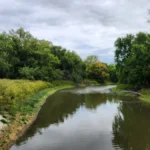














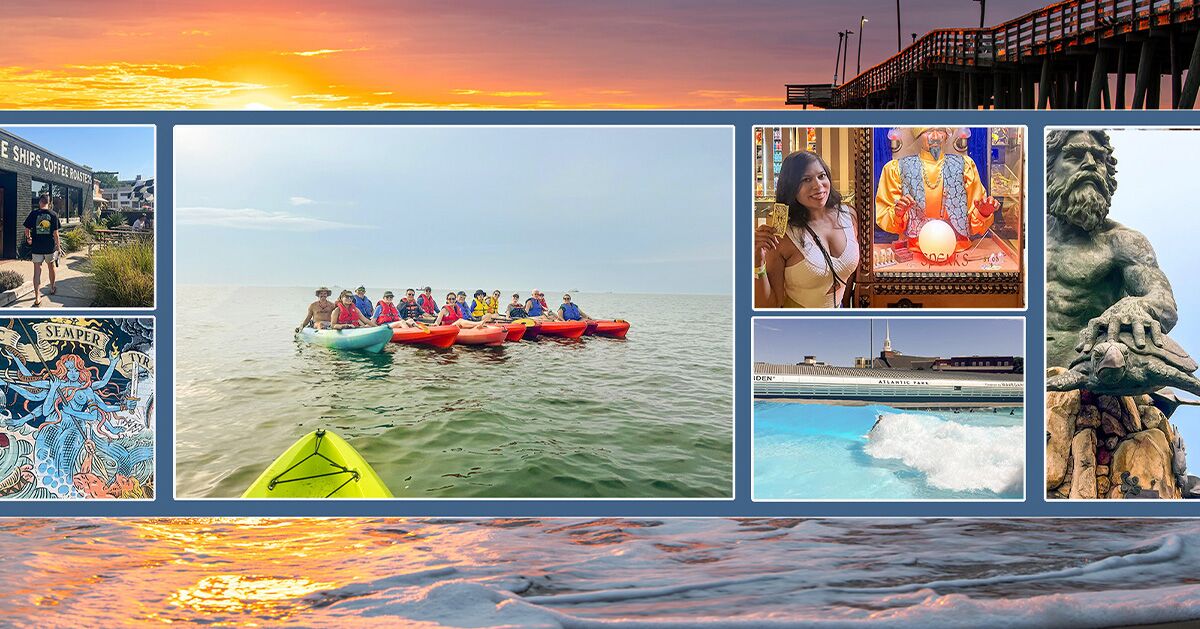
Virginia Beach has long been recognized as a quintessential East Coast vacation destination, known for its sprawling sandy shoreline and bustling boardwalk. However, a recent visit during the city’s peak festival season revealed a transformation that goes far beyond the traditional sun-and-sand experience. From the high-energy sounds of headliners like CeeLo Green, Lupe Fiasco, and Switchfoot at the Super Girl Surf Festival to the quiet, rhythmic lapping of the Lynnhaven River, Virginia Beach has quietly reinvented itself as a premier hub for "soft adventure"—travel experiences that offer excitement and immersion without requiring professional-grade athletic training.
For travelers who prefer their vacations active but accessible, Virginia Beach now offers a seamless blend of outdoor exploration, culinary innovation, and cultural enrichment.
Main Facts: The New Pulse of the Coast
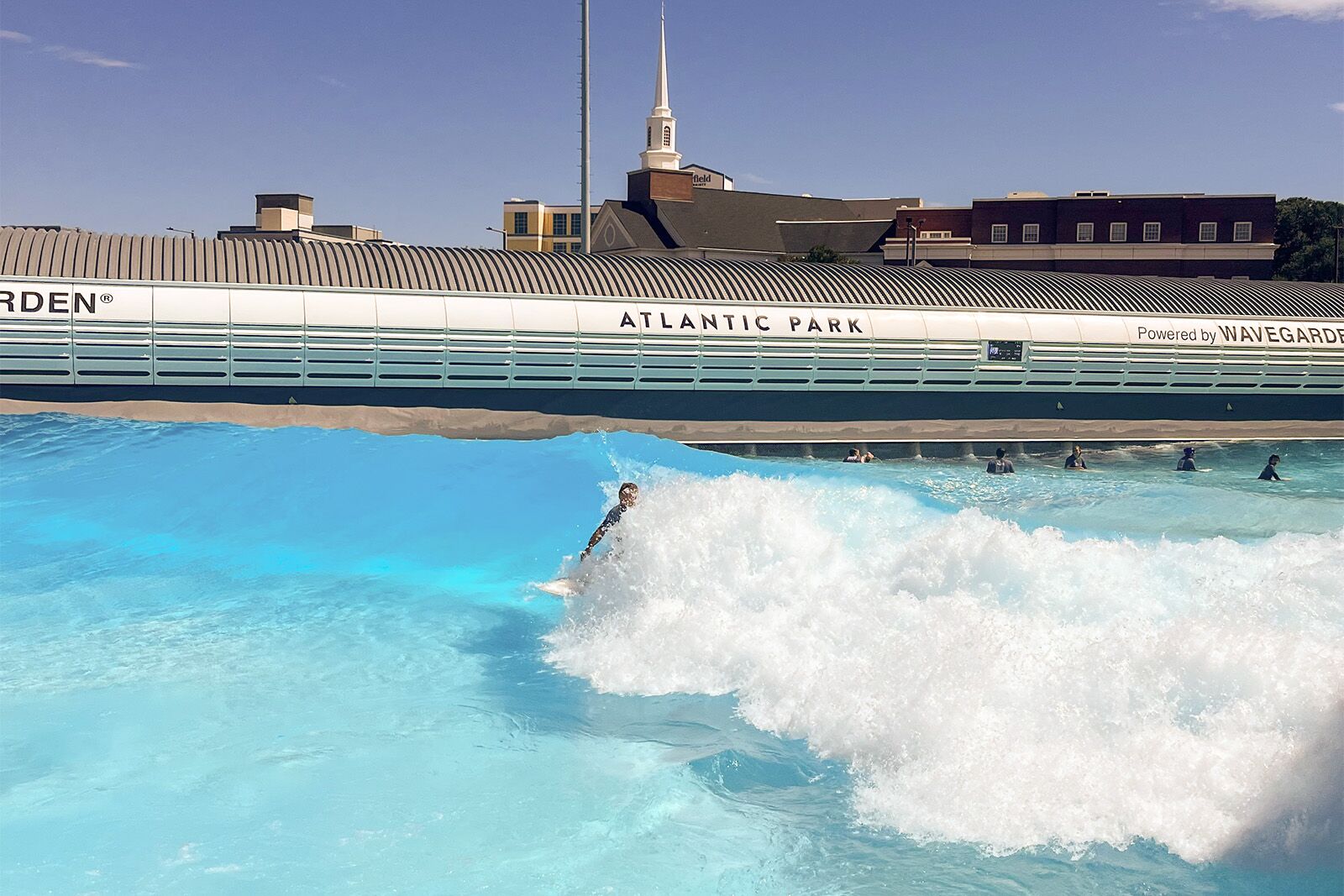
The city’s evolution is anchored in intentional development, such as the 2025 opening of Atlantic Park, a state-of-the-art facility that has effectively decoupled surfing from the unpredictability of the tides. When combined with a growing craft beverage scene and a commitment to preserving its maritime history, the city has successfully moved beyond its "Jersey Shore" comparisons to create a distinct, modern identity.
Key highlights for the modern visitor include:
- Year-Round Surf: The introduction of manmade, consistent wave technology at Atlantic Park.
- Culinary Coastalism: A dining scene that emphasizes "modern Mid-Atlantic" cooking, utilizing fresh, local oysters and seasonal harvests.
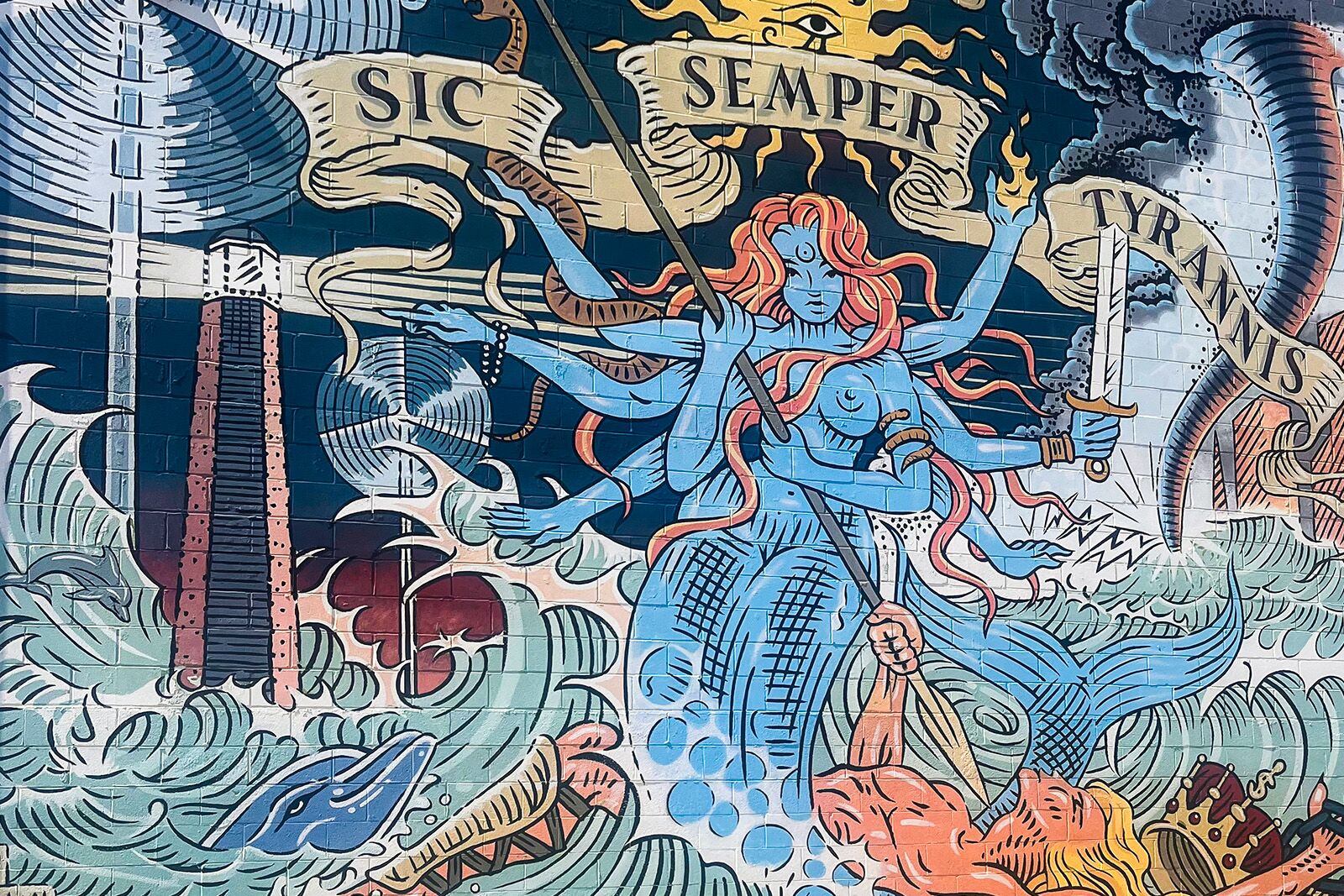
- Accessible Adventure: A bikeable, walkable urban core centered around the ViBe Creative District.
- Immersive History: The preservation of life-saving stations that tell the narrative of the East Coast’s maritime legacy.
Chronology: A Weekend of Discovery
The following itinerary outlines a typical, high-impact "soft adventure" journey through Virginia Beach, reflecting the ideal pace for a three-day exploration.
Day 1: Maritime Immersion and Sunset Paddles
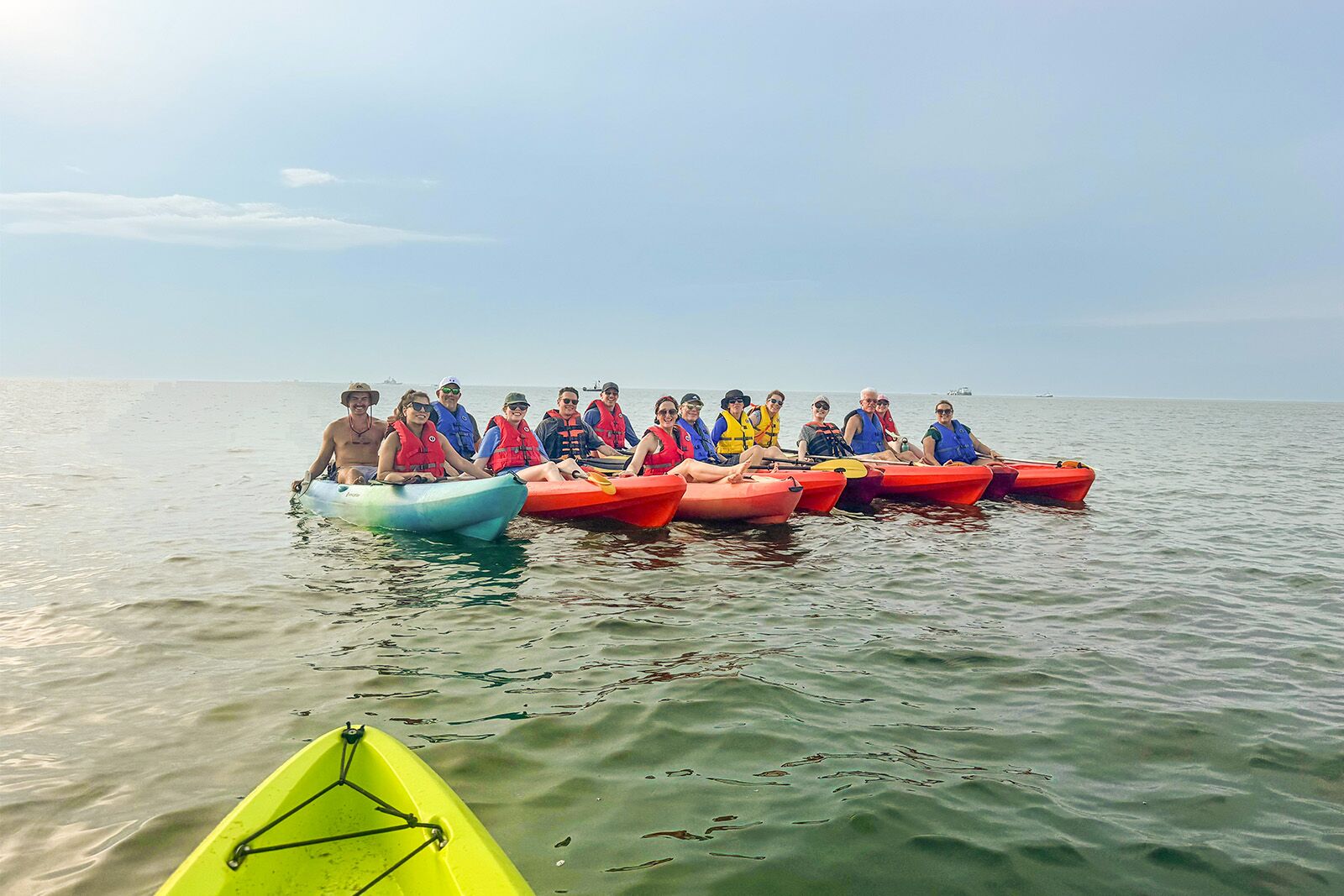
Arrival in Virginia Beach typically begins with a transfer from Norfolk International Airport (ORF). After checking into the Moxy Virginia Beach Oceanfront, the ideal start is a trip to the Chesapeake Bay. An excursion with Chesapean Outdoors provides the perfect introduction to the local ecosystem. Paddling out around 5:30 PM allows for a sunset view that is frequently punctuated by sightings of local bottlenose dolphins. Even for those with limited swimming experience, guided instruction ensures safety while providing a front-row seat to the region’s natural beauty.
Day 2: Surf Culture and Culinary Crafts
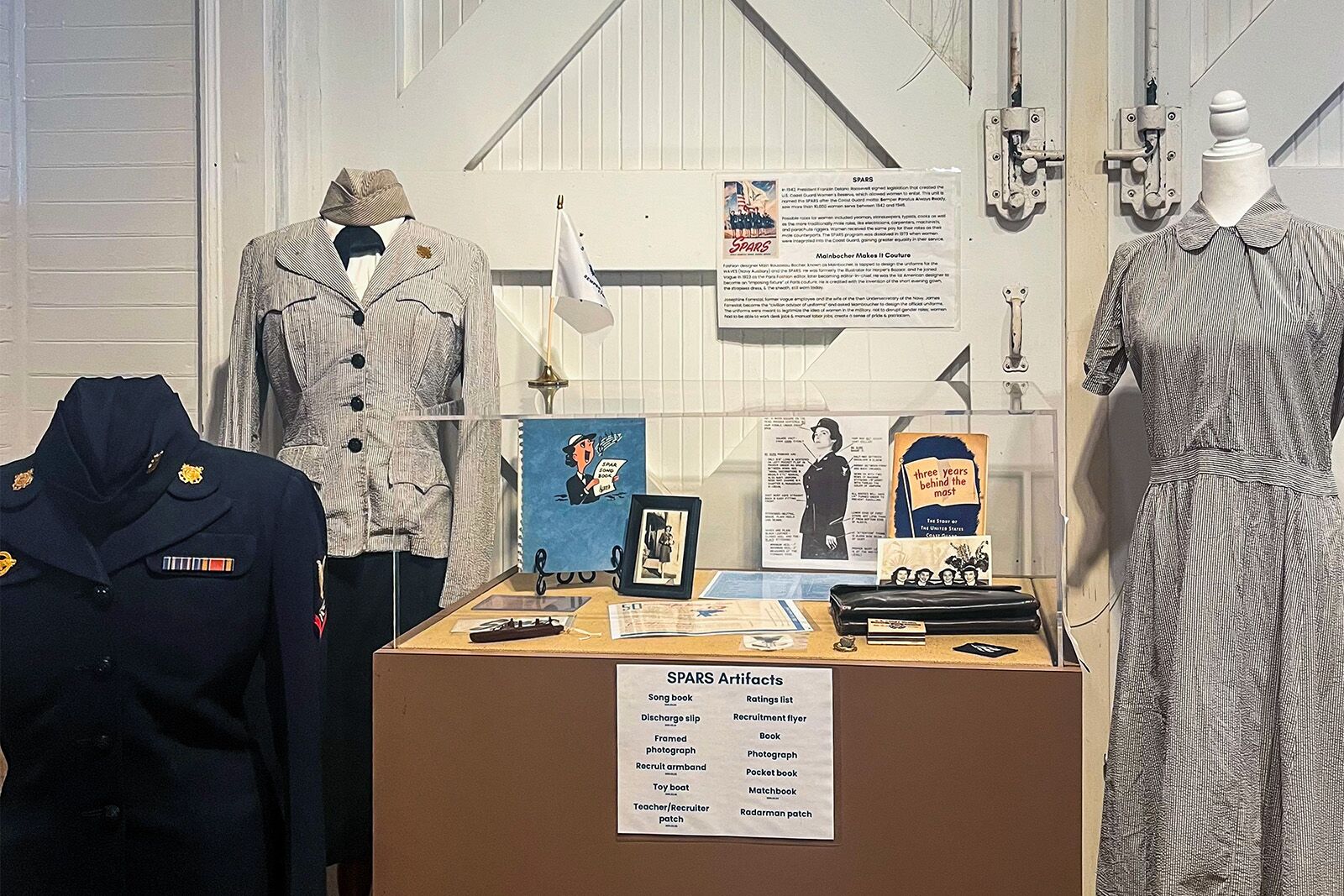
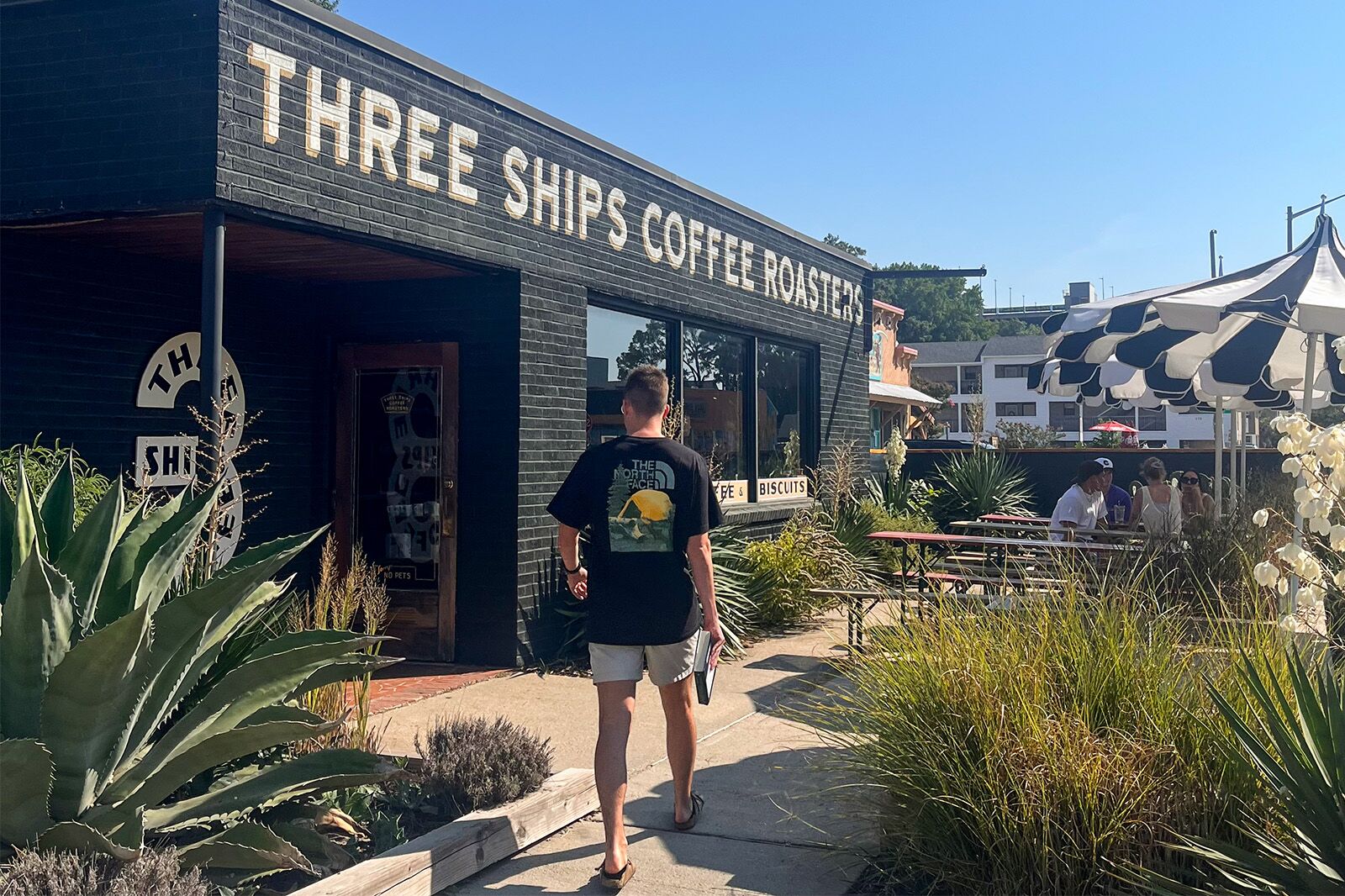
Begin the day at Three Ships Coffee, an award-winning local staple that gained national recognition at the 2025 Global Coffee Awards. Following a high-quality caffeine boost, rent a beach cruiser to explore the boardwalk, making a mandatory stop at the Virginia Beach Surf & Rescue Museum. Housed in a restored 1903 life-saving station, the museum offers a deep dive into the evolution of surfboard design, specifically the influence of pioneers like Tom Blake.
In the afternoon, transition from history to the modern era at Atlantic Park Surf. Even for non-surfers, the facility serves as a high-end beach club where one can observe advanced surf technology in a controlled, safe environment. Cap off the evening with a tour of the local craft scene, biking between the industrial-chic Smartmouth Brewing Pilot House and the vibrant Aslin Beer Company.
Day 3: The Art of the Oyster
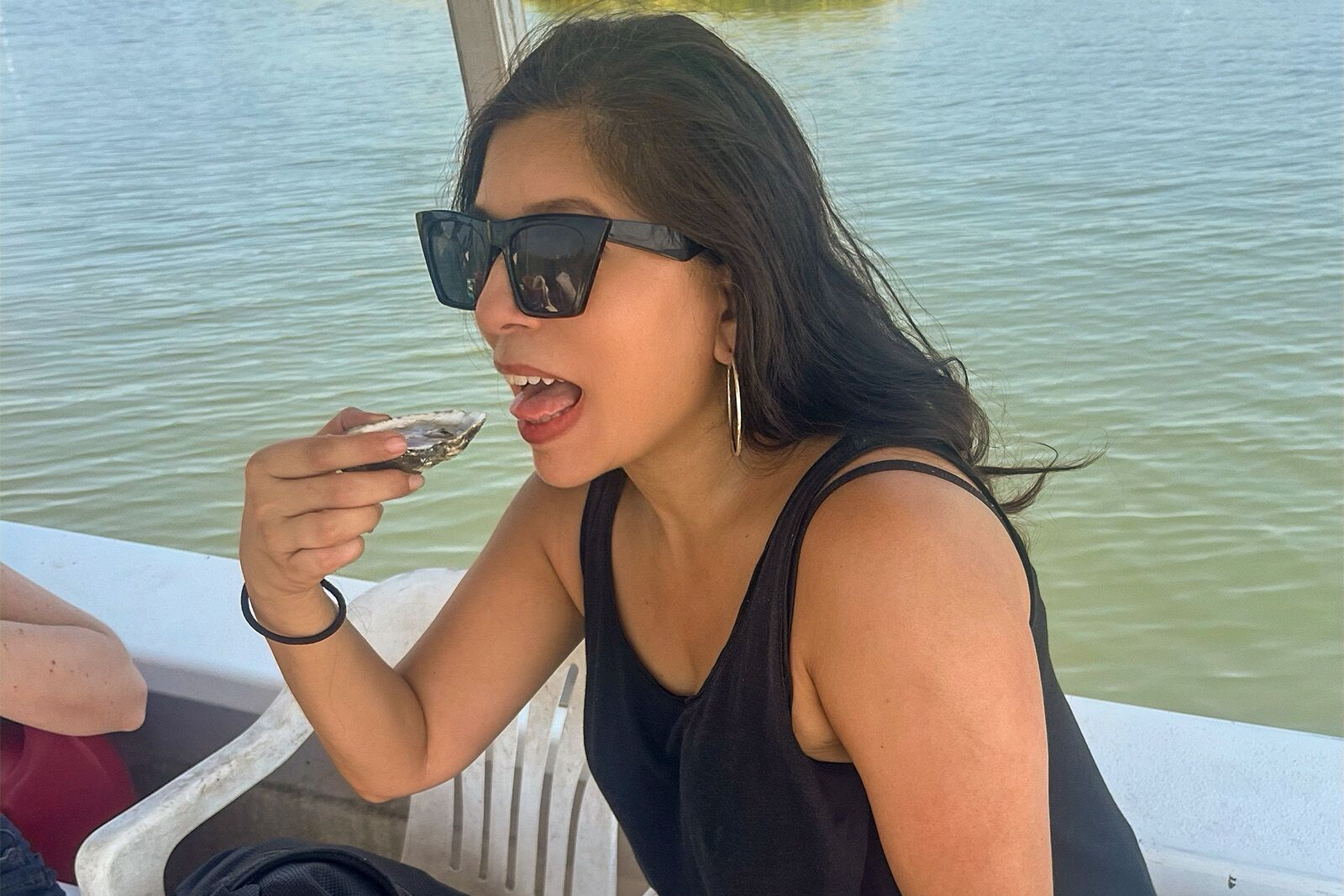
No trip to the Mid-Atlantic is complete without understanding its most famous export: the oyster. A trip to Pleasure House Oysters on the Lynnhaven River provides a masterclass in aquaculture. Captain Chris Ludford, an expert in the field, provides a hands-on look at the life cycle of the oyster, from its humble beginnings as a tiny seed to its maturation in the river’s nutrient-rich waters. The tour concludes with an intimate tasting, cementing the connection between the traveler and the local geography.
Supporting Data: Why the Model Works
The success of Virginia Beach’s pivot toward soft adventure is backed by a shift in visitor demographics. Data suggests that travelers are increasingly seeking "low-barrier" adventure—activities that offer the thrill of physical engagement without the high risk or steep learning curve of extreme sports.
- Infrastructure Investment: The development of the ViBe Creative District and Atlantic Park represents a multi-million dollar investment in year-round tourism, reducing the city’s dependence on the fleeting summer months.
- Sustainability: By promoting kayaking, biking, and oyster farming, the city encourages visitors to engage with the environment in non-extractive, low-carbon ways.
- Cultural Preservation: The focus on local makers, such as the artisans at Jars of Dust and Igor’s Custom, ensures that the tourism dollar stays within the local economy while offering visitors authentic souvenirs and experiences.
Official Perspectives and Local Insight
Local business owners and cultural stewards view this shift as a return to the city’s roots. "We are telling the story of the coast," says the management at the Virginia Beach Surf & Rescue Museum. By highlighting figures like Tom Blake and the history of the Dictator shipwreck, the museum provides context to the waves that thousands of tourists ride every year.
Similarly, the culinary scene is heavily influenced by a "farm-to-table" ethos. At establishments like Chic’s Laundry, the menu is explicitly labeled "Modern Mid-Atlantic," reflecting a culinary philosophy that refuses to be constrained by traditional seafood-shack stereotypes. The elevation of comfort foods—such as the she-crab soup at Chick’s Oyster Bar or the wood-fired sourdough pizzas at Smartmouth Brewing—shows a sophisticated understanding of what today’s traveler demands: high-quality ingredients served in an environment that feels welcoming and unpretentious.
Implications for the Future
The implications for Virginia Beach are clear: the city is no longer just a destination for a beach umbrella and a towel. It has successfully transitioned into a year-round destination for the "active explorer."
For the tourism sector, this means a shift in marketing and infrastructure focus. The city is currently prioritizing:
- Connectivity: Improving bike paths to connect the oceanfront to the inland creative and culinary districts.
- Year-Round Programming: Utilizing venues like the Moxy and the Atlantic Park lagoon to host events that extend beyond the peak summer season.
- Authenticity: Doubling down on unique local experiences—such as private oyster farm tours and artist studio visits—that cannot be replicated in a corporate resort setting.
As Virginia Beach continues to grow, it serves as a blueprint for other coastal towns looking to revitalize their tourism offerings. By focusing on "soft adventure," the city has managed to increase the depth of the visitor experience, proving that one does not need to be an elite athlete to engage with the natural, historical, and culinary wonders of the Atlantic coast. Whether you are seeking the adrenaline of a surf pool, the history of a life-saving station, or the simple pleasure of a locally sourced oyster, Virginia Beach is no longer just a place to visit—it is a place to experience.