




















































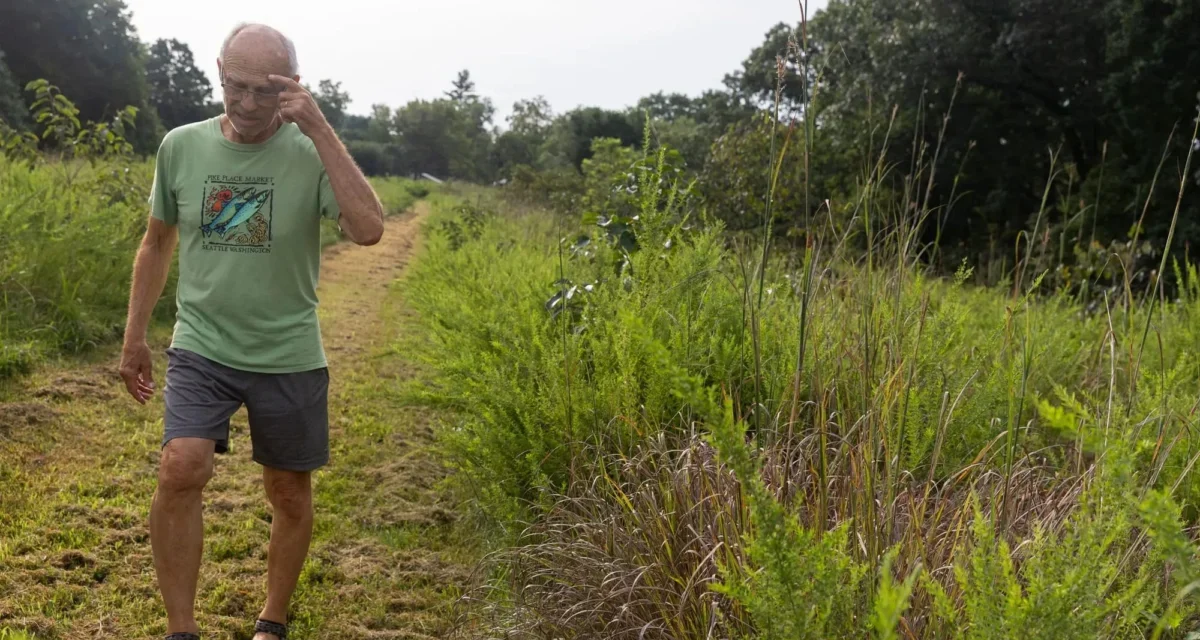




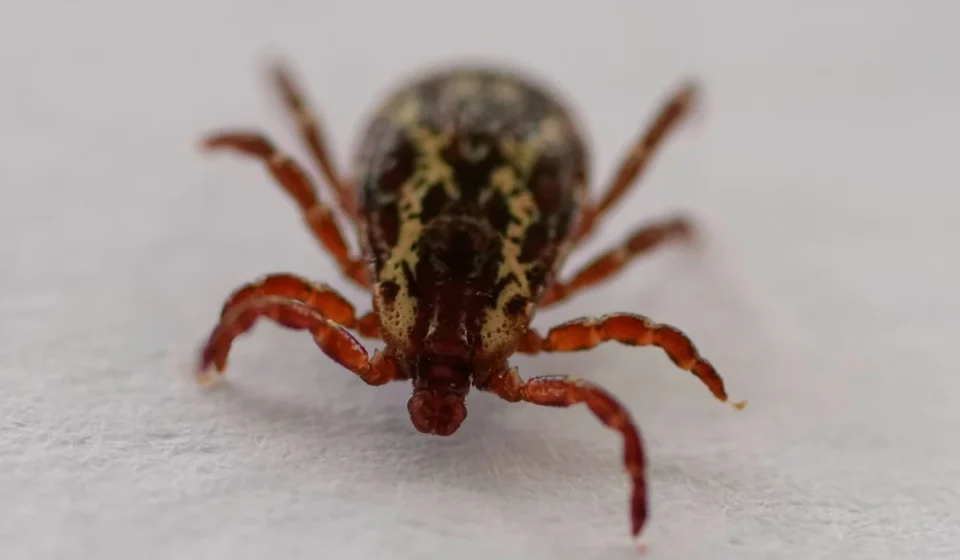

As spring blossoms and temperatures climb, the allure of the great outdoors—hiking trails, verdant forests, and manicured suburban lawns—becomes irresistible. However, this seasonal migration toward nature brings with it an increasingly formidable biological threat: the black-legged tick, the primary vector for Lyme disease.
The 2026 tick season has arrived with alarming intensity. On April 23, the Centers for Disease Control and Prevention (CDC) issued a stark warning: emergency room visits attributed to tick bites have reached their highest levels since tracking began in 2017. This surge is not merely a statistical anomaly but a potential harbinger of a severe season for Lyme and an expanding array of related tick-borne pathogens.
The Magnitude of the Crisis: Main Facts
Lyme disease, named for the Connecticut town where it was first identified in 1975, is caused by the Borrelia group of bacteria, most notably Borrelia burgdorferi. These microscopic pathogens are hitchhikers, transmitted to humans via the bite of infected deer ticks (also known as black-legged ticks).
While state health departments officially recorded over 89,000 cases of Lyme disease in 2023, public health experts maintain that this number is a significant undercount. Conservative estimates suggest that nearly 500,000 people in the United States contract Lyme disease annually. The discrepancy lies in the difficulty of diagnosis; many patients never notice a tick bite, and early symptoms—fever, muscle aches, and fatigue—are often dismissed as common viral infections.
As an infectious disease specialist who has spent years managing the long-term consequences of this illness, I have witnessed how insidious Lyme can be. When left untreated, the infection does not simply vanish; it can burrow into joints, the heart, and the nervous system, potentially causing permanent, life-altering damage.
A Chronological Perspective: From Identification to Global Expansion
The timeline of Lyme disease is one of rapid adaptation.
- 1975: The disease is formally identified in Old Lyme, Connecticut, following a cluster of pediatric arthritis cases.
- 1982: Dr. Willy Burgdorfer discovers the causative agent, a spirochete bacterium later named Borrelia burgdorferi.
- 1995–2020: The incidence of the disease in the U.S. nearly doubles, as suburban sprawl and reforestation efforts create perfect micro-climates for deer, mice, and the ticks that feed upon them.
- 2023: Reported cases reach record highs, prompting renewed scrutiny into diagnostic accuracy and reporting systems.
- March 2026: Pfizer announces that a late-stage clinical trial for a Lyme disease vaccine showed 70% efficacy, offering the first real glimmer of hope for a preventative solution.
This progression reflects a shift in ecological balance. As human development encroaches on woodland habitats, the "interface" where people, deer, and tick-carrying mice meet has widened. Simultaneously, rising global temperatures have expanded the geographic range of the tick, allowing it to survive in regions that were previously too cold to sustain established populations.
Supporting Data: Mapping the Geographic and Seasonal Shift
Lyme disease is no longer confined to the quiet woods of New England. While approximately 90% of U.S. cases remain concentrated in the Northeast, the mid-Atlantic (stretching from Virginia to Canada), and the Upper Midwest (Wisconsin, Michigan, and Minnesota), the map is changing.
Ticks emerge once temperatures rise above freezing. In years characterized by mild winters, this emergence happens earlier, lengthening the exposure window. In some southern regions where frost is rare, the threat of tick bites has become a year-round reality.
Data from the CDC highlights that the "incubation" of a bite is critical. The bacteria usually reside in the tick’s midgut. For transmission to occur, the tick must generally remain attached to the host for 24 to 48 hours. This window of opportunity is the single most important factor in prevention, as it provides a timeframe for intervention through diligent self-checks.
Official Responses and Clinical Implications
Public health authorities are shifting their strategy from passive observation to active mitigation. The official response now emphasizes the "Targeted Approach":
- Early Detection: Healthcare providers are being urged to recognize the classic "bull’s-eye" rash (erythema migrans) which appears in 70% to 80% of cases.
- Diagnostic Limitations: While blood tests for antibodies exist, they are notoriously unreliable in the first two weeks of infection. Physicians are now encouraged to rely more heavily on clinical judgment—the patient’s history and symptoms—rather than waiting for a potentially false-negative lab result.
- Treatment Protocols: A standard two- to four-week course of antibiotics is the gold-standard for early-stage Lyme. However, the emergence of "post-treatment" complications has sparked intense scientific debate.
The Long-Term Consequences
If untreated, the bacteria can disseminate throughout the body. About 60% of untreated patients develop Lyme arthritis, characterized by severe, intermittent bouts of joint pain and swelling. In rarer, more devastating cases, the infection targets the heart (causing rhythm irregularities) or the central nervous system (causing "Lyme meningitis," facial palsy, or cognitive decline).
Crucially, research suggests that even after the bacteria are eradicated by antibiotics, some patients suffer from persistent symptoms. One theory, supported by studies from the National Academy of Sciences, posits that fragments of the bacteria’s cell wall persist in the joints, causing a lingering inflammatory response. Others suggest the infection triggers an autoimmune cascade, where the immune system, once alerted to the bacteria, continues to attack the body’s own healthy tissues.
Preventing the Unpreventable: Staying Safe
Until a vaccine is widely available, the burden of protection rests on individual vigilance. To mitigate risk, public health experts recommend a multi-layered approach:
- Barrier Protection: Wear light-colored clothing, which makes ticks easier to spot. Tuck pants into socks when hiking in tall grass or leaf litter.
- Chemical Defense: Use EPA-approved repellents containing DEET, picaridin, or oil of lemon eucalyptus. Permethrin-treated clothing is highly effective at killing ticks on contact.
- The "Tick Check" Ritual: Upon returning indoors, perform a full-body scan. Pay special attention to hidden areas: the scalp, behind the ears, the armpits, the groin, and behind the knees.
- Prompt Removal: If a tick is found, use fine-tipped tweezers to grasp the tick as close to the skin as possible. Pull upward with steady, even pressure. Do not twist or crush the tick, as this can force infected fluids into your bloodstream.
Conclusion: A New Era of Vigilance
The rise of Lyme disease is a sobering reminder of the complex relationship between human health and the environment. As the climate shifts and our habitats overlap, the tick has become an unwelcome companion in our daily lives. While the 2026 data serves as an urgent warning, it is also a call to action. By combining early detection, advancements in vaccine technology, and consistent personal protection, we can reclaim the outdoors and minimize the impact of this persistent and evolving threat.
The battle against Lyme is not merely a medical challenge; it is a test of our ability to adapt to a changing world. As we look toward the potential of a vaccine, the best defense remains the one we have always had: knowledge, vigilance, and the recognition that in the natural world, the smallest of creatures can have the largest of impacts.