























































For more than a century, the American elm (Ulmus americana) has stood as a ghost in the American landscape. Once the defining silhouette of the nation’s town squares, river valleys, and quiet residential streets, the species was brought to its knees by Dutch elm disease (DED), an invasive fungal pathogen that transformed a symbol of stability into a cautionary tale of ecological fragility. Now, in a quiet, fenced-off grove in rural Vermont, scientists are engaging in a calculated, somber experiment: they are intentionally infecting thousands of young elms with the very disease that decimated their ancestors.
It is a project of paradoxes—a mission to preserve life by deliberately inducing death. Led by The Nature Conservancy and the U.S. Forest Service, this initiative represents the most ambitious attempt yet to identify, breed, and restore a genetically diverse, disease-tolerant population of American elms to the wild.
The Anatomy of an Ecological Crisis
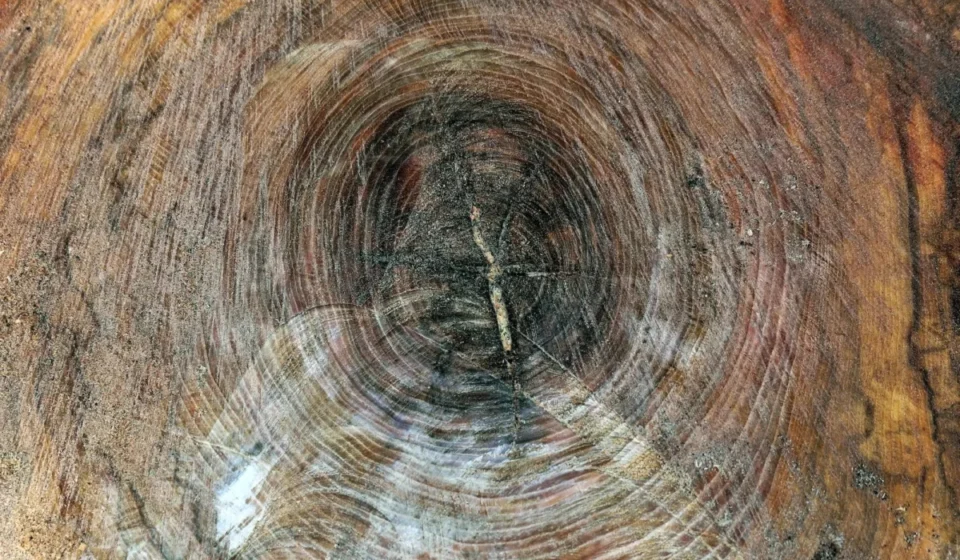
To understand the desperation behind the current project, one must understand the scale of the loss. When the fungus Ophiostoma ulmi—and later its more virulent cousin Ophiostoma novo-ulmi—arrived in North America in the early 20th century, it encountered a continent of "naive" hosts. The fungus, spread by native elm bark beetles, invades the tree’s xylem, the internal piping system that transports water. In response, the tree creates balloon-like cellular plugs called tyloses to block the fungus. While meant to be a defense, these plugs effectively strangle the tree from the inside, causing it to starve and wilt.
The impact was cataclysmic. In cities like New Haven, Connecticut—once nicknamed the "Elm City"—the canopy was stripped bare. In Minnesota, the devastation claimed 95% of the state’s elm population. What followed were decades of failed interventions. Early efforts relied on mass culling, but as scientists later realized, the practice often accelerated the spread of the disease because the fungus travels through the interconnected root systems of neighboring trees.
A Chronology of the Elm Wars
The battle for the elm has been characterized by cycles of optimism and devastating setback:

- 1920s–1930s: The first reports of Dutch elm disease surface in North America, likely hitchhiking on imported veneer logs.
- 1935: President Franklin D. Roosevelt allocates $2.5 million for eradication efforts—a massive sum at the time—which ultimately fails due to a lack of understanding regarding root grafting.
- 1940s–1960s: World War II diverts resources away from forestry research. Simultaneously, the more lethal Ophiostoma novo-ulmi strain arrives, killing an estimated 100 million trees.
- 1970s–1990s: Researchers like Alden "Denny" Townsend at the U.S. National Arboretum begin serious breeding programs. They identify and release the "Valley Forge" and "New Harmony" cultivars.
- 2010–Present: Ecologists, including Christian Marks and the current team at The Nature Conservancy, begin identifying "survivor" trees in the wild, using advanced genetic screening and cross-breeding to build a more robust, diverse generation of trees.
The Science of Survival: "The Playoffs"
The current effort in Benson, Vermont, is grounded in a harsh reality: resistance is rare. Studies suggest that perhaps only one in 100,000 trees possesses the natural biological makeup to withstand repeated exposure to the fungus. Because there is no simple genetic marker—unlike the American chestnut, where researchers are looking for specific blight-resistance genes—scientists are relying on classic, time-tested Mendelian breeding.
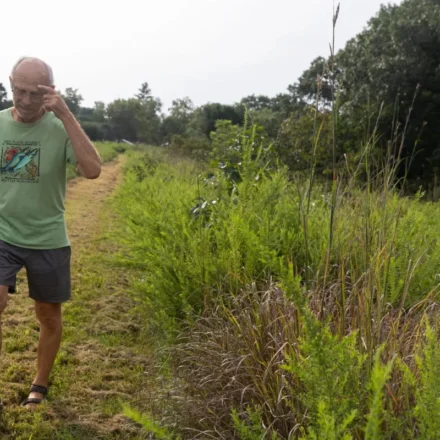
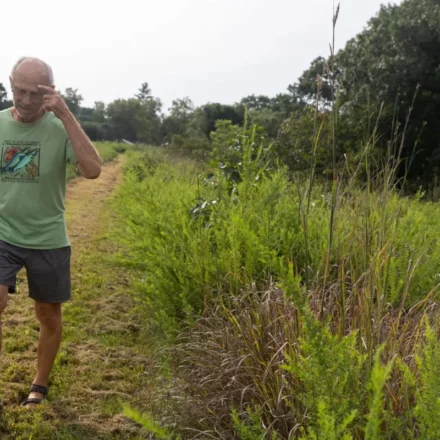
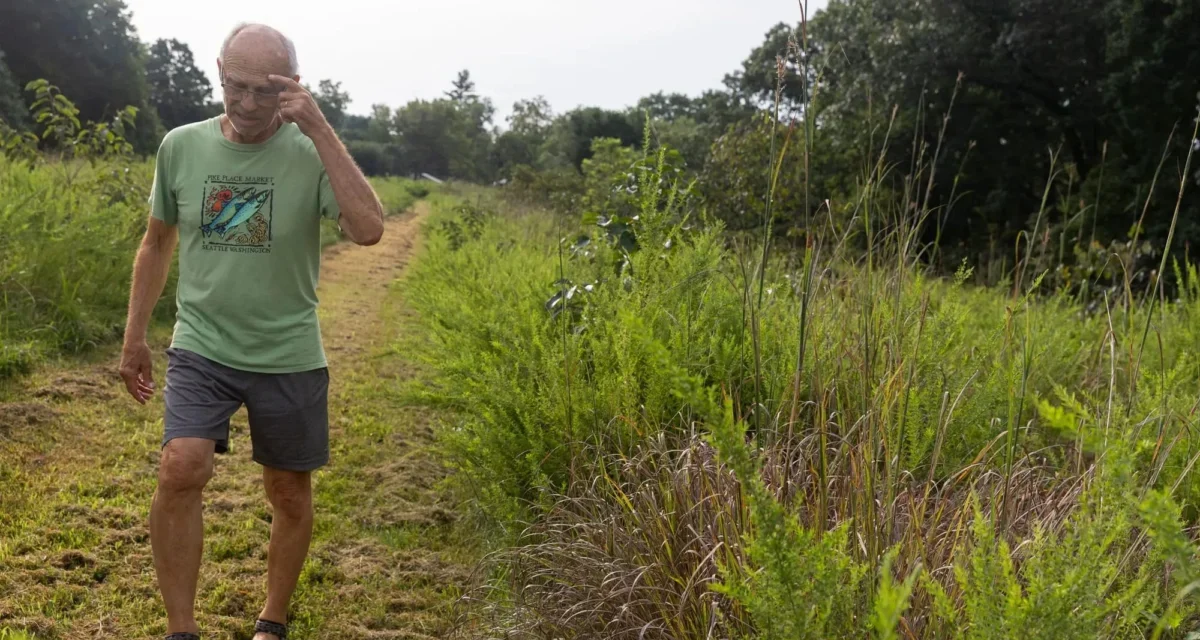
Gus Goodwin, the director of science and technology advancement for The Nature Conservancy in Vermont, describes the process with clinical precision. Using a bamboo stake as a guide, he drills into the trunks of 5,300 saplings, injecting them with a solution containing 100,000 spores of the pathogen.
"We need to create a wound," Goodwin explains as the drill whirs. The goal is not just to see which trees live, but to see which can survive under extreme pressure. "It’s a much more rigorous test," says Christian Marks, the former ecologist who pioneered this phase of the research. "You have to be able to survive many times. This is the playoffs. What you’ve been preparing for."
The trees in the grove are the offspring of "survivor" parents—ancient, hearty elms found across the Northeast that have defied the odds for decades. By forcing the offspring to face the pathogen, the researchers hope to isolate the most tolerant genetics, which will then be used to populate a new "super-seed" orchard.
Supporting Data: The Value of a Canopy
The push to restore the American elm is not merely an aesthetic or historical project. In the age of climate change, the elm plays a critical functional role in ecosystems.

- Flood Mitigation: American elms are uniquely suited for floodplains. They are shade-tolerant, flood-tolerant, and exceptionally long-lived. A 2022 study suggested that restoring these riparian buffers could prevent as much as $1 billion in property damage in Vermont alone over the coming century.
- Biodiversity: The elm supports a specialized web of life. Insects like the double-toothed prominent moth have evolved to mimic the serrated edges of elm leaves. Replacing the elm with another species effectively "pulls the rug out" from under these highly adapted creatures.
- Carbon Sequestration: With a lifespan reaching up to 300 years and a potential height of 100 feet, mature elms are vital assets in long-term carbon storage.
Official Responses and Ethical Considerations
The project has drawn both praise and measured skepticism. While the public remains overwhelmingly supportive of the "return of the elm," some in the scientific community question the allocation of massive resources to a single species when Asian varieties, which are naturally resistant, exist.
However, advocates like Dr. Stephanie Adams, a tree pathologist at Texas A&M University, emphasize that the American elm is a cultural and ecological bedrock. "They’re like junkyard dogs," she notes, highlighting their ability to thrive in harsh, urban conditions.
The ethical burden of the work is not lost on the scientists. Leila Wilson, a research ecologist with the U.S. Forest Service, admits that injecting the trees is difficult. "I feel like we should warn them and apologize," she says. "We’re torturing them. But they’re serving the greater good."
Implications for Future Forestry
The project serves as a masterclass in how to avoid the mistakes of the past. One of the most important lessons learned from the 20th-century disaster is the danger of monocultures.
"One lesson we learned… was not to plant a monoculture," says Doug Still, host of the podcast This Old Tree. "Diversifying your tree population is a way of hedging your bets against future pests or disease."

As the researchers in Vermont monitor their trees, looking for the first signs of wilting or the tell-tale resilience of a deep-green crown, the broader goal is clear: to reintroduce a resilient, genetically diverse elm that can once again line Main Streets and protect riverbanks.
In the corner of the Benson grove stands the "Benson tree," an old-growth elm that has somehow managed to escape the ravages of the disease thus far. It is unruly, haphazard in its branching, and majestic. It stands as both a symbol of what once was and a silent witness to the current, painful, and hopeful attempt to ensure that its kind does not vanish from the American horizon. The scientists are not just planting trees; they are attempting to repair a "moral injury of extinction," ensuring that the cathedral-like canopy of the American elm remains a part of the landscape for generations to come.