

















































The Uncertain Horizon: Napheesa Collier, Cheryl Reeve, and the Minnesota Lynx’s Offseason of Reckoning

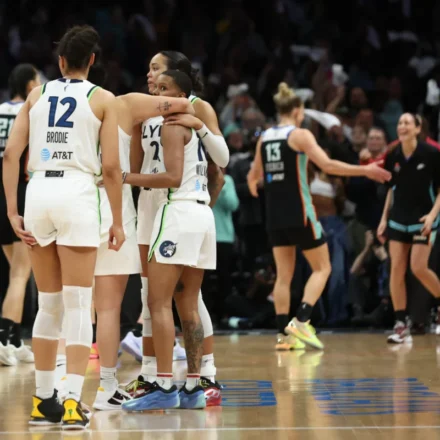
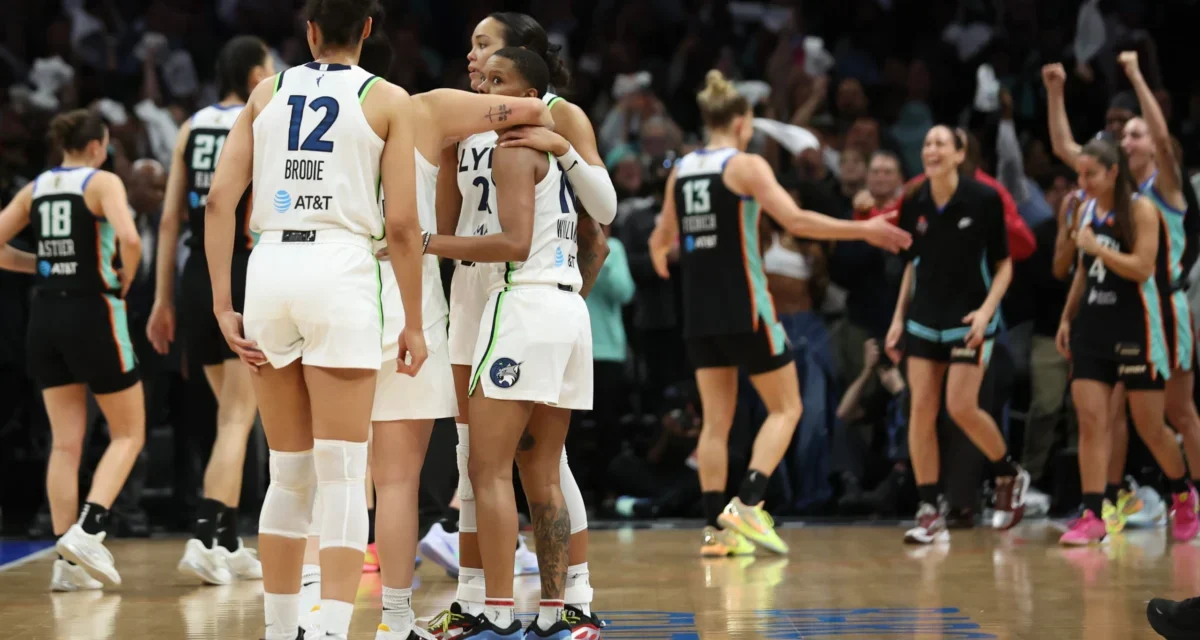
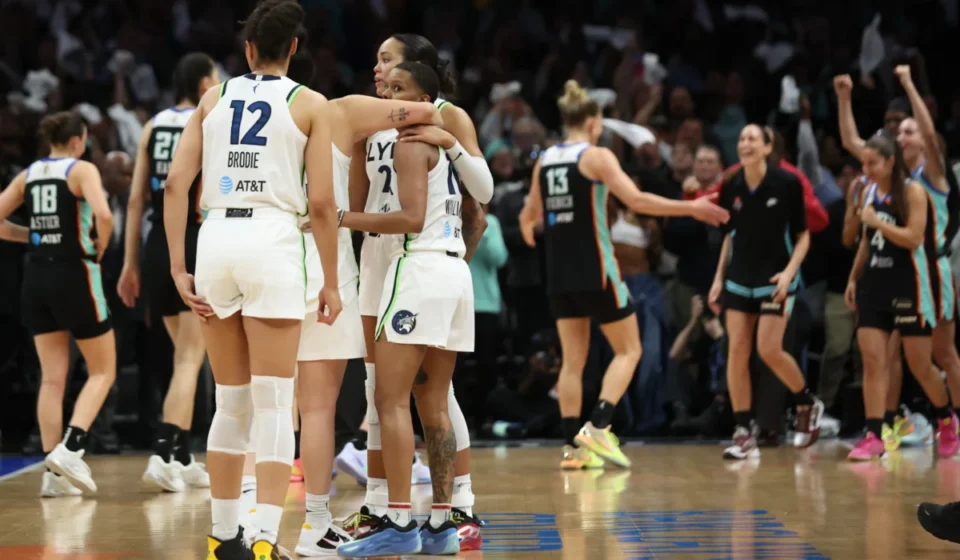
The Minnesota Lynx, a franchise synonymous with WNBA excellence and structural stability, finds itself at a defining crossroads. Following a jarring first-round playoff exit at the hands of the New York Liberty—a series that saw the league’s top seed dismantled with uncharacteristic swiftness—the organization is forced to confront uncomfortable questions regarding its roster construction, its tactical identity, and the future of its franchise centerpiece, Napheesa Collier.
The Weight of Silence: A Star at the Crossroads
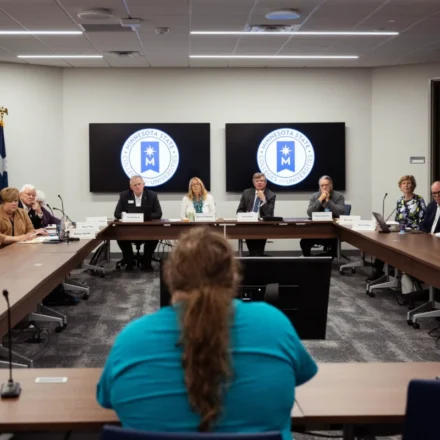
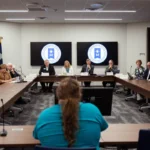
The atmosphere inside the Mayo Clinic Square practice facility last Thursday was heavy with the silence of a season ended far too soon. For Napheesa Collier, the scene was a marked departure from the previous year. Twelve months prior, she had occupied that same space as a vocal leader of the WNBA Players Association, armed with a multi-page statement that critiqued league leadership and officiating. Her words had reverberated throughout the professional basketball landscape, setting a tone for the subsequent labor negotiations.
This time, however, Collier arrived without notes. She arrived as a free agent on a one-year deal, a contractual arrangement that reflected the mutual hesitation between a star recovering from two catastrophic ankle surgeries and a team looking to rebuild its rotation.
When asked about her future, Collier offered no definitive path. "Honestly, I haven’t even thought about that," she said, her voice betraying the exhaustion of a playoff run that concluded less than 48 hours earlier. "We lost, and we didn’t expect to be here at all, so I really haven’t had any time to decompress. I can tell you I love it here, I love the organization, I love my team, but I just haven’t had time to give that any thought."
While fans and pundits immediately parsed her words for signs of an impending departure, those closest to the situation suggest that the decision rests entirely with the player.
A Chronology of a Season’s Unraveling
To understand the current volatility, one must look at the arc of the 2026 season. The Lynx finished with an impressive 33-11 record, securing the top seed in the league for the second consecutive year. Head coach and president of basketball operations, Cheryl Reeve, earned her record-breaking fifth WNBA Coach of the Year award, a testament to her ability to maximize the potential of an undersized, gritty roster.
However, beneath the surface of regular-season success, the cracks were forming. The team’s defensive identity—long predicated on holding opponents under 40 percent shooting—began to erode. After a dominant start to the year, the Lynx achieved that defensive benchmark in only two of their final 25 games.
The turning point, according to internal accounts, was a July 3 loss to the New York Liberty in Brooklyn. While players struggled to articulate the specific moment the momentum shifted, the feeling of vulnerability was palpable. The team’s tendency to lead late in the fourth quarter only to surrender those leads became a recurring, disturbing trend. By the time the playoffs arrived, the team had lost four of its final six games, all against postseason-bound opponents.
The subsequent sweep by the eighth-seeded Liberty—a team whose depth and physical size exposed the Lynx’s inherent flaws—served as a stark reality check. For the first time in club history, the Lynx suffered back-to-back postseason losses by margins of 15 points or more, marking a historic collapse for a No. 1 seed.

The Tactical Dilemma: Size vs. Scheme
The central issue facing the Lynx is a philosophical one: can a small-ball team survive in a league trending toward increased size and physicality?
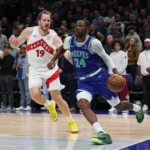
In the series against New York, the matchup disparity was glaring. Breanna Stewart and Jonquel Jones systematically dismantled the Lynx defense. Stewart, in particular, outscored Collier 55-26 over the two games, highlighting the physical toll the season had taken on the Lynx forward.
"We like our roster a lot, but we have a flawed roster in some ways," Reeve admitted. "There are some matchups that are going to get to us."
The solution, however, is not as simple as acquiring height. As Reeve noted, the "unicorn" player—someone who possesses the size to protect the rim while maintaining the mobility to switch onto guards and the shooting touch to space the floor—is a rare commodity.
"The things that we need, they don’t grow on trees," Reeve said. "They’re not plentiful. We’re not the only team that would like to have size that shoots 3s, and can pass, defend, and rebound. That’s what I’m looking for."
Official Perspectives: The Reeve-Collier Dynamic
The relationship between Cheryl Reeve and Napheesa Collier is the bedrock upon which the current Lynx era is built. During the post-elimination media session, Reeve offered a candid, almost philosophical take on the uncertainty of the offseason.
"Phee knows exactly what exists here," Reeve said. "Phee knows the care, the love, all the things that have been poured into her. This is a Phee decision, and it’s probably more than basketball. And so wherever she lands, it’s going to be because whatever she chooses, whoever she chooses, is the right place for her."
Reeve’s approach is one of professional respect, acknowledging that after eight years in Minnesota, Collier has all the information necessary to make a life-altering choice. If Collier decides that her future lies elsewhere, Reeve is prepared to pivot, though she remains focused on the primary objective: securing the franchise’s fifth league championship.
For her part, Collier continues to project a team-first mentality. When asked about her potential position change—a move to small forward to accommodate a larger lineup—Collier was resolute. "I would go wherever a coach wants to put me," she said. "So, yes."

Implications for 2027 and Beyond
As the front office looks toward the 2027 season, the financial and personnel landscape is complex. The team must navigate salary cap constraints while managing the existing obligations to key veterans like Courtney Williams and Kayla McBride.
The roster holds potential reinforcements in 6-5 forward Dorka Juhász, who is working back from a severe foot injury, and 6-5 center Emma Čechová, who lost her season to a knee injury in May. If these players can return to full health, they offer a foundation of size that the team lacked in the 2026 playoffs. However, the organization must find depth to support its core, likely seeking an underappreciated veteran willing to accept a reduced salary and role for the chance at a title—a strategy that proved successful with Alanna Smith in previous cycles.
The fan base remains anxious, viewing every comment from the star players as a potential tea leaf reading. Yet, the reality is more mundane: the Lynx are in a period of necessary recalibration.
"I ain’t the G.M., bossman," guard Courtney Williams said when asked about the team’s needs. "Let them do their job, and I do mine. But it’s something. We need something."
The "something" that the Lynx need is a return to their defensive roots while integrating the size required to compete with the league’s titans. Whether that evolution includes Napheesa Collier as the focal point remains the most compelling question in the WNBA.
For now, the organization is in a state of suspended animation. The coaches and management are conducting evaluations, the players are beginning the process of physical and mental recovery, and the league is watching to see if the Minnesota Lynx can reinvent themselves once more.
If the last decade has taught the WNBA anything, it is that betting against the resilience of the Lynx organization is a fool’s errand. But as the 2026 season fades into the history books, it is clear that the path to a fifth championship will require more than just heart—it will require a fundamental shift in how the team is built and how it chooses to compete in a rapidly evolving league. The era of comfortable dominance is over; the era of hard choices has begun.