























































Stabilizing the High: Eric Taubel Appointed Permanent Director of Minnesota’s Office of Cannabis Management

ST. PAUL, MN — In a move aimed at solidifying the regulatory foundation of Minnesota’s burgeoning marijuana industry, Governor Tim Walz officially appointed Eric Taubel as the permanent executive director of the Office of Cannabis Management (OCM) on Wednesday. Taubel, who has served as the agency’s interim leader since January, is tasked with steering the state through the final, critical stages of launching a full-scale adult-use retail market.
The appointment comes at a pivotal moment for Minnesota. While the state legalized recreational marijuana in 2023, the path to a fully functional commercial market has been fraught with administrative hurdles, legislative "clean-up" bills, and a leadership vacuum that Taubel is now expected to fill permanently.
Main Facts: A New Chapter for Minnesota Cannabis
The permanent appointment of Eric Taubel signals the Walz administration’s desire for continuity and technical expertise over political flash. Taubel, a former general counsel for the OCM, has been credited by the Governor’s office with "righting the ship" after a disastrous initial attempt to fill the director role last year.
Governor Walz, who recently praised Taubel’s performance during an interview, noted that the transition from interim to permanent status reflects the progress made in establishing a regulatory framework that prioritizes social equity and tribal sovereignty. "I think he’s done a fantastic job," Walz said, acknowledging the "rocky" start the agency endured in its first year.
Taubel’s mandate is clear: oversee the issuance of hundreds of licenses, manage the friction between state regulators and local municipalities, and ensure that the market remains on track for a wide-scale launch by early 2025. Taubel himself has set an ambitious target, predicting that the state will grant final license status to between 100 and 150 cannabis retailers by the end of the current calendar year.
Chronology: From Legalization to Leadership Stability
To understand the significance of Taubel’s appointment, one must look at the turbulent 18-month timeline of Minnesota’s cannabis journey.
August 2023: The Law Takes Effect
On August 1, 2023, Minnesota became the 23rd state to legalize recreational marijuana. The law allowed for possession and home cultivation but required the creation of the OCM to oversee the commercial market.
September 2023: The Leadership Crisis
The OCM’s first major hurdle arrived almost immediately. Governor Walz initially appointed Erin DuPree as the agency’s first director. However, DuPree resigned just one day later following reports that her previous business sold products that exceeded state limits on THC and had unpaid tax liens. The controversy left the fledgling agency leaderless during a critical period of rule-making.
January 2024: Taubel Steps In
Eric Taubel, who was already serving as the agency’s general counsel, was tapped to serve as interim director. His background in law and regulation was seen as a "safe pair of hands" to navigate the complex legal requirements of the 2023 Cannabis Act.
May 2024: Legislative Refinement
Recognizing that the original law had flaws, the Minnesota Legislature passed a significant "clean-up" bill. This legislation allowed for "pre-approved" licenses for social equity applicants and moved up the timeline for some cultivation activities. Taubel was instrumental in advising lawmakers on these technical adjustments.
August 2024: Permanent Appointment
After eight months of serving in an interim capacity and overseeing the first wave of license approvals, Taubel was officially named the permanent director, ending a nearly year-long search for a permanent leader.
Supporting Data: The Emerging Market by the Numbers
As Taubel takes the helm permanently, the data suggests a market that is slowly but surely expanding, though it remains dominated by tribal entities for the time being.
Tribal Dominance
Under Minnesota law, the state’s 11 tribal nations have the right to operate cannabis businesses independently of state licensing. Currently, tribal dispensaries—such as those operated by the Red Lake Nation and White Earth Nation—are the only places where Minnesotans can legally purchase adult-use flower. In May 2024, the White Earth Nation further expanded this footprint by reaching an agreement to open dispensaries in St. Cloud and Moorhead.
The Licensing Pipeline
The OCM has recently accelerated its vetting process. In July 2024, the office granted final approval to its first five non-tribal retail businesses. Taubel’s goal of 100-150 licenses by year-end represents a massive scaling up of the agency’s administrative capacity.
Municipal Interest
While private retailers are the primary focus, a unique "Minnesota model" is emerging. Currently, 13 cities across the state are in the exploratory stages of opening publicly owned municipal cannabis stores, similar to the municipal liquor store model common in the state.
Social Equity Focus
A core pillar of the Minnesota law is social equity. The state has received thousands of applications for "social equity" status, which provides early access to the market for veterans, residents of areas disproportionately impacted by previous marijuana enforcement, and small-scale farmers. Taubel’s office is currently managing a lottery system to distribute these early licenses fairly.
Official Responses: Praise and Accountability
The reaction to Taubel’s appointment has been largely positive among state officials, who value the stability he has brought to the OCM.
In an official statement, Governor Walz emphasized Taubel’s commitment to the law’s original intent. "Over the past eight months, Eric has ensured that the priorities that drove cannabis legalization in Minnesota—equity, safety, and a well-regulated market—are reflected in our emerging industry," Walz said.
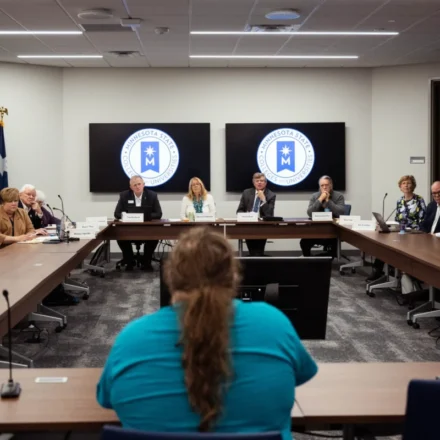
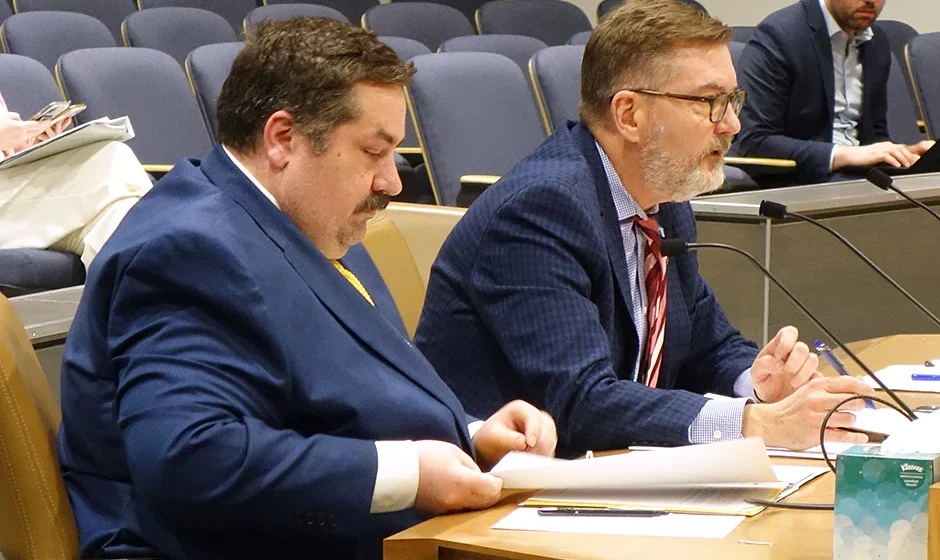
State Senator Scott Dibble, a key architect of the legalization bill, has also signaled support for Taubel’s leadership. During committee hearings in March, Dibble and Taubel appeared together to discuss the logistical challenges of the rollout, with Dibble noting the importance of having a director who understands the "fine print" of the law.
However, Taubel has also been firm about the responsibilities of the private sector. In recent interviews, he has shifted the narrative from government delays to applicant readiness. "We’ve transitioned to the point where the onus is on the applicant and a prospective business owner," Taubel stated. He argued that the regulatory framework is now in place, and the speed of the rollout depends on how quickly businesses can meet the state’s rigorous standards for security, tracking, and local zoning.
Implications: Local Resistance and the Road Ahead
Despite the stability Taubel brings to St. Paul, his permanent tenure begins as a new conflict emerges: the "Home Rule" vs. State Authority debate.
The Albert Lea Precedent
A significant shadow was cast over the OCM’s recent progress when the Albert Lea City Council denied a business registration license to "The Smoking Tree," one of the first five businesses to receive state approval. The council’s decision was unexpected and has raised serious questions about the extent of local government power.
Under the state law, cities cannot "prohibit" cannabis businesses entirely, but they can enact "reasonable" zoning and time/place/manner restrictions. The Albert Lea case suggests that some local governments may use administrative hurdles to effectively block state-sanctioned businesses. This creates a legal gray area that Taubel’s office will likely have to navigate through litigation or further legislative guidance.
Economic Pressure
The delay in a full retail rollout has created an economic vacuum. While the state waits for "brick-and-mortar" shops to open, the illicit market continues to thrive, and the state loses out on potential tax revenue earmarked for community reinvestment. Taubel’s ability to hit the "100-150 license" mark by December is seen as a litmus test for whether the legal market can effectively compete with the underground economy.
Federal Complications
As Taubel stabilizes the state-level OCM, he must also keep an eye on Washington D.C. The potential rescheduling of marijuana from Schedule I to Schedule III by the DEA could simplify banking and tax issues for Minnesota businesses, but it also adds another layer of regulatory complexity that Taubel will need to interpret for local stakeholders.
Conclusion: A Pragmatic Path Forward
Eric Taubel’s transition from General Counsel to Permanent Director marks the end of the "emergency phase" of Minnesota’s cannabis legalization. The "rocky" start defined by the DuPree scandal has been replaced by a period of methodical, if slow, progress.
For the entrepreneurs waiting for licenses and the consumers waiting for local shops, Taubel’s appointment offers a sense of predictability. However, his message remains one of pragmatic accountability: the state has built the infrastructure, but the success of the market now rests on the ability of local businesses to navigate the rules and the ability of local cities to accept the new reality of legal cannabis.
As Minnesota moves toward 2025, the Office of Cannabis Management, under Taubel’s permanent guidance, faces its ultimate challenge: turning a complex 300-page law into a vibrant, safe, and equitable multibillion-dollar industry.