
























































As the sweltering heat of mid-summer begins to wane, a distinct shift in the atmosphere signals the approach of the year’s most anticipated chromatic transformation. Across the United States, the landscape is preparing for its annual metamorphosis, a breathtaking display of amber, crimson, and gold that draws millions of travelers into the great outdoors. For those planning to chase the turning leaves, preparation is key. According to the latest predictive mapping—informed by meteorological data from the National Oceanic and Atmospheric Administration (NOAA)—the timeline for the 2024 fall foliage season is already taking shape.
The Main Facts: A Nationwide Transition
The phenomenon of fall foliage, scientifically known as senescence, is triggered by a combination of shortening daylight hours and cooling temperatures. As chlorophyll production ceases, the hidden pigments of the leaves—carotenoids and anthocyanins—finally take center stage.
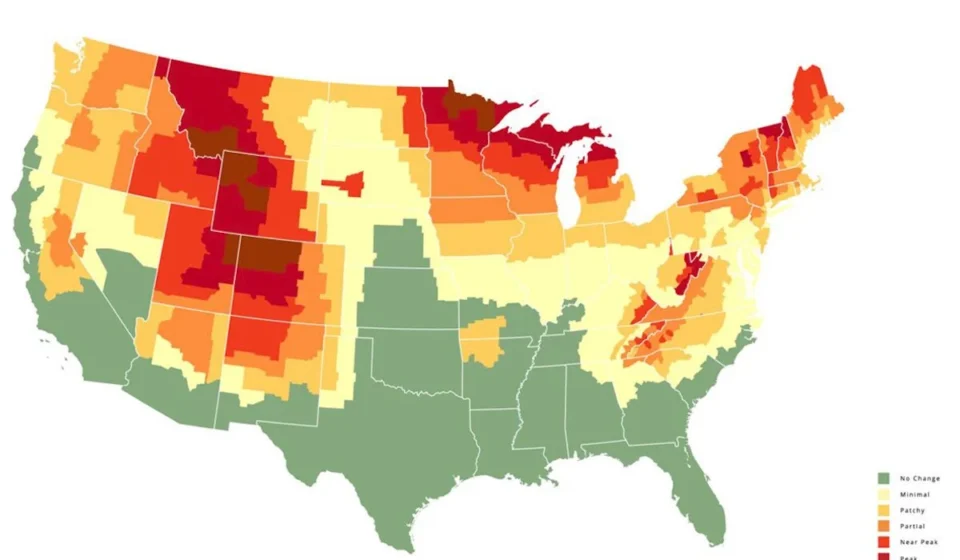
For the 2024 season, the early heralds of autumn will be the high-altitude regions of the American West. Beginning as early as September 8, states such as Idaho, Montana, Wyoming, Utah, and Colorado will begin to see the first whispers of color. These regions, characterized by their high elevation and rapid temperature fluctuations, serve as the vanguard for the seasonal transition.
Following this western debut, the Midwest will experience its own shift. Minnesota, Wisconsin, and Michigan are slated to see foliage activity within a week of the initial western onset. By the final week of September, the spectacle will be in full swing across much of the northern United States and high-elevation corridors, setting the stage for the country’s most iconic leaf-peeping destinations.
A Chronological Breakdown of the Foliage Migration
Tracking the color change requires a strategic eye on the calendar. Because the United States spans such a vast array of latitudes and microclimates, the "peak" is a moving target that travels from the mountains and northern borders toward the deep south.
The Early Season (September 8 – September 20)
The race begins in the Rocky Mountain West. Because of the thin, dry air and altitude, the aspens of Colorado and the forests of Wyoming are the first to ignite. Travelers looking for early-season views should focus their itineraries on the high mountain passes where the air turns crisp long before the rest of the country.
The Mid-Season Peak (September 21 – October 15)
This period represents the "Golden Window" for the majority of the northern United States. By late September, the Northern Plains and the Great Lakes region will reach their peak. Simultaneously, the focus shifts to the East Coast.
New England, the spiritual home of American fall foliage, will begin its slow reveal in mid-September. However, the true spectacle—the vibrant, postcard-perfect landscapes of Maine, New Hampshire, Vermont, and upstate New York—is expected to hit its zenith between October 6 and October 13. This is the time when the maples turn brilliant red and the birches glow yellow, creating the quintessential autumn aesthetic.
The Late-Season Finale (October 16 – November 20)
As the northern regions shed their leaves and transition into winter, the southern states begin their delayed display. It is a common misconception that autumn is exclusively a northern experience. In truth, states like Texas, Louisiana, and Florida maintain their green canopy well into the late autumn months. It is not until the third week of November—specifically around November 17—that these southern territories reach their own unique, albeit more subtle, foliage potential.
Supporting Data: The Science Behind the Map
The predictive maps utilized for these forecasts are not merely aesthetic renderings; they are the product of rigorous data synthesis. By integrating historical climate trends with current NOAA meteorological projections, analysts can account for variables like precipitation levels and average temperature deviations.
While no forecast can guarantee 100% accuracy—given that an unexpected late-season heatwave or a premature frost can drastically alter the trajectory of the color change—the use of past trends provides a high degree of confidence for travelers. Meteorological modeling focuses on "Growing Degree Days" (GDD), a measurement used to predict plant development. By calculating how many days the temperature remains above a certain threshold, meteorologists can effectively estimate when the deciduous trees will begin their biological shutdown.
Official Responses and Meteorological Insights
Experts from the National Oceanic and Atmospheric Administration emphasize that while the calendar provides a baseline, local conditions are the ultimate arbiter of when the leaves turn.
"The interplay between soil moisture and temperature is critical," notes a representative from the climate research community. "In years where we experience a wet summer followed by a dry, sunny autumn, we tend to see the most vibrant colors. The sugar content in the leaves, which is influenced by late-summer sunlight, determines the intensity of the reds and purples."
For travelers, the official advice remains consistent: stay flexible. If a specific region experiences an unseasonably warm September, the peak may be delayed by several days. Conversely, a sudden cold snap can accelerate the process, turning forests overnight. Monitoring local forest service reports and NOAA’s weekly temperature outlooks is the best way to ensure that your travel dates align with the peak display.
Implications for Tourism and Travel Planning
The "leaf-peeping" industry is a significant economic driver for rural towns across New England, the Rockies, and the Upper Midwest. For the average traveler, this implies that logistics should be managed well in advance.
The Road Trip Strategy
As the calendar turns toward September, the window for securing lodging in prime locations closes rapidly. It is time to audit your equipment. Whether you are planning a rustic camping excursion or a boutique hotel tour, ensure your gear is ready. Tossing your camping equipment into the back of your truck now will put you ahead of the inevitable rush that occurs once the first frost hits the headlines.
Environmental Stewardship
As millions of people flock to national forests and scenic byways, the pressure on these ecosystems increases. Travelers are urged to follow "Leave No Trace" principles. The foliage is a delicate biological process; staying on marked trails, respecting private property, and avoiding the collection of fallen branches are essential for preserving the very landscapes we travel to see.
Economic Impact
For many small communities, the six-week foliage window represents the primary source of annual revenue. Supporting local vendors, visiting state-run farmers’ markets, and patronizing locally-owned inns are not just travel preferences—they are vital contributions to the preservation of the regions that host these natural wonders.
Conclusion: Planning for the Spectacle
Mother Nature’s annual show is one of the most reliable yet ephemeral experiences in the natural world. From the high-altitude aspens of the Rockies to the fiery maples of Vermont and the late-season oaks of the Deep South, the 2024 foliage season promises to be as captivating as ever.
By aligning your travel plans with the chronological migration of the color, leveraging the meteorological data provided by NOAA, and remaining flexible to the whims of the local climate, you can maximize your chances of witnessing the peak of the season. Start your planning now. Whether you are an avid photographer, a seasoned hiker, or simply someone who appreciates the quiet beauty of a changing season, the forests of the United States are preparing a display that is well worth the journey. Don’t wait until the trees are bare—the countdown to the first gold and crimson leaves has already begun.