
















































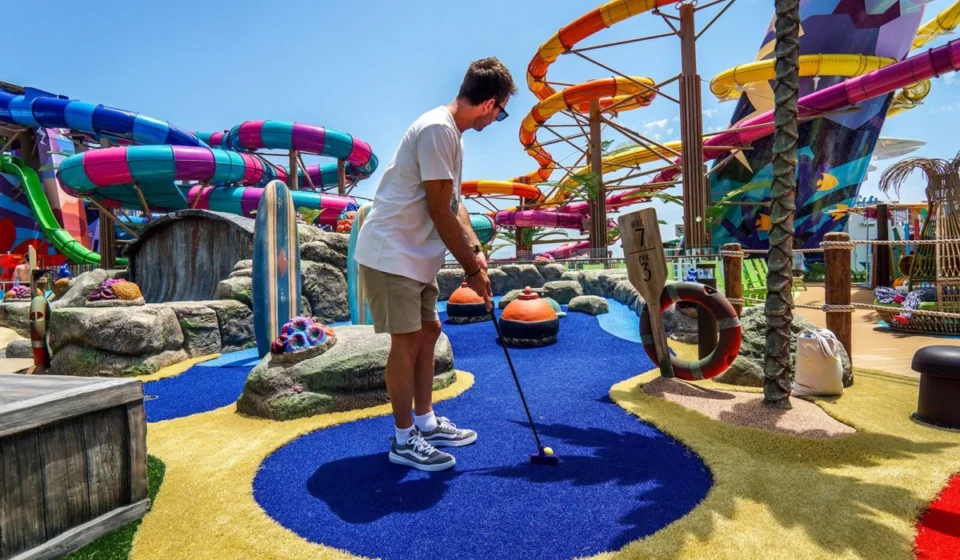

In the evolving landscape of global tourism, few sectors have undergone a metamorphosis as radical as the cruise industry. For years, the prevailing archetype of a cruise vacation was static: a sedentary, all-inclusive retreat centered on buffet lines and poolside lounging. However, the debut of Royal Caribbean’s Legend of the Seas—the newest and largest jewel in the line’s Icon Class—is effectively dismantling those long-held stereotypes. Measuring a foot longer than its illustrious siblings, Icon of the Seas and Star of the Seas, the Legend now holds the title of the largest cruise ship currently afloat.
For the modern, culture-seeking traveler, the Legend represents a shift from a "floating hotel" to a "floating city," offering an unparalleled density of entertainment, gastronomy, and architectural innovation that challenges even the most jaded skeptic.
The Engineering Marvel: More Than Just a Ship
To step aboard the Legend of the Seas is to abandon the traditional concept of nautical travel. During a recent preview sailing in the Mediterranean—the first time this class of vessel has been deployed to European waters—the sheer scale of the ship became immediately apparent.
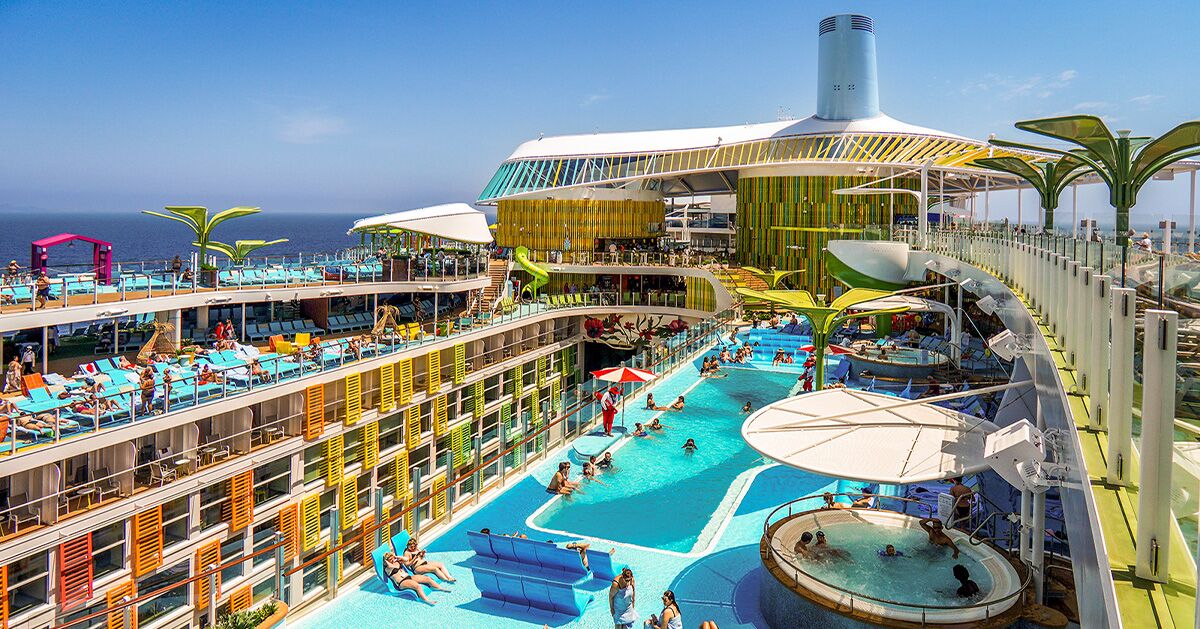
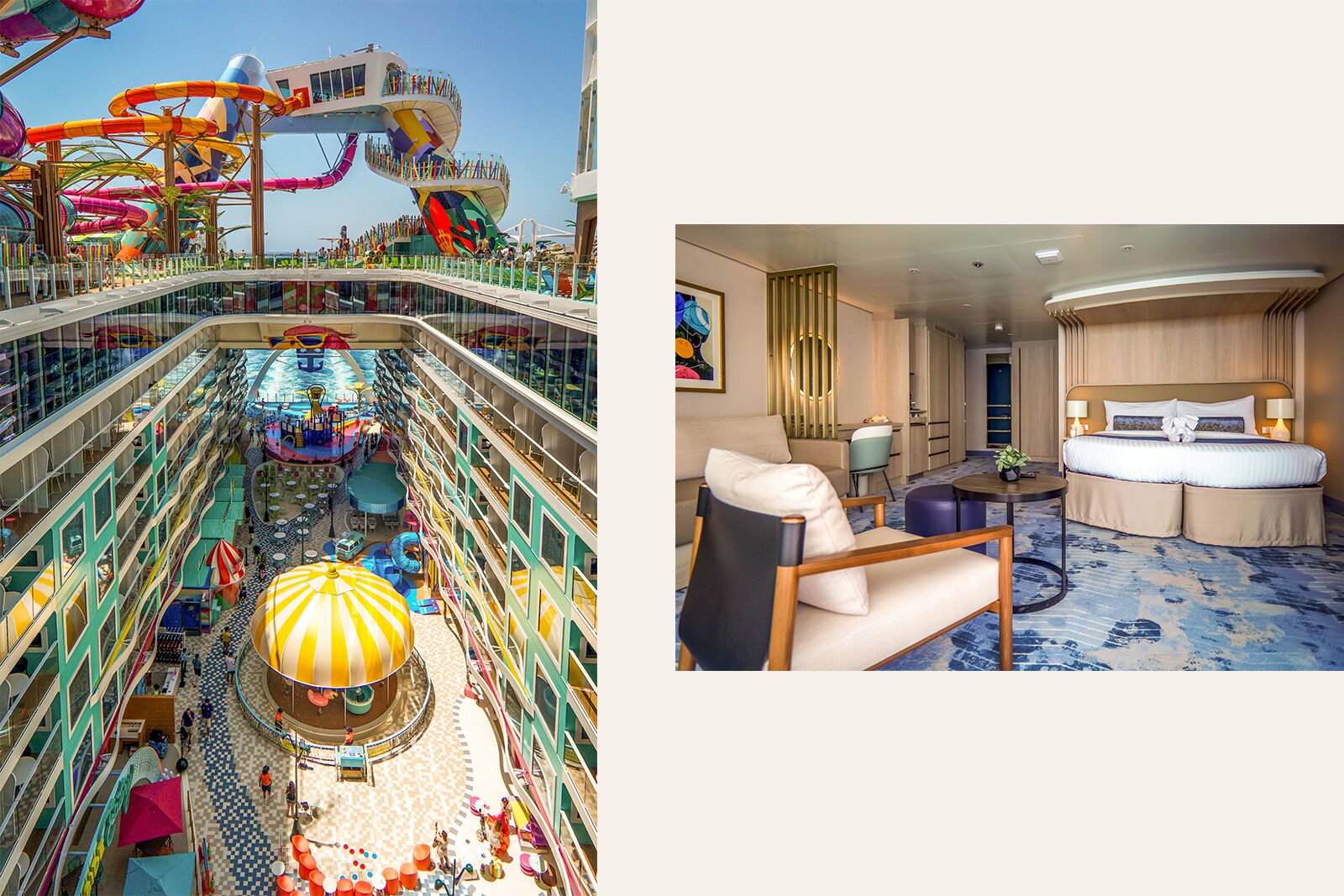
Walking through the vessel, one does not feel the confinement of a standard ship. Royal Caribbean has masterfully curated "neighborhoods," most notably Central Park. This open-air space features thousands of real, living plants and manicured gardens, flanked by high-end dining establishments that spill out onto patios, complete with charming ice cream windows. The vessel mimics the topography of a bustling metropolis, featuring streets that feel distinctly urban, replete with arcades, casinos, and high-energy nightclubs. The ship’s physical footprint is so vast that a four-day excursion feels like a mere introduction to its multifaceted offerings.
Chronology of an Immersive Experience
My journey began with a comprehensive, floor-by-floor traversal of the ship. The objective was to understand the flow and rhythm of a vessel that boasts a maximum guest capacity of 7,600.
Days 1-2: Orientation and Cultural Disruption
The first 48 hours were spent reconciling my preconceived notions of cruising with the reality of the Legend. I entered the trip as a traveler who prefers to "research a destination into the ground," chasing culture and getting lost in the process. I expected the Legend to be a monotonous buffet-centric experience. Instead, I found myself overwhelmed by choice. By the end of the second day, I had compiled a list of must-visit venues—from the Absolute Zero ice rink to the complex maze of the escape rooms—that already exceeded my time constraints.
Days 3-4: Performance and Culinary Deep-Dives
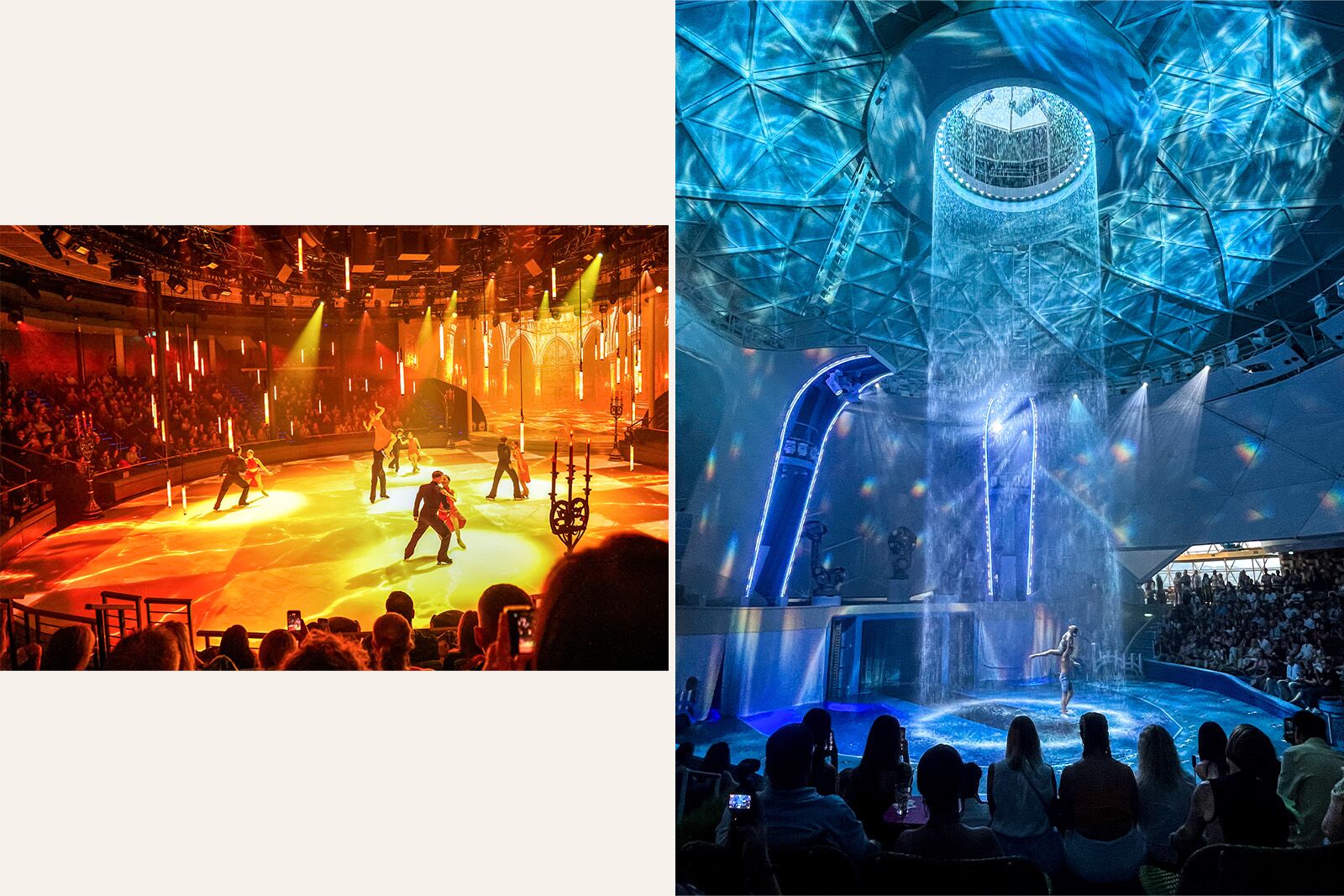
The latter half of the trip was dedicated to testing the ship’s limits. This involved witnessing the high-tech live productions that have become the hallmark of the Icon Class, followed by a systematic exploration of the ship’s 28 distinct dining venues. The shift from skepticism to appreciation occurred during the performance of "Shockwave: A Battle for the Beat," a show that proved the Legend is not just a ship, but a world-class theatrical hub.
Supporting Data: Entertainment and Culinary Diversity
The sheer volume of logistics required to run a ship like the Legend is staggering. Royal Caribbean has invested heavily in technology to bridge the gap between "cruise entertainment" and "professional production."
The Theatrical Vanguard
"Shockwave," held in the AquaTheater, utilizes a domed stage built around a pool, creating an environment that simulates being underwater through projection mapping and advanced lighting. The production value rivals, and at times exceeds, that of major Las Vegas residencies. The cast, composed of world-class athletes and performers, executed feats ranging from slackline choreography to high-stakes aerial maneuvers.
Equally impressive were:
- "Fusion": A spectacle staged on the Absolute Zero ice rink, incorporating a swarm of drones that navigate complex patterns above competitive skaters.
- "Charlie and the Chocolate Factory": A theatrical adaptation that utilized industrial-grade rigging to simulate the "blueberry" scene, demonstrating a mastery of mechanical effects that are rarely seen at sea.
The Gastronomic Ecosystem
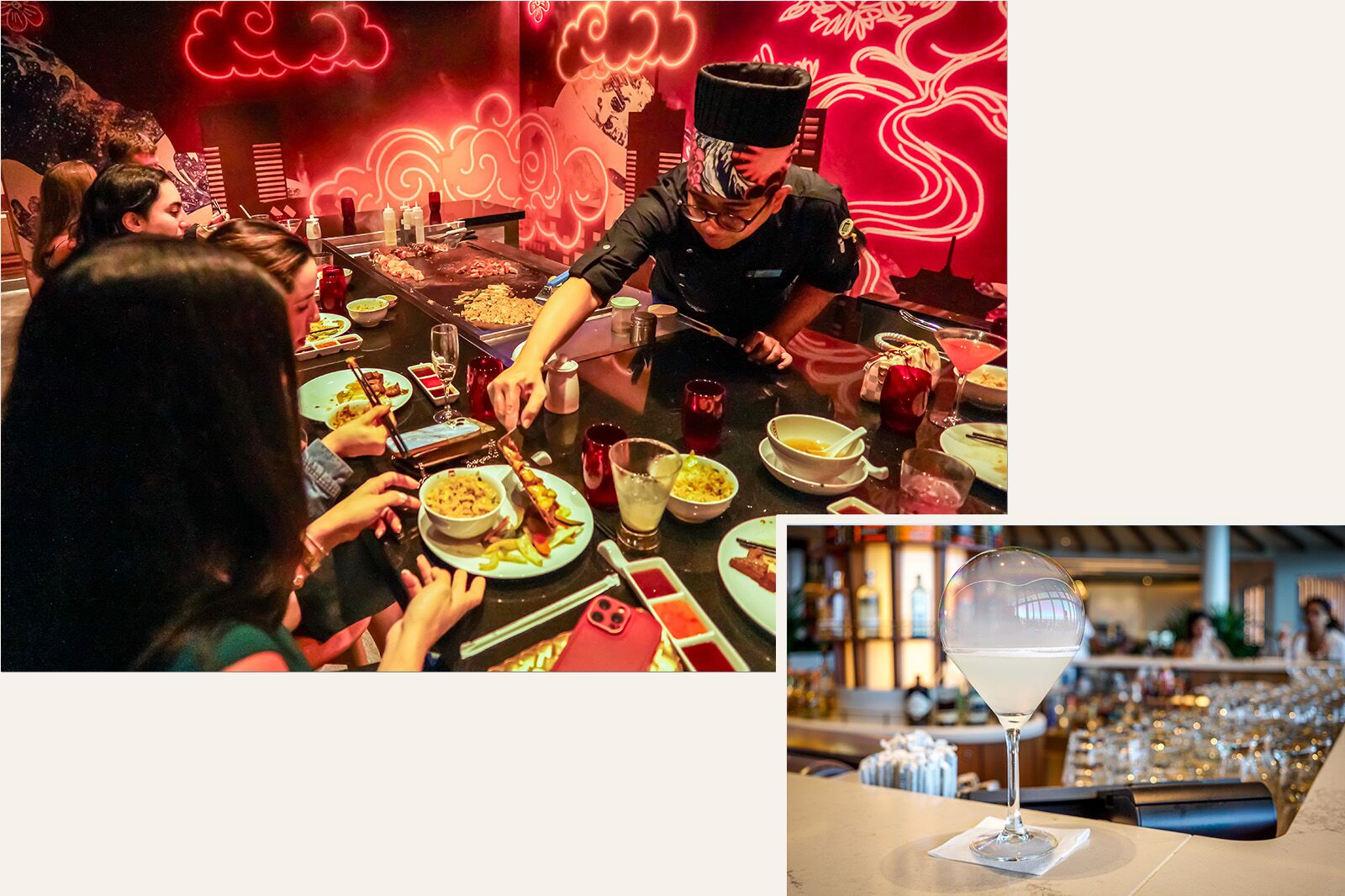
With 28 dining options, the Legend sets a record for the industry. The diversity of food is not merely in quantity but in execution. At Izumi, the teppanyaki experience combined expert showmanship—such as carving fried eggs into intricate shapes—with culinary precision, delivering perfectly tender filet mignon.
The Windjammer buffet serves as an indicator of the ship’s global reach, offering rare produce like golden berries, dragon fruit, and prickly pear—items rarely seen in high-volume, mass-market dining. Furthermore, the AquaDome Market acts as a centralized food hall, providing five distinct international stalls that remain open until midnight, effectively catering to a global, 24-hour lifestyle.
Official Responses and Strategic Vision
Royal Caribbean’s executive team has maintained that the Icon Class is designed to capture the "multigenerational traveler." By integrating high-tech amenities—such as the app-based scheduling system that manages the ship’s thousands of moving parts—the company aims to eliminate the friction that often accompanies group travel.
In industry briefings, the line has emphasized that the goal is to provide a "managed spontaneity." Rather than forcing guests to follow a rigid itinerary, the ship provides the tools for guests to curate their own experience, whether that involves high-intensity rock climbing, professional-grade ice skating, or simply enjoying the ocean view from a sunset corner suite.
The Implications of the "Floating Small Town"
The success of the Legend of the Seas suggests a significant shift in the cruise industry’s trajectory.
Cultural vs. Convenience Travel
The fundamental limitation of the cruise remains the nature of port calls. With thousands of passengers descending on a destination for a single day, the ability to engage in "deep culture" is inherently restricted. However, the Legend changes the value proposition: it is not intended to replace the immersive travel experience of a backpacker or a solo explorer. Instead, it offers a distinct product—a "floating small town"—where logistics are perfected, and the comfort of the traveler is the primary commodity.
The Verdict on the Modern Cruise
My experience aboard the Legend effectively dispelled the myth that cruising is exclusively for those seeking sedentary repetition. For the traveler who values efficiency and high-quality entertainment, the Legend provides a density of experience that is difficult to replicate on land.
While I maintain that not every vacation should be a cruise—particularly when one seeks the solitude of a remote destination—I am forced to concede that the Legend is a technical and social triumph. It offers a solution for the modern, busy traveler who wants to see the world without the burden of constant planning. The cruise industry has successfully pivoted, and if the Legend of the Seas is the benchmark, the future of ocean travel is not about just sitting by the pool; it is about the infinite choices presented once you step on board.