



















































Education Under Siege: Minnesota Districts Sue to Restore ‘Sensitive Locations’ Protections Amid ICE Enforcement Surge

MINNEAPOLIS — A legal battle of national significance erupted in U.S. District Court this Wednesday as a coalition of Minnesota school districts and Education Minnesota, the state’s largest teachers union, filed a landmark lawsuit challenging the federal government’s recent shift in immigration enforcement tactics.
The plaintiffs are demanding the immediate reinstatement of a decades-old policy that historically shielded schools, churches, and other “sensitive locations” from federal immigration enforcement. The lawsuit targets Department of Homeland Security (DHS) Secretary Kristi Noem, Immigration and Customs Enforcement (ICE), and Customs and Border Protection (CBP), arguing that the current administration’s aggressive tactics have effectively dismantled the educational environment for thousands of children.
The Shift: A Policy Reversal and Its Consequences
The protections the plaintiffs seek to restore were effectively nullified on January 20, 2025—the day of President Donald Trump’s second inauguration. The administration’s move signaled a departure from the “sensitive locations” guidance that had governed federal immigration policy since 1993.
In a statement released shortly after the policy shift, the Department of Homeland Security defended the change, asserting, “Criminals will no longer be able to hide in America’s schools and churches to avoid arrest. The Trump Administration will not tie the hands of our brave law enforcement, and instead trusts them to use common sense.”
However, for educators and administrators, this "common sense" has manifested as a crisis of safety. The lawsuit alleges that federal agents have been seen occupying school parking lots, trailing superintendents and school board members, and, in some instances, engaging in aggressive maneuvers including the tackling and tear-gassing of students and staff.
Chronology of Escalation: From Policy Shift to Classroom Exodus
The escalation in Minnesota has been rapid and chilling. To understand the current climate, one must look at the timeline of the last several months:
- January 20, 2025: The "sensitive locations" policy is rescinded by the incoming administration.
- Early January 2026: Reports of heightened ICE activity near Twin Cities schools reach a breaking point. Schools report plummeting attendance and the emergence of "disappeared" students.
- Late January 2026: Renee Good, a Minneapolis mother, is killed during an ICE operation, a tragedy that serves as a grim inflection point for local anxiety.
- February 1, 2026: Five-year-old Liam Conejo Ramos, whose image went viral after his abduction by federal agents, is released from a Texas detention center and returned home to Columbia Heights, Minnesota, thanks to the intervention of Rep. Joaquin Castro.
- February 2, 2026: Despite the return of young Liam, ICE agents are observed stationed in school parking lots in the Columbia Heights district. The district receives a bomb threat, forcing a lockdown.
- February 4, 2026: The formal complaint is filed in U.S. District Court, citing a pattern of harassment that includes pulling day care workers from vehicles and arresting parents at bus stops.
Supporting Data: The Quantitative Cost of Fear
The impact on Minnesota’s education system is measurable and severe. In Rochester, Superintendent Kent Pekel reported that January absenteeism was 42% higher than in December. When disaggregated by demographic, the numbers are even more alarming: absenteeism among students receiving English learner services spiked by 116%, and by 108% among Latino students.
Districts like Duluth have been forced to divert significant resources to address the security vacuum. Superintendent John Magas noted that the district has spent upwards of $500,000 in staff time planning security measures to keep children safe in an environment where, as he puts it, "students can’t learn unless they feel safe."
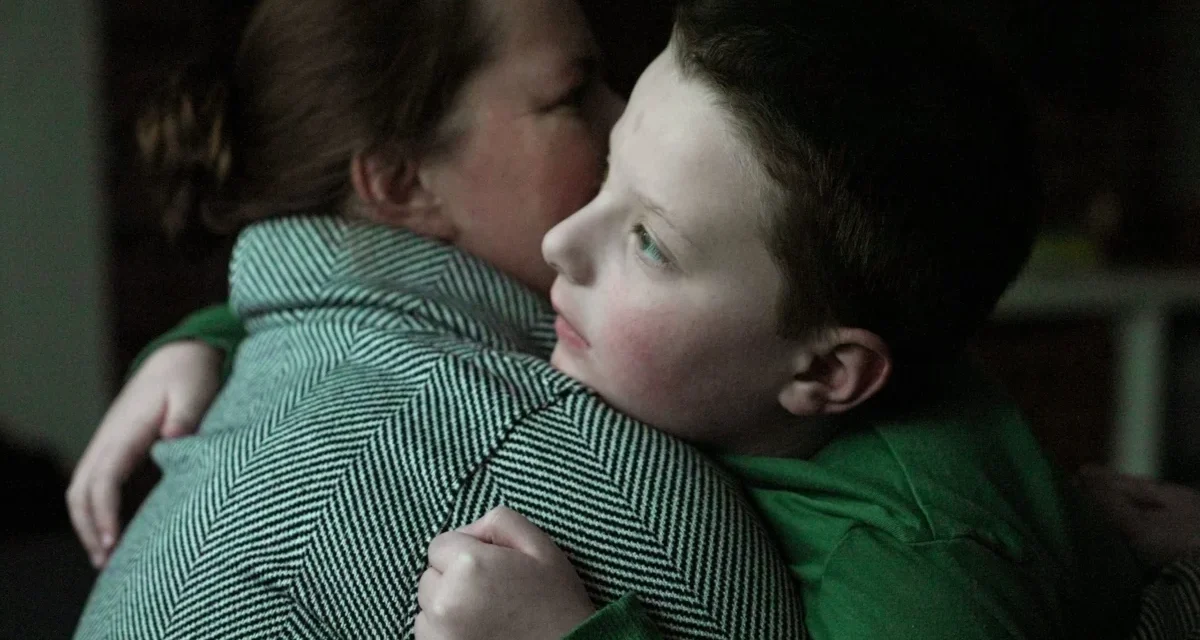
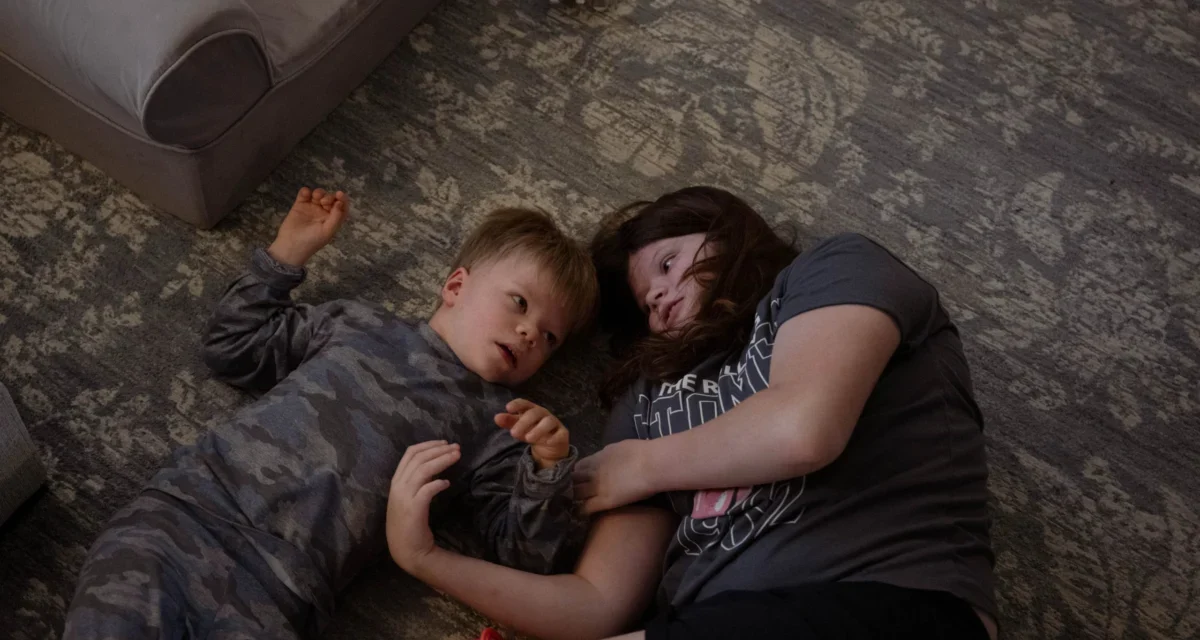
The loss of attendance translates directly into a loss of funding, as Minnesota’s school budgets are tethered to daily student headcounts. Beyond the fiscal impact, the psychological toll on the student body—including citizens and non-immigrants who are equally terrified to leave their homes—has forced many districts to pivot to emergency online learning models.
Official Responses and the Standoff
The federal government has remained largely defiant in its messaging. At a press conference in Nogales, Arizona, held on the same day the lawsuit was filed, ICE Director Todd Lyons praised the administration’s aggressive posture. "We didn’t need any new laws," Lyons stated. "We just need the ability to enforce the ones we have."
White House border czar Tom Homan has attempted to downplay the intensity of the operations, claiming that 700 agents are slated to leave Minnesota and that the agency has “de-escalated” its actions. However, school leaders on the ground dispute this narrative, arguing that schools are being targeted with the same intensity as they were two months ago.
Even with the promised drawdown, the remaining federal presence in Minnesota would still exceed the 2,000 agents present at the time of the death of Renee Good. The disconnect between federal promises and the reality of school parking lots being occupied by armed agents remains a primary point of contention in the lawsuit.
Implications: A Fundamental Violation of Rights?
The lawsuit, Fridley et al. v. Noem et al., rests on several legal pillars, primarily the Administrative Procedure Act (APA). The plaintiffs argue that the Department of Homeland Security failed to perform an adequate "impact analysis" regarding how the rescission of the sensitive locations policy would affect the educational rights of children.
Historically, the "sensitive locations" policy was viewed as a "bedrock" principle of American immigration enforcement. A 2007 internal DHS rule explicitly stated that "great care and forethought" must be applied before undertaking enforcement at or near schools, noting that the presence of agents in such venues is a "point of particular sensitivity."
By ignoring these precedents, the lawsuit contends, the current administration has created an environment where:
- Access to Education is Compromised: Students are kept home, or their schooling is disrupted by threats and raids, violating their right to a stable educational environment.
- Due Process and Safety are Neglected: The targeting of school bus stops and transport vans creates a climate of terror that transcends immigration status.
- Local Governance is Undermined: The federal government’s disregard for the autonomy and safety of school districts places local administrators in an impossible position—forced to choose between their duty to educate and the safety of their campus.
Looking Forward: The Fragility of Rebound
While enrollment in some districts, such as Rochester, has shown slight signs of rebounding—often bolstered by community-led networks providing food and transportation to scared families—the stability of these schools remains precarious.
Superintendent Pekel warned that the current recovery is delicate. "One incident could wipe that out," he noted, emphasizing that the fear remains latent.
As the case moves through the federal court system, the nation is watching a collision between two competing visions of American governance: one that prioritizes the uncompromising enforcement of immigration law at any cost, and another that insists that schools must remain protected sanctuaries where the fundamental rights of children—regardless of their citizenship status—are shielded from the volatility of federal policy.
For the parents, teachers, and students of Minnesota, the courtroom is currently the only place where they believe their right to learn, and to live without fear, is being defended. Whether the courts will compel the Department of Homeland Security to return to the status quo remains to be seen, but for now, the tension in Minnesota’s school zones continues to be the new, and deeply contested, normal.