
























































The Silent Shadow: How a Small Mississippi Town Became the Epicenter of a Toxic Herbicide Crisis

By Investigative Desk
In the quiet, forested reaches of Wayne County, Mississippi, a demographic anomaly has emerged that is causing alarm among public health advocates and residents alike. In a region home to approximately 20,000 people, a specific and devastating trend has taken root: disproportionately high rates of Parkinson’s disease. While the national average for Parkinson’s mortality is 11.5 per 100,000 people, Wayne County’s rate sits at a staggering 21.5.
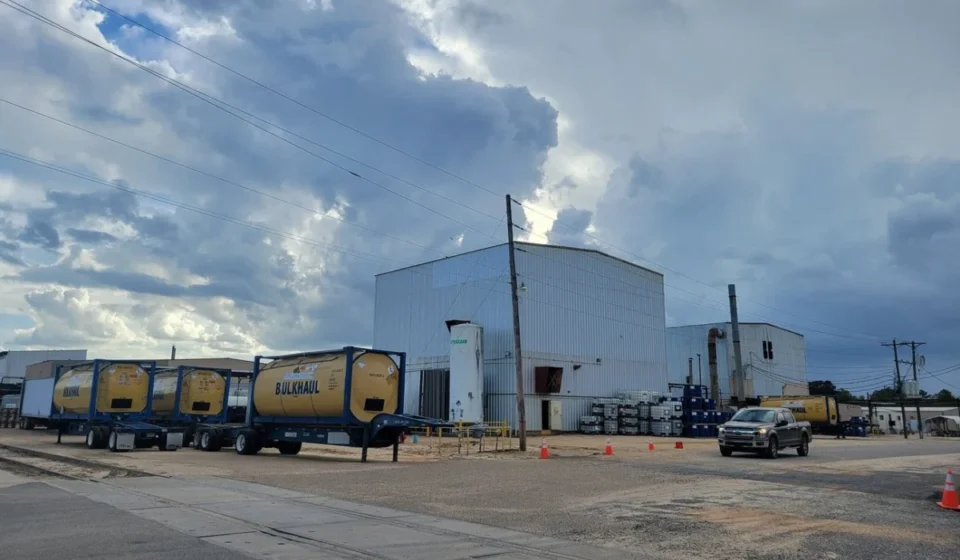
This is not a coincidence, according to many experts. The county serves as the operational hub for a Sipcam Agro plant, which has emerged as the largest single emitter of paraquat—a highly toxic, incurable-disease-linked herbicide—in the United States. As the nation grapples with the long-term consequences of industrial agriculture, Waynesboro stands as a harrowing example of the human cost associated with the chemicals used to feed the country.
The Chemistry of Crisis: What is Paraquat?
Paraquat dichloride, marketed most famously as Gramoxone, is a synthetic, broad-spectrum herbicide that has been in use since the 1960s. Its primary function is to clear vast tracts of land for crops like soybeans, corn, and cotton without the need for labor-intensive tilling.
However, the chemical’s efficiency is matched only by its lethality. The Environmental Protection Agency (EPA) has long warned that "one sip can kill." Its toxicity is so profound that it has been banned in over 70 countries, including the entire European Union, Brazil, and China. Despite this international consensus, paraquat use in the United States has surged, more than tripling between 2006 and 2017—a phenomenon the EPA attributes to the rising resistance of weeds to glyphosate (Roundup).
Scientific evidence has increasingly linked paraquat to the degradation of the nervous system. When inhaled, the chemical travels to the brain, where it systematically kills dopamine-producing neurons, the biological precursor to Parkinson’s disease. Research published in the International Journal of Epidemiology in 2024 reaffirmed that farmworkers exposed to paraquat are 2.5 times more likely to develop the disease than those who have never handled the chemical.
A Chronology of Contamination and Corporate Shifts
The history of paraquat is one of steady expansion followed by recent, tactical corporate maneuvering:
- 1960s: Paraquat is introduced to the market by a predecessor of Syngenta. Internal documents from the 1950s suggest that early researchers were already aware of the chemical’s neurotoxic potential.
- 2006–2016: The volume of paraquat imported into the U.S. via the Port of New Orleans skyrockets. In 2006, the port recorded 14 shipments; by 2016, that number climbed to 144.
- 2015: The Sipcam Agro plant opens in Waynesboro, Mississippi.
- 2023: Sipcam Agro takes full control of the Waynesboro facility and aggressively expands production. Airborne emissions of paraquat spike from roughly 1,500 pounds in 2022 to over 47,000 pounds in 2024.
- March 2026: Under the weight of thousands of lawsuits from farmers and workers alleging failure to warn of Parkinson’s risks, industry giant Syngenta announces it will cease the production of paraquat.
- 2026 and Beyond: Despite Syngenta’s exit, the infrastructure for paraquat remains. Smaller facilities and independent distributors are poised to fill the vacuum, ensuring that millions of pounds of the chemical continue to flow through the Mississippi River corridor.
Supporting Data: The Geography of Exposure
The environmental footprint of the Waynesboro plant is immense. In 2023 and 2024 alone, the facility released 81,667 pounds of paraquat into the air as "fugitive emissions"—unintentional leaks occurring during the industrial process.
The proximity of residents to this plant is a primary concern. Hundreds of households, a large majority of them Black, reside within a one-mile radius of the facility. Scientists like Kimberly Terrell of the Environmental Integrity Project note that these emission levels are far above what is considered standard for a major toxic source.
The danger is not limited to the immediate vicinity of the plant. Robert Gunier, an environmental health scientist at UC Berkeley, emphasizes that the chemical is transported through the air and deposited into the surrounding soil and water supply. Furthermore, recent data suggests that paraquat may vaporize more readily than previously understood, increasing the risk of inhalation for residents living miles away from the source.

Official Responses and Regulatory Gaps
The regulatory landscape regarding paraquat is fractured and often ineffective. The EPA classifies paraquat as a toxic chemical but refuses to designate it as a "federally regulated air pollutant." This means there is no national maximum emission threshold for the chemical, leaving states with the responsibility—and the burden—of oversight.
The Mississippi Department of Environmental Quality (MDEQ) is currently managing an open enforcement action regarding the Waynesboro plant, citing "alleged air violations." However, officials admit their hands are tied when it comes to the specific toxicity of paraquat, as it does not fall under the strict "hazardous air pollutant" category.
Meanwhile, political friction is mounting. While the EPA has initiated a "reassessment" of the chemical’s safety, the influence of industry lobbyists remains potent. A "revolving door" between the agrochemical industry and federal agencies persists; for example, the current senior advisor to the Secretary of Agriculture is a former government relations manager for Syngenta. Critics fear that language currently embedded in the Farm Bill could preempt state-level bans, effectively stripping local governments of their right to protect their own citizens from chemical exposure.
Human Impact: A Life-Long Cost
For individuals like Ashton Pearson Sr., a lifelong Mississippian diagnosed with Parkinson’s in 2013, the academic debates about parts-per-million and emission thresholds are cold comfort.
"There is absolutely no doubt in my mind that we’re all victims of our environment," says Pearson, who now leads a local Parkinson’s support group. Having spent his youth working on farms and spraying fields, Pearson represents a generation of workers who were never warned of the long-term neurological dangers of the chemicals they handled.
The tragedy is echoed in the story of Jannette Holifield, who lost her husband, Martin Montelongo, in 2025. Montelongo worked for years at the Sipcam plant, mixing chemicals. While his official cause of death was listed as a heart attack, his long-term struggle with a persistent, worsening cough points toward the lung scarring associated with chronic paraquat exposure.
Implications: The Future of Agricultural Safety
The crisis in Waynesboro serves as a microcosm for a national problem. As 13 states push for legislation to ban or restrict paraquat, the battle lines have been drawn between public health advocates and an entrenched agricultural-industrial complex.
The Parkinson’s Foundation and other organizations argue that a ban is not only necessary but feasible, citing studies that demonstrate the cessation of paraquat would not significantly reduce agricultural productivity. Yet, the momentum of the industry—which relies on cheap, high-efficiency herbicides—remains a formidable barrier.
The legacy of these chemicals is long-lasting. As seen in the American "Rust Belt," where decades of exposure to industrial solvents like trichloroethylene (TCE) resulted in high rates of neurological disease years after the factories closed, the damage in Mississippi may only be beginning to show. Without decisive federal action to classify and regulate paraquat as the dangerous neurotoxin it is, communities like Waynesboro will continue to bear a disproportionate share of the nation’s agricultural burden, one breath at a time.
The question remains: how much more evidence is required before the "one sip" warning is expanded to protect those who are forced to live in the shadow of its production? For the people of Wayne County, the answer is already long overdue.