






















































By Agam Shah
July 31, 2026
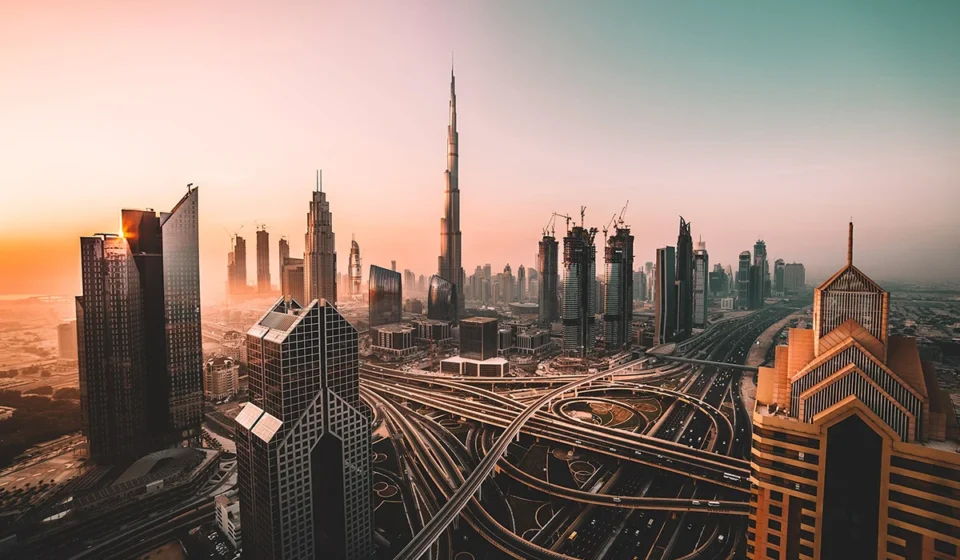
In the sweltering heat of a Dubai summer, where temperatures regularly flirt with 106 degrees Fahrenheit, the climate outside is perhaps the only thing more intense than the atmosphere inside the city’s boardrooms. While geopolitical tensions ripple across the Middle East—specifically the ongoing conflict involving Iran—Dubai remains a study in calculated calm. For the casual observer walking the pristine, modern streets of the emirate, the reality of regional instability feels worlds away. There are no sirens, no disruptions to the daily rhythm of commerce, and certainly no cooling of the city’s ambition.
Dubai, alongside its neighbor Abu Dhabi, is aggressively executing a multi-decade pivot. The goal is no longer just to be a global tourism and logistics nexus; it is to transform into the world’s most formidable AI powerhouse. As Western nations grapple with regulatory gridlock, environmental pushback, and economic uncertainty, the United Arab Emirates (UAE) is positioning itself as the "Switzerland of AI"—a neutral, high-capacity corridor bridging the technological aspirations of East and West.
The Strategic Pivot: Engineering a Neutral AI Corridor
The UAE’s emergence as a tech titan is not accidental; it is a state-sponsored mission. By leveraging its vast energy reserves and a business-friendly regulatory framework, the nation is building the infrastructure necessary to host the next generation of artificial intelligence.
International powers have taken notice. The United States, keen to ensure that its own technological hegemony remains unchallenged, has engaged in high-level diplomacy to secure its foothold in the region. Recent reports, including those from The Wall Street Journal, confirm that the CIA has taken an active role in vetting the UAE’s leading AI firms. This unconventional outreach—sending intelligence assets to conduct due diligence—is part of a broader "chip and AI" diplomacy aimed at ensuring that UAE-based breakthroughs remain aligned with American strategic interests.
For the local tech community, this is a sign of prestige. It signals that Dubai and Abu Dhabi are no longer regional players, but central nodes in the global AI supply chain. The UAE’s value proposition is simple: they offer the capital, the energy, and the neutrality that global tech giants increasingly find lacking in more politically polarized markets.
Data Center Buildouts: Turning Oil into Compute
While states like New York and regions across Europe are imposing moratoriums on the construction of massive data centers due to energy consumption and land-use concerns, the UAE is moving in the exact opposite direction. The country has launched an aggressive, government-backed campaign to construct hyper-scale data centers.
The centerpiece of this strategy is "Stargate UAE," a massive project located in Abu Dhabi. By partnering with industry titans like OpenAI and Oracle, the UAE is creating a symbiotic business model that converts raw energy into digital intelligence.
The Energy-to-Token Pipeline
The logic is as pragmatic as it is bold:
- Asset Monetization: The UAE possesses approximately 100 billion barrels of proven oil reserves.
- Efficiency Shift: As global markets transition toward renewables, the long-term volatility of oil poses a risk. By redirecting this energy into massive data centers, the UAE is effectively "mining" compute.
- Revenue Generation: These data centers generate AI tokens and compute resources that are sold globally, creating a new, sustainable revenue stream that is less susceptible to the boom-and-bust cycles of traditional commodity markets.
This strategy effectively turns the UAE’s "old" wealth—fossil fuels—into the "new" wealth—computational power. Unlike in the U.S., where public backlash against the carbon footprint of AI is mounting, in the UAE, the buildout is viewed as an existential necessity for economic survival in the post-oil era.
The Entrepreneurial Spirit: Beyond the Hype
In the corridors of Dubai Internet City, there is a palpable sense of impatience with the "AI mania" seen in Silicon Valley. Local founders often joke that slapping "AI" onto a company name is a distinctly American branding quirk. In the UAE, the focus is less on the grandiose promise of artificial superintelligence and more on the practical application of user-centric technology.
The local tech ecosystem is being quietly woven into the fabric of daily life. From infrastructure management to factory automation, the UAE is adopting technology at a speed that rivals China. A prime example is the upcoming launch of autonomous robotic air taxis. While New York City remains stuck in the testing phase for electric aerial vehicles, Dubai is preparing to launch commercial routes from its international airport into the heart of the city later this year.
However, progress is not uniform. While the air is being conquered, the ground remains a work in progress. The first autonomous ground taxis arrived in Dubai only last year, and their operational footprint remains largely confined to tourist zones. The transition to a fully autonomous city is a marathon, not a sprint, and the UAE is still playing catch-up to the testing density seen in cities like San Francisco or Phoenix.
Geopolitical Implications: The Iran Factor
No discussion of the UAE’s growth is complete without addressing the "shadow" of the ongoing Iran conflict. In late February, when regional tensions flared, Dubai Internet City—home to regional offices for Microsoft, Oracle, and IBM—saw a temporary exodus of foreign tech workers. Real estate prices dipped, and the uncertainty was palpable.
Yet, this volatility has created an opening for a new class of "opportunistic investors." A surge of capital has flooded the market, with investors betting that the UAE’s infrastructure and strategic importance are too robust to be derailed by regional conflict. This has been bolstered by the "tax-haven effect." As Western nations struggle with mounting national debts and increased corporate tax burdens, Dubai offers a zero-tax environment for founders and a streamlined pathway for digital nomads and freelancers. Despite the high cost of entry—visas can cost thousands of dollars annually—the combination of lower overhead and high-quality healthcare makes the UAE a compelling alternative to high-tax Western hubs.
Rivals on the Horizon: The Challenge of Vision 2030
The UAE is not without competition. Saudi Arabia’s "Vision 2030" program is the most significant challenger to Dubai’s regional supremacy. Riyadh is moving with unprecedented speed to modernize its economy, instituting aggressive policies—such as requiring multinational corporations to establish regional headquarters within Saudi borders to qualify for government contracts—that directly challenge Dubai’s status as the Middle East’s business gateway.
Furthermore, the UAE faces an internal demographic challenge: the "retiree vacuum." The economy relies heavily on an expatriate workforce, yet there is no clear, long-term pathway for residency or retirement for these essential tech workers. This creates a "transient culture" that can undermine long-term institutional knowledge and worker motivation.
Implications for the Future
As the dust settles, the UAE’s trajectory remains clear. The nation is betting that by positioning itself as an essential, neutral ground for AI development, it can insulate itself from the volatility of the outside world.
If the United States continues to treat its skilled immigrant workforce as a liability rather than an asset, the UAE is waiting with open arms. The strategy is to become a "must-have" partner for every major tech firm in the world. As one local founder put it, "If the West is too busy fighting over data centers and tax codes, we will simply build the future here."
Whether this desert gamble pays off remains to be seen. But in a world currently defined by fragmentation, the UAE is betting that compute, like oil, will always find its way to the highest bidder—and they intend to be the ones holding the keys to the pump.