






















































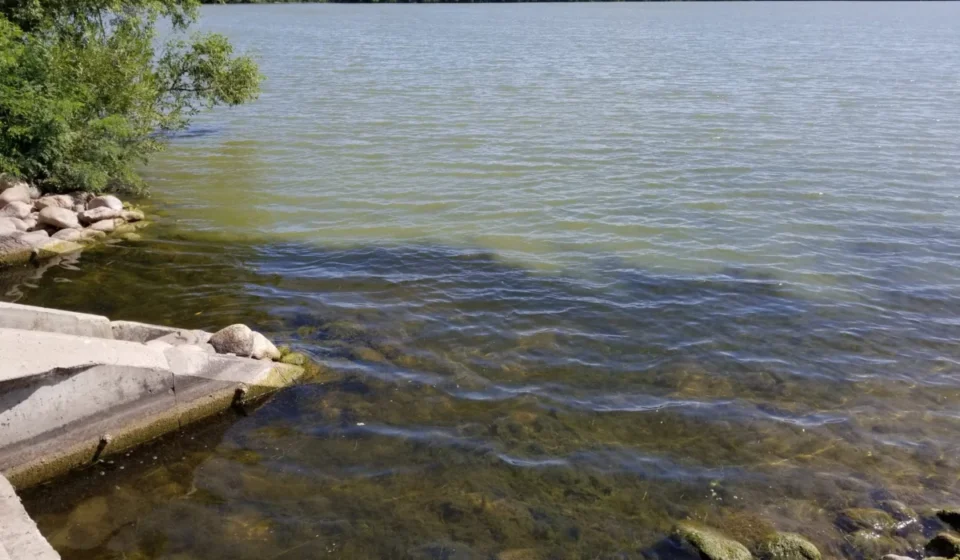

While the nation’s attention remains fixed on the unsightly, algae-choked waters of the Lincoln Memorial Reflecting Pool in Washington, D.C.—a stark backdrop as the country prepares for its 250th anniversary—regulators in the "Land of 10,000 Lakes" are grappling with a much more expansive and complex challenge.
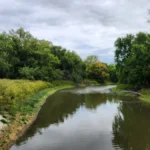
In Minnesota, the struggle to maintain water quality is not a singular event, but a continuous, state-wide administrative and ecological operation. As the Minnesota Pollution Control Agency (MPCA) releases its draft 2026 impaired waters list, the scale of the task becomes clear: managing the health of thousands of lakes, rivers, and streams that define the state’s identity.
The Scope of the Crisis: Defining "Impaired"
Under the federal Clean Water Act, states are mandated every two years to catalog water bodies that fail to meet specific quality standards. The 2026 draft list, currently open for public comment through July 22, paints a vivid picture of the environmental pressures facing Minnesota.
The list includes 2,979 individual water bodies, ranging from sprawling lakes to small, vital wetlands. These bodies account for 6,410 total impairments. The categories of pollution are diverse, reflecting the multifaceted nature of human impact on the environment:
- Aquatic Life Impairments: 32% (problems affecting fish and macroinvertebrates).
- Mercury Contamination: 27%.
- Bacteria Levels: 15%.
- Nutrient Pollution: Excess phosphorus and nitrogen, which trigger the same type of aggressive algae blooms currently plaguing the Lincoln Memorial Reflecting Pool.
While the Washington scenario is driven by specific variables—shallow water depth (1.5 to 2.5 feet), high heat absorption from a blue-painted bottom, and water sourced from the Potomac River—Minnesota’s issues are often the result of agricultural runoff, urban stormwater, and atmospheric deposition.
A Chronology of Stewardship: From Fragmented Efforts to Watershed Management
The history of water quality management in Minnesota has seen a significant evolution. For decades, the approach was fragmented, focusing on isolated lakes or specific sections of streams. However, as the complexity of hydrological systems became better understood, it became clear that a single-point solution was insufficient.
- 1992: Minnesota initiates its formal program for reporting impaired waters to the federal government.
- 2007: The MPCA shifts its strategy toward a "watershed approach." This holistic method recognizes that the health of a downstream lake is inextricably linked to the land use and tributaries throughout its entire drainage basin.
- 2008: A landmark moment in state conservation, Minnesota voters approve the Clean Water, Land and Legacy Amendment, establishing a dedicated sales tax to fund water quality projects through 2034.
- 2026: The MPCA announces a record-breaking year for restoration, proposing the removal of 45 water bodies from the impaired list—the highest number in a two-year cycle since the program’s inception.
Supporting Data: The Mechanics of Restoration
Behind the bureaucratic terminology of "Total Maximum Daily Load" (TMDL)—the maximum amount of a pollutant a body of water can receive while still meeting quality standards—lies hard science and physical labor.
The success of a restoration project is best illustrated by Riley Lake, which straddles the border between Chanhassen and Eden Prairie. Terry Jeffery, administrator of the Riley Purgatory Bluff Creek Watershed District, explains that the process was anything but simple.
"We began with the University of Minnesota to study the migratory and reproductive patterns of common carp," Jeffery noted. The district then implemented a multi-stage plan:
- Biological Control: Dramatically reducing the carp population, which had been uprooting vegetation and stirring up sediment.
- Invasive Species Removal: Targeting Eurasian water milfoil and curly leaf pondweed.
- Chemical Intervention: Applying alum to the water, which chemically binds to phosphorus, preventing it from fueling the cycle of algae growth.
This success is a template for the 205 TMDL projects already approved by the U.S. Environmental Protection Agency across the state. However, the work is never finished. For every success story, the 2026 list adds 46 new impairments, signaling that the pressure from development, climate change, and agricultural output remains relentless.

Official Responses and Public Engagement
The MPCA maintains that transparency is essential to the success of these restoration efforts. To that end, the agency has scheduled a series of virtual public meetings throughout June and July.
"The public’s involvement isn’t just a legal requirement; it’s a necessary component of watershed management," says an MPCA representative. "When residents understand why their local creek is on the list, they become partners in the solution, whether through reduced fertilizer use on lawns or supporting local conservation infrastructure."
These meetings serve as a forum for stakeholders—from farmers and municipal planners to outdoor enthusiasts—to discuss the specific stressors on regional watersheds, such as the Upper Mississippi River region, which was the focus of the initial June 23 meeting.
Financial Foundations: The "Clean Water" Investment
Minnesota stands out as a national model for funding environmental work. The Clean Water Fund, bolstered by the 2008 Legacy Amendment, ensures that conservation efforts are not entirely dependent on volatile state budget cycles.
For the 2024-2025 biennium, the Minnesota Legislature appropriated $318 million to water resource activities. Of that, $48 million was allocated directly to the MPCA for protection initiatives. This funding is critical for the "TMDL projects," which require expensive engineering, long-term monitoring, and ongoing community coordination.
Implications for the Future
The juxtaposition of the Lincoln Memorial Reflecting Pool’s issues and Minnesota’s statewide struggle highlights a broader national reality: water quality is a fragile asset.
For Washington, the solution may involve technical adjustments to water filtration or bottom coatings. For Minnesota, the solution is much larger. It involves managing the land-water interface across 80 major watersheds. The implications of these efforts are profound. If Minnesota fails, it loses its primary economic and cultural engine. If it succeeds, it provides a blueprint for how a state can balance agricultural and urban growth with the preservation of its most precious natural resource.
As the comment period for the 2026 list closes on July 22, the state stands at a crossroads. The removal of 45 impaired water bodies is a testament to progress, but the addition of 46 new ones serves as a sobering reminder that the work of stewardship is never done.
In a world of rising temperatures and shifting precipitation patterns, the "Land of 10,000 Lakes" is learning that protecting its waters requires more than just good intentions—it requires constant vigilance, significant public investment, and an unwavering commitment to the watershed as a whole. While the nation watches the pool in D.C. turn green, Minnesotans are quietly doing the heavy lifting, one watershed at a time, to ensure their waters remain the clear, defining feature of their state.