

























































The Canned Icon: How Spam Transcended Its Humble Origins to Become a Global Phenomenon

In the annals of corporate history, few products have managed to achieve the near-mythic status of Spam. Since its introduction by the Hormel Foods Corporation in 1937, this unassuming block of spiced ham has evolved from a practical pantry staple into a global cultural phenomenon. With over eight billion cans sold across 44 countries, Spam’s trajectory is a masterclass in branding, utility, and the power of emotional connection. While often the subject of culinary skepticism, the product’s enduring success is a testament to its ability to adapt, survive, and thrive in the ever-shifting landscape of consumer demand.
Main Facts: More Than Just "Mystery Meat"
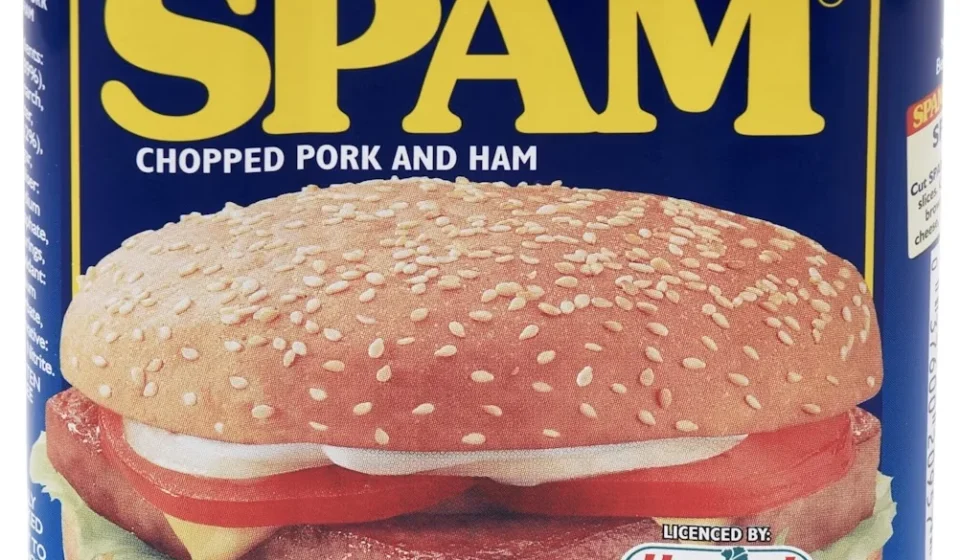
At its core, Spam is a product born of necessity and industrial ingenuity. When Hormel launched the brand in the late 1930s, it provided a shelf-stable, protein-rich solution for a public grappling with the tail-end of the Great Depression. The original formulation—a blend of pork shoulder, ham, salt, water, sugar, and sodium nitrite—was designed to be both affordable and convenient.
The brilliance of the product lay in its "refrigeration-free" status, a massive competitive advantage in an era where home appliances were not yet universal. However, the product’s journey was far from a simple retail success story. It required a strategic marketing push to convince consumers that a canned meat could be versatile, tasty, and reliable. Over the decades, Hormel transitioned from mere utility to building an emotional, almost patriotic, narrative around the brand, positioning it as a symbol of American resilience and resourcefulness.
A Chronological Journey: From Depression-Era Staple to Culinary Cult Classic
The timeline of Spam is a study in evolution. It is not merely a record of sales figures, but a reflection of the 20th and 21st centuries.
- 1937: Hormel Foods officially launches Spam. The name, famously credited to Kenneth Daigneau, the brother of a Hormel vice president, is cemented into the American lexicon.
- 1940: Realizing the need to educate the public on usage, Hormel publishes a 20-page recipe book detailing 50 ways to serve the meat, effectively launching the brand into the American kitchen.
- 1941–1945 (World War II): This period marks the most significant inflection point in the product’s history. Over 150 million pounds of Spam are shipped to Allied troops. It becomes a dietary cornerstone for soldiers, who famously discover its secondary uses—lubricating guns and waterproofing boots—cementing its status as a multipurpose tool of survival.
- Post-War Era: The "Hormel Girls," a musical troupe of female veterans, traverse the nation, humanizing the brand and anchoring it in the post-war American consciousness.
- 1976–2007: The Spamarama cooking festival emerges, signaling the brand’s transition into a self-aware, kitschy, and beloved pop-culture icon.
- 1991: The opening of the Spam Museum and the inauguration of official recipe contests signal that the brand has transcended its food status to become a point of institutional pride.
- 2005: The Broadway musical Spamalot debuts, confirming the brand’s permanent fixture in high culture, albeit with a wink and a nod.
- 2009: Recognizing changing consumer health consciousness, Hormel adds potato starch to the recipe, successfully eliminating the gelatin layer that had long been a point of contention for critics.
Supporting Data: The Architecture of Brand Love
Why does a product that has been the subject of countless jokes maintain such a loyal following? Marketing scholars point to the "brand love" model developed by Rajeev Batra, Aaron Ahuvia, and Richard P. Bagozzi. Their research posits that meaningful consumer attachment is forged when the user experience extends beyond the point of purchase.
Hormel’s strategy has been to facilitate this experience through "eccentric patriotism." By sponsoring NASCAR races, supporting musical theater, and curating an immersive museum experience, Hormel transformed Spam from a commodity into a brand experience.
Consider the sheer volume of consumption: In Hawaii, a state with a profound cultural affinity for the product, seven million cans are sold annually. This is not merely a matter of convenience; it is a cultural integration. The ubiquity of the Spam Musubi—a snack consisting of a slice of grilled Spam atop a block of rice, wrapped in nori—demonstrates how a product can be successfully localized. From the Spamsilog in the Philippines to the Spam fritter in the United Kingdom, the product has proven to be a blank canvas for global culinary innovation.
Official Perspectives: Hormel’s Adaptive Strategy
Hormel Foods has never been passive in its management of the brand. Instead, the company has operated with a keen awareness of shifting demographics and flavor profiles. The introduction of flavor variations—Spam with Bacon, Jalapeño, Teriyaki, and even a spreadable version for those who prefer to "spread, not slice"—serves as evidence of a company that listens to its market.
In official communications, Hormel emphasizes that the brand’s survival is linked to its versatility. By leaning into the "ironic consumption" trend, where high-end chefs incorporate Spam into dishes alongside foie gras, truffles, and uni, the company has successfully revitalized its image. The brand is no longer just the "miracle meat" of the trenches; it is a nostalgic ingredient for the foodie elite and a reliable staple for the budget-conscious household.
Implications: The Future of the Canned Icon
The long-term success of Spam carries significant implications for the food industry and consumer behavior studies. It serves as a case study in how a brand can overcome the "stigma of the cheap" to achieve enduring relevance.
1. The Power of Cultural Assimilation
Spam proves that products can transcend their country of origin. By allowing local cultures to interpret the product—turning it into a holiday gift in South Korea or a breakfast staple in the Philippines—Hormel ensured that Spam would not be viewed as an unwanted export, but as a local ingredient.
2. Resilience Through Diversification
The shift in recipe—specifically the 2009 adjustment to reduce the gelatinous byproduct—highlights the necessity of continuous improvement. Even iconic products must bow to the realities of modern manufacturing and consumer preference if they wish to remain on the shelf.
3. The Irony Factor
Perhaps the most intriguing implication is the role of irony in brand longevity. By embracing its own quirkiness, Spam has immunized itself against mockery. When a brand participates in the joke—by sponsoring a museum or a musical—it effectively controls the narrative. It is difficult to ridicule a product that has already preemptively ridiculed itself with such good humor.
4. Economic Versatility
Finally, Spam’s success reinforces the reality that, in times of economic uncertainty, utility remains king. Whether it is during the Great Depression, the supply-chain disruptions of World War II, or modern inflationary periods, consumers consistently gravitate toward products that provide high caloric value, long shelf life, and a familiar, comforting taste.
As we look toward the future, it is clear that Spam is not merely a relic of the 20th century. It is a product that has been refashioned for the 21st, appearing on the menus of Michelin-starred restaurants and in the pantries of suburban homes alike. While the inventors at Hormel might have only envisioned a "cold or hot" meal, they inadvertently created a canvas for global gastronomy. From the front lines of history to the cutting edge of the culinary arts, Spam remains one of the most resilient, adaptable, and iconic American success stories ever told.