























































The Automation Imperative: Why North American Industries Are Investing More Cash in Smarter Robots

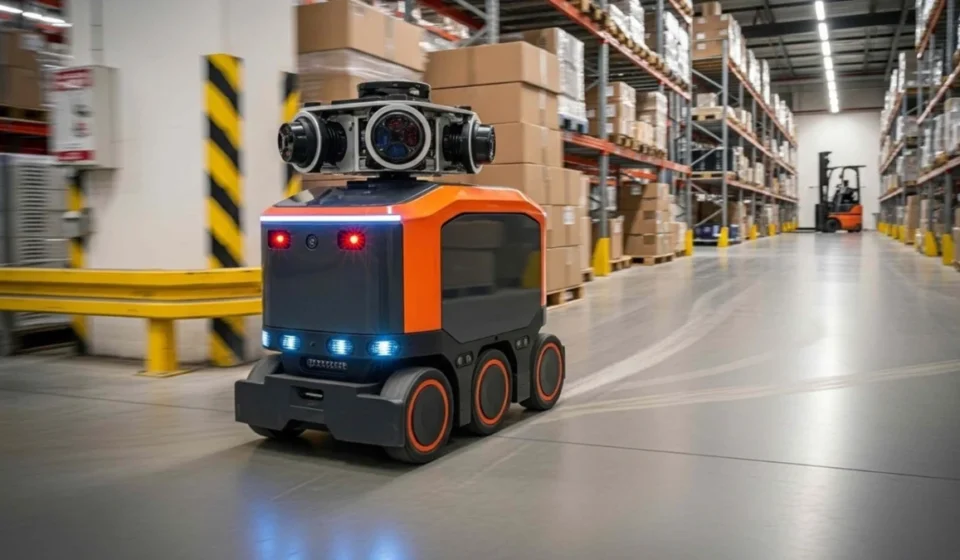
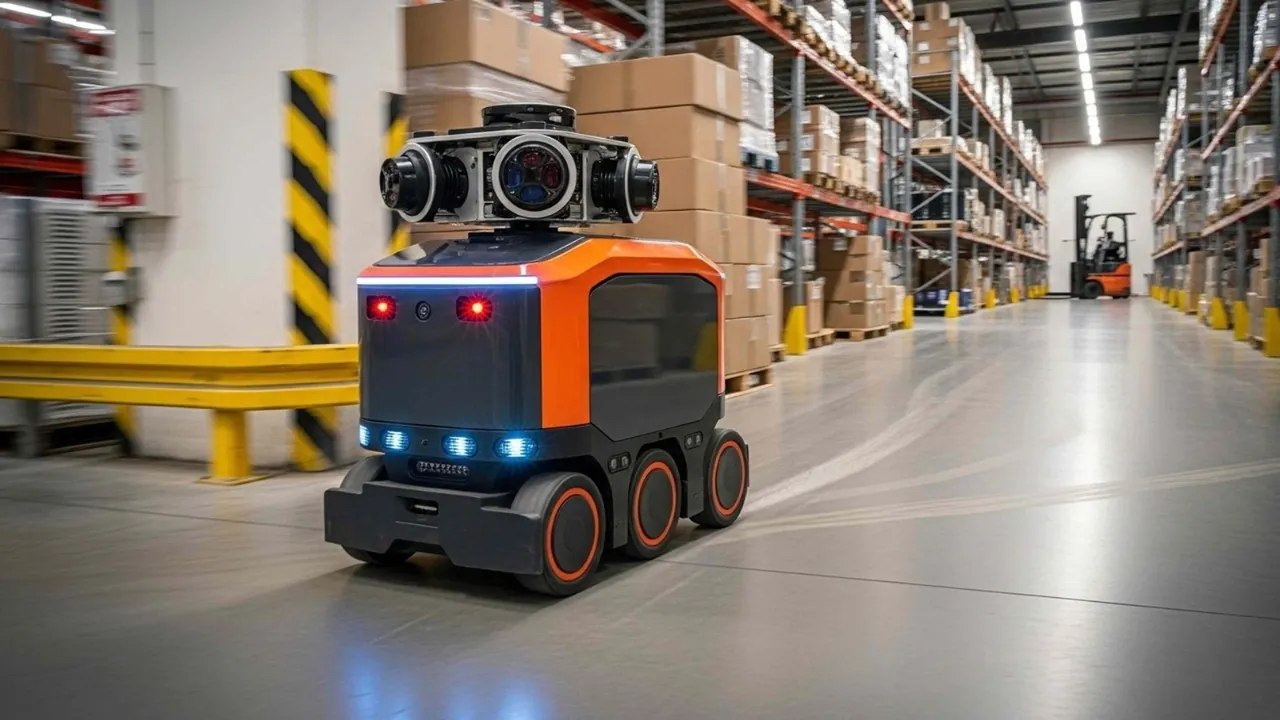
The quiet hum of a mobile robot traversing a polished concrete floor has become the background noise of modern logistics. To the casual observer, a single machine carrying a plastic tote or guiding a heavy pallet toward a packing station is a minor curiosity. However, when multiplied across thousands of distribution centers, factories, and assembly plants from Monterrey to Toronto, these machines reveal a profound structural shift in the North American supply chain.
According to mid-2026 market intelligence, industrial robotics is undergoing a critical transition. Companies are no longer buying hardware simply to put "boots on the ground." Instead, they are investing in highly specialized, smarter, and more expensive systems capable of solving complex operational challenges.
An analysis of the latest data from the Association for Advancing Automation (A3), alongside labor statistics and logistics case studies, reveals the core forces driving this automation wave: how the market is changing, where the money is going, and why software has emerged as the ultimate gatekeeper of warehouse productivity.
1. Main Facts: The H1 2026 Robotics Market at a Glance
The first half of 2026 proved that while the post-pandemic "panic-buying" of automation has subsided, strategic capital expenditure on robotics remains highly resilient.
According to data released by A3, North American companies ordered 17,995 industrial robots during the first six months of 2026, representing a total capital investment of approximately $1.166 billion.
While these figures represent steady progress, they hide a fascinating divergence between volume and value:
- Modest Volume Growth: The total number of robot units ordered rose by just 2.0% compared to the first half of 2025.
- Surging Capital Expenditure: The monetary value of those orders jumped by 6.6% year-over-year.
- Q2 Acceleration: This trend was even more pronounced in the second quarter of 2026. Between April and June, companies ordered 8,940 robots valued at $622 million—a modest 4.3% increase in units, but a massive 21.3% spike in revenue compared to Q2 2025.
H1 Robotics Market Comparison (2025 vs. 2026)

Units Ordered:
  H1 2025: [████████████████████] 17,635 units
  H1 2026: [████████████████████▍] 17,995 units (+2.0%)

Order Value:
  H1 2025: [████████████████████] $1.094 Billion
  H1 2026: [█████████████████████▍] $1.166 Billion (+6.6%)
This data indicates that buyers are shifting toward higher-value, more sophisticated automation systems. Rather than purchasing basic, standalone mechanical arms or simple automated guided vehicles (AGVs), enterprises are opting for integrated, vision-guided, and AI-enabled systems that command premium pricing.
Furthermore, the historical dominance of the automotive sector is giving way to a more diversified landscape. While orders from traditional automotive original equipment manufacturers (OEMs) experienced a sharp decline, sectors such as semiconductor manufacturing, life sciences, and consumer packaged goods stepped in to fill the void.
2. Chronology: The Evolution of the Automation Cycle
To understand the current state of robotics in mid-2026, it is helpful to trace the market’s trajectory over the last several years.
Timeline of North American Robot Adoption Trends
┌──────────────────────────────┐
│  2020–2022: Pandemic Boom    │ ──► Severe labor shortages; panic-buying of basic
└──────────────────────────────┘     hardware to keep facilities running.
               │
               ▼
┌──────────────────────────────┐
│  2023–2024: The Great Digestion│ ──► Capital cooling; companies pause purchasing to
└──────────────────────────────┘     integrate complex physical hardware assets.
               │
               ▼
┌──────────────────────────────┐
│  2025: Strategic Alignment   │ ──► Focus shifts to ROI, software orchestration,
└──────────────────────────────┘     and targeted automation of bottleneck zones.
               │
               ▼
┌──────────────────────────────┐
│  H1 2026: The Value Era      │ ──► Higher-value, multi-vendor systems; software
└──────────────────────────────┘ integration becomes the primary investment driver.- 2020–2022 (The Pandemic Boom): Driven by an unprecedented e-commerce surge and severe labor shortages, companies engaged in rapid, sometimes chaotic, automation acquisition. Capital was cheap, and the primary goal was to secure any available hardware to keep supply chains moving.
- 2023–2024 (The Great Digestion): As supply chains normalized and interest rates rose, the market entered a cooling-off period. Many operators realized that buying robots was easier than making them work together. Companies focused on integrating the hardware assets they had already acquired.
- 2025 (The Push for System Integration): By early 2025, the market began to stabilize. Operators moved away from standalone "islands of automation" toward unified warehouse workflows. Amazon celebrated a major milestone by deploying its one-millionth mobile robot and introducing advanced AI models to coordinate its fleet.
- H1 2026 (The Rise of the Value Era): The data from the first half of 2026 shows this maturation in action. High interest rates and disciplined capital allocation mean every robot purchase must be tied to clear ROI. Spending is rising faster than unit volumes because buyers are investing in the sensors, software, and advanced end-effectors required for complex, multi-system environments.
3. Supporting Data: Market Metrics and Sector Dynamics
The shift toward diversified, high-value robotics is supported by detailed sector breakdowns and labor market metrics.
H1 2025 vs. H1 2026 Comparative Data
The official data compiled by A3 highlights the steady upward trajectory of robotic investments:
| Period | Robot Units Ordered | Order Value | Average Cost Per Unit |
|---|---|---|---|
| H1 2025 | 17,635 | $1.094 Billion | ~$62,035 |
| H1 2026 | 17,995 | $1.166 Billion | ~$64,795 |
| YoY Change | +2.0% | +6.6% | +4.4% |
The rising average cost per unit suggests that simple, low-cost hardware is losing ground to advanced configurations equipped with 3D vision, safety sensors, and machine learning capabilities.
Sector-by-Sector Demand Shifts
The traditional reliance on automotive manufacturing is shifting. In H1 2026, the demand landscape diversified significantly:
Year-over-Year Order Growth by Industry Sector (H1 2026 vs. H1 2025)

Semiconductors & Electronics : [███████████████████████████████] +35%
Life Sciences & Pharma       : [████████████████████████████] +32%
Automotive Components        : [█████████████████████] +24%
Food & Consumer Goods        : [███████████████] +17%
Automotive OEMs : [██████████-25%] -25%- Semiconductors & Electronics (+35%): Driven by domestic manufacturing incentives and the expansion of microchip fabrication facilities in North America.
- Life Sciences & Pharmaceuticals (+32%): Spurred by a demand for high-precision sorting, sterile handling, and rapid laboratory automation.
- Automotive Components (+24%) vs. Automotive OEMs (-25%): While major vehicle assembly plants paused large-scale capital expansions to retool for changing EV/hybrid product lines, tier-one and tier-two parts suppliers invested heavily to increase flexibility.
The Rise of Collaborative Robots (Cobots)
Collaborative robots, designed to operate safely alongside human workers without protective fencing, continue to capture market share.
- Units Ordered (H1 2026): 2,774 cobots
- Value of Orders: $114 Million
- Market Share: Cobots represented 15.4% of all robot units ordered in the first half of 2026.
Cobots are highly attractive to small- and medium-sized enterprises (SMEs) due to their small footprint, ease of programming, and lower upfront cost compared to traditional industrial cells.
The Macroeconomic Drivers: Wages and Job Openings
Warehouse operators face persistent labor challenges. According to the U.S. Bureau of Labor Statistics (BLS):
- Average Hourly Earnings: In June 2026, average hourly pay for warehousing and storage workers reached $26.85.
- Job Openings: The June 2026 Job Openings and Labor Turnover Survey (JOLTS) reported 392,000 vacant positions across transportation, warehousing, and utilities—an increase of 97,000 openings from the previous month.
Faced with rising wages and a persistent talent shortage, logistics managers are turning to automation to handle highly repetitive, physically demanding tasks.
4. Industry Perspectives and Strategic Responses
Industry leaders and market analysts view these figures as a sign of a maturing market.
The Association for Advancing Automation (A3)
In its analysis of the H1 2026 results, A3 emphasized that the broadening of robot adoption across non-automotive sectors is a healthy sign for the industry’s long-term stability.
"We are seeing a democratization of automation," noted an A3 market analyst. "For decades, the robotics industry was highly vulnerable to the capital expenditure cycles of major car manufacturers. Today, the rise of food processing, pharmaceutical packaging, and microelectronics automation provides a much more stable foundation for growth."
The Systems Integrator Perspective
For systems integrators—the specialized firms that install and program robots to work within existing facilities—the shift toward higher order values aligns with a shift in customer priorities.
"Customers are no longer asking us, ‘Can you buy us a robot arm?’" says Marcus Vance, an automation consultant based in Chicago. "They are asking, ‘Can you make this robotic arm talk to our existing conveyors, our ERP software, and our vertical lift modules?’ The cost of the physical robot is often just a fraction of the total project budget. The real value is in the integration."
Amazon’s Fleet Coordination Breakthrough
Amazon, the world’s largest operator of mobile warehouse robots, provides a blueprint for managing automation at scale.
Amazon's Fleet Evolution
┌──────────────────────────────────────────────────────────────┐
│  June 2025: Deployed 1,000,000th mobile robot worldwide.     │
├──────────────────────────────────────────────────────────────┤
│  Key Challenge: Multi-agent congestion in dense pick zones.   │
├──────────────────────────────────────────────────────────────┤
│  Solution: Deployed "DeepFleet" AI foundation model.         │
├──────────────────────────────────────────────────────────────┤
│  Result: 10% increase in fleet travel efficiency.            │
└──────────────────────────────────────────────────────────────┘
Following its landmark milestone of deploying its one-millionth robot in mid-2025, Amazon shifted its focus toward software optimization. The retail giant introduced DeepFleet, an AI-driven foundation model designed to coordinate the movements of hundreds of thousands of autonomous mobile robots (AMRs) in real time.
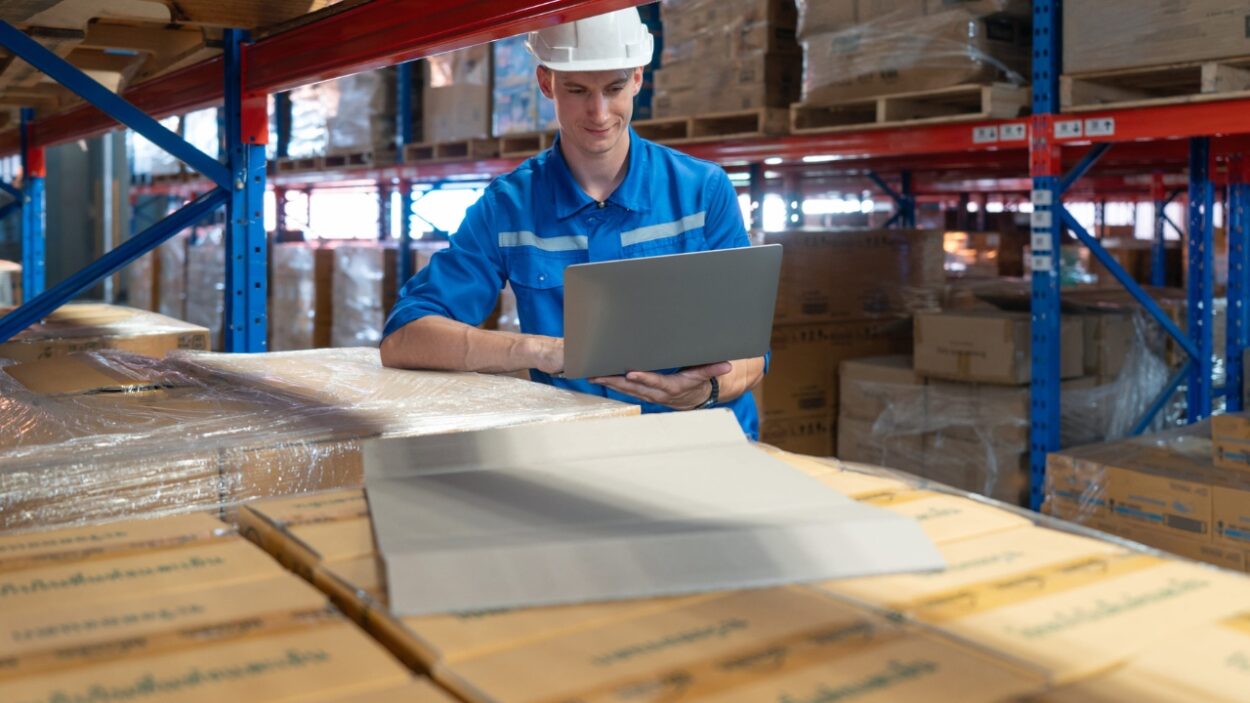
By optimizing travel routes and preventing bottle-necks at high-traffic picking stations, DeepFleet improved travel efficiency by 10%. This case study highlights a broader industry realization: hardware is only as good as the software that orchestrates it.
5. Implications: The Future of Warehousing and the Workforce
As North American businesses continue to invest in robotics, these trends point to several key developments for the future of logistics and human labor.
The Software Integration Bottleneck
The physical deployment of a robot is often the easiest part of an automation project. The real challenge lies in software integration.
A July survey by Interact Analysis revealed that 45% of logistics executives consider integration difficulties to be the single greatest barrier to adopting material-transportation automation.
Key Integration Challenges in Modern Warehouses:
├── Hardware Heterogeneity (Mixing AMRs, AGVs, and robotic arms from different vendors)
├── Communication Latency (Delays between warehouse control systems and physical robots)
├── Floor Congestion (Poor routing causing gridlock at busy picking/packing stations)
└── Software Silos (Disconnects between WMS, WES, and proprietary robot fleet managers)
In a modern distribution center, a single order might require coordination between:
- An Automated Storage and Retrieval System (AS/RS) that retrieves a bin.
- An Autonomous Mobile Robot (AMR) that transports the bin to a picking station.
- A Robotic Arm that selects the item and places it on a conveyor.
- A Warehouse Execution System (WES) that coordinates the entire flow.
If these systems cannot communicate seamlessly in real time, they create bottlenecks. A high-speed AMR is of little use if it spends ten minutes waiting in line at an overloaded packing station. As a result, software orchestration has become a top priority for warehouse operators.
How Automation is Reshaping Warehouse Jobs
The rise of industrial robotics is changing the nature of warehouse work rather than simply replacing human labor.
While robots excel at repetitive, physically taxing tasks—such as walking miles of warehouse aisles, lifting heavy boxes, and sorting packages—human workers remain essential for tasks requiring dexterity, critical thinking, and adaptability.
The Shifting Division of Labor

Human Strengths:                  Robotic Strengths:
┌────────────────────────┐        ┌────────────────────────┐
│ • Cognitive Judgment   │        │ • High Repetition      │
│ • Complex Dexterity    │   VS   │ • Heavy Lifting        │
│ • Exception Handling   │        │ • Constant Consistency │
│ • System Supervision   │        │ • Long-Shift Endurance │
└────────────────────────┘        └────────────────────────┘
This shift is creating a demand for new, higher-skilled roles within the warehouse:
- Automation Technicians: Responsible for maintaining, troubleshooting, and repairing mechanical and electronic robot components.
- Fleet Supervisors: Workers who monitor software dashboards to resolve traffic jams and manage robot tasks.
- Integration Specialists: Professionals focused on optimizing the workflows between human workers, automated machinery, and enterprise software.
Consequently, training and upskilling have become critical components of successful automation strategies.
The Path to Pragmatic Automation
The H1 2026 data shows that North American companies are taking a highly pragmatic approach to robotics. The market is moving away from experimental technology toward proven, high-value applications that offer clear returns on investment.
For warehouse operators, the question is no longer whether to automate, but how to do so effectively. The companies that succeed will be those that view robots not as isolated mechanical replacements for human labor, but as components of an integrated, software-driven logistics network. As automation becomes standard practice, the competitive advantage will go to those who can orchestrate these systems most efficiently.