


















































The Architect’s Gamble: Inside the Timberwolves’ Bold, High-Stakes Acquisition of LaMelo Ball

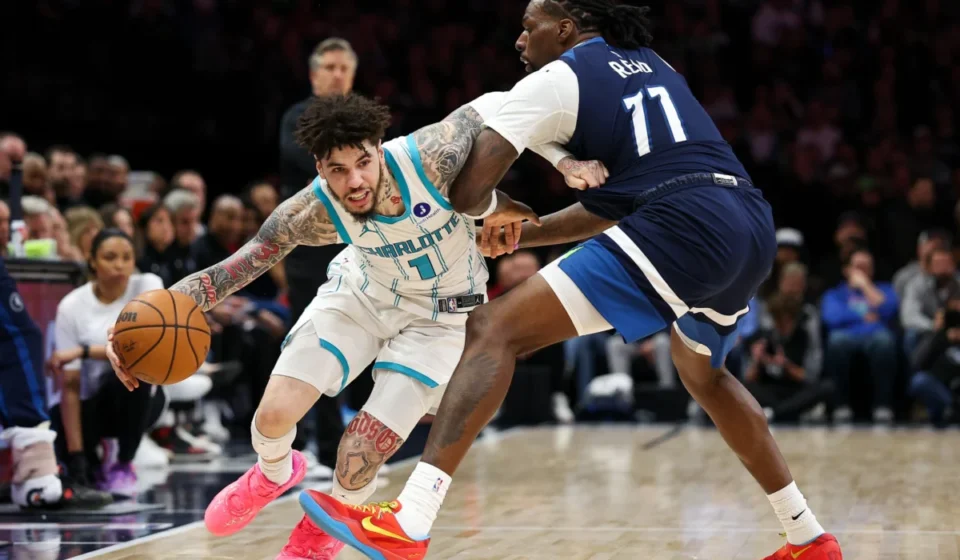
The Minnesota Timberwolves have officially entered a new era, one defined by the audacious, often polarizing vision of President of Basketball Operations Tim Connelly. In a move that has sent shockwaves through the NBA landscape, the Timberwolves have acquired star point guard LaMelo Ball from the Charlotte Hornets. The cost? A king’s ransom in future draft capital and the departure of Naz Reid, a player who had ascended to the status of a Minneapolis folk hero.
This transaction represents more than just a roster change; it is the ultimate expression of Connelly’s "all-in" philosophy. By shipping out Julius Randle and now Reid, Connelly has effectively stripped the roster of its veteran frontcourt stability to clear the path for a high-octane, youth-led perimeter attack.
The Chronology of a Blockbuster
The transformation began earlier this week when the Timberwolves moved Julius Randle and his $33 million contract, a maneuver initially viewed as a simple exercise in salary-cap flexibility. For a brief 48-hour window, the prevailing narrative was that Naz Reid—after seven years of dedicated, high-level production—would finally ascend to the starting power forward position.
That narrative was shattered on Thursday. In a decision that mirrors the controversial 2024 trade of Karl-Anthony Towns, Connelly parted ways with the team’s longest-tenured player. Reid, whose impact transcended box scores—as evidenced by the legion of fans bearing "Naz Reid" tattoos and the secondary market value of promotional beach towels—was the centerpiece of the outgoing package.
To secure Ball and backup wing Josh Green, Connelly effectively mortgaged the franchise’s draft future. Minnesota surrendered their 2033 first-round pick and granted the Hornets the right to swap first-round positions in 2028, 2029, and 2030. Furthermore, the Hornets acquired Minnesota’s second-round picks in 2029, 2032, and 2033. For a front office that once prided itself on stability, this is a radical pivot toward immediate, high-ceiling volatility.
Supporting Data: Why LaMelo?
The rationale behind this seismic shift is rooted in the optimization of Anthony Edwards. Despite his status as a budding superstar, Edwards has been forced to shoulder the heavy burden of primary playmaking.
Analytics provided by NBA.com’s John Schuhmann underscore the urgency of this transition. Last season, among 308 players with at least 75 catch-and-shoot three-pointers, Edwards led the league with a staggering 49.6% accuracy. However, his overall three-point percentage was dragged down to 35.3% on pull-up shots—the very shots he was forced to take due to his point-guard responsibilities. Currently, only 28% of Edwards’ three-point attempts are catch-and-shoot opportunities. By contrast, elite perimeter threats like Paolo Banchero and Quentin Grimes see their catch-and-shoot frequency hovering between 47% and 71%.
LaMelo Ball arrives in Minnesota not just as a playmaker, but as the lubricant for the Timberwolves’ offense. At 25, Ball is one of the most prolific passers in the modern game, boasting a career assist percentage that ranks fourth among active players, trailing only the likes of Trae Young and Luka Dončić.
The 2025-26 campaign saw Ball’s efficiency soar as he played alongside a more talented roster. While the Hornets struggled, the team’s offensive rating surged from 106.7 to 118.4 when Ball was on the floor. After the All-Star break, Charlotte functioned as a top-two offense in the league, largely due to Ball’s ability to orchestrate the floor. The Timberwolves are banking on the fact that when Ball is paired with the superior talent in Minneapolis, those numbers will not just hold, but improve.
Official Responses and the "Risk" Philosophy
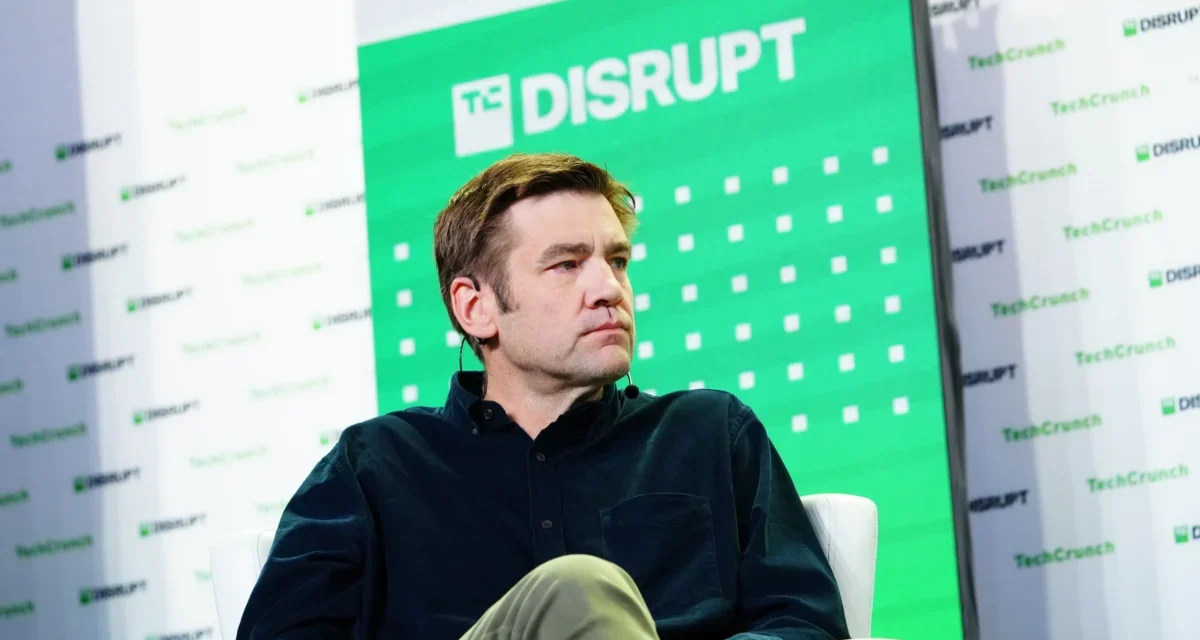
Tim Connelly has never been one to shy away from the scrutiny of his decisions. Five weeks ago, following a disappointing second-round exit at the hands of the San Antonio Spurs, Connelly addressed the team’s direction with blunt honesty.
"The thing about risk, it is all self-induced pressure," Connelly stated. "If you don’t win, what’s the risk? I’d rather get fired than sit here being in job-survival mode. If we mess up, we will mess up loudly. We are going to try and be as aggressive as possible."
This trade is the definition of "messing up loudly." By divesting from the established core to bet on the potential synergy between Ball and Edwards, Connelly has signaled that he is no longer interested in incremental progress. He is chasing a championship window that he believes is currently wide open, provided he can supply his star guard with a high-level distributor.
Implications: The New Timberwolves Identity
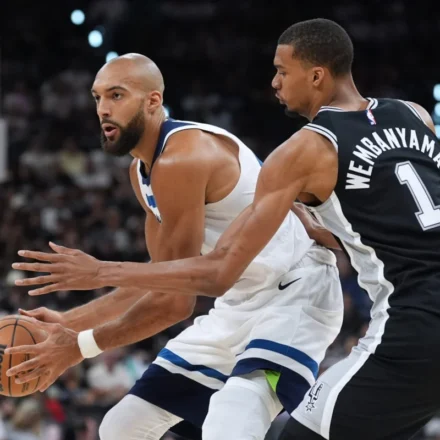
The arrival of LaMelo Ball brings a unique set of variables to Minnesota. Defensively, Ball has historically been a liability, but the presence of Rudy Gobert offers a potential safety net. For the first time in his career, Ball will have a defensive anchor capable of erasing mistakes at the rim. Conversely, Ball offers Gobert something he has lacked since arriving in Minnesota: a world-class pick-and-roll partner who can consistently initiate the lob.
However, the "red flags" are impossible to ignore. Ball’s durability remains a significant concern; he has played more than 70 games in a season only twice in his six-year career. If the Timberwolves are to justify the loss of draft capital and the emotional equity of losing Naz Reid, Ball must remain on the court.
The Youth Movement
The roster is now officially built for the long term around the "Edwards Timeline." With eleven players aged 26 or younger—including McDaniels, Hyland, and incoming rookie Isaiah Evans—the Timberwolves have mirrored the asset-collection strategies of Oklahoma City and New York. Yet, unlike those franchises, Minnesota lacks a deep reservoir of future draft picks to replenish the well.
The burden now falls on head coach Chris Finch to integrate this new, flashy backcourt. The primary question remains: is Anthony Edwards ready to embrace the mantle of the best two-way guard in the NBA, or will the inconsistency that plagued the 2025-26 season persist?
Final Analysis
The Timberwolves have made their bed. They have prioritized offensive dynamism over frontcourt grit and sacrificed the future for a high-stakes present. The trade for LaMelo Ball is an indictment of the status quo and a desperate, hopeful reach for greatness.
If the chemistry clicks—if Ball can elevate Edwards, and if the perimeter defense can hold—the Timberwolves will be a juggernaut. If it fails, the "loud mistake" Connelly warned about will echo through the rafters of the Target Center for a generation. For now, Minnesota watches with bated breath, waiting to see if this fever dream is the start of a dynasty or the beginning of a long, quiet rebuild.