




























The After-Hours Revolution: How Rural Libraries are Redefining Access in the Unstaffed Era

In the quiet corners of rural America, where the nearest coffee shop might be thirty miles away and public workspaces are a luxury, a quiet revolution is taking place. Libraries, the traditional bastions of community literacy and resource sharing, are evolving. Facing stagnant funding and the shifting schedules of a modern workforce, library systems across the United States are increasingly adopting "Extended Access" programs—an innovative model that allows patrons to utilize library facilities during unstaffed, after-hours windows.
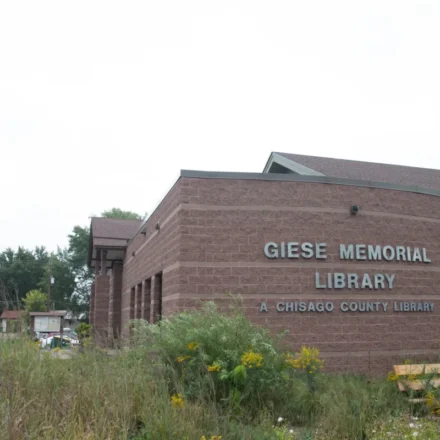
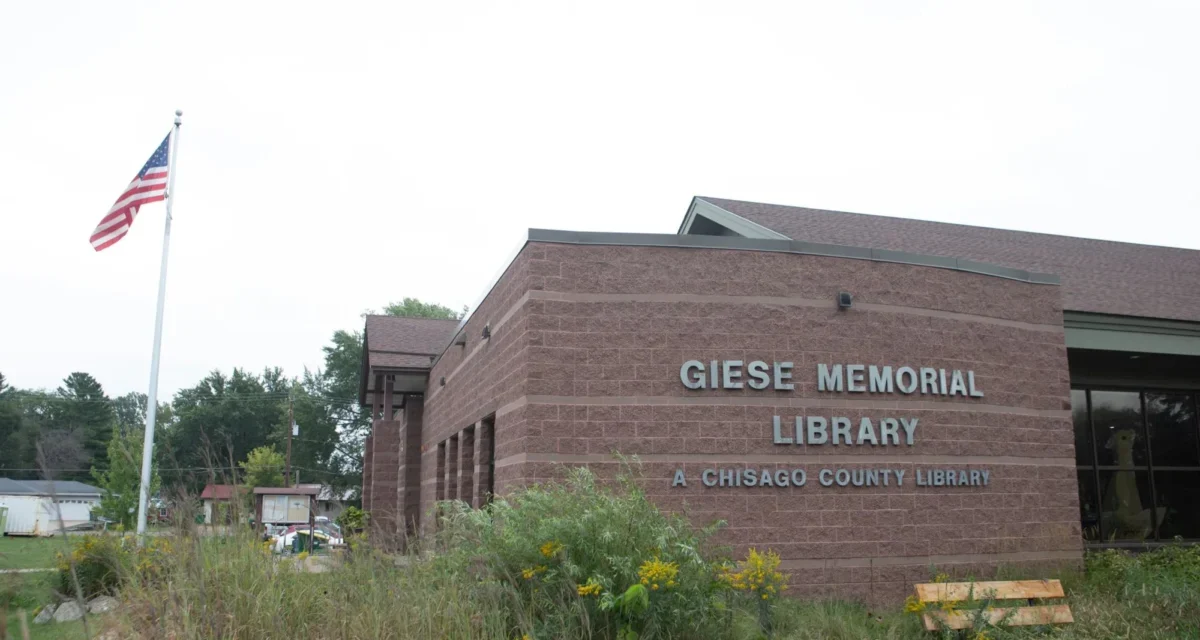
For residents like Michael Sayen, a resident of Forest Lake, Minnesota, this shift is more than just a convenience; it is a vital lifeline. On the day following Labor Day, when most public institutions were shuttered, Sayen found refuge at the Wyoming branch of the East Central Regional Library (ECRL) in Chisago County. "If you have extended hours, you can come in and do the work, or cool down from a hot day, or whatever you need to do," he noted while drafting a novel at a library terminal. For Sayen, the program provides a critical environment for productivity, whether he is filing time-sensitive job applications or managing essential legal documents.
Main Facts: Breaking the 9-to-5 Barrier
The concept of the unstaffed library is as simple as it is transformative. By utilizing smart-card technology, security cameras, and automated building management systems, library administrators can grant verified users access to their facilities outside of traditional operating hours.
While the nomenclature varies—referred to as "Open+ Access" in Nevada County, California; "Expanded Access" in Washington state; and simply "Extended Access" in Minnesota—the core mission remains identical: to democratize access to information. Participation generally requires a valid library card, a formal registration process, and, in many cases, an age requirement, ranging from 14 to 18 years old. Once enrolled, users can browse collections, access high-speed internet, use printers, and enjoy a quiet, climate-controlled space.
However, the "24/7" narrative is a misconception. Most systems impose strict boundaries, with many branches requiring users to vacate by 8:00 p.m. or restricting access on weekends. The programs are designed to complement, not replace, the presence of trained librarians, who remain the heartbeat of the institution during core hours.
Chronology: The Rise of the "Open" Library
The trend toward unstaffed access began as a response to the "fiscal cliff" many rural libraries faced in the early 2020s. As municipal budgets tightened, rural libraries were frequently the first to suffer from reduced hours, creating a "service desert" for residents who worked non-traditional shifts.

- Early Adoption: Systems like the Timberland Regional Library in Washington began experimenting with expanded hours as a way to maintain service levels without the prohibitive costs of additional staffing.
- The Pilot Phase: ECRL in Minnesota initiated its pilot program to test the feasibility of automated access. Through rigorous monitoring, the library system assessed safety, user compliance, and equipment durability.
- Expansion and Integration: By April 2026, ECRL moved out of its testing phase. With the success of the Wyoming branch, the program began to see significant adoption, with usage rates climbing by 66% in just a few months.
- Regional Scaling: Similar programs proliferated across the U.S., from the high-desert libraries of Utah to the rural corridors of Kansas, proving that the model was not limited by geography or local culture.
Supporting Data: The Numbers Behind the Shift
The efficacy of extended access is best reflected in the numbers. At ECRL’s Wyoming branch, 55 registered users have logged over 800 visits in the current year alone. This indicates that while the total user base is niche, the frequency of use for those who rely on the service is high.
The scale is even more impressive in larger systems. The Timberland Regional Library (TRL), which oversees 12 extended-access branches, reports staggering engagement. From September 2023 to August 2026, the system recorded over 63,000 individual swipes by patrons entering unstaffed facilities. This high volume of use validates the hypothesis that community demand for library services does not cease when the staff goes home.
Financially, the barrier to entry remains significant for smaller branches. ECRL invested approximately $70,000 in retrofitting the Wyoming library with security systems and automated door hardware. The ongoing maintenance, including software licensing and system support, costs the library roughly $12,000 annually. For many small-town systems, these costs are significant, necessitating a balance between technological innovation and traditional budget priorities.
Official Responses and Security Protocols
A primary concern for library boards is safety. The transition to an unstaffed model invites questions regarding vandalism, theft, and the safety of vulnerable patrons. ECRL Executive Director Carla Lydon emphasizes that the library has faced no significant security breaches.
"If we have issues, because you have to sign in and are on camera, we are able to identify the issue and revoke the privilege quickly," Lydon noted. The protocol involves a 15-minute mandatory orientation, where new users review the location of emergency exits, automated external defibrillators (AEDs), and first-aid kits. This "safety-first" culture has been instrumental in building public trust and ensuring that the library remains a sanctuary rather than a liability.
At the legislative and board level, however, the reception is mixed. While leadership recognizes the value of the program, they are cautious not to frame it as a replacement for human staff. "Our patrons tell us often how important it is to have regularly staffed hours," says Chris Chrzan of the Timberland Regional Library. The goal, they argue, is to supplement, not diminish, the professional support that librarians provide.

Implications: The Future of Rural Infrastructure
The rise of the unstaffed library represents a broader societal shift in how we define "public space." As private third spaces like cafes or bookstores vanish from rural towns, the library is increasingly becoming the only communal hub available.
However, the reliance on extended access highlights a darker reality: the chronic underfunding of rural public infrastructure. In Washington state, for instance, legal caps on property tax levies have left TRL in a position where they must ask voters to increase taxes just to maintain current service levels. The system has already been forced to cut $3.69 million from its budget, impacting salaries and collection development.
The struggle to expand these programs further illustrates the complexity of municipal governance. In Minnesota, ECRL’s ability to expand to other counties is contingent upon the cooperation of city governments, which often own the buildings. This adds a layer of bureaucratic friction: even if the library wants to innovate, they are bound by the limitations of the physical infrastructure and the priorities of local city councils.
Conclusion: A Balancing Act
The "Extended Access" movement is a testament to the resilience of the rural library. It is a pragmatic solution to a difficult problem: how to keep the doors of knowledge open when the coffers are nearly empty.
As the program continues to grow, it serves as a critical case study in public-private partnerships and the role of technology in preserving the commons. While it does not solve the underlying funding crisis, it ensures that for students, remote workers, and citizens in need of a quiet space, the library remains a reliable anchor in an increasingly fragmented world. The future of the rural library will likely be a hybrid one—a place where the warm, expert guidance of a librarian is available by day, and the quiet, automated sanctuary of a modern resource center is available by night.