
















































Minnesota’s Financial Aid Crisis: A System "Hobbling Along" Under the Weight of Unmet Promises

For over forty years, the Minnesota State Grant Program has served as the bedrock of higher education accessibility for the North Star State. It is the ladder out of poverty for tens of thousands of students—a promise from the state that if you work hard and pursue a degree, the financial burden will not be insurmountable. Yet, as the 2025 fiscal year unfolds, that promise is fraying. A persistent $131 million budget shortfall has left the state’s primary financial aid vehicle in a state of crisis, threatening the academic futures of thousands of residents.
The Reality on the Ground
Aaron Eischen, a 19-year-old graphic design student at Dakota County Technical College, represents the face of this instability. Like many of his peers, Eischen is a first-generation college student who carefully calculated his path to graduation to avoid the crushing weight of student loan debt. He balances a rigorous course load with a demanding job at Sam’s Club, where he spends his shifts circulating through the aisles. For students like Eischen, the state grant is not a luxury; it is the difference between staying enrolled and dropping out.
“Stripping away that aid would be devastating to a lot of students,” Eischen says. While he recently learned his own grant would only be reduced by a modest $215 for the coming year, he remains acutely aware that he is an exception. For many others, the news is far grimmer. State projections indicate that up to 20,000 students could see their grants eliminated entirely this fall, while roughly 80% of all recipients face significant reductions.
Chronology of a Budgetary Collapse
The current shortfall is not a sudden anomaly; it is the fourth consecutive fiscal year that the State Grant Program has faced a multimillion-dollar deficit. The program, which provided $222 million in aid to over 75,000 students in fiscal year 2025, has been trapped in a cycle of demand outstripping supply.
The trajectory of this crisis reveals a systemic failure to adapt to modern realities:
- 2023-24 Academic Year: Faced with a $9 million deficit, the Office of Higher Education was forced to scramble, shifting internal funds to bridge the gap.
- The Following Year: Another shortfall triggered the elimination of aid for more than 8,400 students.
- Spring 2025: Lawmakers successfully closed a $239 million hole by injecting $44.4 million in new funding, but they were forced to pair this with austerity measures, such as reducing the number of college credits the program would cover.
- Current Fiscal Year: Despite the previous interventions, costs have again outpaced resources, leading to the current $131 million deficit.
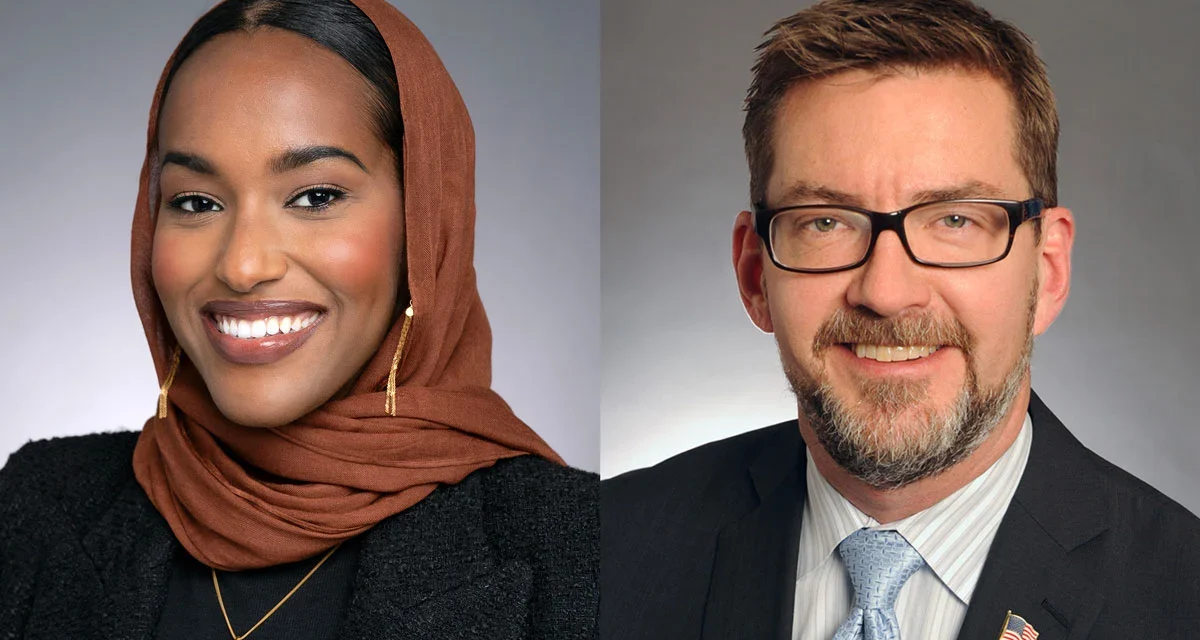
The program is effectively “hobbling along,” according to Sen. Zach Duckworth, R-Lakeville. Without a fundamental restructuring, lawmakers acknowledge that the cycle of deficits is likely to repeat indefinitely.
The Drivers of Rising Demand
The rapid growth in demand for the State Grant Program is driven by three converging factors: rising college enrollment, federal policy shifts, and the long-term escalation of tuition costs.
Since 2023, the state has seen an influx of nearly 27,000 new applications. Much of this is tied to the expansion of the Federal Pell Grant program. Because Minnesota’s state grant eligibility is mathematically tethered to the federal formula, changes at the federal level—which made more students eligible for Pell funds—automatically expanded the pool of students qualified for Minnesota state aid.

Furthermore, the state grant is designed to account for tuition rates. As public colleges and universities have increased their tuition over the last two decades to cover rising operational costs, the "sticker price" of a degree has risen, causing the state’s financial obligation to grow proportionally. It is a classic mismatch of policy: the state has tied its spending to a cost-of-living index that it has no control over, without providing a corresponding increase in the underlying budget.
Official Responses: A House Divided
The failure to resolve the deficit is largely a product of partisan gridlock. Despite proposals from Gov. Tim Walz and members of both parties, the 2025 legislative session concluded without a long-term solution.
The Governor proposed changing how student financial need is calculated—shifting away from the new federal formula to save $38 million. However, the plan faced fierce resistance from those who argued it would disproportionately hurt the poorest students. Rep. Jessica Hanson, DFL-Burnsville, famously characterized the move as "pulling the rug out from underneath" the very people the system is supposed to protect.
Republican lawmakers, meanwhile, have sought to address the shortfall through cost-cutting and reallocation. Proposals included prohibiting undocumented students from receiving state grants and shifting funds away from the "North Star Promise"—a newer, popular program that covers remaining tuition costs after other aid is applied. Democrats defend North Star as a critical tool for equity, arguing that cannibalizing one program to save another is a false choice that ignores the need for a comprehensive investment.
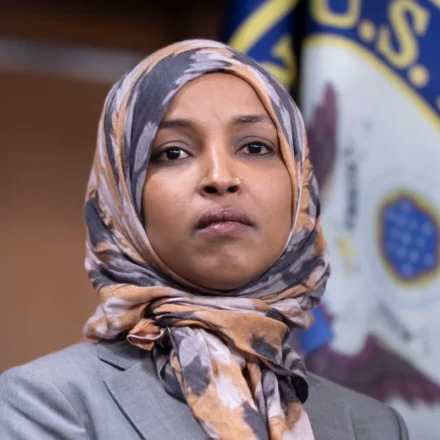
Sen. Omar Fateh, chair of the Senate Higher Education Committee, remains adamant that the only ethical path forward is to increase funding. “We made a commitment to our students,” Fateh said. “We can’t just pull the rug out from them now.”
Implications for Equity and Success
The stakes of this impasse extend far beyond individual bank accounts. In 2015, Minnesota set an ambitious goal: 70% of residents aged 25 to 44 should hold a degree or credential by 2025. The state has missed this benchmark, and experts point to persistent racial and ethnic equity gaps as a primary cause.
Financial aid is the most effective lever the state has to close these gaps. With more than half of grant recipients coming from families earning less than $40,000 annually, and nearly half identifying as students of color, the grant program is a primary engine for social mobility.
A recent state report found that nearly 40% of Minnesota undergraduates struggle to afford basic necessities like food, housing, and healthcare. When the state grant is reduced or removed, it often forces students to increase their working hours or take on high-interest private loans, both of which are strongly correlated with lower graduation rates.

Scott Olson, chancellor of the Minnesota State system, emphasizes that the financial aid shortfall creates a ripple effect. “When you see people raising tuition, it puts pressure on financial aid,” Olson explained. “The best thing the Legislature can do is fully fund higher education so schools can maintain tuition rates.”
A Call for Systemic Reform
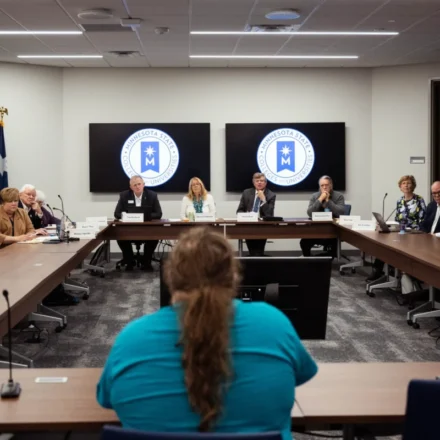
As Minnesota grapples with these challenges, the conversation is shifting toward the need for a fundamental redesign of the state’s financial aid structure. The Minnesota Office of Higher Education is currently studying ways to create a more sustainable model, but any significant shift will require the political will to enact change.
BG Tucker, executive director of the nonprofit College Possible Minnesota, warns that the current messaging is contradictory. "We tell students that education is the key to their future, and that we are opening the door to that future, but then we make it unaffordable," she said. "That feels like a disingenuous offer."
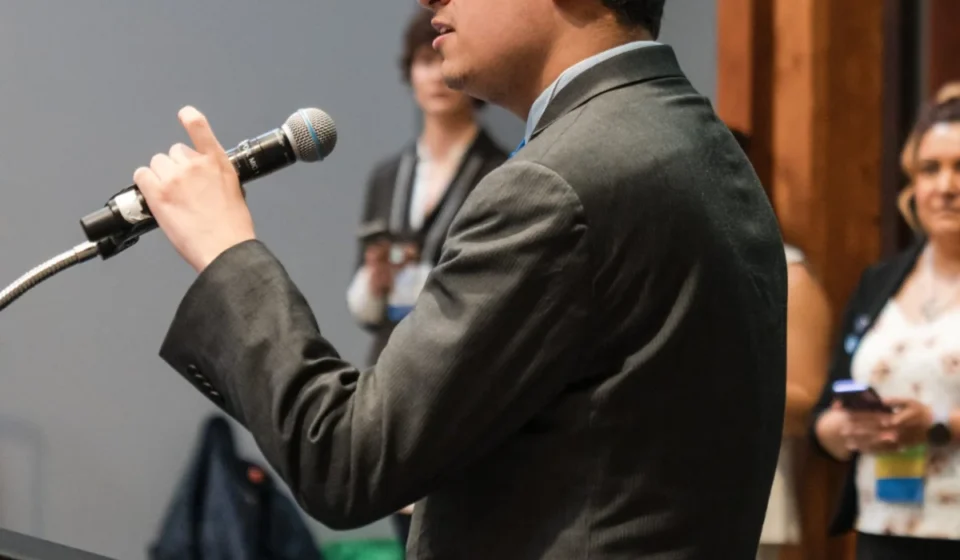
For students like Aaron Eischen, the uncertainty is a constant shadow over their academic pursuits. Even as he looks toward graduation next summer, he continues to advocate for his peers, meeting with legislators to ensure they understand the human cost of the budget shortfall.
The question remains whether Minnesota will treat its higher education system as a priority investment or continue to allow it to wither through neglect. If the state wants to remain a leader in workforce development and social equity, it must reconcile its stated values with its fiscal reality. As Tucker poignantly noted, "You would hate to see a failure of systems be the reason that a kid is not finishing their second-to-last semester in college."
The clock is ticking for thousands of students who are currently deciding whether they can afford to enroll in the fall. For them, the debate in the Capitol is not about political maneuvering—it is about whether the door to their future remains open or swings shut.