






















































From Weeds to Wonders: The Commercial and Ecological Renaissance of Native Plants

In the humid, glass-enclosed microclimate of the Kilbourn Park greenhouse on Chicago’s north side, a quiet revolution has been taking root for years. What began as a niche interest for dedicated conservationists has blossomed into a full-scale horticultural shift. Renee Costanzo, the Chicago Park District’s sole full-time employee at the facility, recently oversaw the culmination of months of labor: the annual Kilbourn Park plant sale.
While the sale has been a neighborhood staple for decades, the 2024 iteration signaled a profound change in the American gardening psyche. Historically, gardeners arrived in search of the "starter kit"—tomatoes, cucumbers, and the reliable pops of color provided by zinnias and marigolds. This year, however, the star of the show was not the exotic annual, but the local perennial. Nearly 20 percent of the inventory consisted of native species—plants that have evolved over millennia to thrive in the specific soil and climate of the Great Lakes region.
The response was overwhelming. Record-breaking crowds descended upon the park, with over 2,300 shoppers—more than double the typical attendance—lining up to purchase plants that were once dismissed as common weeds. This surge in demand reflects a broader national trend where native plants are no longer just an environmentalist’s hobby; they are the fastest-growing sector of the multi-billion-dollar gardening industry.
Chronology: From Niche Conservation to Mainstream Demand
The journey of the native plant from the fringes of botany to the center of the suburban garden has been decades in the making. In the early 1980s, the concept of "native gardening" was largely absent from the public consciousness. Neil Diboll, president of Wisconsin-based Prairie Nursery, recalls a vastly different landscape when he began his career in 1982.
"I’ve watched this for 44 years, from almost zero to now," Diboll noted. In those early years, his nursery struggled to gain traction, grossing just over $13,000 in its first year. At the time, the American aesthetic was dominated by the "industrial lawn"—perfectly manicured, chemically treated turf grass and non-native ornamental shrubs like boxwoods and hydrangeas.
The timeline of this shift began to accelerate roughly a decade ago, spurred by increasing public awareness of the "insect apocalypse" and the dramatic decline of iconic species like the Monarch butterfly. By 2017, nurseries specializing in native species began seeing exponential growth. At Prairie Moon Nursery in Minnesota, co-owner Becky Klukas-Brewer reported a 350 percent increase in sales over the last seven years alone.
At Kilbourn Park, the shift has been palpable over the last five seasons. Costanzo began experimenting with native seed stratification in November, months before the spring thaw, to meet a rising tide of inquiries. The "slow burn" of the native plant movement has officially reached a flashpoint, transitioning from a "fad" into a permanent fixture of urban and suburban planning.
Supporting Data: The Economic Impact of the Green Shift
The numbers associated with the native plant boom suggest a robust and resilient market. The Kilbourn Park sale, which sells seedlings at a modest $4 apiece, generated approximately $48,000 this year—shattering previous records and easily surpassing the $25,000 fundraising goal set by the "Friends of Kilbourn Park Greenhouse."
Beyond Chicago, the data points to a massive scaling of production:
- Prairie Nursery (Wisconsin): Now ships approximately 500,000 plants annually, alongside millions of seeds. Their revenue has grown from five figures in the 1980s to millions today, with a 7 percent increase in plant sales in the last year alone.
- Prairie Moon Nursery (Minnesota): Has seen its total order volume triple in the last decade, reflecting a nationwide appetite for mail-order native seeds.
- Wild Ones (National Nonprofit): This organization, which began as a small Milwaukee garden club, now boasts over 14,000 members. In the last year, their 107 chapters facilitated the sale of 110,000 native plants and distributed an additional 40,000 through community programs.
This economic growth is driven by a diverse consumer base. While older gardeners are "converting" their traditional plots, younger homeowners are increasingly viewing native plants as a solution to "no-mow" landscaping and climate-conscious homeownership.
Official Responses: Why the Paradigm is Shifting
Experts and officials attribute this horticultural pivot to a combination of ecological necessity and practical benefits. Tiffany Jones, who leads habitat education for the National Wildlife Federation (NWF) in the Great Lakes region, argues that the shift is a rational response to a changing climate.
"Native plants have been adapting to change for thousands of years," Jones said. "They need less water, less maintenance, and they’re incredibly resilient."
The NWF and other conservation bodies have been vocal about the "ecosystem services" these plants provide. Unlike traditional lawn grass, which has shallow roots, native prairie plants like Big Bluestem or Compass Plant can develop root systems that extend 10 to 15 feet underground. These "living sponges" are essential for:
- Flood Mitigation: Deep roots create channels in the soil, allowing rainwater to penetrate deep into the earth rather than running off into overtaxed city sewers.
- Carbon Sequestration: The massive biomass of native root systems stores significantly more carbon than ornamental gardens.
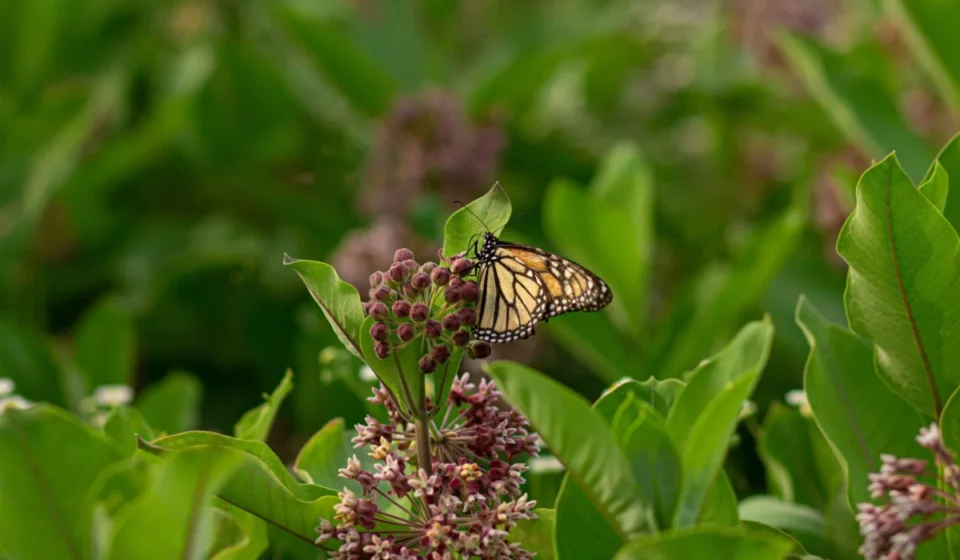
- Pollinator Support: Many insects are "specialists," meaning they can only survive on specific native host plants. The Monarch butterfly’s dependence on milkweed is the most famous example, but thousands of other bee and butterfly species face similar requirements.
Lourdes Valenzuela, a retired schoolteacher and long-time volunteer at Kilbourn Park, views the movement through the lens of community resilience. "We’re not fighting against the climate here," she remarked. "We’re working with it because it’s what’s native to this area."
The Chicago Park District has also recognized the educational value of these plants. The funds raised from the Kilbourn sale are being funneled into a new outdoor learning center, which will serve as a hub for teaching residents how to transition their private yards into functional habitats.
Implications: Redefining the American Landscape
The long-term implications of the native plant surge extend far beyond the aesthetic of a single garden. As more residents replace turf grass with native "soft landings," the cumulative effect creates what ecologists call "biological corridors." In an increasingly fragmented world, these backyard habitats allow wildlife to move safely through urban environments.
However, the rapid growth of the industry also presents challenges. The "native plant" label can sometimes be misused, with some large-scale retailers selling "nativars"—cultivated varieties of native plants that may not provide the same nutritional value to pollinators. This has led to a push for better consumer education and more stringent labeling in the nursery industry.
Furthermore, the legal landscape is slowly catching up to the horticultural one. While some municipalities still have "weed ordinances" that penalize tall native plantings, many cities are beginning to rewrite their codes to encourage—and in some cases, mandate—the use of native species in new developments.
The success of the Kilbourn Park sale and the exponential growth of nurseries like Prairie Moon suggest that the "weed" stigma is effectively dead. In its place is a new understanding of the garden as a site of active conservation. As the greenhouse roof at Kilbourn Park creaks open to let in the spring air, it signals more than just a change in season; it marks a permanent shift toward a landscape that is as functional as it is beautiful.
For gardeners like those in Chicago, the choice is no longer just about which flower looks best in a vase. It is about which plant can withstand a drought, which root can stop a basement from flooding, and which leaf can feed the next generation of pollinators. In that calculation, the native plant has finally moved from the roadside to the pedestal.